The Sandlot
"Chasing legends, dodging the Beast, and perfecting the s’mores."
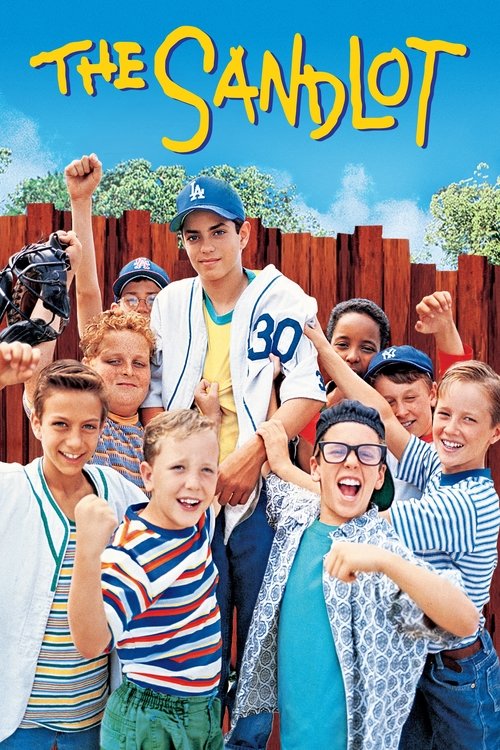
There is a specific, hazy frequency of 1990s nostalgia that hits differently than the synth-soaked neon of the 80s. It’s the smell of freshly mowed grass, the sound of a distant lawnmower, and the absolute, life-or-death stakes of a lost baseball. When I revisited The Sandlot recently, I watched it on a dusty old DVD I found in a thrift store—the kind where the plastic case still smells faintly of a 1998 Blockbuster—and I realized that while the film is set in 1962, it is a quintessential product of 1993’s heart.
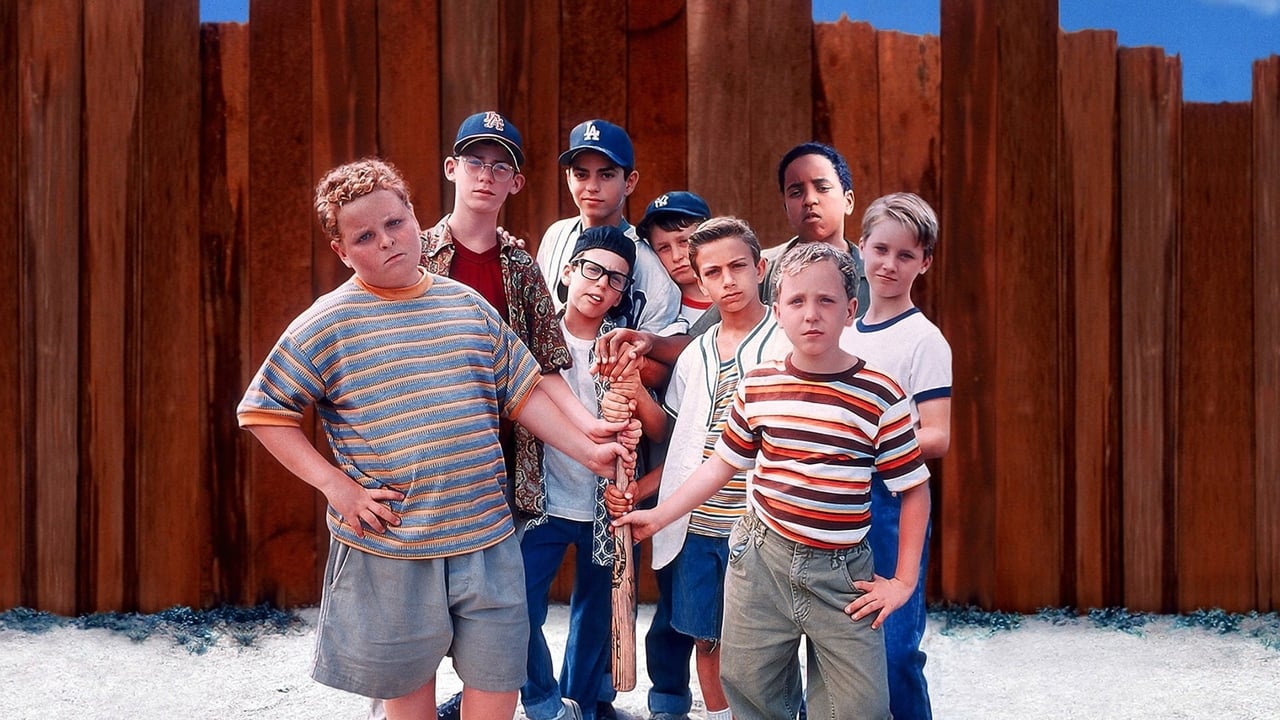
Directed by David Mickey Evans (who also co-wrote the screenplay and narrated the film with a voice that sounds like a warm hug), The Sandlot isn't just about baseball. In fact, if you’re here for a deep dive into the mechanics of the sport, you’re in the wrong dugout. This is a tall tale about the mythology of childhood. It’s about that one summer that felt like it lasted a decade, where your friends were your entire world, and the neighbor’s dog was a literal monster from the underworld.
The Art of the Trash-Talk Ensemble
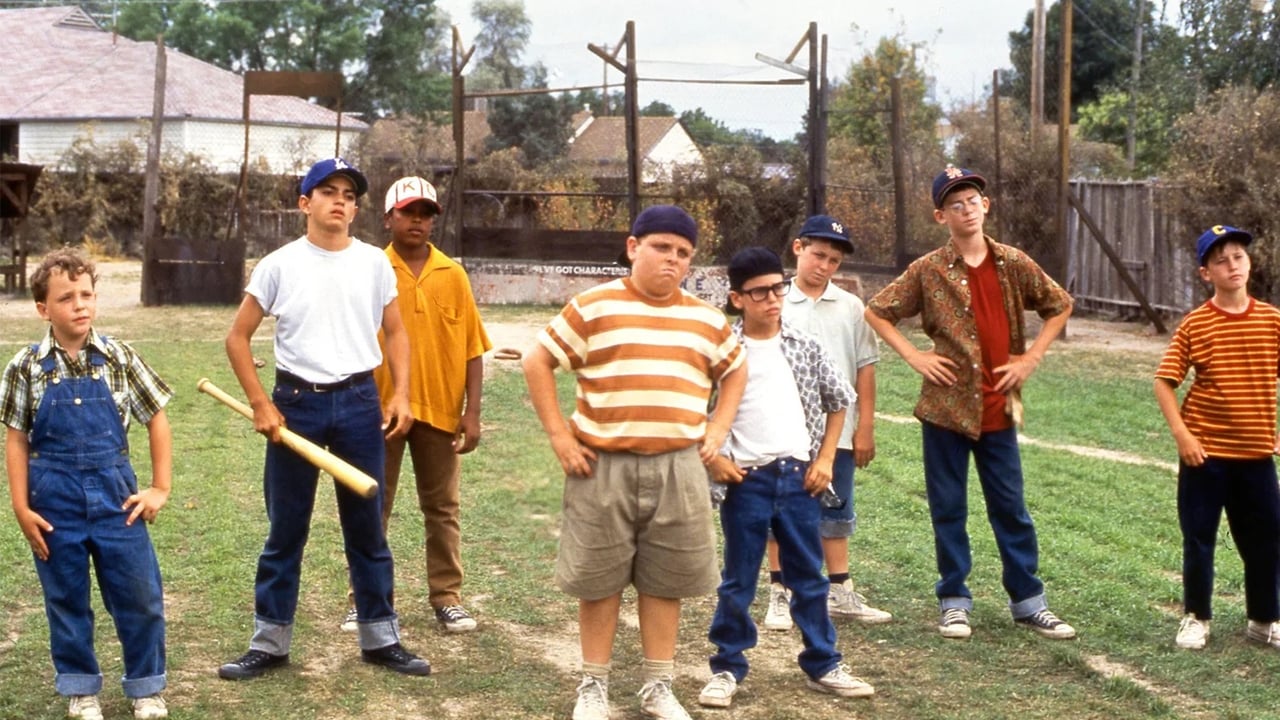
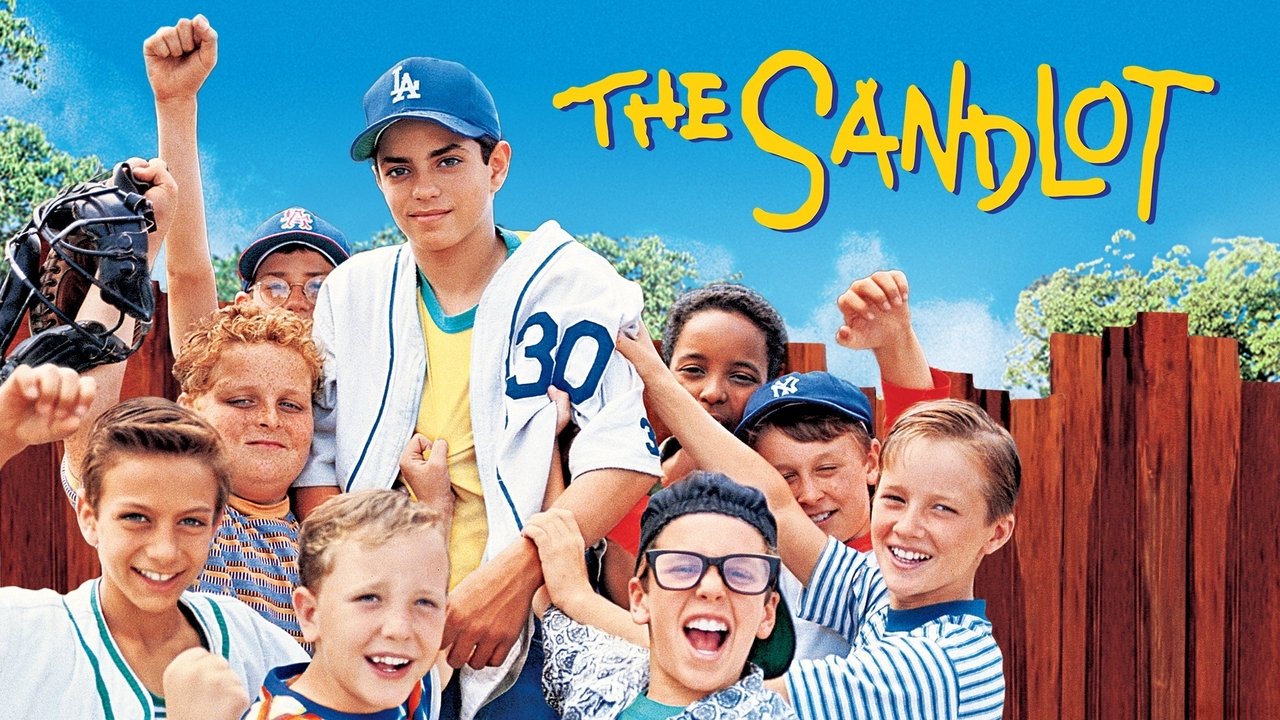
The magic of this film lives or dies on the chemistry of the boys, and Evans struck gold. Tom Guiry is perfectly cast as Scotty Smalls, the "L-7 weenie" who doesn't know who the Great Bambino is. Watching him try to throw a ball is physically painful in the best way possible. But the real engine of the movie is the ensemble. You have Mike Vitar as Benny "The Jet" Rodriguez, the kid we all wanted to be—cool, fast, and inexplicably wearing a Dodgers hat in a way that felt iconic.
Then there’s Patrick Renna as Hamilton 'Ham' Porter. Ham is the undisputed heavyweight champion of 90s comedic timing. The s’mores scene is a rhythmic masterpiece of dialogue; it’s not just funny because of what he says, but how he says it, with a mouth full of graham crackers and a confidence that only a twelve-year-old catcher can possess. When he drops the line, "You’re killing me, Smalls," he isn't just saying a catchphrase; he’s voicing the collective frustration of every kid who ever had to teach a newcomer the ropes.
The comedy here is observational and physical. I’ve always felt that the carnival scene, where the boys try chewing tobacco before hitting the spinning rides, is one of the most effective "gross-out" sequences of the era. It’s chaotic, disgusting, and utterly relatable to anyone who ever made a spectacularly poor decision on a dare. Apparently, the kids were actually spinning so fast on that ride that their reactions of sheer terror weren't entirely scripted.
Practical Monsters and 90s Magic
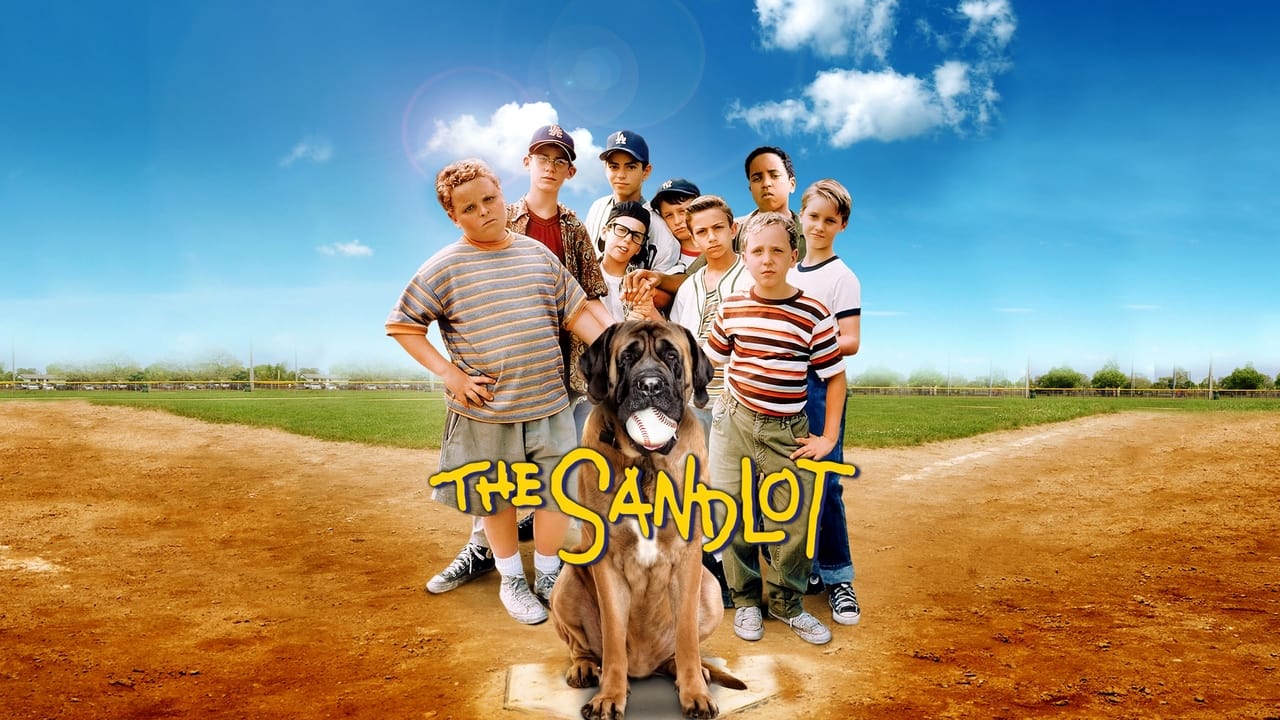
Looking back at 1993, we were at the precipice of the CGI revolution. Jurassic Park had just changed the game, but The Sandlot stayed firmly planted in the realm of practical effects. "The Beast," the terrifying English Mastiff that lives behind the fence, was largely brought to life by a giant puppet and two guys in a suit for the wider shots.
There’s a charm to that giant, slobbering puppet head that no digital rendering could ever capture. It has a weight to it. When it’s breathing down Smalls’ neck, you feel the moisture. The Beast is basically a low-budget version of the shark from Jaws, but with more drool and a better character arc. It represents the "frontier" of childhood—that line you don't cross because the rumors say you'll never come back.
This film also perfectly captures the "DVD Culture" that would follow a few years later. It became a staple of home libraries because it rewards repeat viewings. You start noticing the background gags: Chauncey Leopardi as "Squints" Palledorous planning his "accidental" drowning to get a kiss from Wendy Peffercorn, or Marty York’s "Yeah-Yeah" repeating everything with a nervous energy that feels entirely unpolished and real. These weren't child actors hitting "marks"; they felt like a real group of loud, annoying, wonderful friends.
Why the Legend Never Dies
What makes The Sandlot more than just a "kids' movie" is its ending. It transitions from the exaggerated heights of a childhood legend—PF Flyers that make you run faster, vacuums that explode in a cloud of dirt—into the grounded reality of adulthood. The final sequence, involving an older Smalls in the broadcast booth and a legendary cameo by James Earl Jones (who brought a much-needed gravity to the film's third act), hits a bittersweet note.
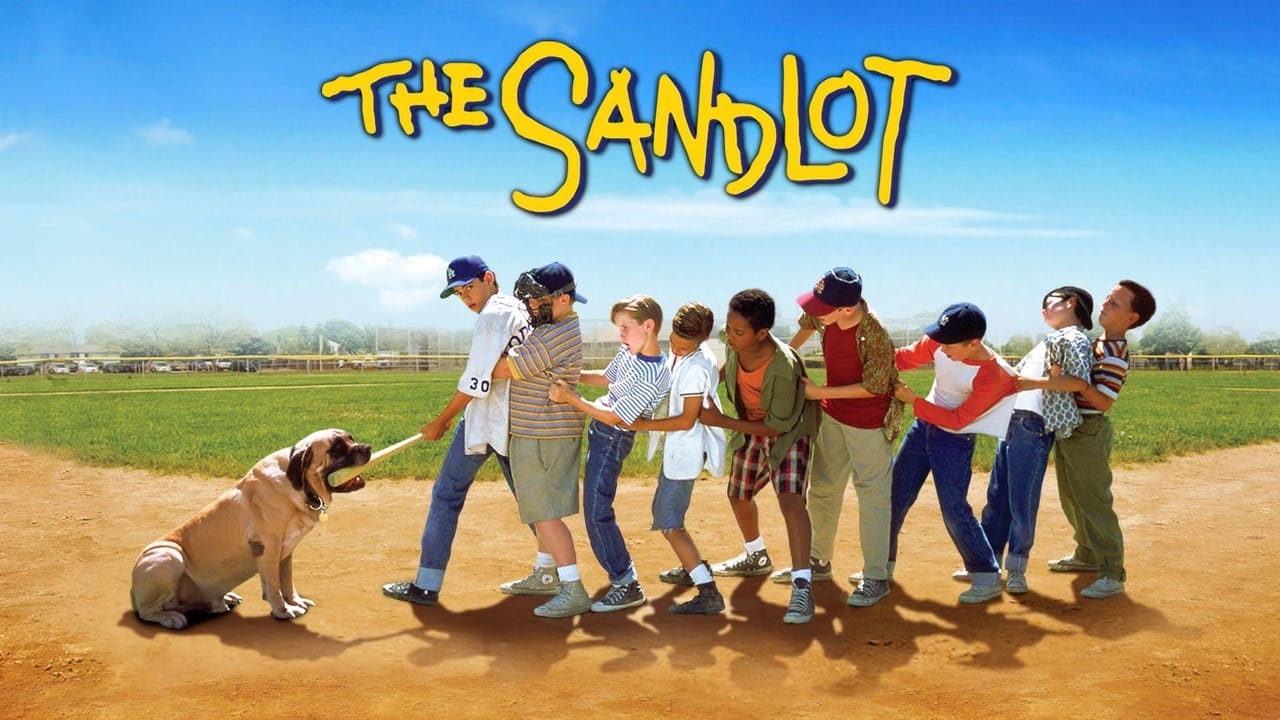
Smalls’ stepdad is the real villain of the piece for leaving a signed Babe Ruth ball in reach of a pre-teen, but I digress. The film understands that the "Beast" was never really a monster; it was just a dog, and the "Legend" was just a man with a lot of stories. But for ninety minutes, Evans makes us believe in the myth.
The film was a modest hit at the box office, but its true life began on VHS and cable. It’s a movie that feels like it’s owned by the audience. It captures that transition from the analog 80s into the slightly more polished 90s, where we still went outside until the streetlights came on, but we were starting to see the world through a more cinematic lens.
In an era of cinema that was becoming increasingly obsessed with digital perfection, The Sandlot leaned into the dirt, the sweat, and the "sultan of swat." It’s a comedy that trusts its young actors to be funny without being "precocious," and it treats its central mystery with the same intensity as a high-stakes thriller. It’s a reminder that while the summer eventually ends, a good story—and a well-timed insult—can last forever. If you haven't seen it in a decade, give it a spin; it's still the best buddy in the entire history of the world.
Keep Exploring...
-
DuckTales: The Movie - Treasure of the Lost Lamp
1990
-

The Muppet Christmas Carol
1992
-
Homeward Bound: The Incredible Journey
1993
-
A Goofy Movie
1995
-

The Little Rascals
1994
-
Geri's Game
1997
-
Mickey, Donald, Goofy: The Three Musketeers
2004
-
Holes
2003
-
Winnie the Pooh
2011
-
Teen Beach Movie
2013
-
A Close Shave
1996
-

A Bug's Life
1998
-
Teenage Mutant Ninja Turtles
1990
-
Hocus Pocus
1993
-

The Swan Princess
1994
-
Toy Story
1995
-

For the Birds
2000
-
The Triplets of Belleville
2003
-
Lilo & Stitch 2: Stitch Has a Glitch
2005
-
Presto
2008