The Secret Garden
"Growth happens where the light is locked away."
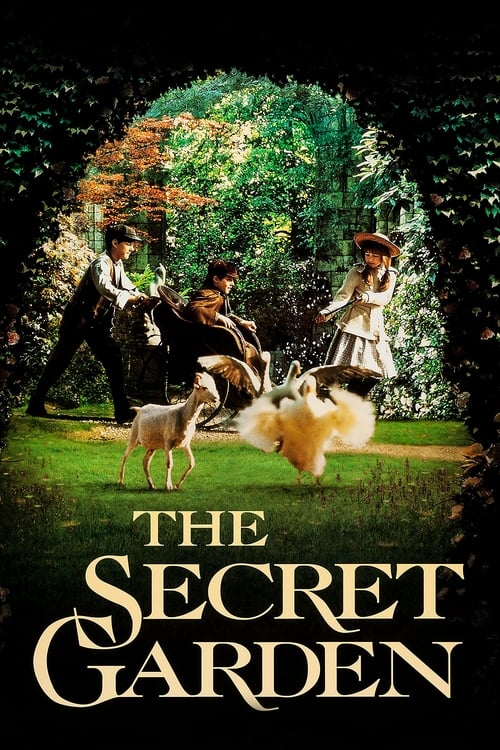
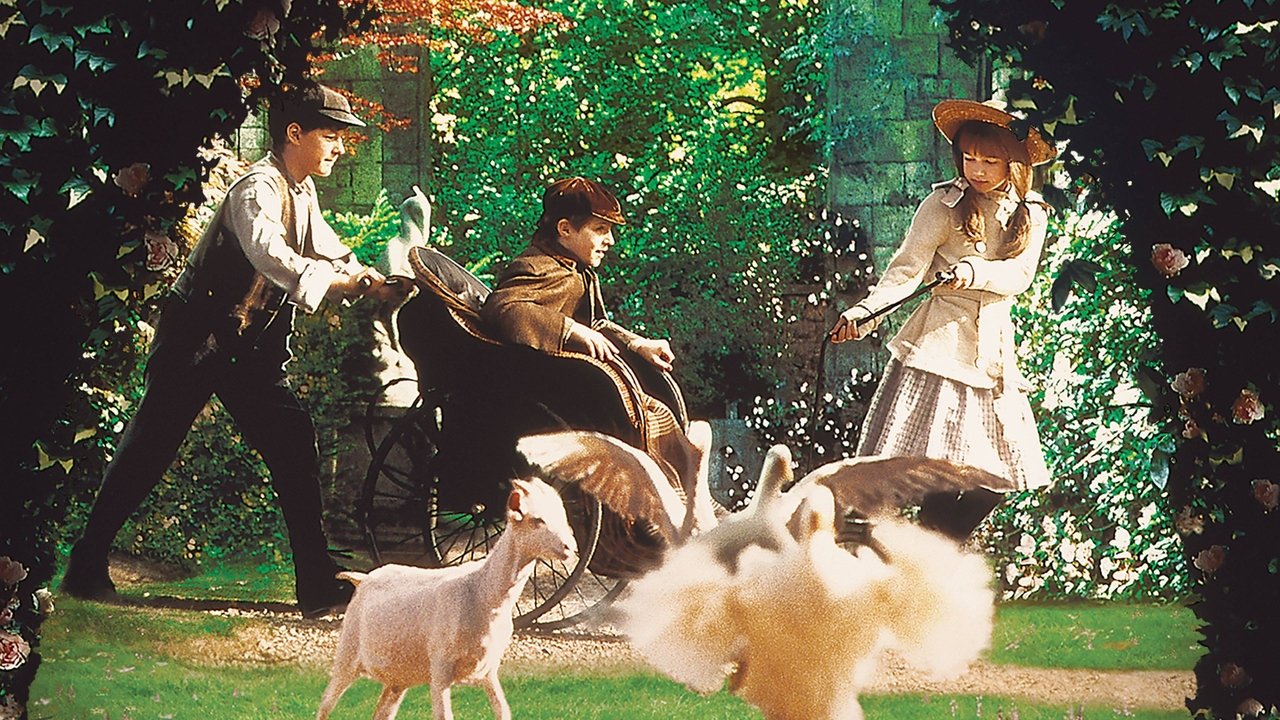
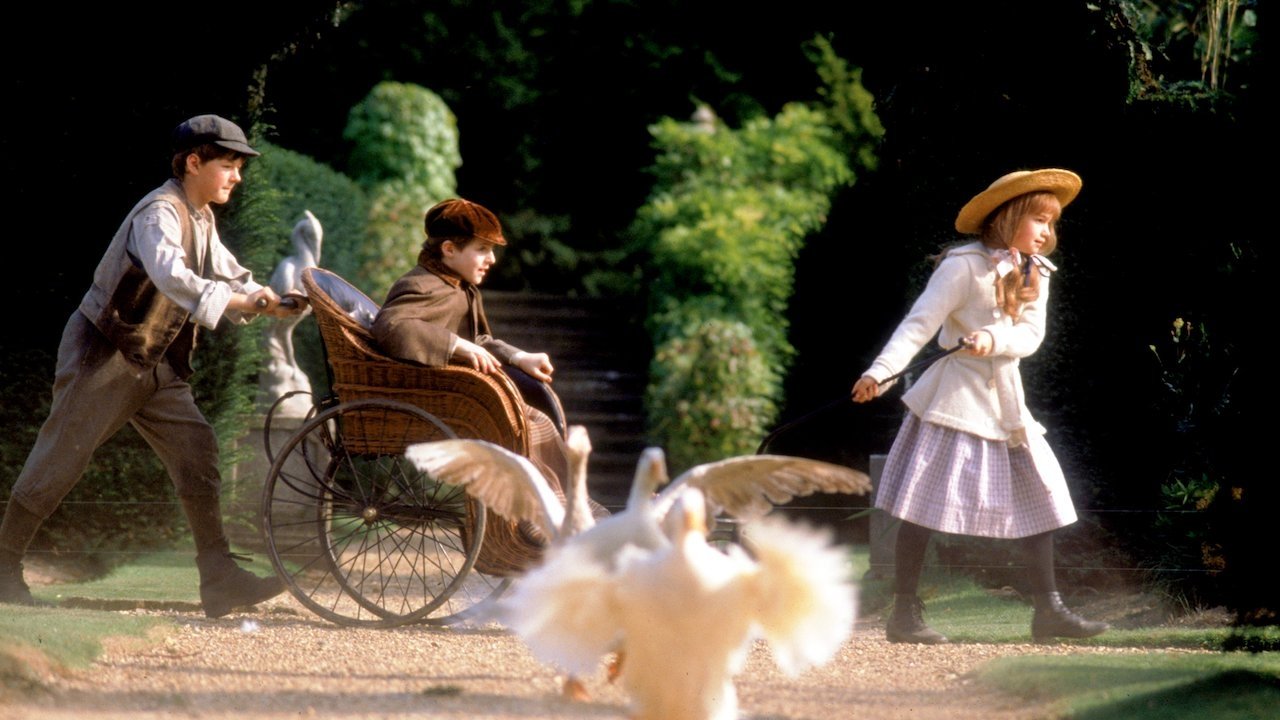
In 1993, children’s cinema wasn’t all neon colors and hyperactive comic relief; sometimes, it was a soot-stained Gothic tragedy that smelled like wet earth and repressed Victorian trauma. While the early 90s are often defined by the birth of the CG blockbuster, there was a parallel movement of lush, literary adaptations that treated younger audiences with an almost startling amount of intellectual respect. Agnieszka Holland’s take on The Secret Garden is the crown jewel of that era, a film that feels hand-crafted in a way that’s becoming increasingly rare.
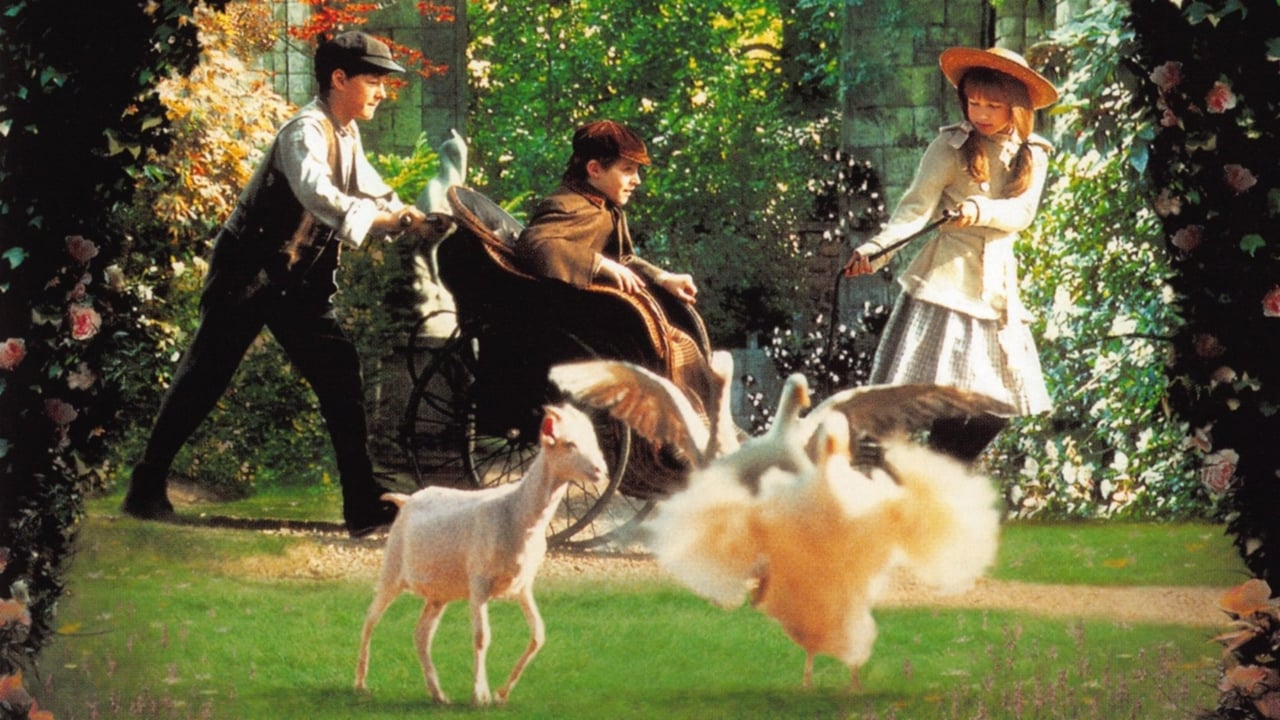
I watched this most recently while slumped in a beanbag chair that was slowly leaking Styrofoam pellets onto my carpet, and even the looming chore of a vacuuming session couldn’t distract me from how completely this movie conjures a sense of place. From the sweltering, sickly yellows of colonial India to the bruised blues and deep mossy greens of the Yorkshire moors, it’s a masterclass in atmospheric storytelling.
The Deakins Touch and Practical Magic
Before he was the perennial Oscar bridesmaid (and eventual winner) we know today, Roger Deakins was already doing the Lord's work behind the lens. His cinematography here is nothing short of transformative. In an era before every fantastical element was outsourced to a render farm, this film relies on tactile, physical beauty.
When the garden finally "wakes up," we aren't treated to a digital light show. Instead, Agnieszka Holland used painstaking time-lapse photography to show real lilies bursting into bloom and vines creeping up stone walls. It’s slow, deliberate, and carries a weight that modern CGI simply can’t replicate. If this movie were made today, the garden would be a neon CGI eyesore rather than a triumph of actual horticulture. There is a specific shot of Mary Lennox looking through a keyhole that feels like a manifesto for the whole film: it’s about the narrow, disciplined perspective of childhood suddenly widening into something wild and uncontrollable.
A Protagonist Who Refuses to Smile
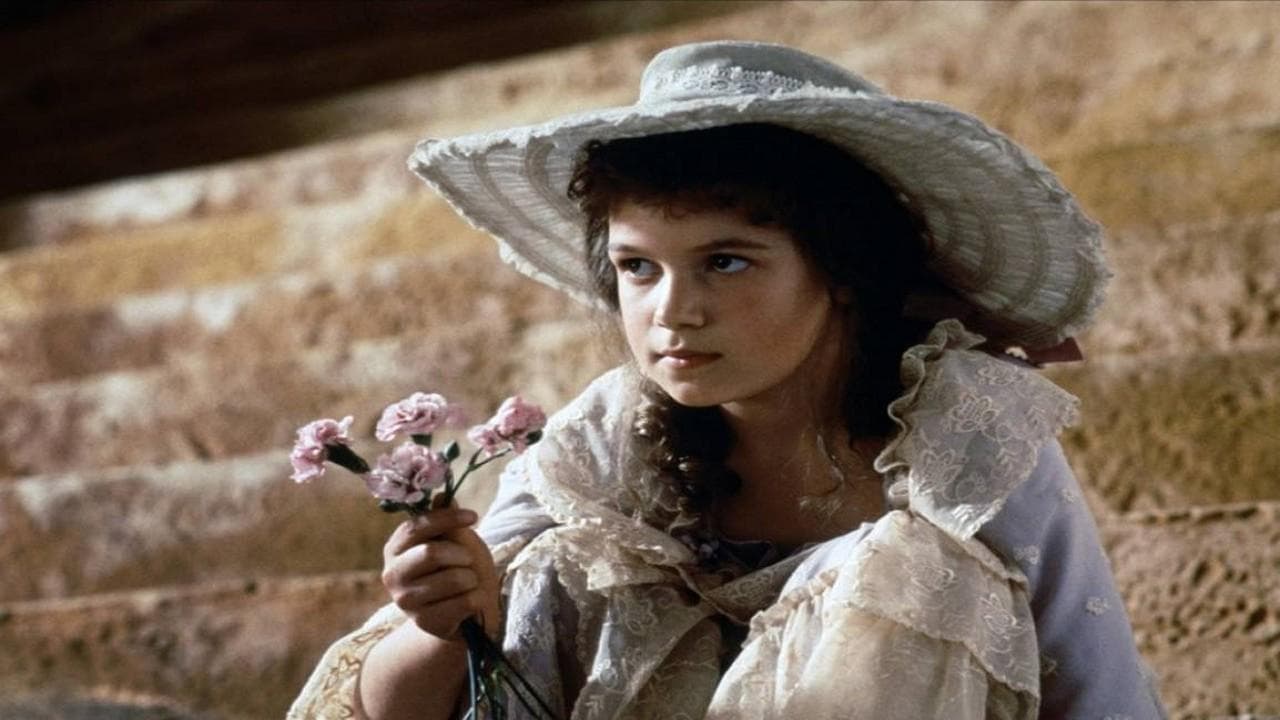
The real miracle of this adaptation is Kate Maberly as Mary. In the current era of "relatable" or "plucky" young heroes, Mary Lennox is a revelation because she is, quite frankly, a brat. She’s sour, cold, and profoundly lonely. I love that the script, penned by Caroline Thompson (who also wrote Edward Scissorhands and The Nightmare Before Christmas), doesn't rush to make her likable.
Her transformation isn't sparked by a magical epiphany, but by the mundane reality of fresh air and manual labor. Watching her interact with Maggie Smith’s Mrs. Medlock is a delight of restrained hostility. Maggie Smith plays the housekeeper not as a cartoon villain, but as a woman who has been suffocated by the grief of the house for ten years. She’s "High Performance Starch" in human form.
Then there’s the introduction of Colin Craven, played by Heydon Prowse. The scenes between him and Mary are sharp and unsentimental. They are two neglected, wealthy orphans weaponizing their traumas against each other until they eventually decide to grow up instead. Andrew Knott rounds out the trio as Dickon, providing the necessary earthy groundedness that keeps the film from floating off into pure melodrama. Interestingly, the film features Irène Jacob in a dual role as both Mary’s mother and her deceased aunt, Lilias—a subtle, haunting choice that emphasizes the ghosts that haunt the estate without ever needing to show a literal spirit.
The DVD Era and the "Small" Epic
Looking back, The Secret Garden occupies a specific space in the 90s home video boom. This was a "prestige" family film that found a second, much longer life on DVD. I recall the special features on the early discs highlighting the production design, showing how they built the massive, gloomy sets of Misselthwaite Manor. It was a time when studios like Warner Bros. and American Zoetrope (Francis Ford Coppola’s outfit) were willing to bet $18 million on a somber, psychological drama for kids.
The film handles the "fantasy" aspect with incredible restraint. The "magic" the children talk about isn't spells or potions; it’s the sheer, improbable force of nature and the psychological recovery of a broken family. It’s a "small" epic. It doesn’t need a world-ending threat because, for a ten-year-old boy who thinks he’s dying of a hunchback, standing up for the first time is as high-stakes as any superhero finale.
The score by Zbigniew Preisner also deserves a nod. It’s melancholic and haunting, avoiding the sugary orchestral swells that usually plague "Family" genre films. It sounds like wind whistling through a locked gate, which is exactly what the movie feels like.
The Secret Garden is a reminder that children’s stories don't have to be loud to be powerful. It’s a moody, beautiful piece of filmmaking that respects the interior lives of its characters, regardless of their age. Whether you’re a fan of Roger Deakins' legendary lighting or you just want to see a very grumpy British girl find a reason to enjoy a piece of bread and butter, this is an essential watch. It’s a film that understands that for something to truly bloom, it has to spend a little time in the dark.
Keep Exploring...
-

The Muppet Christmas Carol
1992
-
A Little Princess
1995
-

Miracle on 34th Street
1994
-
The Santa Clause
1994
-

Where the Wild Things Are
2009
-
Sliding Doors
1998
-

DuckTales: The Movie - Treasure of the Lost Lamp
1990
-
Edward Scissorhands
1990
-
The Rescuers Down Under
1990
-
A River Runs Through It
1992
-
The Mighty Ducks
1992
-
The Nightmare Before Christmas
1993
-
The Hudsucker Proxy
1994
-
Dead Man
1995
-
James and the Giant Peach
1996
-
The Craft
1996
-
The Odd Life of Timothy Green
2012
-

All Dogs Go to Heaven
1989
-
The Witches
1990
-

Heavenly Creatures
1994