The Wrong Trousers
"Beady eyes. Plasticine soul. The ultimate heist."
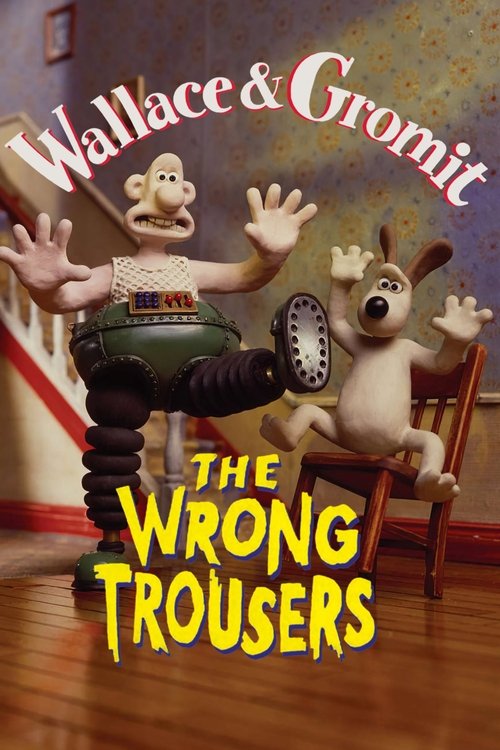
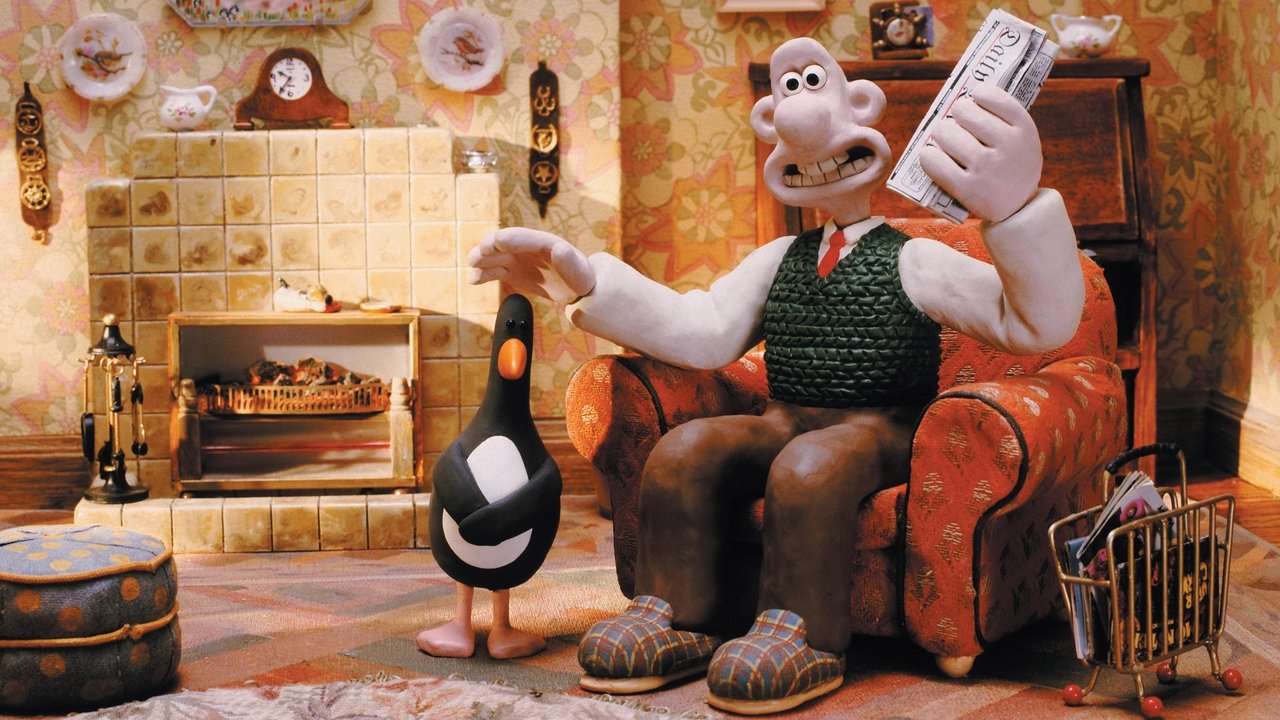
Forget Hannibal Lecter. Forget the Xenomorph. If you want to see true, unadulterated cinematic evil, you need to look into the unblinking, bead-like eyes of a penguin wearing a red rubber glove on his head. I’m serious. There is a specific kind of chill that only Feathers McGraw can provide—a villain who doesn't need a monologue to tell you he’s going to ruin your life; he just needs a bottle of ink and a room for rent.
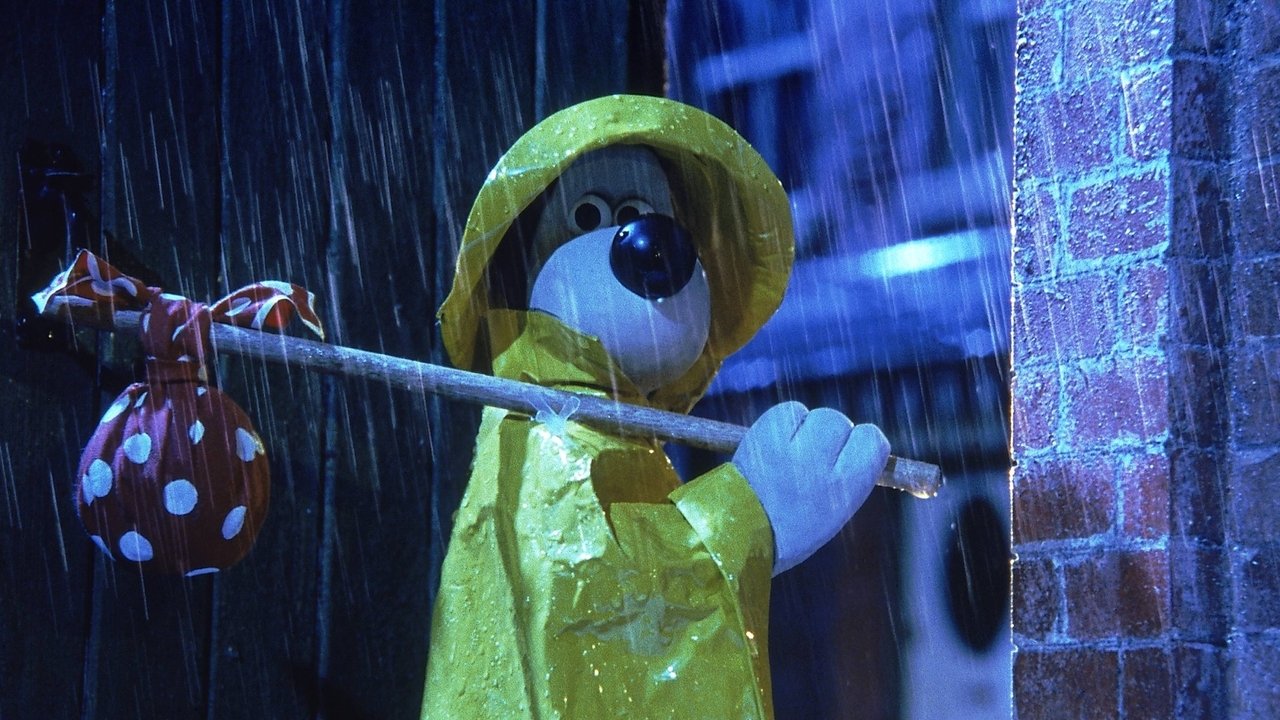
I first saw The Wrong Trousers as a kid, but rewatching it recently on a grainy old DVD while my cat sat on the remote and accidentally muted the TV for three minutes, I realized it didn’t even matter. This is a film that speaks the universal language of "the visual gag," and it speaks it fluently. In an era where we are drowning in billion-dollar CGI spectacles that often feel like watching a screensaver, Nick Park’s 30-minute masterpiece is a masterclass in what you can achieve with some wire, a lot of clay, and a truly ridiculous amount of patience.
The Great Analog Defiance
Released in 1993, the same year Jurassic Park was blowing minds with digital dinosaurs, The Wrong Trousers felt like a charmingly stubborn holdout. While the rest of the industry was rushing toward the "perfect" smoothness of the computer, Nick Park and the crew at Aardman were leaning into the thumbprints. If you look closely at Wallace’s sweater or Gromit’s ears, you can see the literal marks of the creators.
This isn't just "indie charm"; it’s a tactile connection to the art. The film was produced on a budget of roughly $832,000—pocket change for a Disney feature, but a king's ransom for a short film about a man and his dog. That money bought them time, and in stop-motion, time is the only thing that matters. They shot at a rate of roughly two seconds of footage per day. The sheer logistical nightmare of the climactic train chase is enough to make a modern VFX artist weep.
The Silent Power of a Dog’s Eyebrows
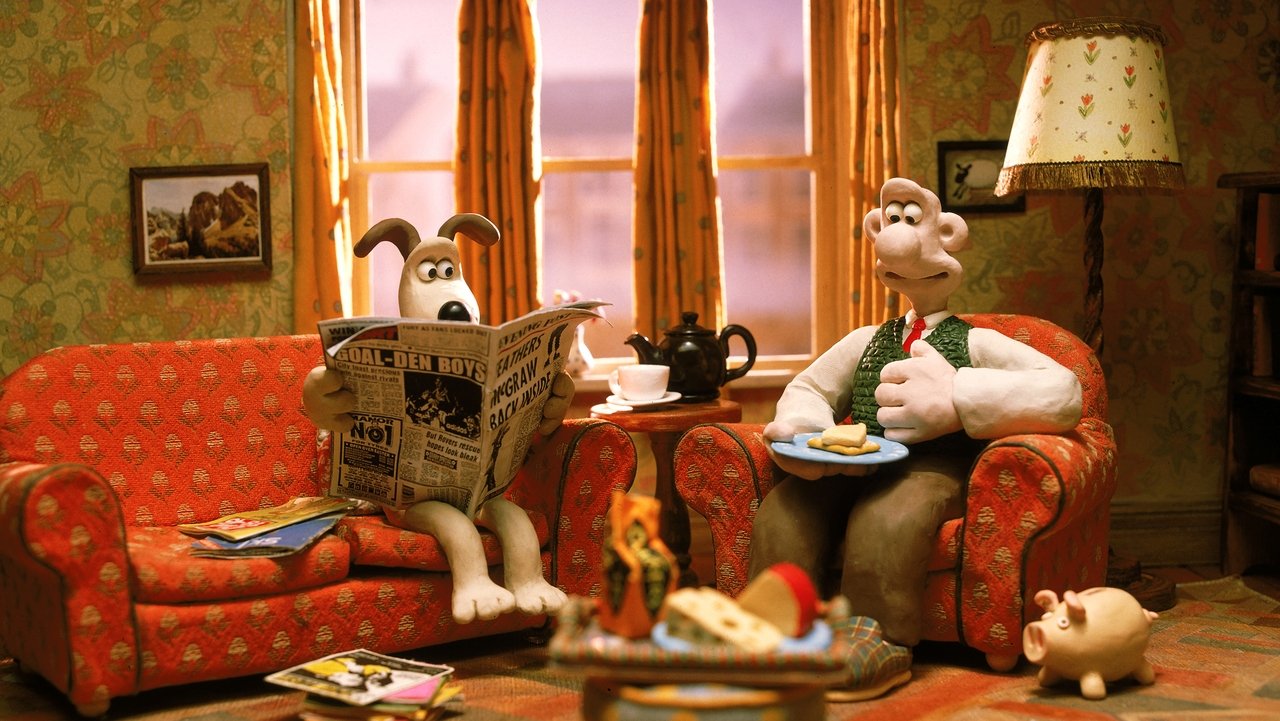
The comedy here works because it trusts the audience to pay attention. Gromit is arguably one of the greatest silent actors in the history of the medium. He doesn’t have a mouth. He doesn’t have a voice. He has eyebrows and a pair of expressive, weary eyes that tell us everything we need to know about the burden of being the only intelligent being in a house shared with a middle-aged man who thinks "Techno Trousers" are a viable solution to walking the dog.
Peter Sallis provides the perfect vocal counterpoint as Wallace. His voice is the sound of a warm cup of tea and a slightly damp afternoon in Northern England—utterly oblivious, relentlessly optimistic, and dangerously obsessed with cheese. The chemistry between a plasticine dog and a voice-only actor is better than most live-action rom-com pairings I’ve seen lately. Wallace is the human embodiment of "bless his heart," and we love him for it.
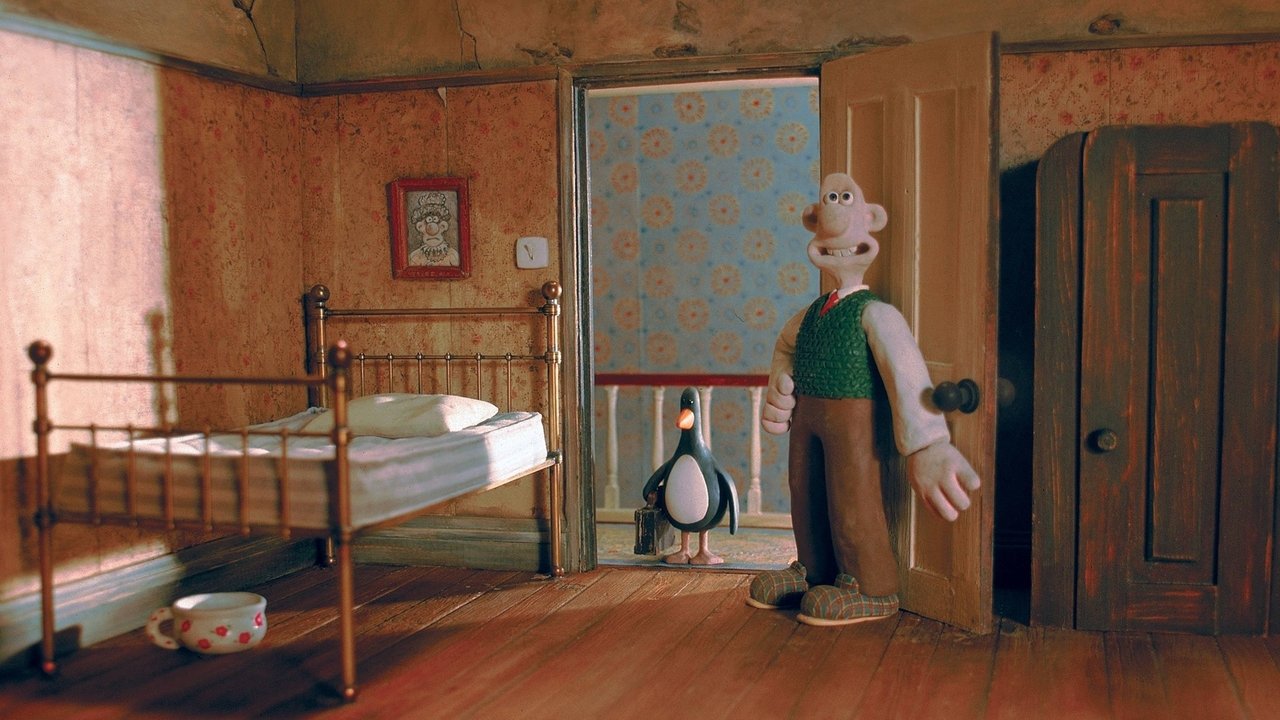
The humor is layered with British deadpan. When the penguin moves into Gromit’s bedroom and starts playing loud organ music at 2:00 AM, the joke isn't just that a penguin is a bad roommate; it’s the way Gromit lies in bed, looking at the ceiling with the quiet resignation of a man who has finally reached his breaking point. It’s relatable, domestic, and then—suddenly—it’s a Hitchcockian thriller.
Hitchcock With a Side of Wensleydale
The second half of the film shifts gears into a heist movie that puts Mission: Impossible to shame. The way Park frames the penguin—often in silhouette or peering from behind corners—is a direct homage to film noir and the suspense of Alfred Hitchcock. The "villain reveals his true face" moment is actually more terrifying than most modern horror jumpscares.
But then we get to the train chase. I will go to my grave defending this as one of the top five action sequences in cinema history. As Wallace and Gromit pursue the penguin on a toy train set that seems to defy the laws of spatial geometry, the tension is real. When Gromit has to lay down new tracks at lightning speed while the train is already moving over them, the pacing is so perfect it practically gives you palpitations. It’s funny, yes, but it’s also a genuine thrill. It’s a sequence that perfectly balances the absurdity of the premise with the high-stakes execution of a blockbuster.
A Hand-Crafted Legacy
Looking back from our current era of AI-generated art and "clean" digital finishes, The Wrong Trousers feels more vital than ever. It’s a reminder that comedy is about rhythm and that action is about clarity. Every frame of this film was touched by a human hand, and you can feel that soul in every second.
It’s the kind of film that makes me want to go out and buy a block of clay, only to realize within five minutes that I have neither the talent nor the sanity to move a plasticine penguin 1/24th of an inch twenty-four times for one second of film. We are lucky that Nick Park had both. Whether you’re five or ninety-five, the sight of a dog desperately trying to outmaneuver a criminal mastermind bird is the kind of pure, distilled joy that cinema was invented for. If you don’t like this movie, I honestly don’t know if we can be friends.
Ultimately, The Wrong Trousers is as close to a "perfect" film as you can get. It is thirty minutes of lean, efficient storytelling that manages to be a domestic comedy, a silent film tribute, and a high-octane thriller all at once. It’s a testament to the power of independent vision and the magic of making something by hand. It’s the best thing to come out of the 90s that isn't wearing flannel, and it still packs a punch today. Get some crackers, find some Wensleydale, and enjoy the ride.
Keep Exploring...
-
A Grand Day Out
1990
-
A Close Shave
1996
-

Wallace & Gromit: The Curse of the Were-Rabbit
2005
-
Chicken Run
2000
-
Porco Rosso
1992
-
A Goofy Movie
1995
-
Toy Story
1995
-
Geri's Game
1997
-
Hercules
1997
-

A Bug's Life
1998
-

Toy Story 2
1999
-

For the Birds
2000
-

The Emperor's New Groove
2000
-
The Road to El Dorado
2000
-
Monsters, Inc.
2001
-
Shrek
2001
-

Ice Age
2002
-

Lilo & Stitch
2002
-
The Triplets of Belleville
2003
-
Shrek 2
2004