This Boy's Life
"Growing up is a fight. Surviving is a victory."
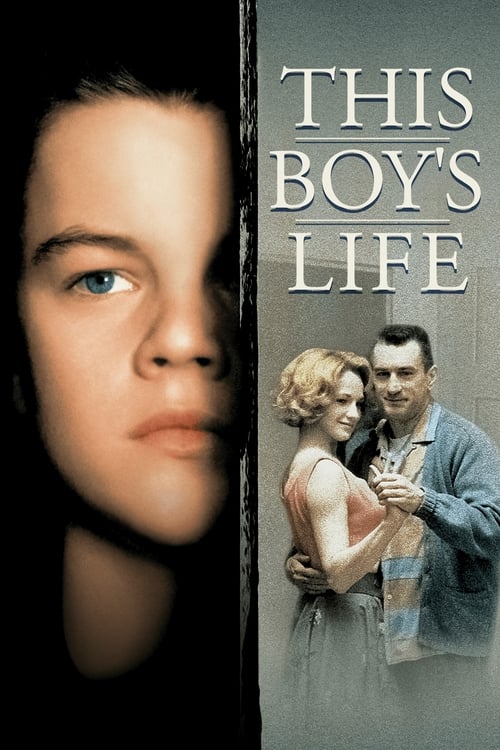
Imagine being a teenager and having to scream back at a prime-era Robert De Niro. In 1993, a kid from Los Angeles with a high-pitched voice and a bowl cut did exactly that, and in the process, he didn't just survive the scene—he ignited a career. I watched This Boy's Life for the first time on a scratched DVD I bought for three dollars at a garage sale while eating a bowl of cold spaghetti, and the starchiness of the pasta felt weirdly appropriate for the gray, damp, and stifling atmosphere of 1950s Washington state.

While most people look back at 1993 and think of the T-Rex in Jurassic Park or the heartbreak of Schindler’s List, this quiet, bruising memoir based on Tobias Wolff’s life slipped through the cracks. It earned a measly $4 million at the box office, disappearing into the "serious drama" ether before it could find an audience. Looking back, it’s a crime that it isn’t more widely discussed, not just as a foundational text for one of our greatest living actors, but as a chillingly accurate look at how domestic toxicity hides behind a veneer of "traditional values."
The Audition That Changed Cinema
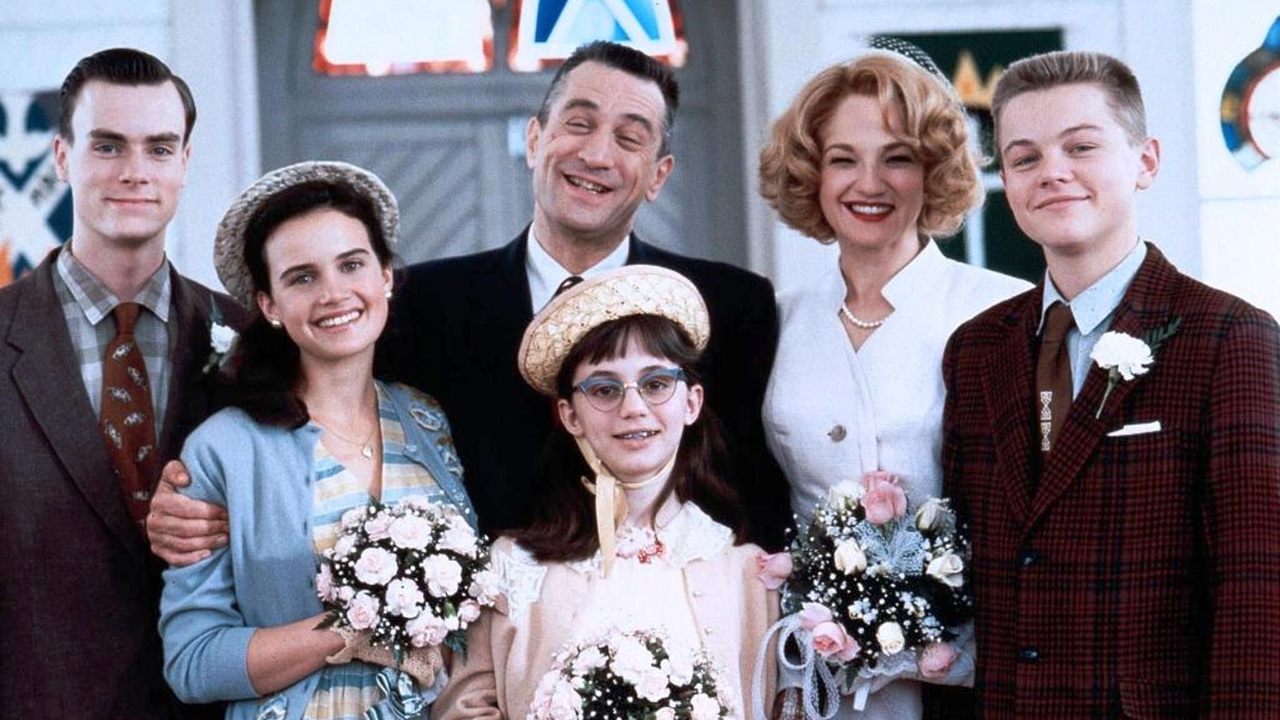
The story follows young Toby (Leonardo DiCaprio) and his mother, Caroline (Ellen Barkin), as they drift across the country fleeing Caroline’s latest bad boyfriend. They land in Seattle, where she meets Dwight Hansen (Robert De Niro), a man who seems like the ultimate 1950s fix-it-up guy. He’s polite, he’s stable, and he promises to provide the "discipline" Toby clearly lacks.
The brilliance of the film lies in how quickly that discipline curdles into a weird, petty authoritarianism. This was Leonardo DiCaprio's first major lead role, and the behind-the-scenes stories are legendary. Apparently, De Niro himself hand-picked Leo from over 400 young actors. During the audition, Leo reportedly stood up and screamed in De Niro’s face during a confrontational scene, a move that stunned the room but convinced the veteran that the kid had the necessary "it" factor. Watching them go toe-to-toe now, it’s clear Leo wasn't just acting; he was staking his claim to the screen. He brings a raw, vibrating energy to Toby that makes you forget you’re watching a future Oscar winner and makes you believe you’re watching a kid who is genuinely afraid his life is being swallowed by a monster.
The Banality of the Neighborhood Bully
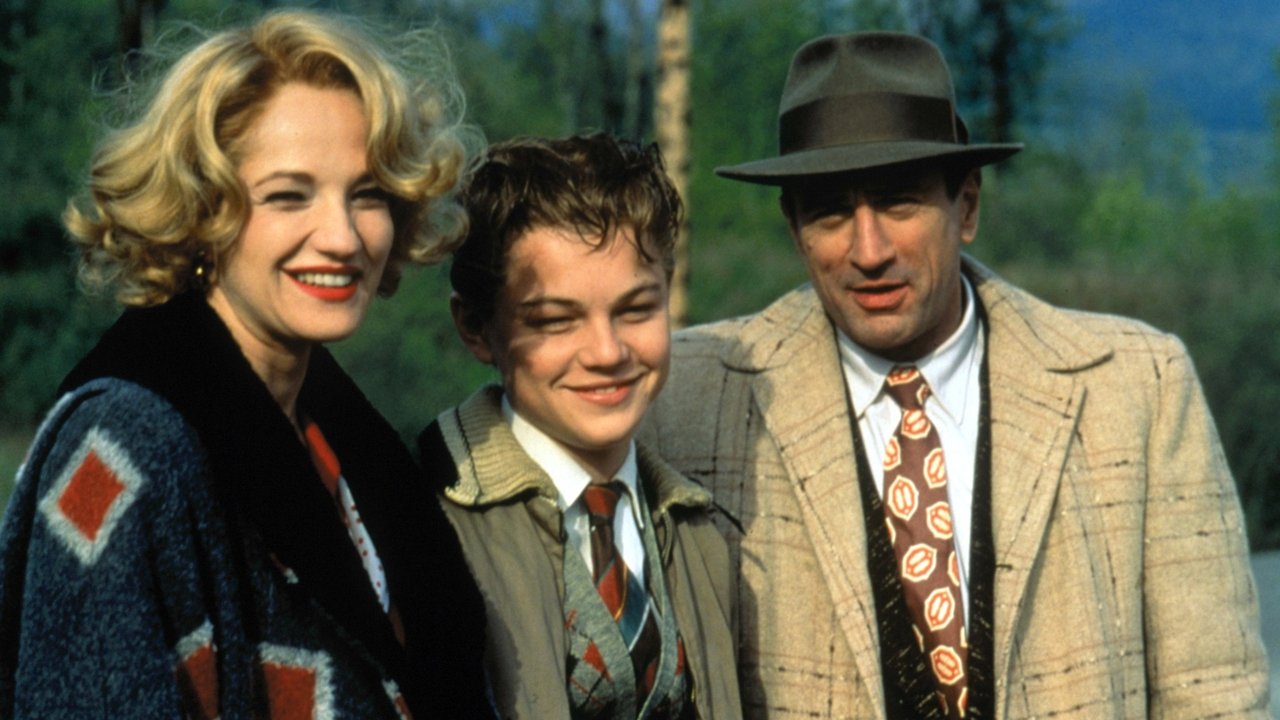
We often talk about Robert De Niro in terms of his "tough guy" roles—the gangsters, the boxers, the hitmen. But Dwight Hansen is arguably one of his most terrifying creations because he is so deeply pathetic. He isn't a criminal mastermind; he’s a small-town mechanic who is obsessed with appearing "manly" and powerful. He bullies Toby over the way he shells chestnuts; he forces him into a boxing match he can’t win; he treats his mother like a trophy that needs polishing.
De Niro’s Dwight is basically a human cigarette butt: stinky, discarded, and capable of starting a house fire. He uses the social norms of the 1950s—the idea that a man’s home is his castle and "discipline" is a virtue—as a shield for what is essentially psychopathic behavior. Ellen Barkin is equally phenomenal here, playing a woman who is trying to convince herself she’s making a "good choice" for her son while slowly realizing she’s trapped them both in a cage. Her performance captures that specific, agonizing 50s desperation where the exit signs were few and far between.
A Relic of the Early 90s Drama
Director Michael Caton-Jones captures the Pacific Northwest in a way that feels heavy. You can almost smell the wet wool and the stale tobacco. This was a time when mid-budget dramas actually got made by major studios, before the industry shifted entirely toward franchises. It’s a "Modern Cinema" era gem that relies entirely on performance and script rather than visual gimmicks.
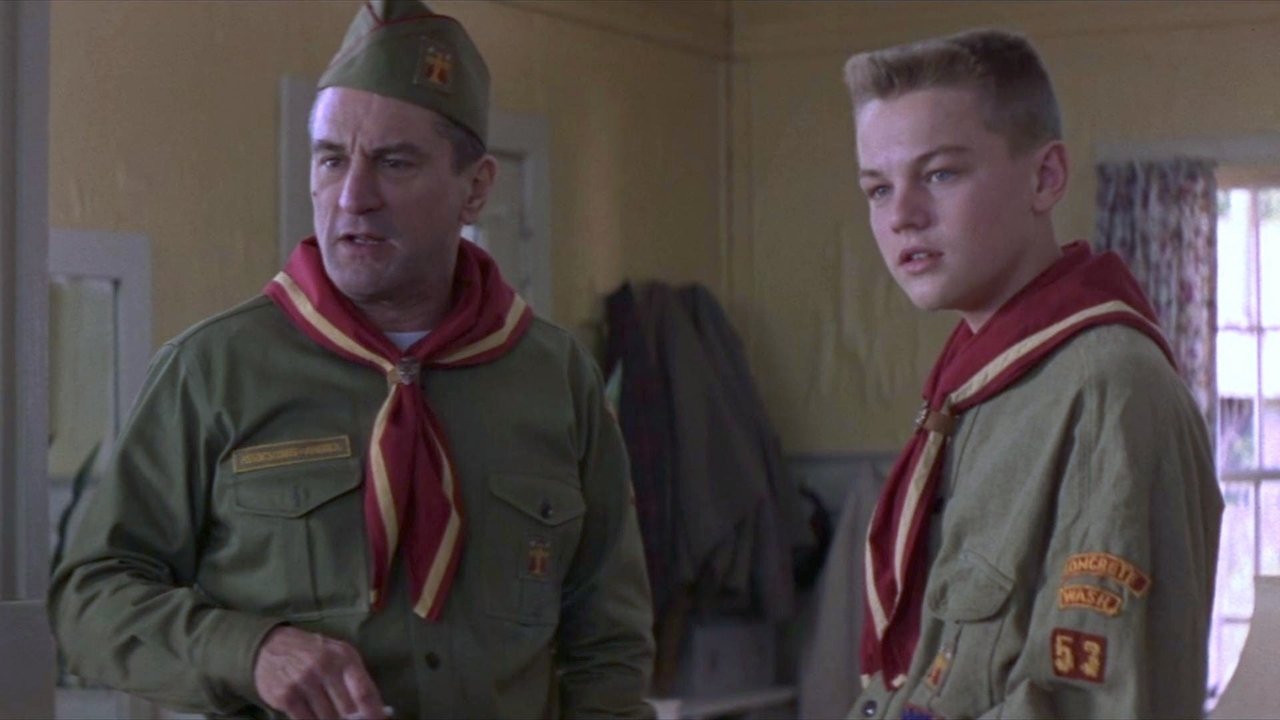
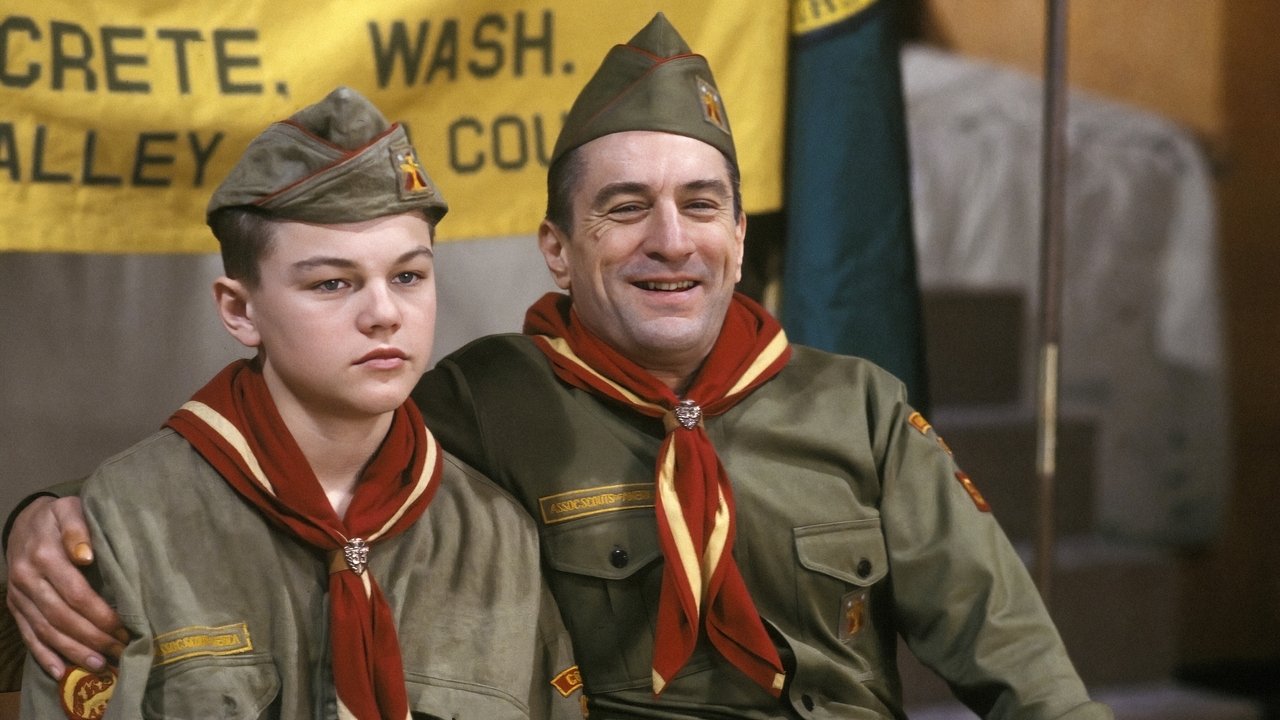
It’s fascinating to see a young Chris Cooper pop up as a neighbor, or a very young Eliza Dushku as one of Dwight’s children. Even Jonah Blechman, playing the rebellious and queer-coded Arthur Gayle, gives a performance that feels years ahead of its time for a 1993 release. The film doesn’t offer easy answers or a magical Hollywood ending; it acknowledges that the scars Toby carries from Concrete, Washington, are the kind that never quite fade.
The fact that this movie failed financially is likely down to its lack of a "hook" beyond the acting. It’s a grim sit, but an essential one. It captures the moment where De Niro passed the torch to the next generation. Funnily enough, De Niro was so impressed by Leo that he actually called Martin Scorsese and told him, "You really need to work with this kid someday." The rest, as they say, is history.
This Boy's Life is a masterclass in tension that finds its horror in a mustard jar and a pair of boxing gloves. It’s an essential watch for anyone who wants to see the exact moment a star was born, or for anyone who appreciates a drama that doesn't pull its punches. It’s heavy, it’s gray, and it’s brilliant. If you can find it, watch it—just maybe skip the cold spaghetti.
Keep Exploring...
-

Mary Shelley's Frankenstein
1994
-
The Client
1994
-

Everybody's Fine
2009
-
The Quick and the Dead
1995
-

Awakenings
1990
-

Cape Fear
1991
-
A Bronx Tale
1993
-

Casino
1995
-
The Score
2001
-

Days of Thunder
1990
-
Flatliners
1990
-

Jacob's Ladder
1990
-

Miller's Crossing
1990
-
Backdraft
1991
-
Barton Fink
1991
-

Double Impact
1991
-

The Doors
1991
-
The Fisher King
1991
-
A River Runs Through It
1992
-

Candyman
1992