Three Colors: Blue
"Total freedom is its own kind of prison."
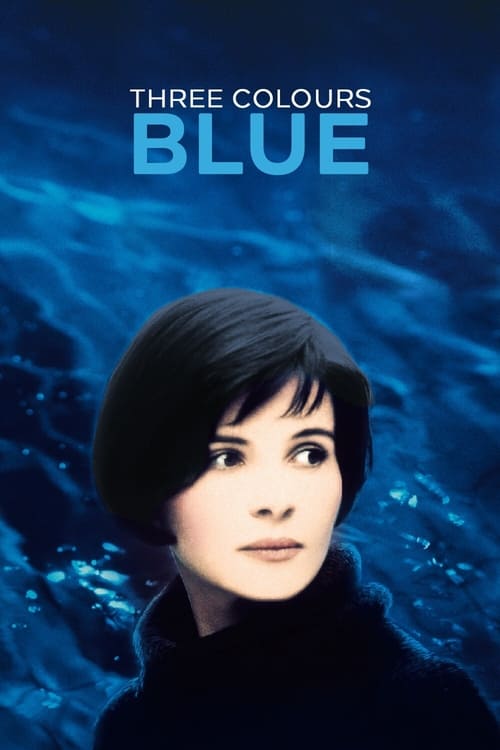
The first time I saw Three Colors: Blue, I was sitting in a dorm room with a bowl of lukewarm ramen, watching a grainy VHS copy that someone had recorded off a late-night cable broadcast. Even through the tracking lines and the low-fi hum of a bulky CRT television, the film felt like a physical weight pressing against my chest. It’s a movie that demands you sit still, which is a tall order for a generation raised on the rapid-fire editing of MTV, but Krzysztof Kieślowski knew exactly how to make silence feel louder than an explosion.
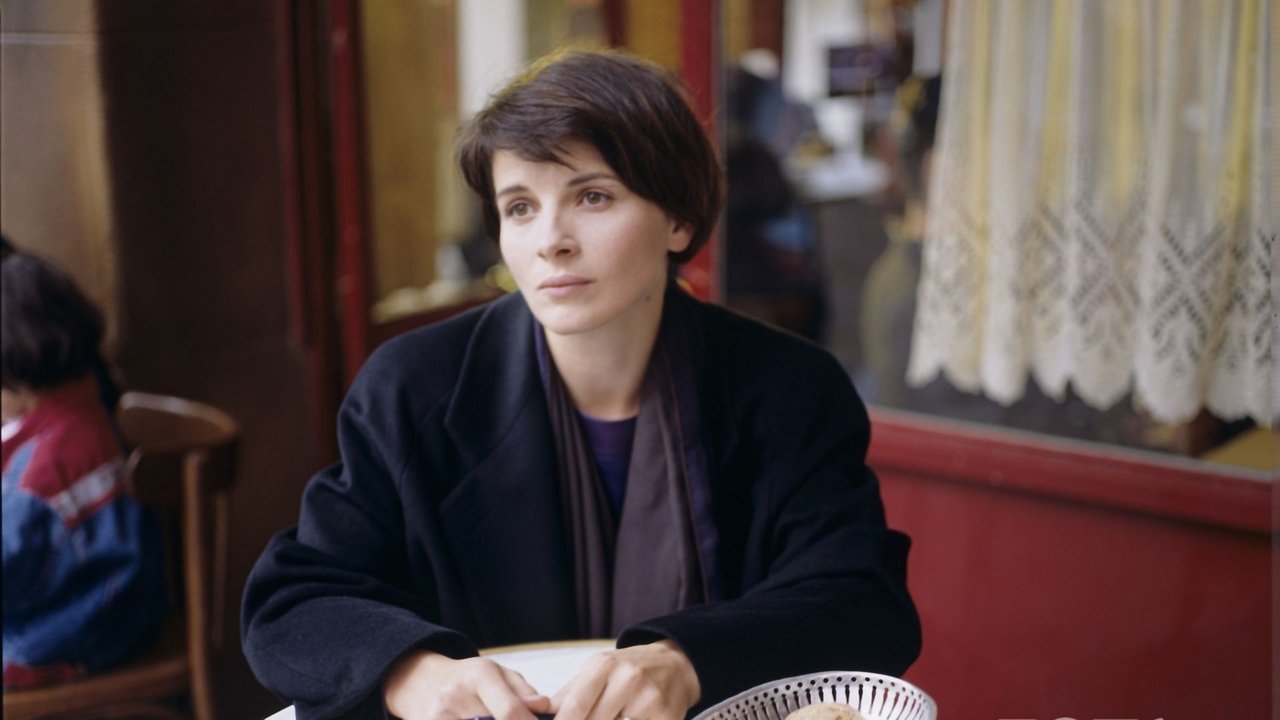
The Luxury of Loneliness
Released in 1993, Blue arrived right as the "indie explosion" was making household names out of guys like Tarantino. But while the Americans were busy with snappy dialogue and trunk shots, the Europeans were doing something much more internal. This was the start of the Three Colors trilogy—Blue, White, and Red—each based on the colors of the French flag and the revolutionary ideals they represent. Blue is "liberty," but Kieślowski isn't interested in political speeches. He’s interested in the terrifying liberty of a woman who has lost everything and decides that the only way to survive is to care about absolutely nothing.
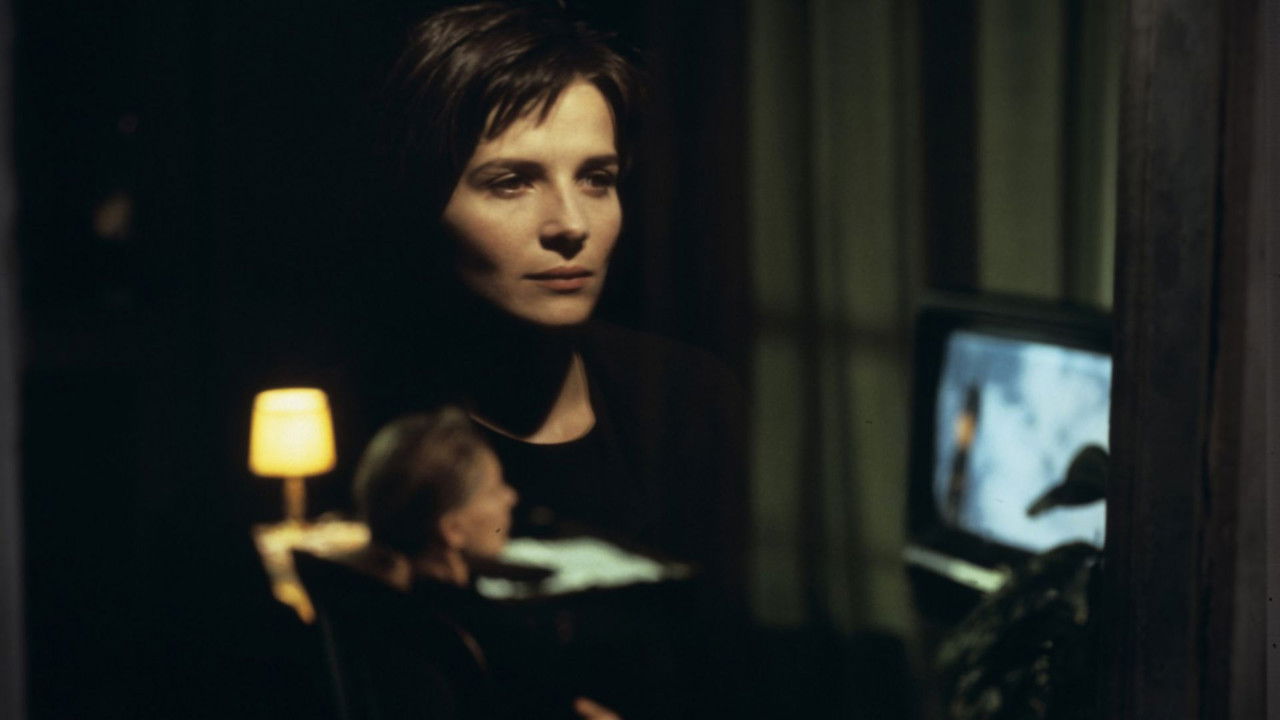
The film opens with a car crash. Julie (Juliette Binoche) survives; her world-famous composer husband and young daughter do not. What follows isn't a typical "grief movie" where people scream at the sky and throw plates. Instead, Julie attempts a radical social experiment: she tries to delete her past. She sells her house, destroys her husband’s unfinished manuscript, and moves into a nondescript apartment in Paris where nobody knows her. Julie’s attempt to live a life of nothingness is basically extreme minimalism for the emotionally traumatized. She wants a life without memories, without property, and most importantly, without human connections. But as the film shows with agonizing beauty, the world won’t let her go that easily.
Turning Down Dinosaurs
You can’t talk about this movie without talking about Juliette Binoche. In 1993, she famously turned down a role in Steven Spielberg's Jurassic Park to do this instead. While I would have loved to see her outrun a T-Rex, her work here is a reminder of why she’s an all-time great. She carries the film almost entirely through her face. There are long stretches where she doesn't speak, yet you can practically see the gears of her grief grinding.
One of the most famous moments in 90s cinema is a simple close-up of a sugar cube absorbing coffee. Julie holds it over her cup, waiting for the brown liquid to climb to the top before she drops it. Apparently, Kieślowski was so obsessed with the timing of this shot that he searched for a brand of sugar with the exact right absorption rate. It’s a tiny detail, but it perfectly captures the film’s vibe: a woman so detached from life that she has nothing to do but watch sugar dissolve. It’s hypnotic, and Binoche sells the emptiness of that moment so well it makes your heart ache.
The Blue Tint of the 90s
Visually, the film is a masterclass in how to use color without being obnoxious about it. Slawomir Idziak, the cinematographer (who later shot Black Hawk Down), drenches the screen in blue—blue crystals, blue swimming pools, blue shadows. It’s not just an aesthetic choice; it feels like the atmosphere Julie is breathing. In the early 90s, this kind of bold, stylized color grading felt revolutionary, moving away from the gritty realism of the 70s and 80s into something more psychological.
Then there’s the music. Since the plot involves Julie’s husband being a composer, the score by Zbigniew Preisner is practically a lead character. At various points, the music literally "attacks" Julie. The screen will fade to black in the middle of a scene, and a deafening orchestral swell will blast through the speakers, representing the music Julie is hearing in her head—the ghost of her husband’s unfinished work. It’s a brilliant way to show that even if she stops speaking to people, she can’t stop the art from haunting her.
A Legacy of Connection
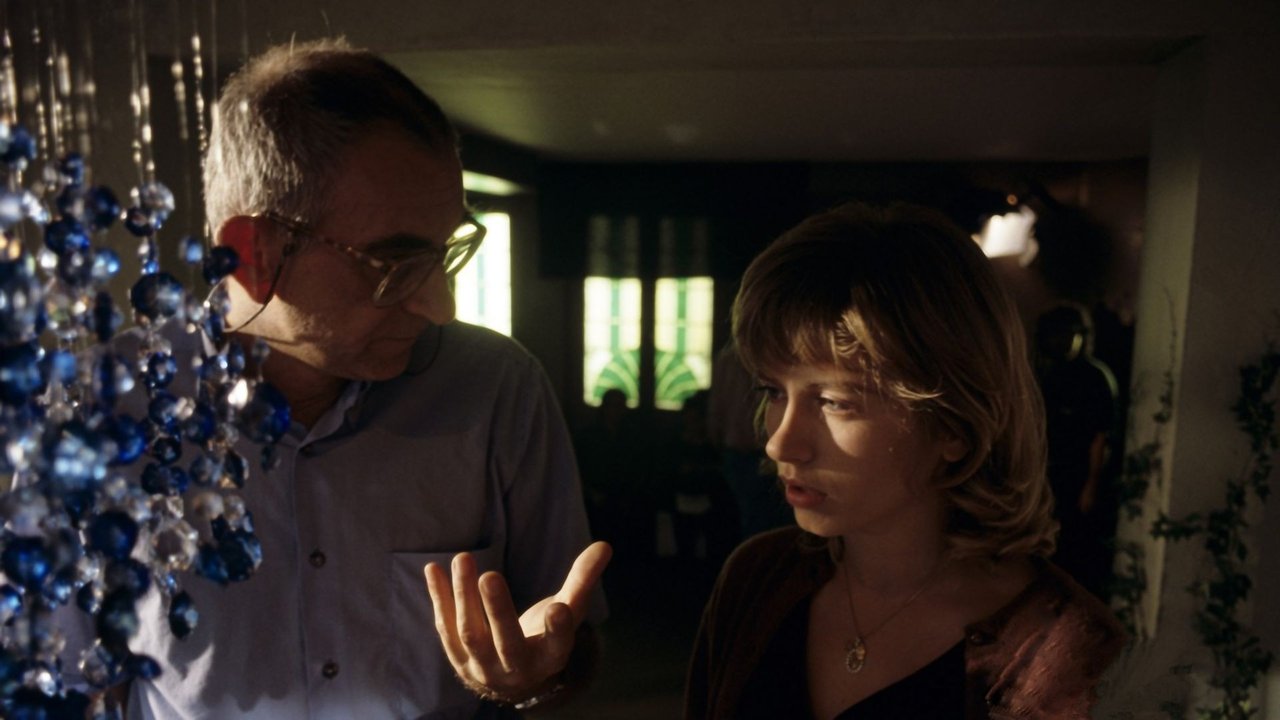
Looking back from the digital age, Blue feels like a relic from a time when we allowed ourselves to sit with uncomfortable ideas. In a world of infinite scrolling and instant distraction, Julie’s attempt to isolate herself seems almost impossible now. She doesn't have a smartphone to hide behind; she only has the physical world, which keeps thrusting people back into her life—like Benoît Régent as Olivier, her husband’s collaborator who is hopelessly in love with her, or Florence Pernel as Sandrine, a woman who carries a secret that forces Julie to finally look outside herself.
This isn't a "feel-good" movie in the traditional sense, but it is deeply cathartic. It’s about the realization that "liberty" isn't the ability to walk away from everyone; it’s the courage to stay connected even when it hurts. If you only know Binoche from her later English-language hits like The English Patient (directed by Anthony Minghella), you owe it to yourself to see her in her prime, navigating the blue-hued streets of Paris.
Three Colors: Blue is the kind of film that stays in the back of your mind like a recurring dream. It’s a quiet, intellectual powerhouse that manages to be deeply emotional without ever feeling manipulative. It’s the peak of 90s art-house cinema—stunningly shot, brilliantly acted, and possessed of a soundtrack that will ring in your ears long after the credits roll. I once tried to replicate that sugar cube scene with a cup of coffee and a stopwatch, and I just ended up with sticky fingers and a cold drink, proving that some things are best left to the professionals. Turn off your phone, dim the lights, and let the blue wash over you.

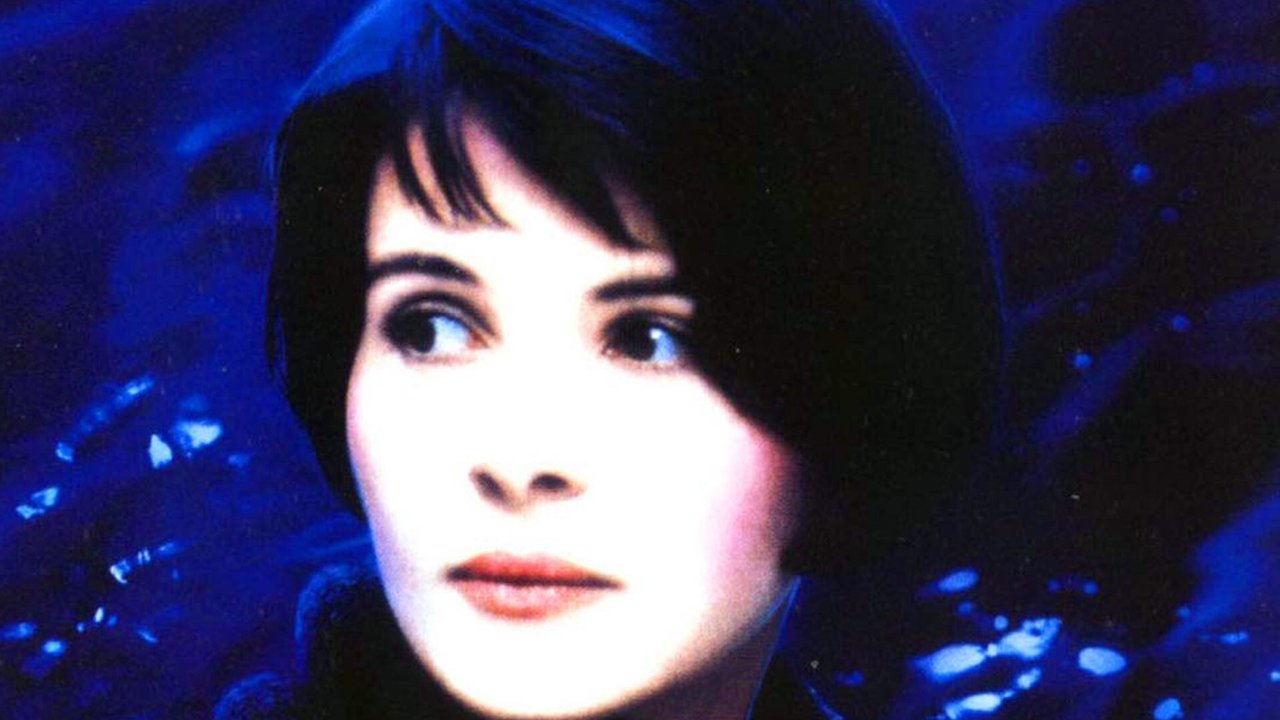
Keep Exploring...
-

Three Colors: Red
1994
-
Three Colors: White
1994
-
The Double Life of Véronique
1991
-
Amour
2012
-
Malcolm X
1992
-
My Cousin Vinny
1992
-

In the Name of the Father
1993
-
A Little Princess
1995
-
Neon Genesis Evangelion: The End of Evangelion
1997
-
Selena
1997
-
The Diving Bell and the Butterfly
2007
-
La Haine
1995
-
October Sky
1999
-
The Straight Story
1999
-
A Dog's Will
2000
-
Millennium Actress
2002
-
Talk to Her
2002
-
Spring, Summer, Fall, Winter... and Spring
2003
-
The Sea Inside
2004
-
Fearless
2006