Tombstone
"Justice is coming, and he’s bringing a dying man’s grace."
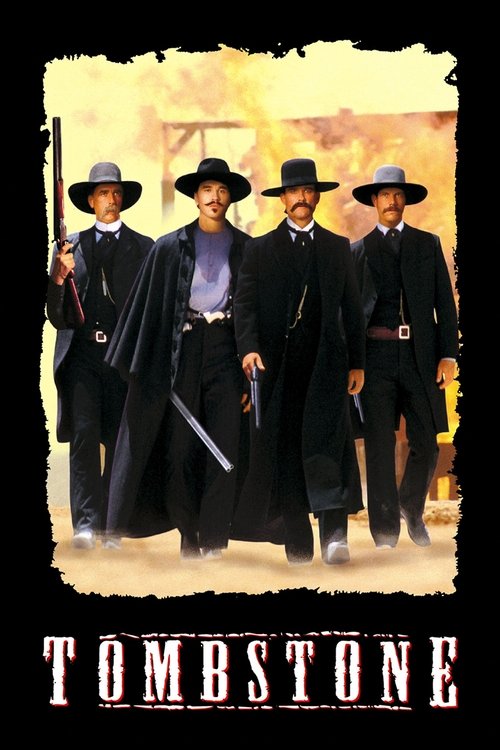
There is a specific kind of 1990s magic that happens when a studio tries to make a traditional genre film just as the technology is about to change forever. Released in 1993, Tombstone arrived in that sweet spot where practical effects, real horses, and massive physical sets still reigned supreme, but the editing was starting to borrow the sharp, aggressive language of modern action cinema. It’s a film that feels both like a dusty relic of the 1940s and a precursor to the stylized gun-fu we’d see later in the decade. I watched this most recently while nursing a mild case of the flu, which, in retrospect, made me feel weirdly bonded to Doc Holliday’s constant sweating, even if my own pallor wasn't nearly as charismatic as Val Kilmer’s.
The Ghost Director and the Mustache Rule
Looking back at the production of Tombstone, it’s a miracle the movie isn't a disjointed mess. The original screenwriter, Kevin Jarre (Glory), was set to direct but was fired early into production because he was falling behind schedule. The studio brought in George P. Cosmatos (Rambo: First Blood Part II), but the open secret in Hollywood—later confirmed by Kurt Russell himself—is that Russell essentially directed the film. He functioned as a "ghost director," cutting scenes to stay on schedule and coaching the massive ensemble.
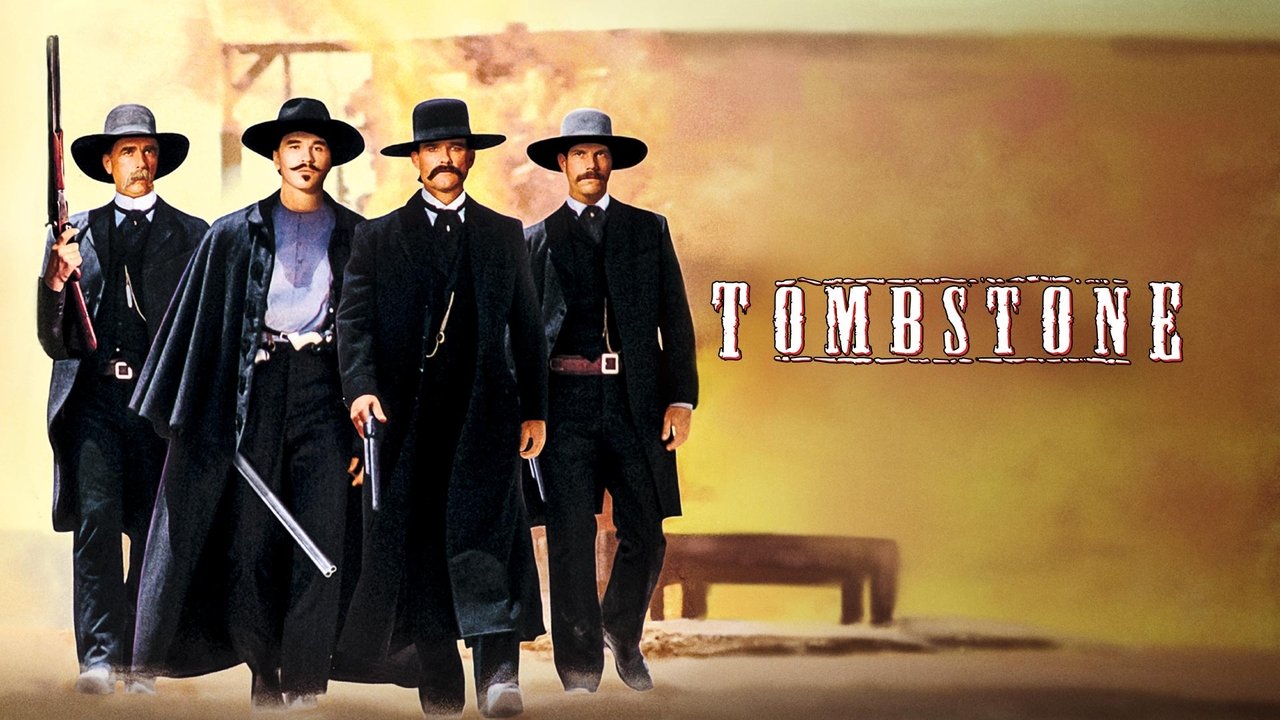
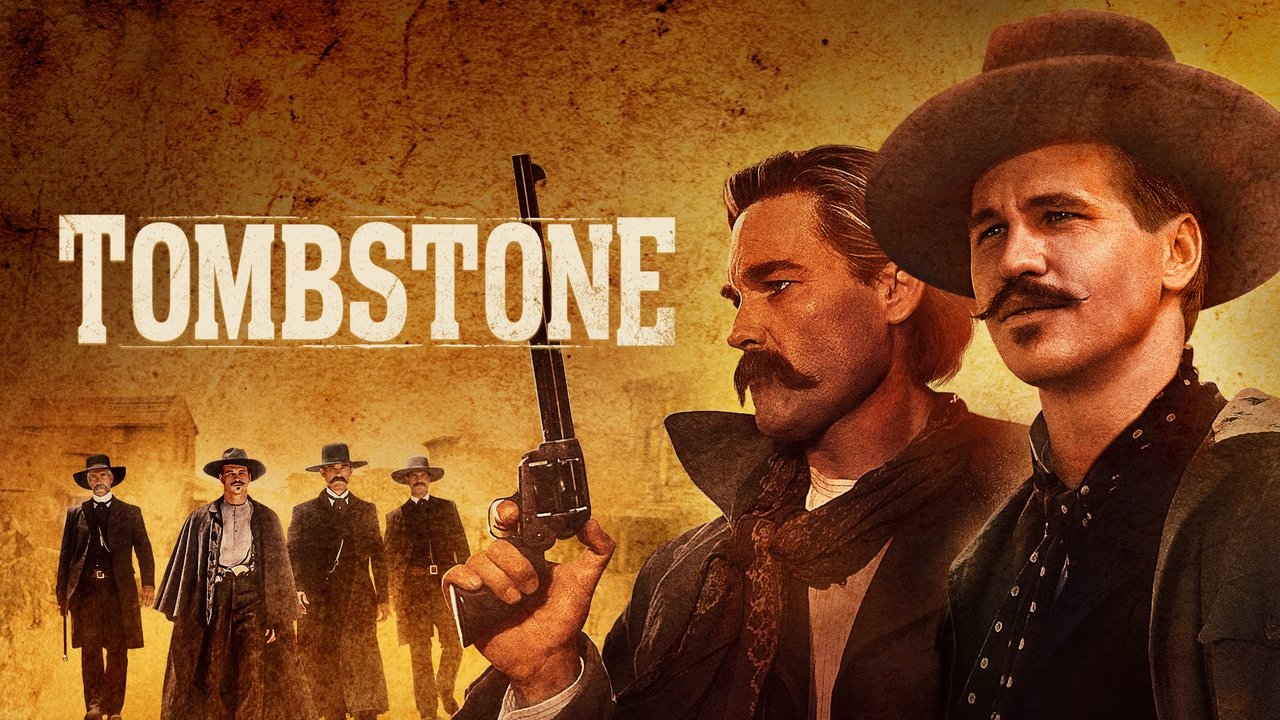
The commitment on set was legendary. Every one of those magnificent, face-covering mustaches you see? Those weren't glued on by the makeup department; they were grown with grit and testosterone. There’s a tangible weight to the film because of this authenticity. When you see the sweat and the dust, it’s not a digital filter; it’s the Arizona heat baking a cast that looked like they hadn't seen a razor in six months.
Kilmer’s Fatalistic Brilliance
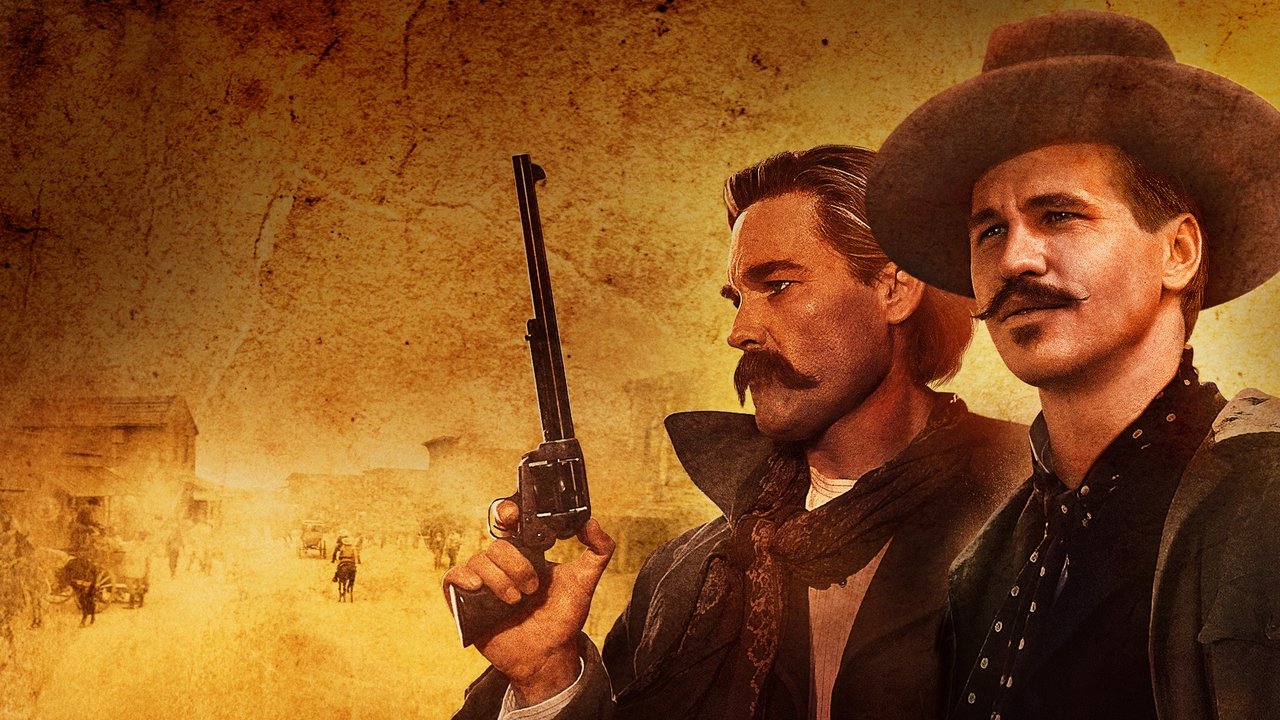
While Kurt Russell provides the granite-jawed foundation as Wyatt Earp, the movie belongs, body and soul, to Val Kilmer. As the tuberculosis-ridden Doc Holliday, Kilmer delivers a performance that shouldn't work. He’s theatrical, southern-fried, and perpetually leaning against things like he’s too tired to exist, yet he is the most dangerous man in any room.
There’s a philosophical depth to Doc that elevates Tombstone above your standard "shoot-em-up." He’s a man who has looked into the abyss of his own mortality and decided that the view is actually quite funny. When he tells Michael Biehn’s Johnny Ringo, "I’m your huckleberry," it isn't just a cool line—though it is arguably the coolest line of the 90s. It’s a statement of existential availability. He has nothing to lose, which makes him the perfect mirror to Ringo’s own nihilistic streak. Michael Biehn is spectacular here, too, playing a villain who feels like a dark poet who just happens to be a faster draw than you.
Chaos and Clarity at the O.K. Corral
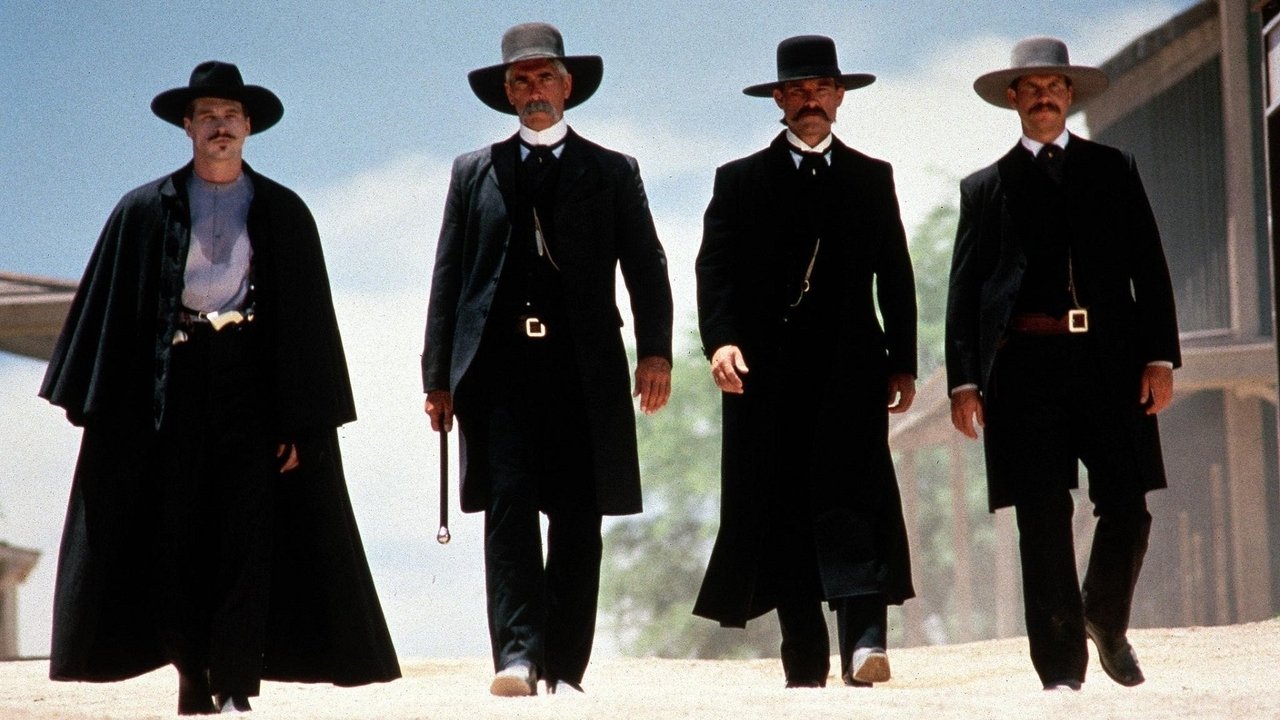
The action choreography in Tombstone deserves a serious reassessment. Before the era of "shaky cam" made every fight look like a blender full of silverware, the Gunfight at the O.K. Corral was staged with remarkable spatial awareness. You always know where the Earp brothers are in relation to the Cowboys. The sound design is punchy—each gunshot feels like a physical blow, a far cry from the thin "pew-pew" sounds of earlier Westerns.
What strikes me now is how the film handles the "Vendetta Ride" sequence. It captures that transition from law-and-order to pure, unadulterated vengeance. The pacing picks up, the score by Bruce Broughton becomes more insistent, and the film embraces its status as a myth-making machine. It’s not just a Western; it’s an action epic that understands that Wyatt Earp is essentially the 19th-century version of Batman.
Stuff You Might Have Missed
The "cult" status of Tombstone grew largely through the DVD era, where fans pored over the historical details that survived the chaotic production. For instance, the lightning storm during the finale wasn't a practical effect or CGI; a real storm rolled into the Arizona location, and the crew kept filming to capture the natural fury.
Also, keep an eye out for a very young Billy Bob Thornton as the card dealer who Wyatt Earp tosses out of the saloon; he ad-libbed almost all of his terrified stammering. And if the narrator’s voice sounds familiar, that’s because it’s Robert Mitchum. He was originally supposed to play Old Man Clanton, but after a fall off a horse, he provided the gravelly narration that bookends the film instead.
There’s also the "cup-spinning" scene. When Michael Biehn shows off his gun-spinning skills, Val Kilmer mocks him by doing the same thing with a small tin cup. Kilmer practiced that for weeks just to prove that Doc’s intellect was just as sharp as his reflexes. It’s that level of actor-led detail that makes the film feel alive.
Tombstone is the rare 90s blockbuster that feels better every time I revisit it. It managed to survive a mid-production collapse, a rival Earp movie from Kevin Costner (which was far more boring), and the shifting tides of Hollywood to become a definitive cultural touchstone. It’s a story about the heavy cost of being a "good man" and the strange, beautiful friendship between a lawman and a gambler. If you haven't watched it in a while, do yourself a favor: grab a drink, ignore your phone, and let Val Kilmer show you how to die with style.
The film serves as a bridge between the old-school Westerns of John Ford and the modern sensibilities of something like John Wick. It understands that legends aren't just born; they are forged in gunsmoke and bad decisions. Even thirty years later, it remains the high-water mark for the genre’s brief but glorious 90s revival. You don't just watch Tombstone; you inhabit its dusty, dangerous world for two hours, and you come out wishing you had the courage—and the facial hair—of the Earp brothers.
Keep Exploring...
-
Death Proof
2007
-
True Romance
1993
-

Legends of the Fall
1994
-
Unforgiven
1992
-
Breakdown
1997
-
Spirit: Stallion of the Cimarron
2002
-
Ip Man
2008
-
Rush
2013
-
Maverick
1994
-
Tremors
1990
-
Point Break
1991
-
The Last of the Mohicans
1992
-

The Crow
1994
-
Desperado
1995
-
From Dusk Till Dawn
1996
-
Blade
1998
-
Dances with Wolves
1990
-
Backdraft
1991
-
Open Range
2003
-

Planet Terror
2007