True Romance
"A candy-colored nightmare of love and lead."
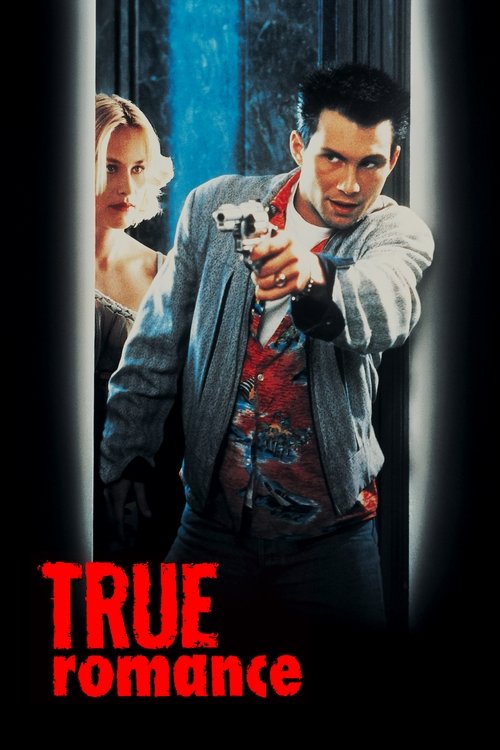
The first time I saw the opening credits of True Romance, I was struck by the strange, tinkling marimbas of Hans Zimmer’s score. It sounds like a lullaby, or perhaps a theme borrowed from a much gentler film like Terrence Malick’s Badlands (1973). But as the purple neon of a Detroit dive bar bleeds onto the screen and we meet Christian Slater’s Clarence Worley, you realize the lullaby is a lie. This isn't a bedtime story; it’s a hyper-violent, cigarette-stained fairy tale written by a guy who had clearly spent too many hours behind a video store counter and directed by a man who knew how to make every frame look like a high-budget perfume commercial.
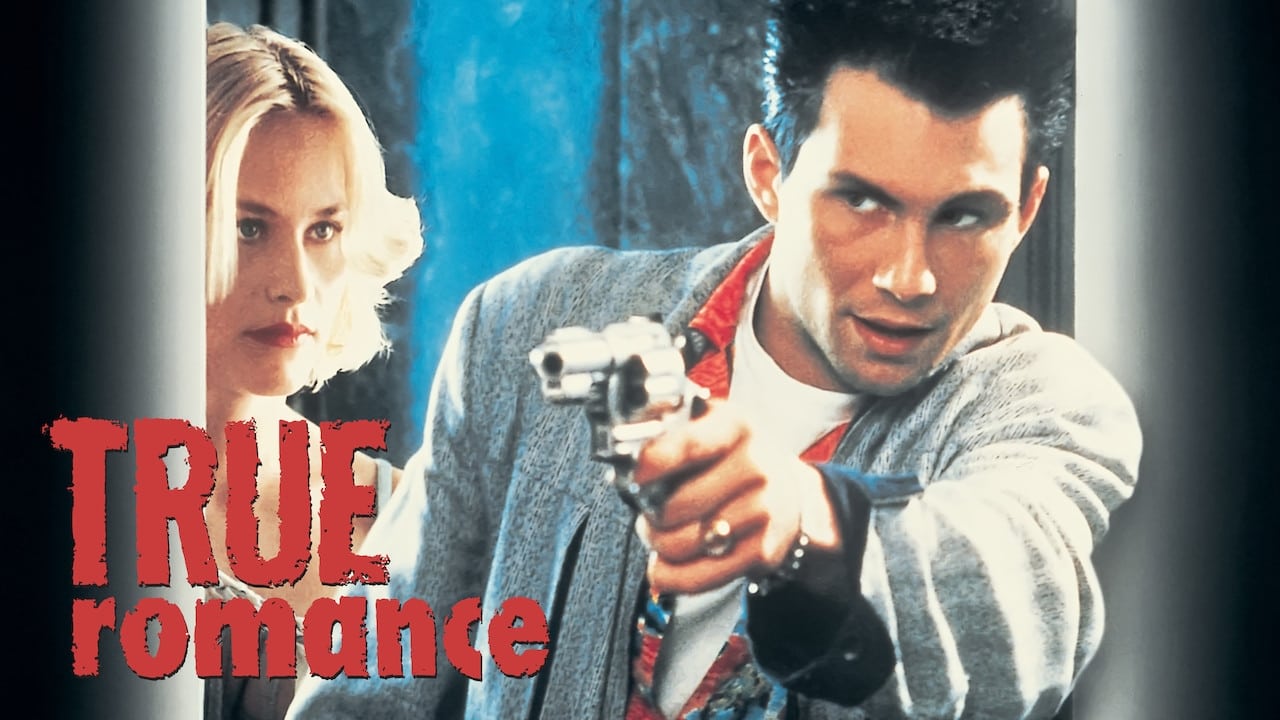
I watched this recently on a flickering CRT TV while eating cold pepperoni pizza that had definitely been sitting out too long, and honestly, the grease on my fingers felt like the perfect accompaniment to the film’s grimy aesthetic. It’s a movie that feels like it should be slightly sticky to the touch.
The Marriage of Grit and Gloss
In 1993, the cinematic world was beginning to feel the tremors of the "Sundance Generation." Quentin Tarantino had just disrupted the system with Reservoir Dogs (1992), but True Romance was a script he sold to fund his career. It landed in the hands of Tony Scott, the man responsible for the slick, muscular bravado of Top Gun (1986). On paper, it’s a bizarre pairing—the indie provocateur meets the blockbuster stylist—but the result is a chemical reaction that shouldn't work yet absolutely combusts.
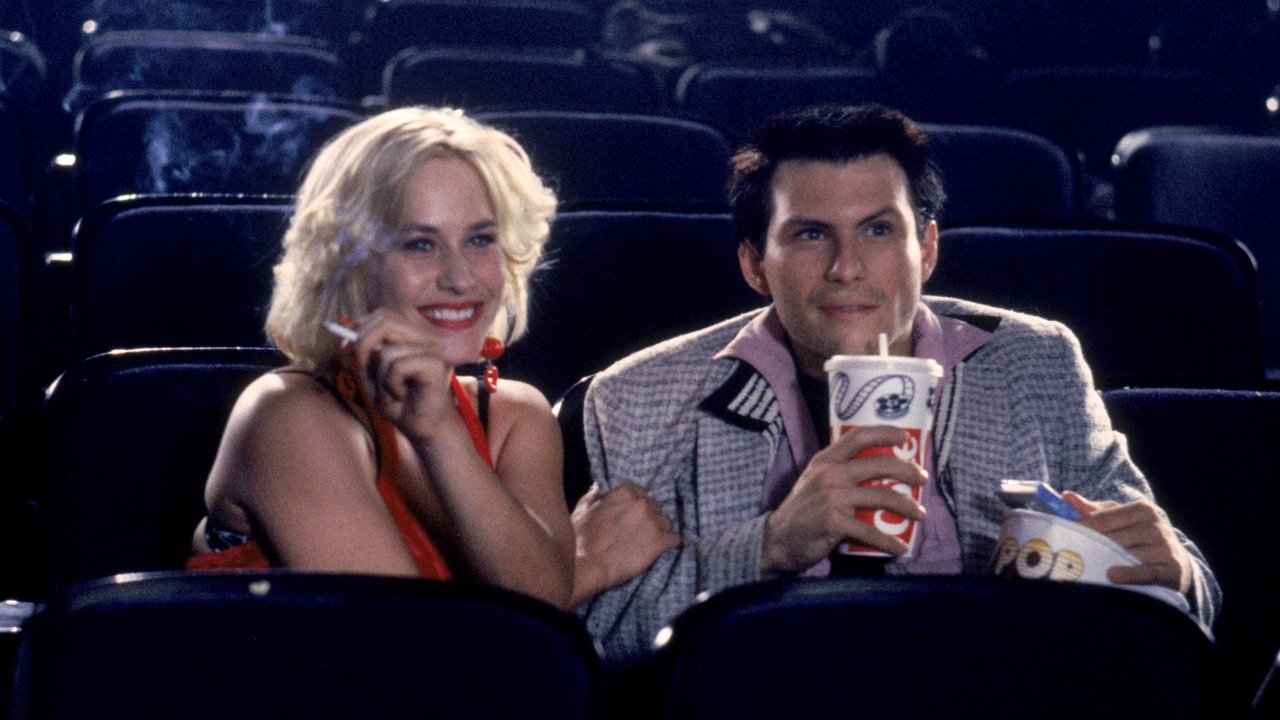
Scott brings a saturated, hazy beauty to the violence. When Clarence and Alabama (Patricia Arquette) fall in love over a triple feature of Sonny Chiba movies, the light hits them in a way that makes their impulsive marriage feel like the only logical choice in a chaotic world. Christian Slater spent his entire career trying to be Jack Nicholson, but this is the only movie where he actually pulls it off, channeling a cool, jittery energy that anchors the film. Patricia Arquette, meanwhile, is the soul of the movie. She isn't just a "hooker with a gold heart"; she’s a resilient, blood-spattered warrior who earns every second of her happy ending.
The Greatest Bench in Cinema History
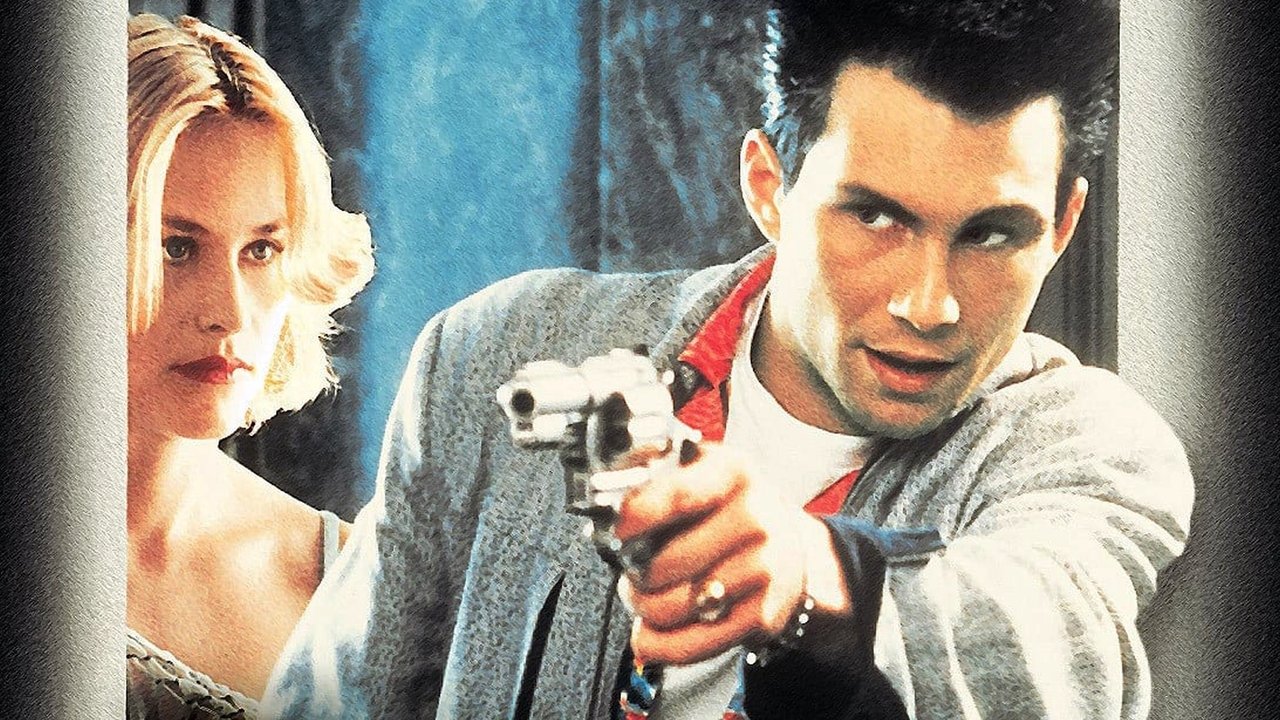
While the plot involves a suitcase full of "uncut" cocaine and a cross-country flight from the mob, the movie is really a delivery system for some of the most electric dialogue ever put to film. The "Sicilian Scene" between Dennis Hopper and Christopher Walken is widely regarded as one of the best-written sequences in history, but watching it now, it’s the tension that kills me. You know Hopper’s Clifford Worley is signing his death warrant with every word he speaks, and the way Christopher Walken just sits there, absorbing the insults with a terrifying, predatory stillness, is a masterclass in screen presence.
The film is essentially a parade of "How are they in this movie too?" cameos. We get a pre-fame James Gandolfini as a brutal henchman, Val Kilmer as a literal hallucination of Elvis Presley, and Brad Pitt as Floyd, the world’s most iconic couch-locked stoner. Pitt’s performance reportedly inspired the entire vibe of Pineapple Express (2008), and his refusal to leave the sofa even when armed mobsters enter the room is a highlight of 90s slacker culture.
Then there’s Gary Oldman as Drexl Spivey. Oldman is unrecognizable as the dreadlocked, scarringly intense pimp who thinks he’s Black. It’s a performance that is deeply uncomfortable, wildly over-the-top, and yet somehow perfectly fits the heightened reality Scott creates. It’s the kind of role that reminds you why the 90s were such a fertile ground for character actors to just go absolutely feral.
A Legacy Written in Blood
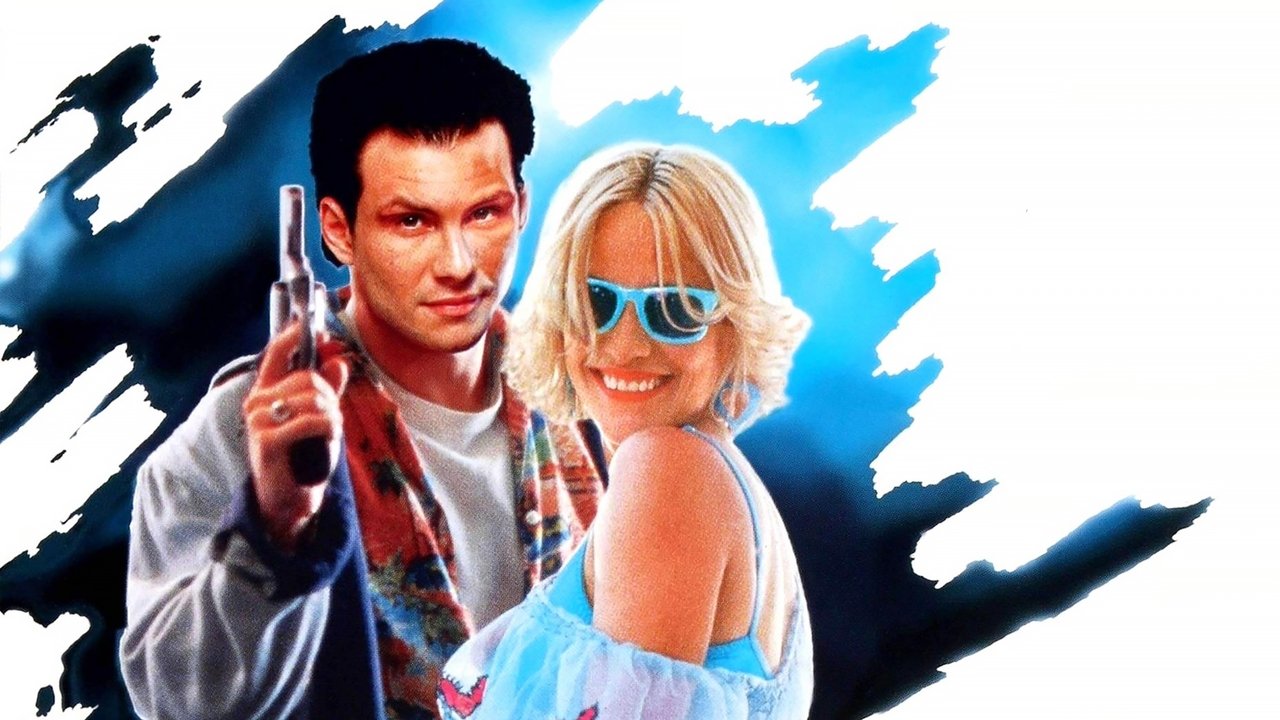
Despite this pedigree, True Romance was a commercial flop. It earned barely more than its budget, likely because audiences in 1993 didn't know what to make of a movie that toggled between sweet romance and stomach-churning brutality. This was the era before the "Tarantino-esque" subgenre became a cliché; back then, this kind of tonal whiplash was genuinely shocking.
The action choreography isn't about grace; it’s about desperation. The hotel room fight between Patricia Arquette and James Gandolfini is one of the most difficult scenes to watch in 90s cinema. It’s not a "cool" action scene; it’s a wet, heavy, agonizing struggle for survival. By the time we reach the final Mexican standoff in a Beverly Hills penthouse—complete with flying feathers and exploding pillows—the film has earned its chaos.
Looking back, the movie serves as a time capsule for a transition in filmmaking. You can see the analog world fading away—the payphones, the physical film canisters, the lack of digital hand-holding. It’s a reminder of a time when "indie" spirit could be blown up to a $12 million scale and given the Hollywood treatment without losing its jagged edges.
In the end, True Romance is a movie about people who love movies. Clarence is us—the obsessive fan who wants his life to feel like the stories he sees on the screen. It’s a film that shouldn't have aged this well, but thanks to the sheer density of talent involved, it remains a high-water mark for the 90s crime wave. If you haven't seen it, find the best copy you can, grab a sugary drink, and prepare for a trip to the movies that feels like a fever dream you never want to wake up from.

Keep Exploring...
-
From Dusk Till Dawn
1996
-
Spy Game
2001
-

Enemy of the State
1998
-
Batman: Mask of the Phantasm
1993
-
Man on Fire
2004
-
Point Break
1991
-
The Last of the Mohicans
1992
-

Jackie Brown
1997
-
Fallen Angels
1995
-
Crimson Tide
1995
-

The Negotiator
1998
-

Batman Begins
2005
-
The Boondock Saints
1999
-
Training Day
2001
-
Kill Bill: Vol. 1
2003
-

Kill Bill: Vol. 2
2004
-
Kick-Ass
2010
-
The Next Three Days
2010
-

Léon: The Professional
1994
-
Heat
1995