What's Eating Gilbert Grape
"Sometimes staying is the hardest way to move."

The first time I sat down to watch What's Eating Gilbert Grape, I was actually trying to ignore the fact that my kitchen sink was backing up. I figured a quiet drama about a small town in Iowa would be the perfect background noise while I waited for a plumber who was already three hours late. Within twenty minutes, I’d completely forgotten about the rising water in the basin. I was too busy worrying about a fictional kid named Arnie climbing a water tower. That’s the magic of this movie; it doesn't just invite you in, it traps you in Endora right along with the characters.
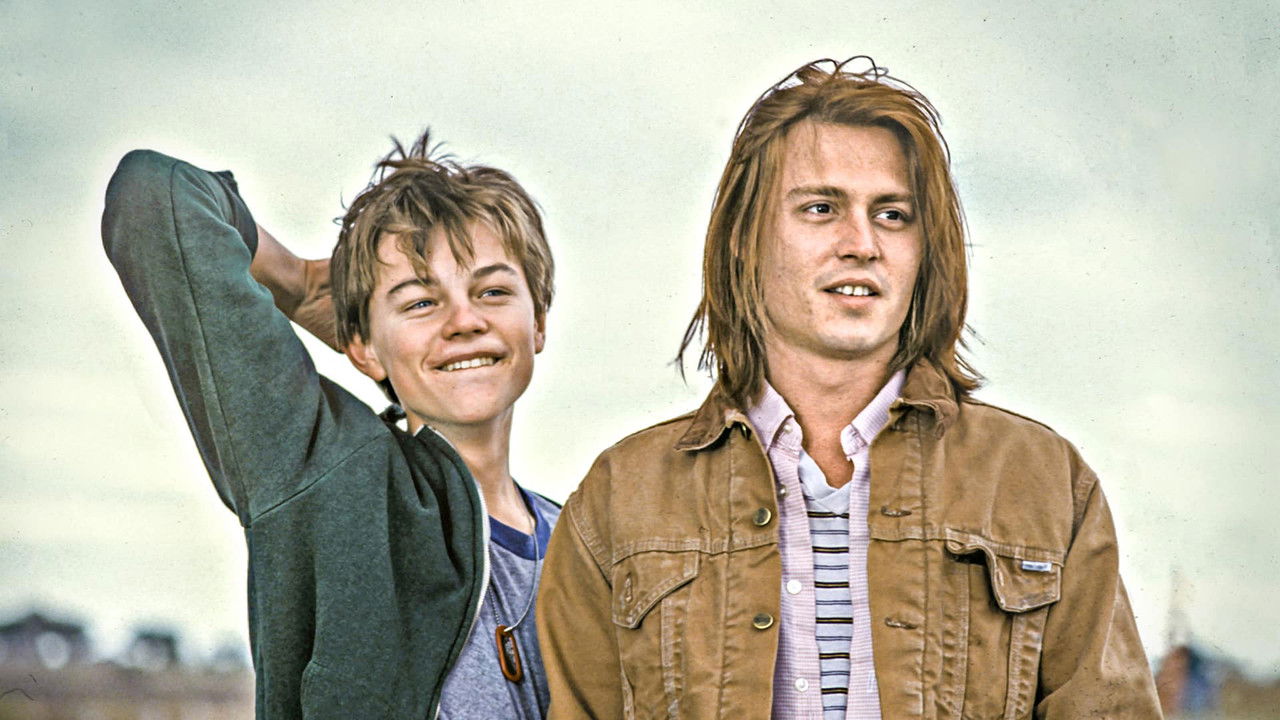
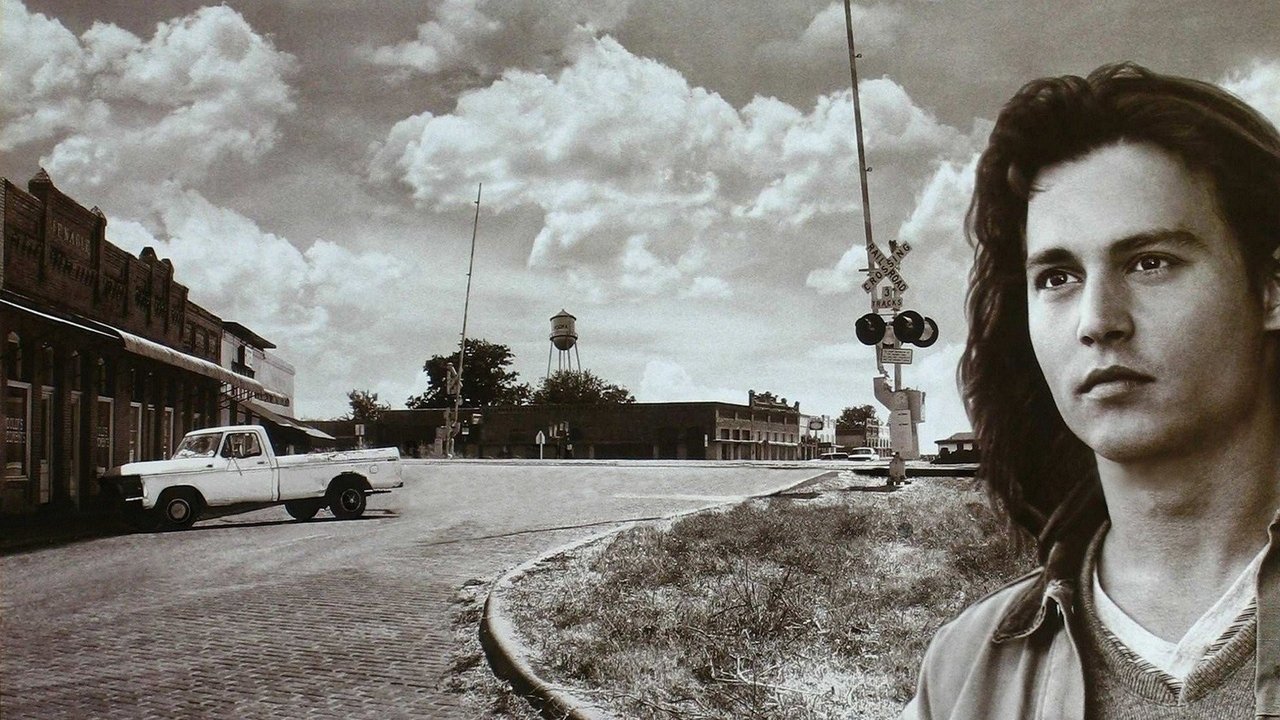
Looking back from our current era of hyper-fast editing and cinematic universes, What’s Eating Gilbert Grape feels like a deep, slow breath. Released in 1993, right as the indie film renaissance was beginning to find its feet, it’s a movie that values silence and the things left unsaid over big, dramatic monologues. Lasse Hallström directs with a kind of gentle restraint that you rarely see anymore. He lets the camera linger on the flat, dusty horizon of the American Midwest, capturing a specific kind of 90s ennui that felt very real before the internet gave everyone an instant escape hatch.
The Gravity of the Grape House
The story centers on Johnny Depp’s Gilbert, a young man whose life is defined by what he must do rather than what he wants to do. He works at a dying grocery store, he’s having a messy affair with a local housewife (Mary Steenburgen), and most importantly, he is the primary caretaker for his family. The "weight" of the film is literalized in his mother, Bonnie, played with heartbreaking vulnerability by Darlene Cates. Bonnie hasn't left the house in seven years, and her morbid obesity is the sun around which the entire family orbits.
There’s a philosophical question buried under the floorboards of the Grape house: At what point does loyalty become a prison? Gilbert is essentially a martyr, but he’s a cranky, exhausted one. Johnny Depp plays him with a fascinating stillness. This was before he became the face of a dozen high-concept blockbusters or buried himself under layers of prosthetics and "wacky" accents. Here, he’s just a guy whose eyes look like they haven’t seen a good night’s sleep in a decade. It’s a performance of suppressed frustration that feels incredibly grounded.
Then there’s Arnie. If you haven't seen this film in a while, it’s easy to forget just how transformative Leonardo DiCaprio was here. At the time, he was just "that kid from Growing Pains," but his portrayal of Gilbert’s mentally impaired younger brother is a masterclass in physical acting. He doesn't just play the role; he inhabits every twitch, every laugh, and every sudden shift in mood. Leonardo DiCaprio should have walked home with the Oscar that year, and I’ll stand by that even if it makes me sound like a nostalgic 90s teen. He captures the pure, chaotic innocence of a boy who is the family’s greatest burden and their only source of genuine light.
A Cult Classic of Quiet Moments
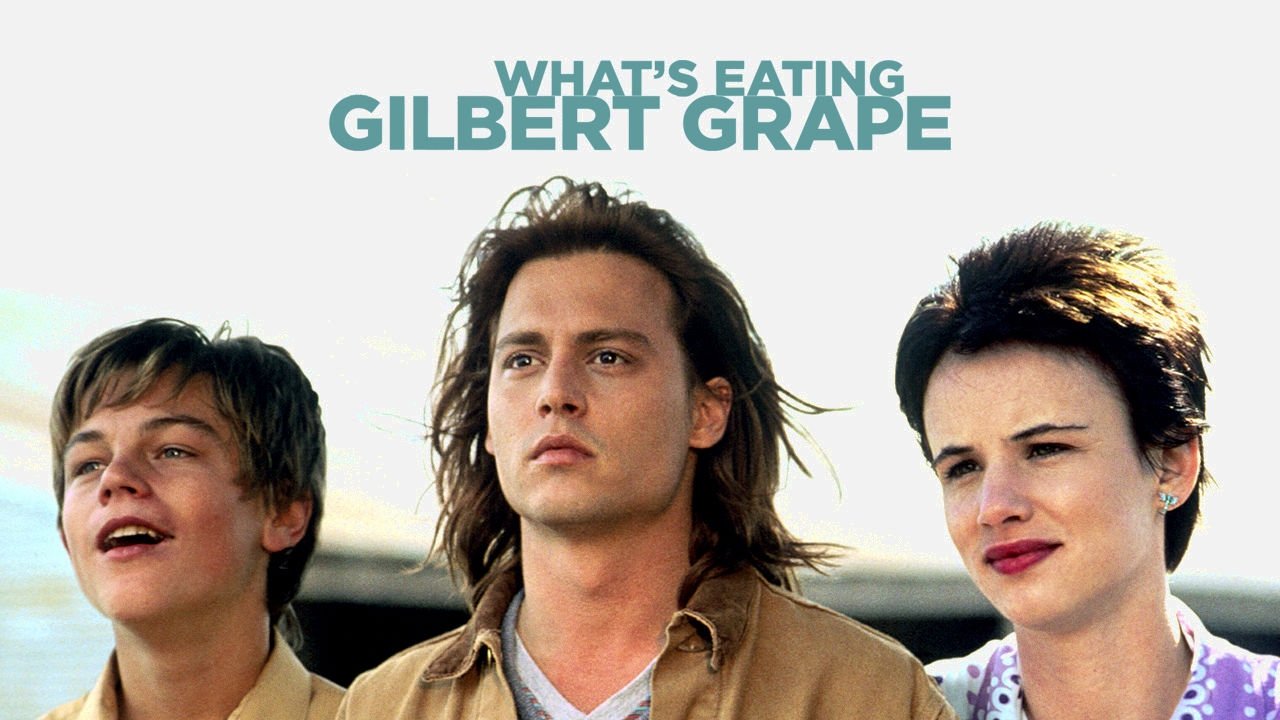
While it wasn't a massive box office hit upon release—barely recouping its $11 million budget—it found a massive second life on VHS and cable. For many of us, this was the "discovery" movie you’d find at the back of a Blockbuster. It spoke to anyone who ever felt like their hometown was a black hole. the most terrifying thing in this movie isn’t the mother’s health, but the crushing boredom of the Burger Barn coming to town. It captures that Y2K-adjacent anxiety of the "old world" (local shops, family duty) being slowly swallowed by the "new world" (fast food, mobility, the "free spirit" of Juliette Lewis’s Becky).
The trivia behind the film adds to its cult allure. Darlene Cates wasn't an actress; Lasse Hallström cast her after seeing her on an episode of Sally Jessy Raphael titled "Too Heavy to Leave Their House." Her performance is so raw because it came from a place of lived experience, and the scene where she finally leaves the house to go to the police station is one of the most agonizingly empathetic moments in 90s cinema. Also, a young John C. Reilly pops up as Gilbert’s friend, Tucker, obsessing over the new Burger Barn—a perfect bit of casting that foreshadowed his career of playing the "everyman."
Why It Still Matters
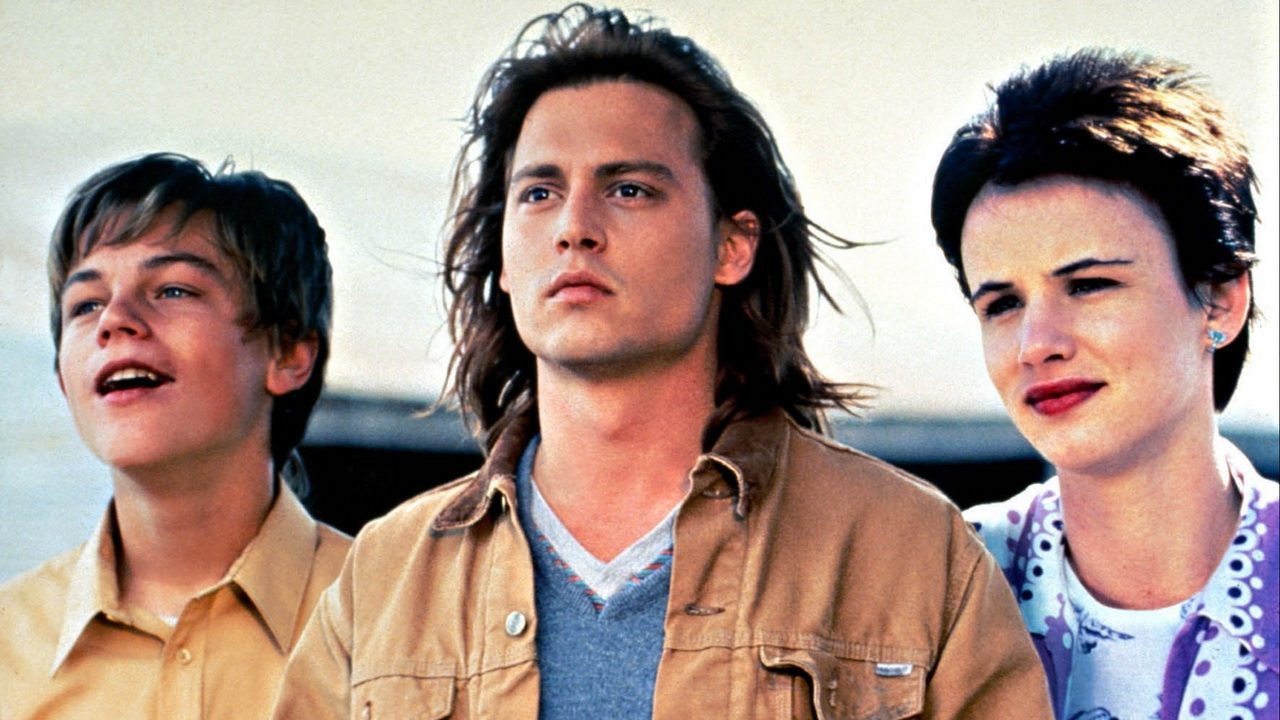
Watching this film today, I’m struck by how it avoids the typical "movie" solutions. It doesn't pretend that a romance with a girl passing through town will fix Gilbert’s life. Instead, it suggests that growth only comes when you’re willing to let the past burn down—literally. The cinematography by Sven Nykvist (who famously worked with Ingmar Bergman) gives the Iowa landscape a golden, melancholic glow that makes the whole thing feel like a half-remembered dream.
It’s a film about the dignity of the "stuck" person. We spend so much time celebrating the people who leave, but What's Eating Gilbert Grape is for the people who stay because someone has to. It’s cerebral without being pretentious and emotional without being manipulative. Even if you aren't a fan of slow-burn dramas, the chemistry between the Grape siblings is so authentic it hurts.
In an era of cinema that was beginning to obsess over CGI dinosaurs and high-octane thrills, this was a quiet reminder that the most compelling stories are often the ones happening in the house at the end of the road. It’s a beautiful, messy, and deeply human look at the cost of love and the necessity of moving on. Just make sure you don't have any plumbing issues while you watch it—you won't want to get up.

Keep Exploring...
-

Edward Scissorhands
1990
-
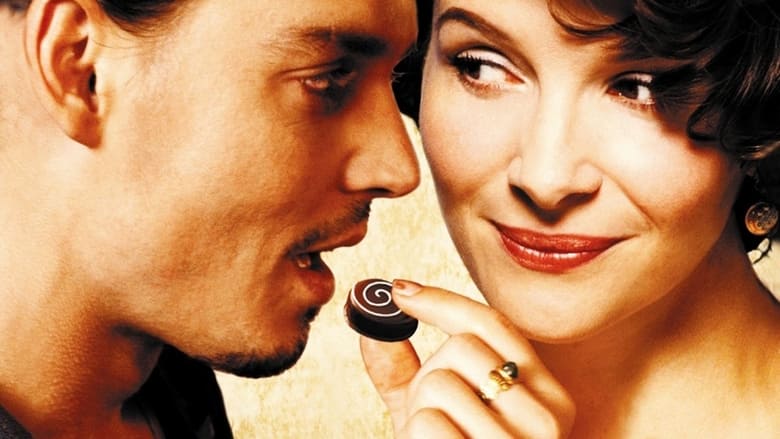
Chocolat
2000
-

Dear John
2010
-
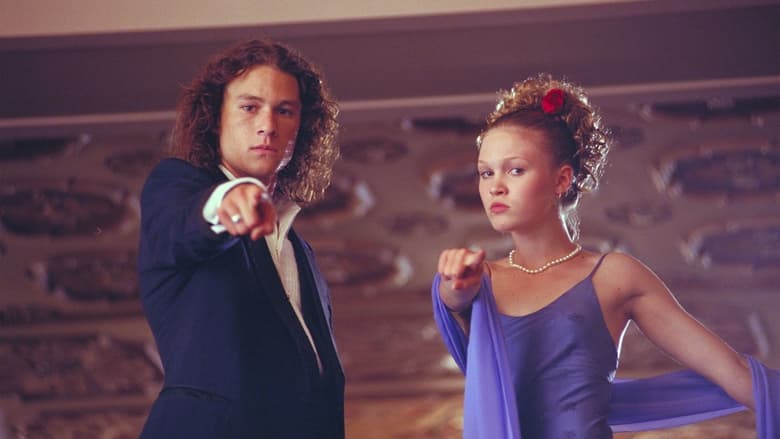
10 Things I Hate About You
1999
-

The Wrestler
2008
-
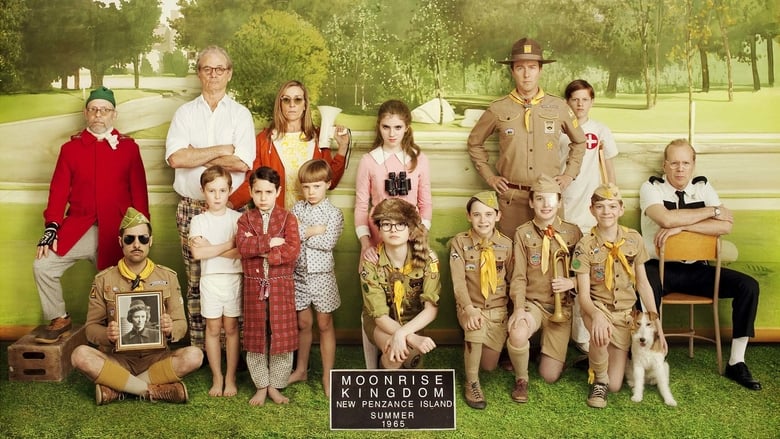
Moonrise Kingdom
2012
-

Corpse Bride
2005
-

Safe Haven
2013
-
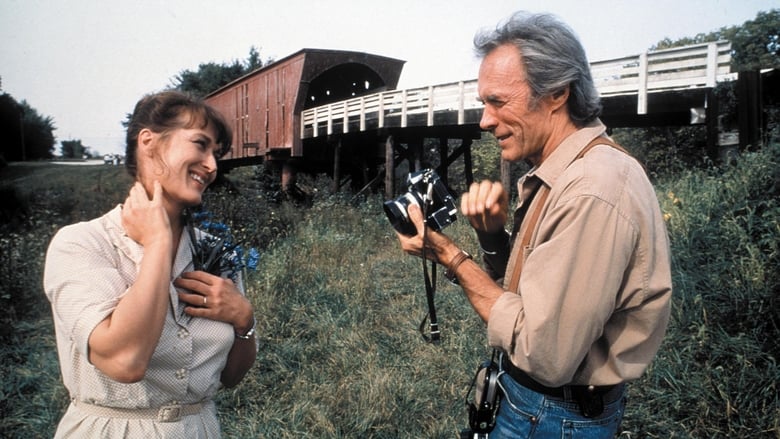
The Bridges of Madison County
1995
-

Boogie Nights
1997
-

Cinderella Man
2005
-

Memoirs of a Geisha
2005
-

Hachi: A Dog's Tale
2009
-
Before Sunrise
1995
-

Dilwale Dulhania Le Jayenge
1995
-

Three Steps Above Heaven
2010
-

The Garden of Words
2013
-

Awakenings
1990
-
Ed Wood
1994
-

Fear and Loathing in Las Vegas
1998