Ace Ventura: Pet Detective
"He's the only one there is."
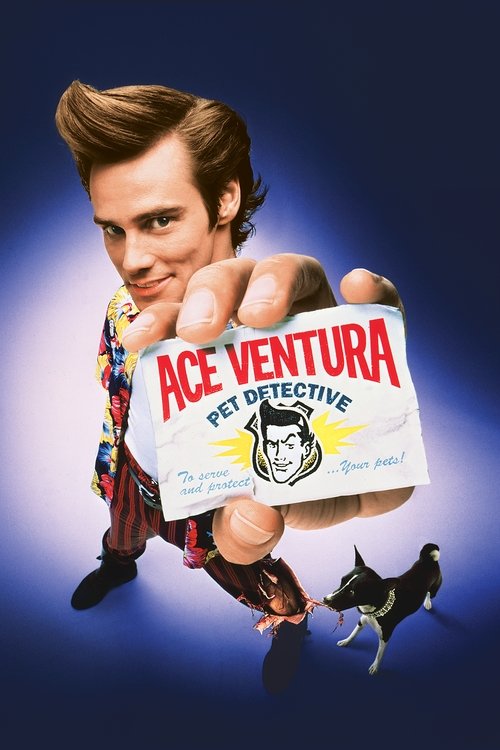
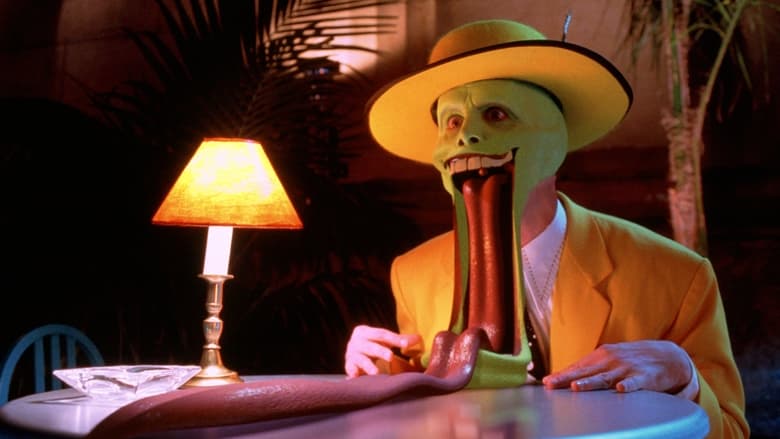
In February 1994, the cinematic landscape was irrevocably altered by a man who could seemingly unhinge his jaw like a python and talk through his buttocks. Before Jim Carrey became a household name capable of commanding $20 million a paycheck, he was the "White Guy" on In Living Color taking a massive gamble on a script about a guy who finds lost dogs. This wasn't just a movie release; it was the first stage of a three-stage rocket—followed by The Mask and Dumb and Dumber—that would make 1994 the most dominant single year any comedic actor has ever had.
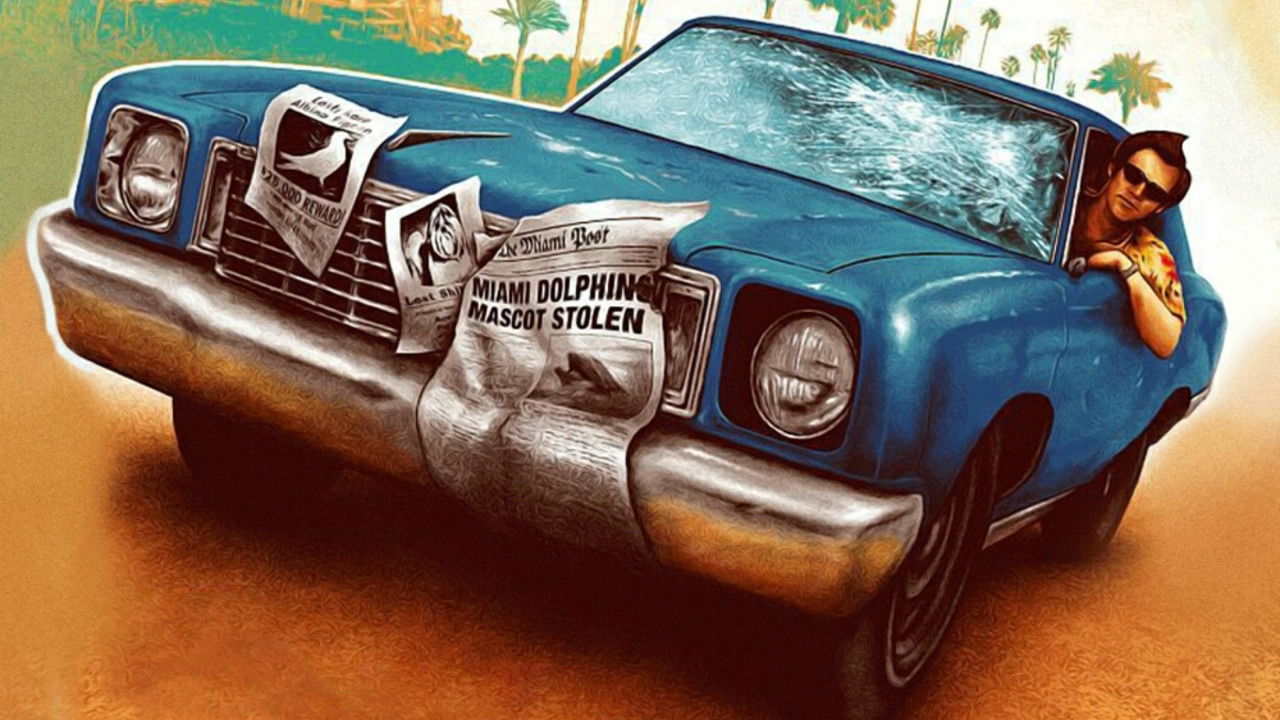
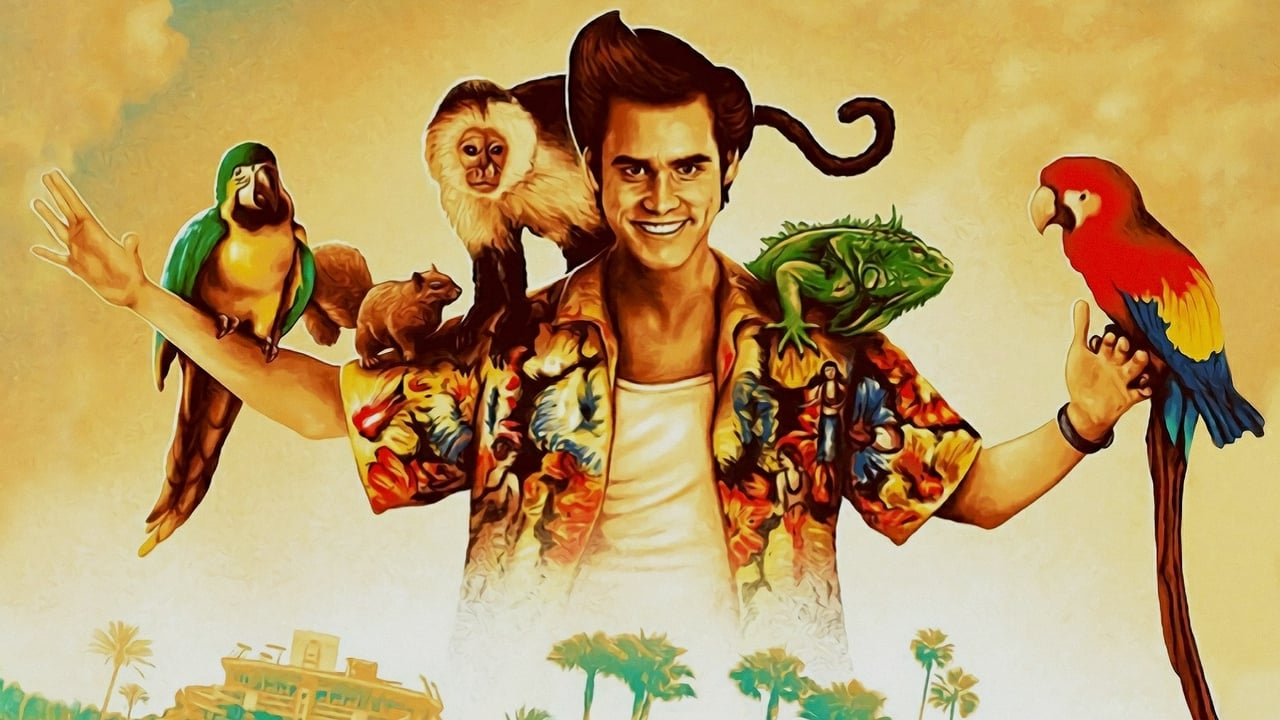
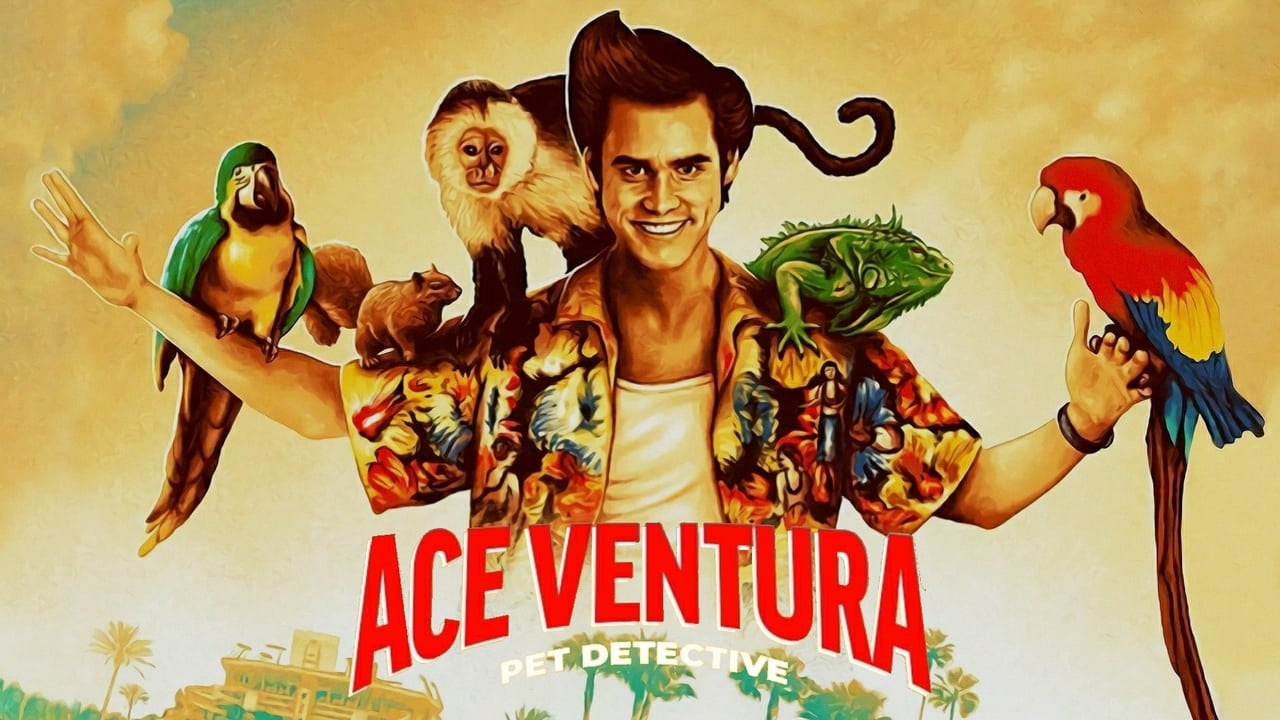
Looking back, it’s easy to forget how much of a "Hail Mary" this project was. Directed by Tom Shadyac (who later gave us Liar Liar and Bruce Almighty), Ace Ventura: Pet Detective arrived at a time when big-screen comedy was often polite, situational, or parody-heavy. Then came Ace: a Hawaiian-shirt-wearing, pompadoured whirlwind of catchphrases and facial contortions. I’m currently eating a bag of slightly stale pretzels while writing this, and even the dry crunch of a Rold Gold can’t distract me from the sheer, unadulterated commitment Carrey brings to every frame. He doesn't just play the character; he inhabits Ace like a caffeinated cartoon coyote trapped in a human body.
The Mystery of the Missing Mascot
The plot is surprisingly sturdy for a movie that features a man emerging from a mechanical rhino in its sequel. The Miami Dolphins’ mascot, Snowflake the dolphin, has been kidnapped just weeks before the Super Bowl. When the team’s star quarterback, Dan Marino (playing himself with a surprising amount of good-sport charm), also goes missing, the police are baffled. Enter Ace Ventura.
What makes the film work isn't just the gags; it’s that it’s structured as a genuine "whodunit." We follow Ace as he investigates the "Laces Out" conspiracy involving a disgraced kicker named Ray Finkle. Courteney Cox, just months away from becoming a global icon on Friends, plays Melissa Robinson, the Dolphins’ PR chief and the "straight man" to Ace’s lunacy. Their chemistry is essentially a human being trying to survive a hurricane, and Cox does an admirable job of not laughing in every single scene.
A Relic of the Analog Age
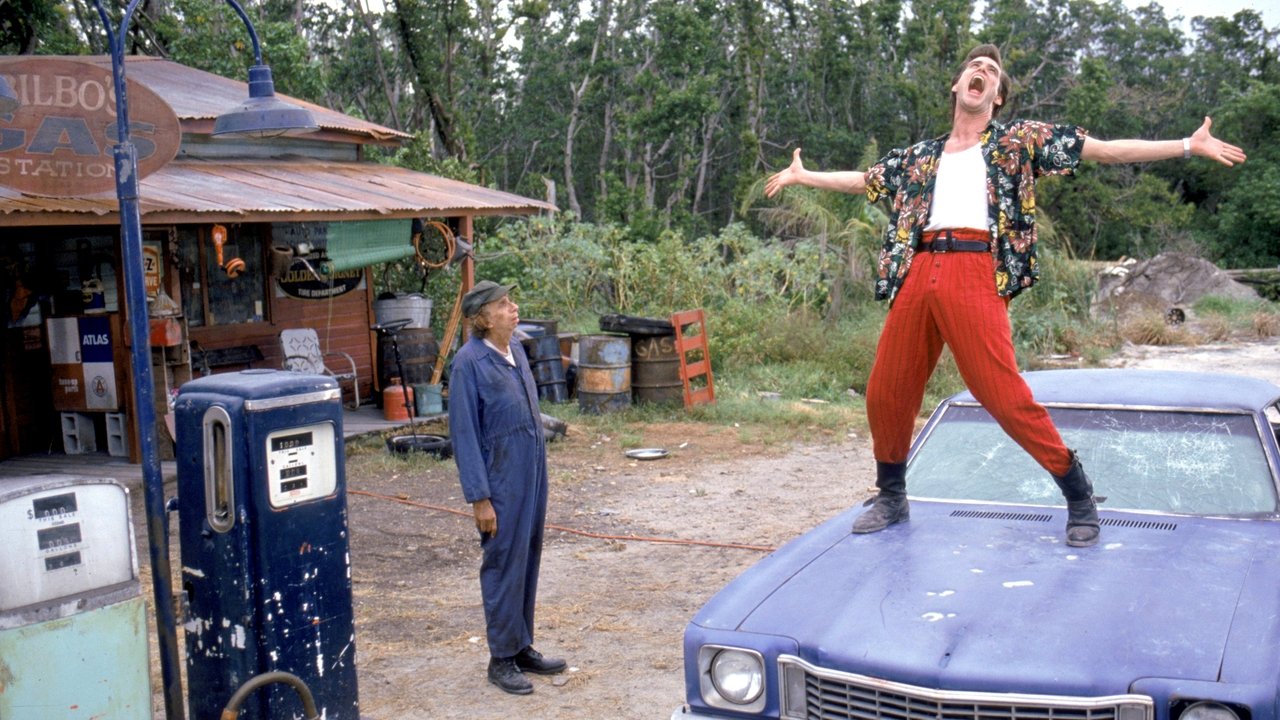
Watching Ace Ventura today is a fascinating trip through the 1990s. This was the era of the VHS-to-DVD transition, and you can feel the analog grit of Miami in the cinematography by Julio Macat. There’s no CGI here to help Carrey; every "special effect" is produced by his own musculature. The film cost a modest $15 million to produce and exploded into a $107 million domestic juggernaut. It’s the kind of mid-budget success story that rarely happens in the modern blockbuster era, where everything is either a $200 million franchise tentpole or a micro-budget indie.
The film also captures a specific cultural moment where 90s rappers like Tone Loc were being cast as serious detectives, and death metal bands like Cannibal Corpse could make a cameo just because the lead actor was a fan. It’s chaotic, loud, and occasionally messy. The script feels like a serious noir detective draft that accidentally got sneezed on by a bag of sugar, and the resulting friction is where the magic happens.
The Elephant (or Dolphin) in the Room
We have to talk about how the movie plays in the 2020s. The third-act reveal involving Sean Young’s Lt. Lois Einhorn is, to put it mildly, a product of 1994. The reaction of the Miami PD—a mass vomiting session—is a trope that has aged about as well as an open carton of milk in the Florida sun. It’s a stark reminder of how much social attitudes have shifted. While it’s a foundational piece of 90s comedy, it’s a segment that requires a "viewing through a historical lens" disclaimer.
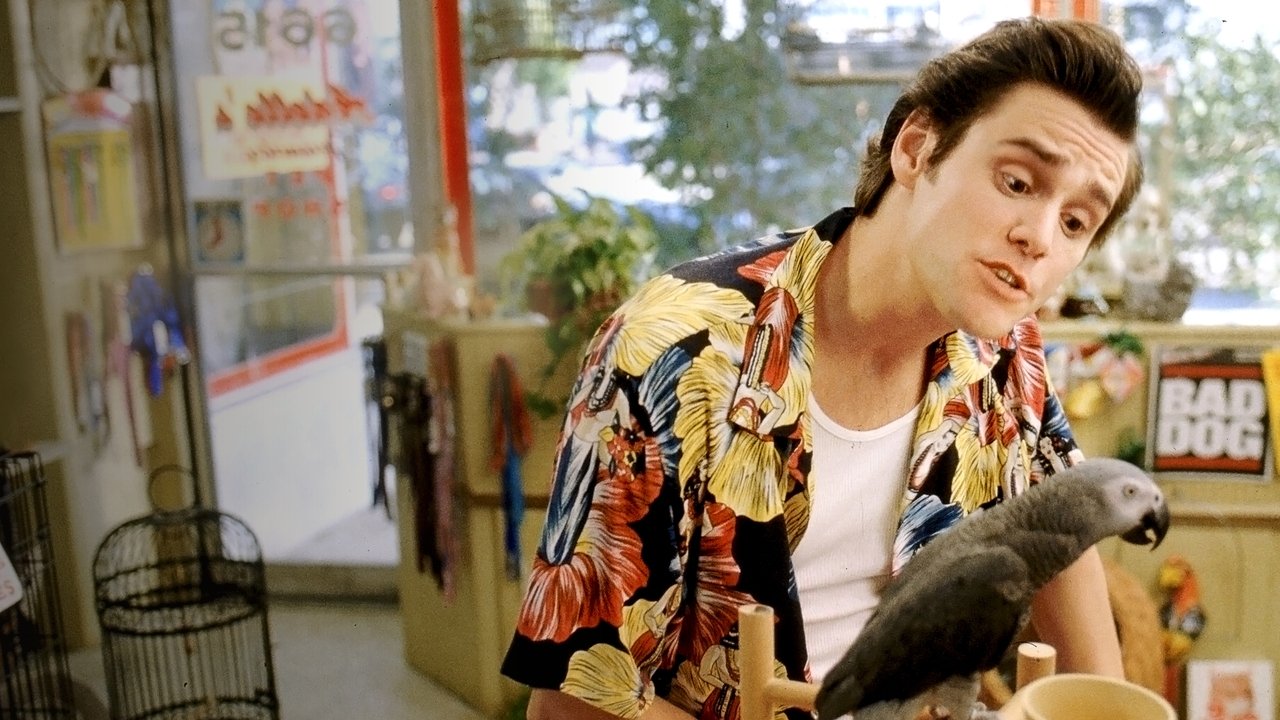
However, if you can navigate the era-specific cringe, the technical precision of Carrey’s comedy remains undeniable. The "sliding glass door" bit, the slow-motion replay of the mascot kidnapping, and the "Alrighty then!" delivery are ingrained in the DNA of modern humor. It’s the film that proved audiences were hungry for high-energy, physical absurdity.
Despite the dated elements of the finale, Ace Ventura: Pet Detective is an essential piece of comedy history. It’s a raw, unfiltered look at a superstar being born in real-time. Whether he’s infiltrating a high-society party or talking to a shark, Jim Carrey carries the entire production on his rubberized shoulders. It’s a loud, bright, and deeply weird artifact that reminds me why we fell in love with the "Year of Carrey" in the first place. Put it on, ignore the plot holes, and marvel at a man who could make a simple "hello" sound like a symphony of madness.
Keep Exploring...
-
Ace Ventura: When Nature Calls
1995
-
Liar Liar
1997
-
The Mask
1994
-

Bruce Almighty
2003
-
Hoodwinked!
2005
-

The Nutty Professor
1996
-

Patch Adams
1998
-

Scream
1996
-
Another 48 Hrs.
1990
-
The Naked Gun 2½: The Smell of Fear
1991
-
Lethal Weapon 3
1992
-
Sneakers
1992
-
In the Line of Fire
1993
-
Naked Gun 33⅓: The Final Insult
1994
-
Bad Boys
1995
-
Get Shorty
1995
-
The Net
1995
-
Rush Hour
1998
-
Austin Powers: The Spy Who Shagged Me
1999
-
Kiss Kiss Bang Bang
2005