Baby's Day Out
"One baby, three crooks, and a whole lot of Chicago."
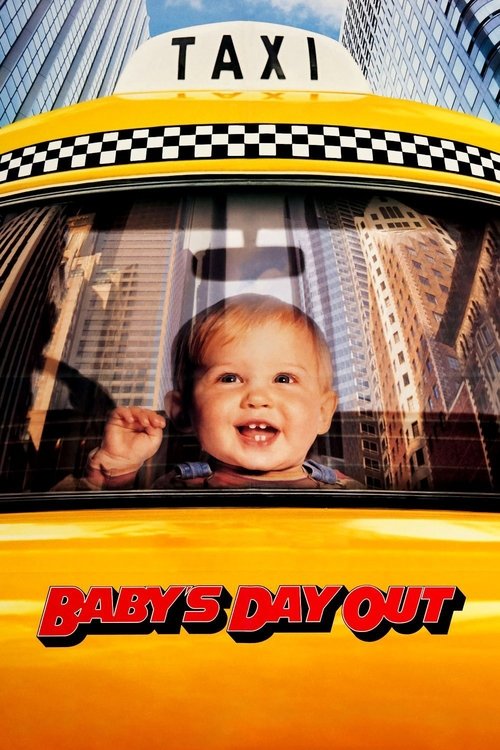
I watched Baby's Day Out while nursing a bag of slightly stale pretzel rods, and honestly, the saltiness matched my mood as I wondered how $50 million evaporated into a movie about a toddler crawling through a construction site. In 1994, $50 million was "pre-CGI blockbuster" money—the kind of budget that got you Speed or The Lion King. Instead, 20th Century Fox used it to see if they could make Joe Mantegna’s crotch catch on fire.
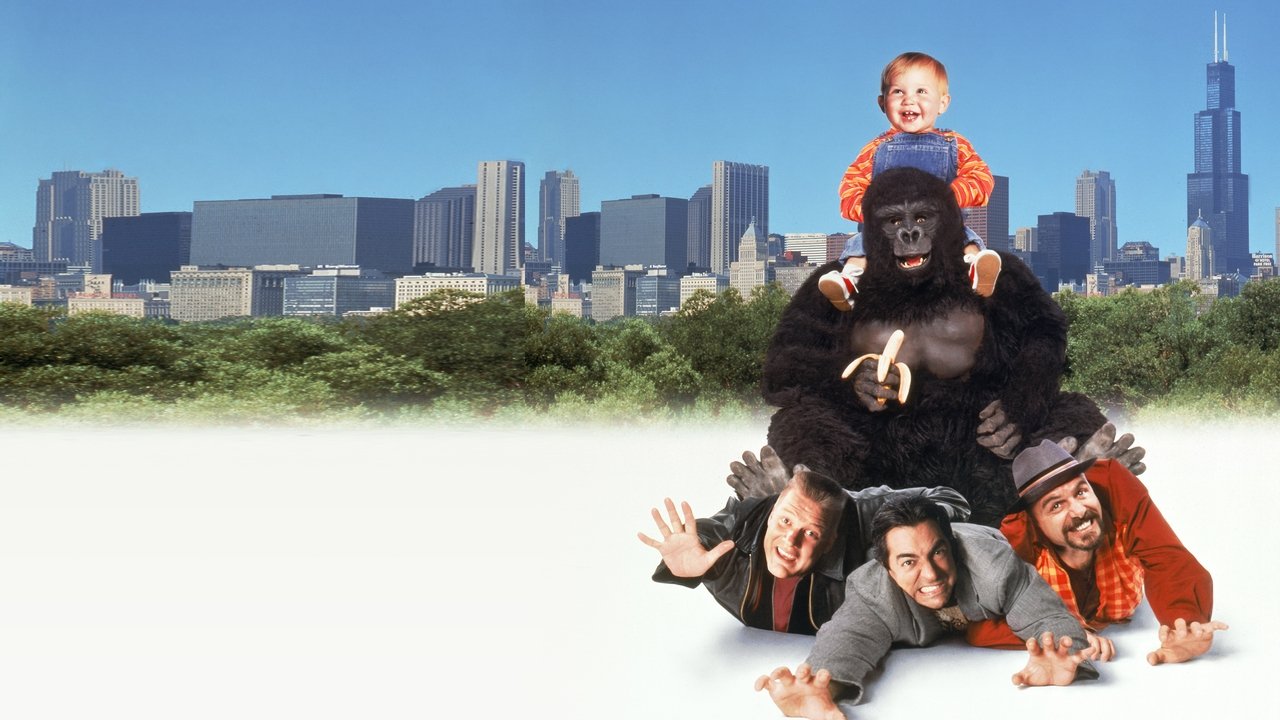
Looking back, this film represents the absolute apex—and the beginning of the end—of the John Hughes "slapstick industrial complex." After the world-conquering success of Home Alone, Hughes seemingly decided that the only thing better than a ten-year-old thwarting burglars was a nine-month-old doing the same thing, minus the dialogue. The result is a film that feels less like a narrative and more like a live-action Wile E. Coyote cartoon where the Coyote is a mobster and the Road Runner is a toddler with zero survival instincts.
An Urban Odyssey in Diapers
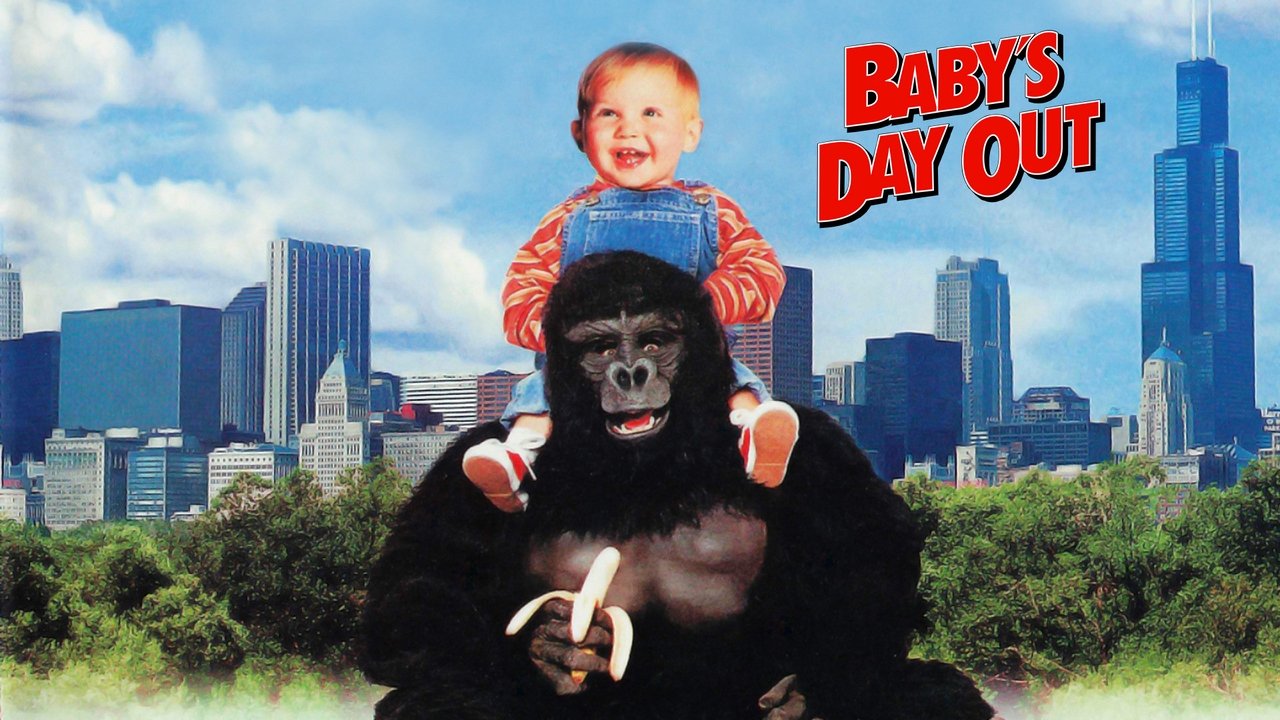
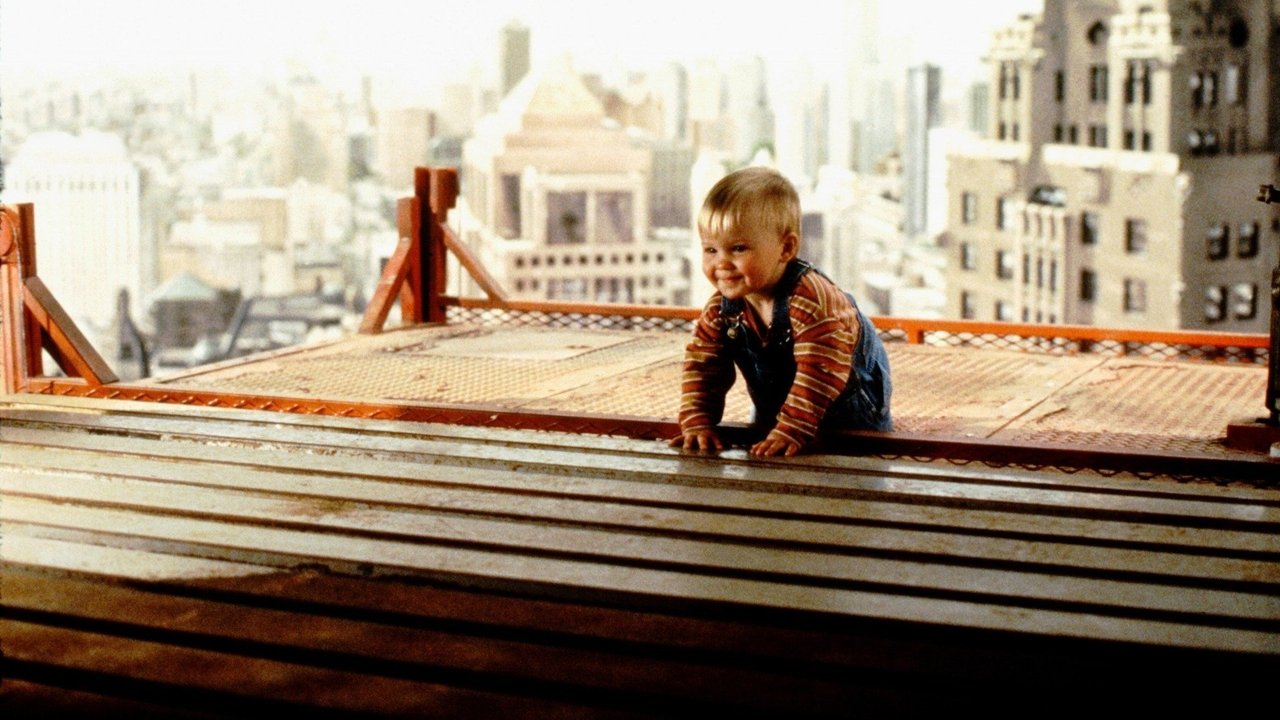
The setup is pure Hughes: Baby Bink, the pampered scion of a Chicago socialite family (led by a perpetually worried Lara Flynn Boyle), is kidnapped by three bumbling criminals posing as photographers. They want $5 million; Bink just wants to see the sights from his favorite book. What follows is an adventure that spans the Chicago skyline, from the zoo to the top of a skyscraper under construction.
What’s fascinating to reassess now is how the film treats the "Adventure" genre. Most adventure films are about a character seeking growth or a MacGuffin. Here, the baby is the MacGuffin, and he has no character arc because he’s a baby. He just crawls. The actual "journey" belongs to the kidnappers—Eddie (Joe Mantegna), Norby (Joe Pantoliano), and Veeko (Brian Haley)—who descend into a hellish landscape of physical trauma.
There is a weird, almost hypnotic quality to the pacing. Director Patrick Read Johnson leans heavily into the "infant-eye view" of the world. To Bink, a busy street isn't a hazard; it’s a parade. To the kidnappers, it’s a gauntlet of screeching tires and public humiliation. Joe Mantegna is playing this with the same intensity he’d bring to a David Mamet play, which makes the fact that he’s being outsmarted by someone who can’t yet say "tax returns" all the more hilarious.
The $50 Million Animatronic Secret
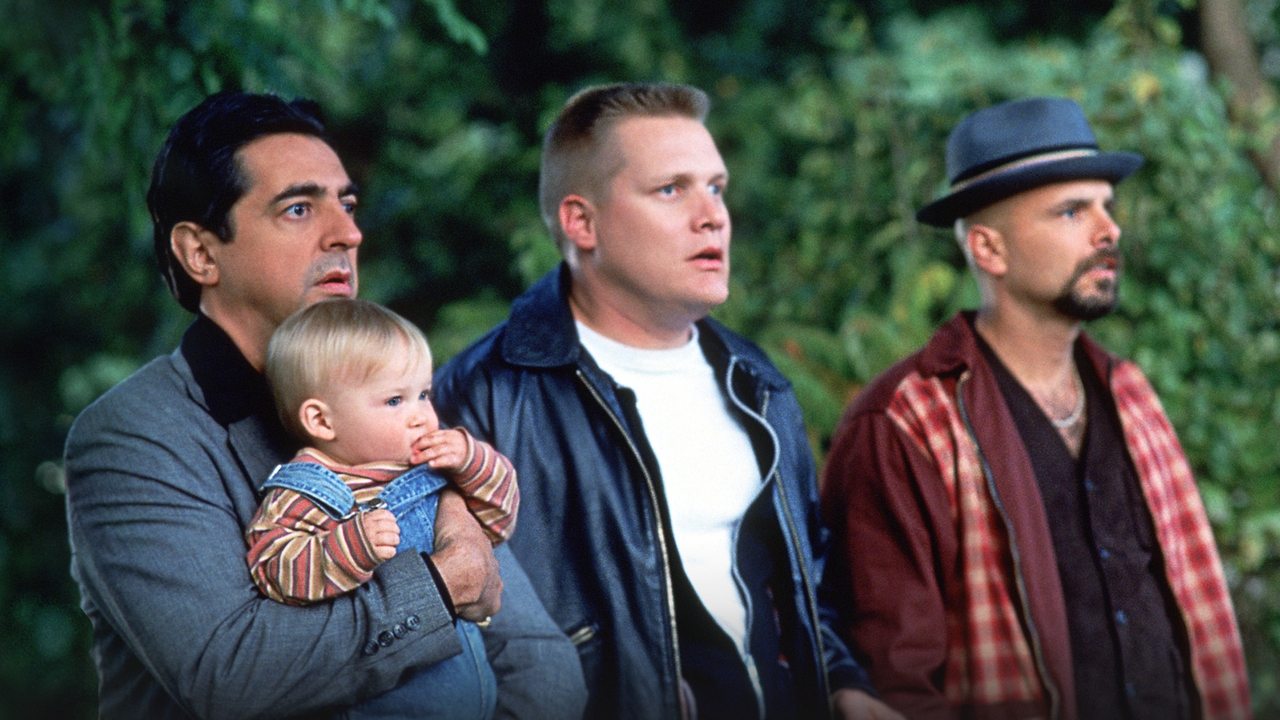
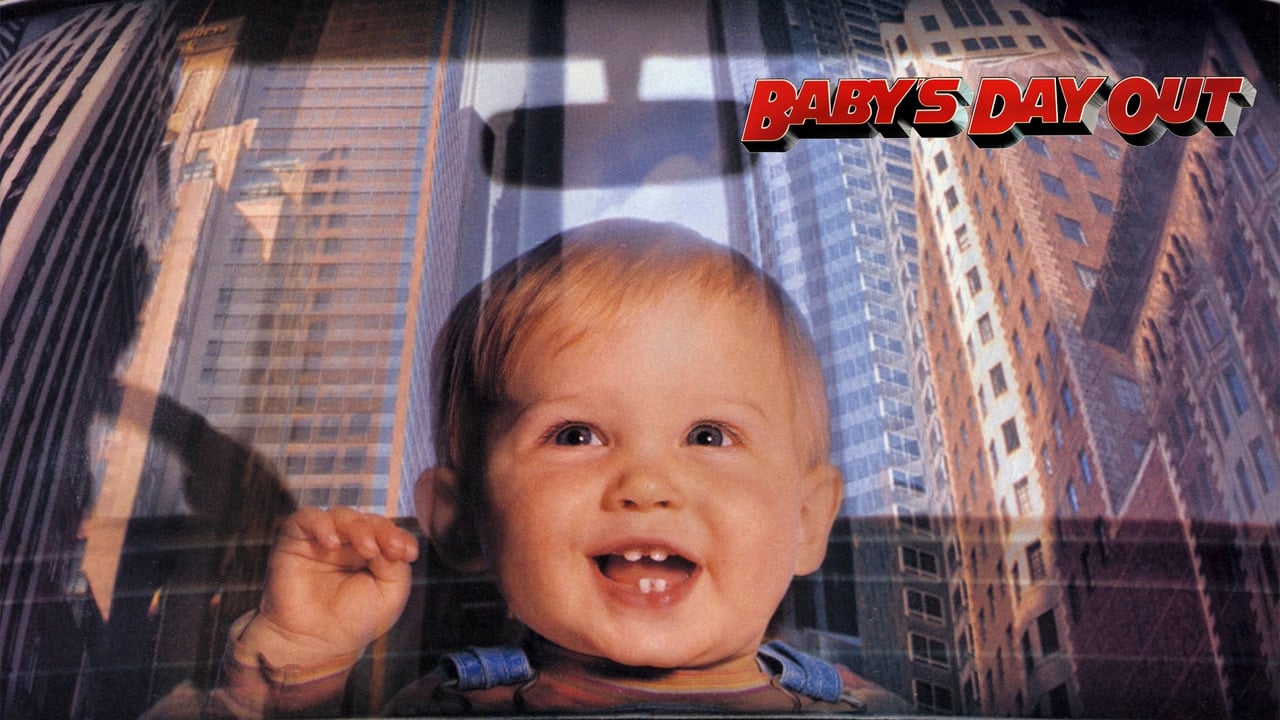
You might wonder where that $50 million budget went. It didn't go to the script. It went to the terrifyingly impressive practical effects and the "Stunt Baby." Before the era where we could just CGI a baby onto a girder, they used a combination of twins (Adam and Jacob Worton) and an incredibly sophisticated animatronic puppet created by Rick Baker's studio.
If you look closely during the construction site sequence—the film's big action set-piece—you can see the transition. Some shots are real babies on green-screened sets, but others are robotic shells that look just slightly too symmetrical to be human. It’s a relic of that 90s transition period where practical effects were pushing their absolute limits before Toy Story and Jurassic Park changed the math forever. Eddie's crotch being set on fire is arguably the high-water mark of 90s genital slapstick, and the fact that it was achieved with practical pyrotechnics rather than digital fire gives it a tactile, painful reality that modern comedies often lack.
The Strange Afterlife of a Flop
In the United States, Baby's Day Out was a massive box office disaster. It was crushed by The Lion King and Forrest Gump, vanishing from theaters faster than a diaper in a trash can. We mostly remember it as a staple of 90s VHS collections, the kind of tape you’d find at a dentist’s office or a grandmother’s house.
However, the "obscurity" of this film is purely Western. Interestingly, the film became a legendary, record-breaking cult hit in India and Pakistan. In Calcutta, it reportedly ran in theaters for over a year. There’s something about the universal language of a baby causing chaos that bypassed the cultural barriers John Hughes’ more teen-centric comedies often hit. It even spawned several local-language remakes.
The film also features a surprisingly deep bench of talent in the margins. You’ve got Cynthia Nixon (pre-Sex and the City) as the nanny and Fred Thompson as an FBI agent, lending a bizarre gravitas to a movie that features a gorilla protecting a toddler from a group of hoodlums. It’s an ensemble that feels overqualified for the material, yet their commitment to the absurdity is what keeps it watchable.
Ultimately, Baby's Day Out is a fascinating specimen of 90s studio excess. It’s a movie that asks for your total suspension of disbelief—not because of dragons or aliens, but because it expects you to believe a toddler could survive a 50-story fall because he landed on a net he didn't know was there. It’s loud, it’s repetitive, and it’s occasionally mean-spirited in its violence toward the "villains."
But there’s a craft here that’s hard to ignore. The cinematography by Thomas E. Ackerman makes Chicago look like a storybook kingdom, and the commitment to practical stunts is genuinely impressive. It’s not a "good" movie in the traditional sense, but as a time capsule of the moment when Hollywood thought "Slapstick + Toddler = Billion Dollars," it’s an adventure worth taking once—if only to see Joe Pantoliano get punched in the face by a silverback gorilla.
Keep Exploring...
-
Muppets Most Wanted
2014
-
The Pink Panther
2006
-

Dick Tracy
1990
-

DuckTales: The Movie - Treasure of the Lost Lamp
1990
-
Teenage Mutant Ninja Turtles II: The Secret of the Ooze
1991
-
Home Alone 2: Lost in New York
1992
-

The Swan Princess
1994
-
Major Payne
1995
-
Osmosis Jones
2001
-
RV
2006
-

The Ant Bully
2006
-
Shrek the Halls
2007
-

Yogi Bear
2010
-
Hook
1991
-
Jingle All the Way
1996
-

George of the Jungle
1997
-
Lethal Weapon 4
1998
-
Stuart Little
1999
-
The Little Mermaid II: Return to the Sea
2000
-
Jimmy Neutron: Boy Genius
2001