Beverly Hills Cop III
"When Axel Foley traded the banana in the tailpipe for a theme park pass."
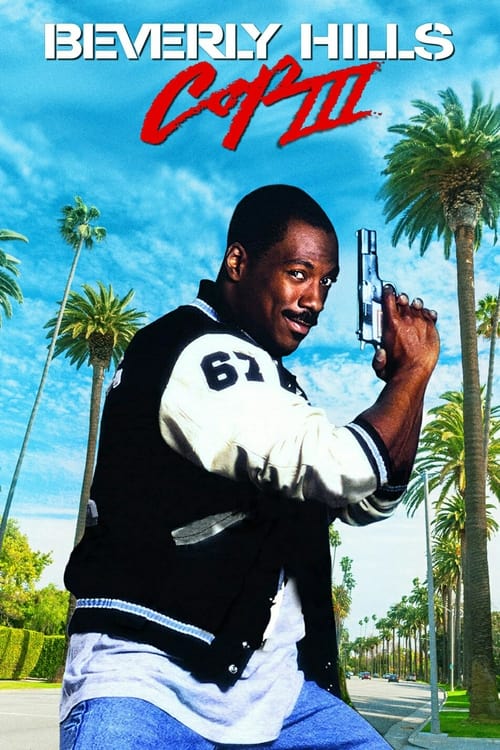
If you want to understand the exact moment the high-octane, wise-cracking 1980s action hero began his awkward transition into the "serious" 90s protagonist, look no further than the sight of George Lucas being told to get to the back of a line at an amusement park. Yes, the creator of Star Wars makes a blink-and-you'll-miss-it cameo as "Disappointed Man" in Beverly Hills Cop III, and honestly, his character's name captures the zeitgeist of this three-quel perfectly.
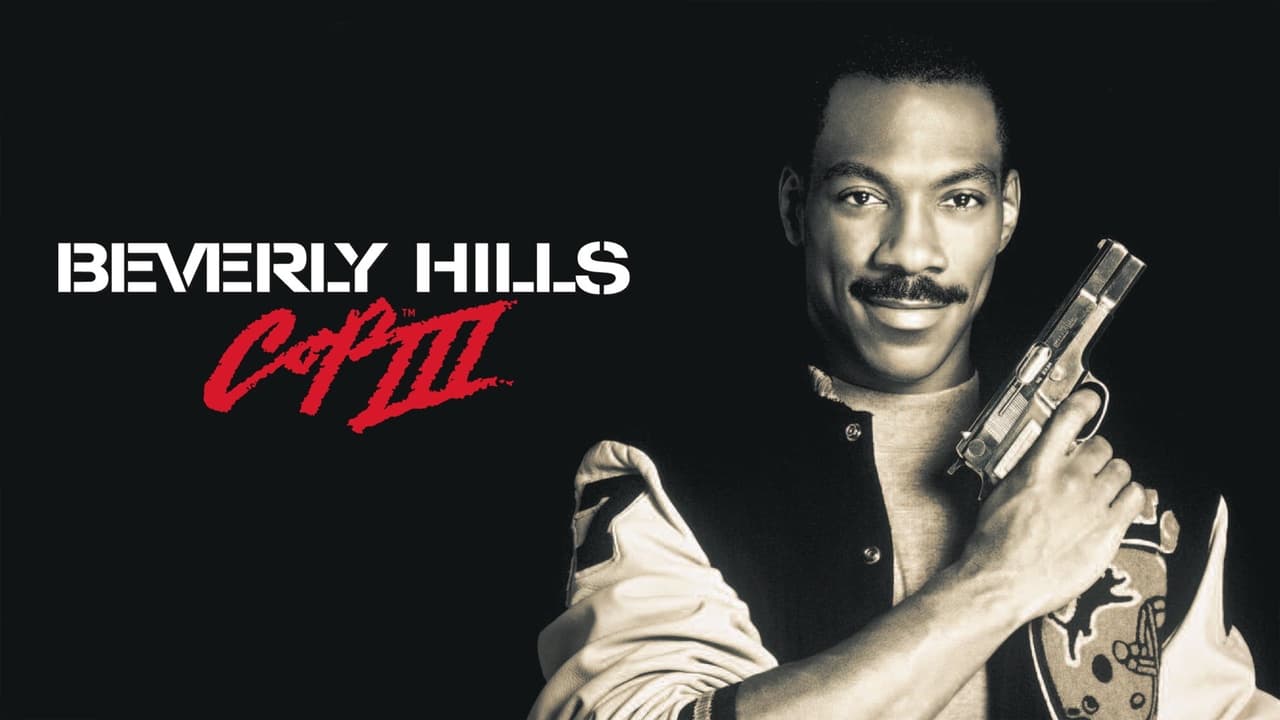
By 1994, Axel Foley wasn't just a cop; he was a cultural institution. But as the digital age began to peek over the horizon and the gritty realism of the early 90s started to sour the neon-soaked fun of the previous decade, Eddie Murphy decided it was time for Axel to grow up. The result is a film that feels like it's having a minor identity crisis in the middle of a merry-go-round—and yet, for us film nerds at Popcornizer, that's exactly what makes it such a fascinating watch today.
The Man in the Mirror (and the Mum 500)
The plot kicks off with a tragedy: Axel's long-suffering boss, Inspector Todd, is gunned down during a chop-shop raid. This sends Axel back to Beverly Hills, but the sunny, synth-pop world of 1984 has been replaced by the primary colors of "Wonder World," a fictional theme park that serves as a front for a massive counterfeiting ring.
The most jarring element here isn't the setting—it's Axel himself. Eddie Murphy famously wanted to play Axel as a more mature, grounded officer this time around. He's less about the "banana in the tailpipe" antics and more about the stoic pursuit of justice. While this robbed the film of the frantic, improvisational energy that fueled the first two, it provides a unique look at a megastar trying to navigate his own legacy. Fortunately, Héctor Elizondo steps in as Jon Flint, providing a steady hand, while Stephen McHattie brings a sharp, icy edge to the villainous Steve Fulbright.
Practical Magic and Theme Park Chaos
Director John Landis—the man who gave us the kinetic carnage of The Blues Brothers—brings a distinct slapstick-meets-scale vibe to the action. The centerpiece of the film is the "Spider" ride rescue. Looking back, this sequence is a marvelous time capsule of practical 90s stunt work. Watching Axel climb the gears and arms of a malfunctioning ride to save two children is genuinely hair-raising, largely because you can see the physical weight of the machinery. There's no weightless CGI here; it's all steel, cables, and Eddie Murphy (or his very brave stunt double) dangling over a concrete abyss.
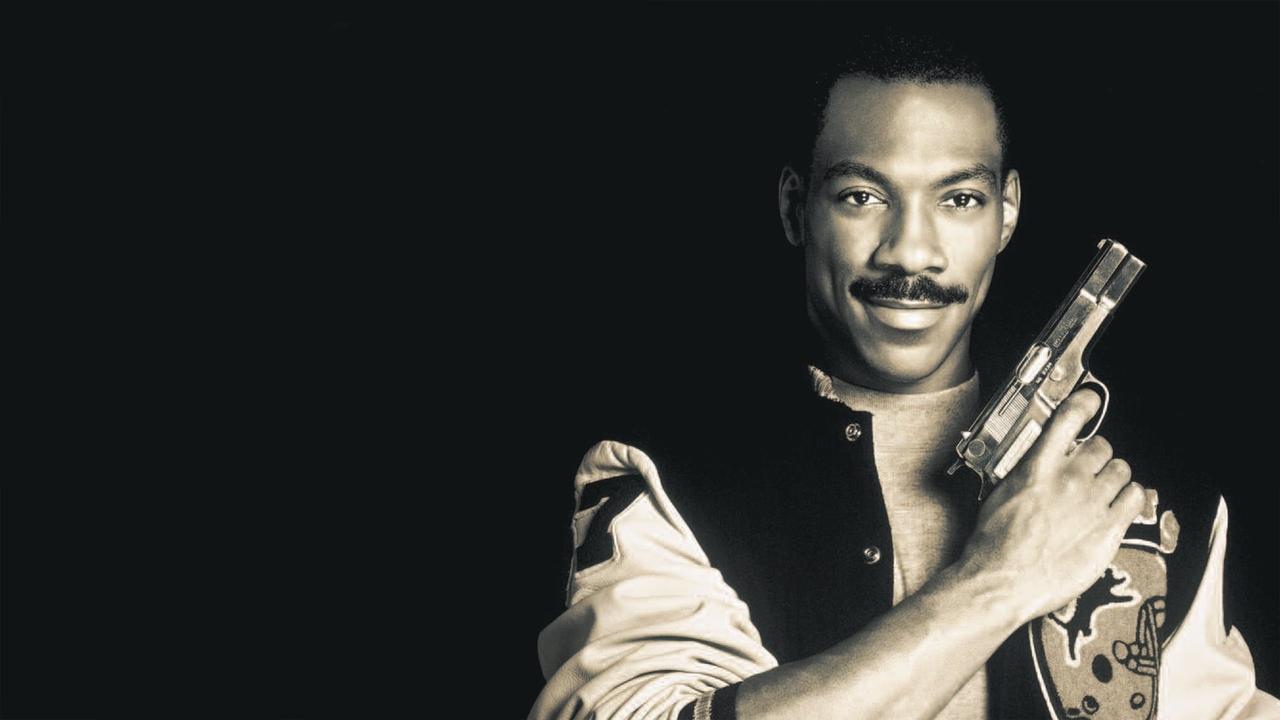
Then there is the "Annihilator." In an era where action movies were obsessed with "the next big gadget," this multi-barreled super-gun—complete with a CD player and a microwave—is the pinnacle of mid-90s prop design. It's absurd, it's bulky, and it perfectly encapsulates the film's struggle to balance gritty crime with the cartoonish atmosphere of its setting.
The Cult of the Cameo and Serge's Survival
While the film was a critical stumble upon release, it has earned a spot in the hearts of cult cinema fans for its sheer "weirdness factor." John Landis filled the frame with his industry pals. Beyond George Lucas, keep your eyes peeled for special effects legend Ray Harryhausen, Disney songwriting royalty Robert B. Sherman (who actually wrote the catchy "Wonder World" theme song), and director Arthur Hiller. It's a "Who's Who" of Hollywood history hidden in the background of an action movie.
The true saving grace for most fans, however, is the return of Bronson Pinchot as Serge. Now a "survival boutique" owner, Serge provides the only moment in the film where the classic, high-pitched Eddie Murphy laugh feels like it might actually break through. Their chemistry remains untouched by time, proving that some characters are just bulletproof.
Behind the Scenes: The Park that Almost Wasn't

The production was notoriously expensive, with the "Wonder World" sets being built largely at Paramount's own Great America theme park in Santa Clara. Interestingly, the script went through numerous iterations; at one point, it was envisioned as a Die Hard-esque thriller set in London. The shift to a theme park was a massive gamble that alienated audiences expecting the gritty streets of Detroit, but it gave the film a visual identity unlike any other action flick of the era.
Composer Nile Rodgers also had the unenviable task of updating Harold Faltermeyer's iconic "Axel F" theme for the 90s. His version is slicker, more orchestral, and reflects the film's attempt to feel "bigger" and more "cinematic," even if we all secretly missed the lo-fi drum machines of the original.
The film earns its points for the incredible "Spider" stunt sequence, the delightful return of Serge, and the sheer surrealism of its "directors' club" cameos. It's an imperfect bridge between two eras of action cinema, but as a curiosity piece for those who love seeing a franchise try to reinvent itself in real-time, it's a ride worth taking at least once. It's the cinematic equivalent of a souvenir t-shirt: a bit faded and strangely sized, but you can't bring yourself to throw it away.
Keep Exploring...
-

Beverly Hills Cop: Axel F
2024
-
Beverly Hills Cop II
1987
-
Another 48 Hrs.
1990
-
Beverly Hills Cop
1984
-

Rush Hour 3
2007
-
Lethal Weapon 4
1998
-
Blue Streak
1999
-
The Mexican
2001
-
Bad Boys II
2003
-
The A-Team
2010
-

The Green Hornet
2011
-
2 Guns
2013
-
RED 2
2013
-

Taxi
1998
-
National Security
2003
-
Taxi
2004
-
Cop Out
2010
-
Big Mommas: Like Father, Like Son
2011
-

One for the Money
2012
-
Stand Up Guys
2012