Chungking Express
"A neon-soaked fever dream of love and expiration dates."
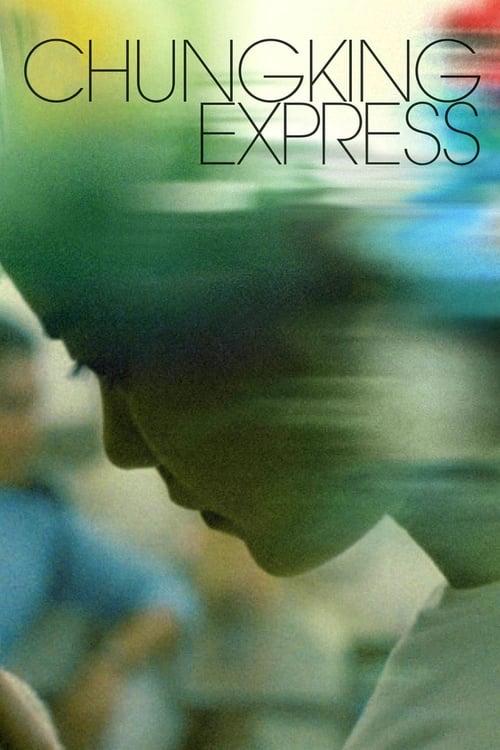
I first watched Chungking Express on a flickering CRT monitor while drinking a warm lemon tea that I’m fairly certain was three days past its best-by date. Somehow, that slightly sour, room-temperature experience felt like the perfect accompaniment to Wong Kar-Wai’s 1994 breakout hit. This isn't just a movie; it’s a mood you wear like a slightly damp trench coat on a humid night.
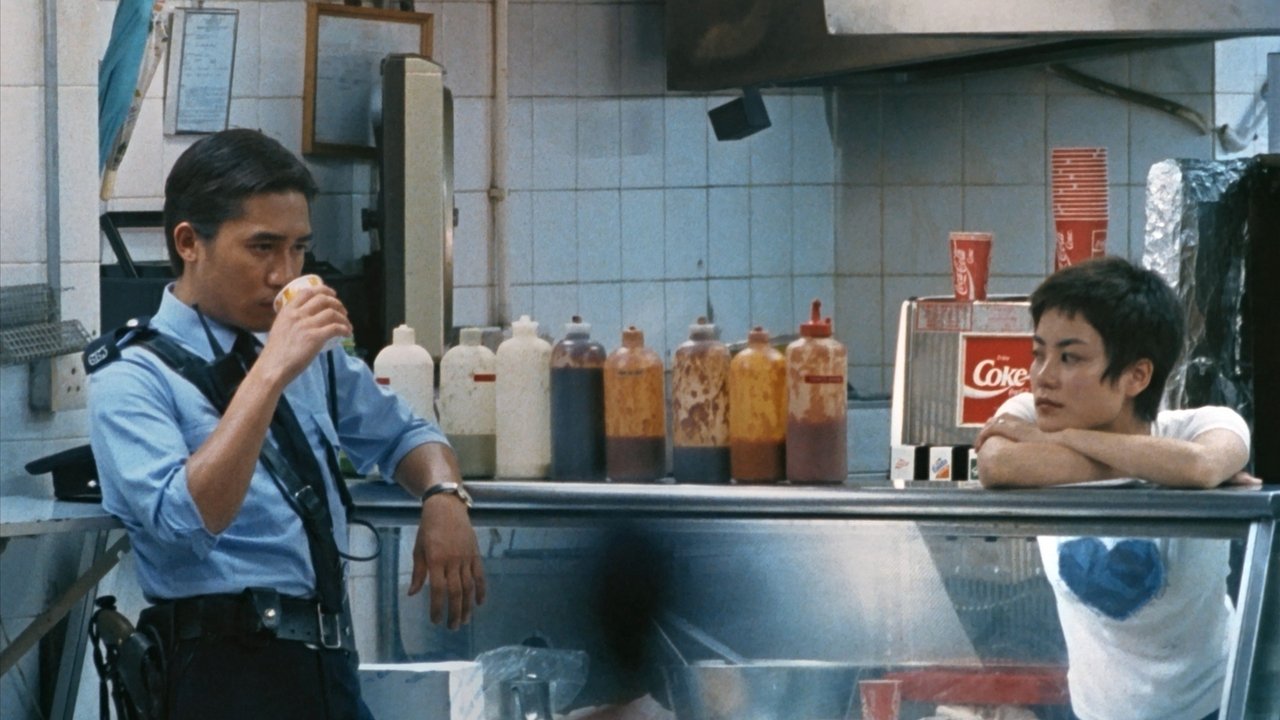
If you’ve ever felt the specific ache of being lonely in a crowd of millions, this film is your patron saint. Shot in just 23 days during a literal break from editing his massive wuxia epic Ashes of Time, Wong Kar-Wai basically went on a filmmaking bender. He had no finished script, a shoestring budget of $160,000, and a handheld camera. The result is a piece of cinema that feels more alive than almost anything coming out of the studio system today. It’s a transition point for 90s cinema—the moment where the gritty, analog energy of the 80s met the slick, pop-art sensibilities of the MTV generation.
The Loneliest Pineapple in Hong Kong
The film is split into two distinct stories that barely touch, linked only by a shared location (the Midnight Express snack bar) and a shared sense of romantic melancholy. In the first half, we follow Cop 223, played by a boyish Takeshi Kaneshiro. He’s obsessed with the fact that his girlfriend broke up with him on April Fool's Day, and he spends his nights buying cans of pineapple with an expiration date of May 1st.
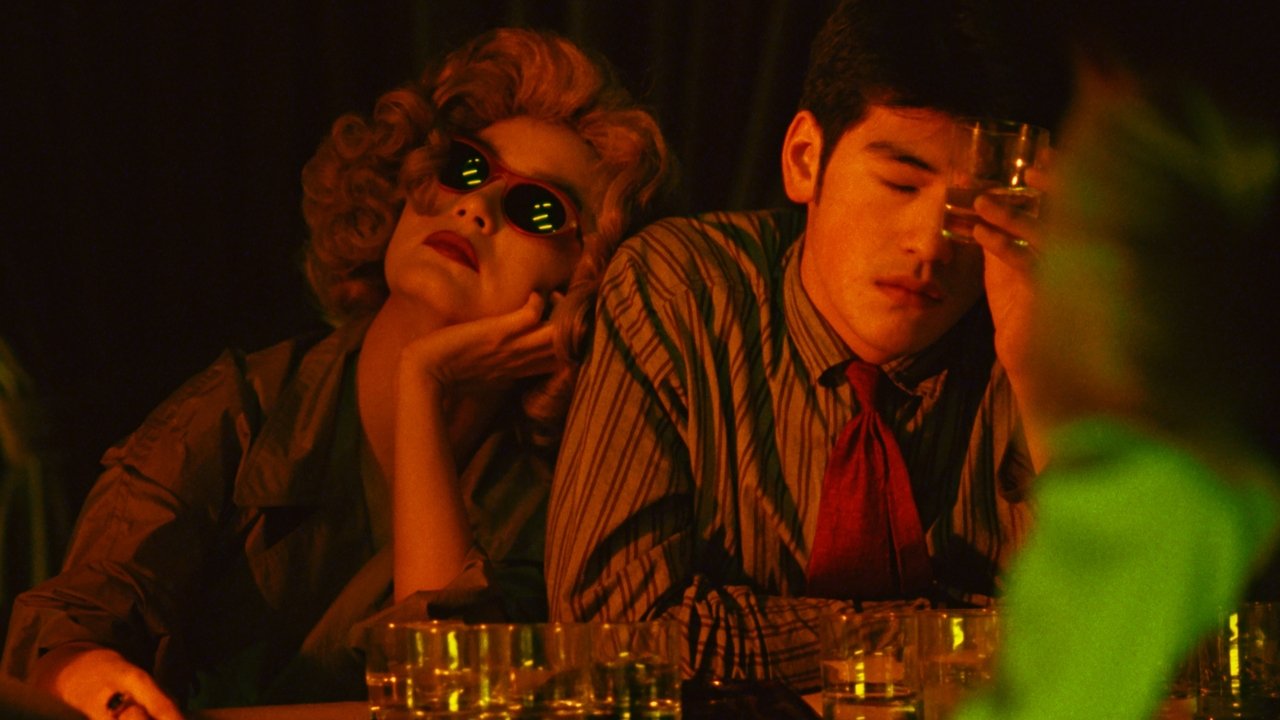
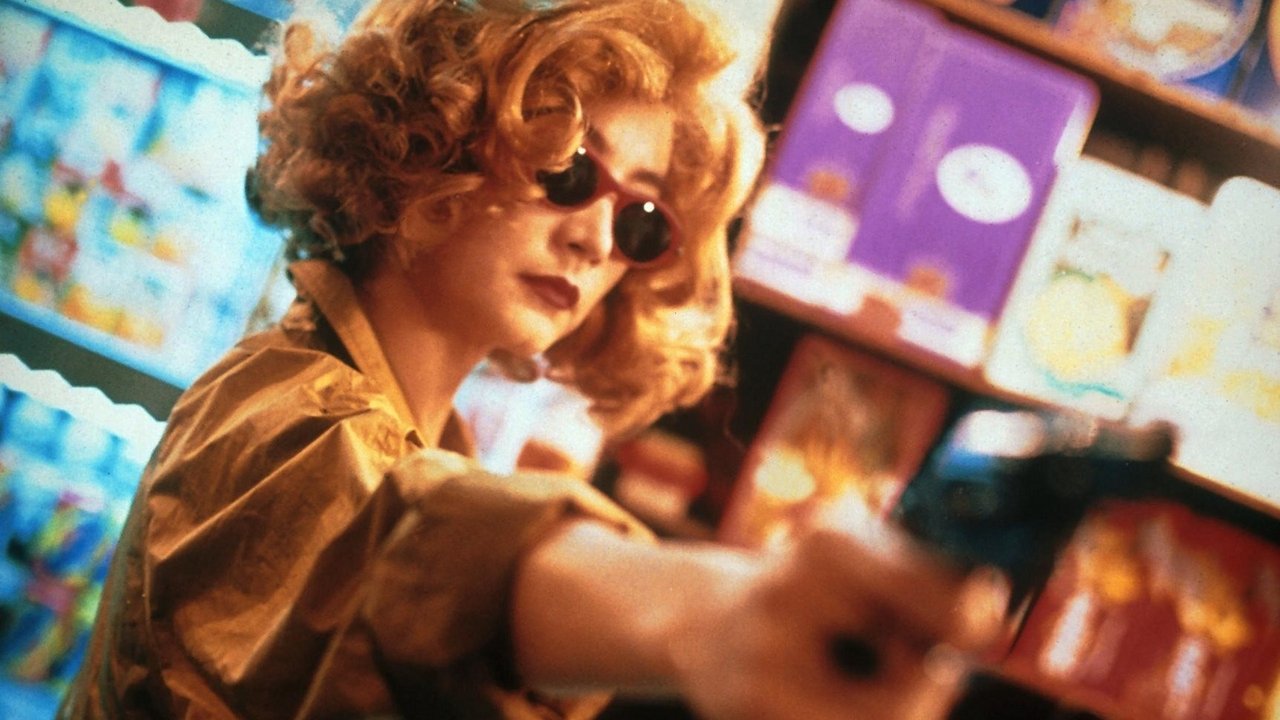
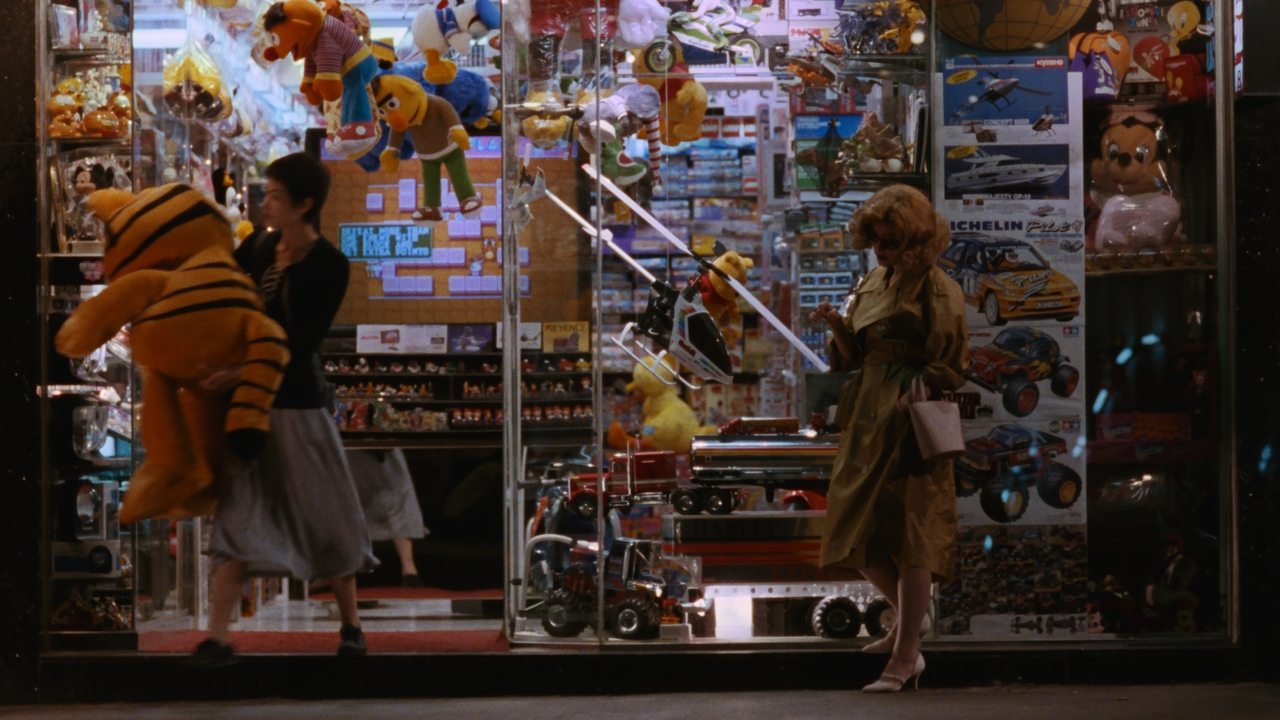
It sounds absurd, and it is, but Kaneshiro sells the heartbreak so sincerely that you find yourself rooting for him to find a can that stays fresh forever. His path crosses with a mysterious woman in a blonde wig and a raincoat—Brigitte Lin, in her final iconic role—who is navigating a drug deal gone sideways. The cinematography here by Andrew Lau (who would later direct Infernal Affairs) is dizzying. He uses a "step-printing" technique that smears the neon lights of Tsim Sha Tsui into a blur of color, making the world feel like it’s moving too fast for our heartbroken protagonist to catch up.
Breaking and Entering as a Love Language
Just as you’re settling into the noir vibes of the first story, the movie pivots entirely. We move to Cop 663, played by Tony Leung Chiu-wai, a man who could make a wet dishrag look like a Shakespearean tragedy just by staring at it with those puppy-dog eyes. He’s been dumped by an air hostess (Valerie Chow) and has started talking to his household objects. He tells his soap it’s getting too thin; he tells his wet towels to stop crying.
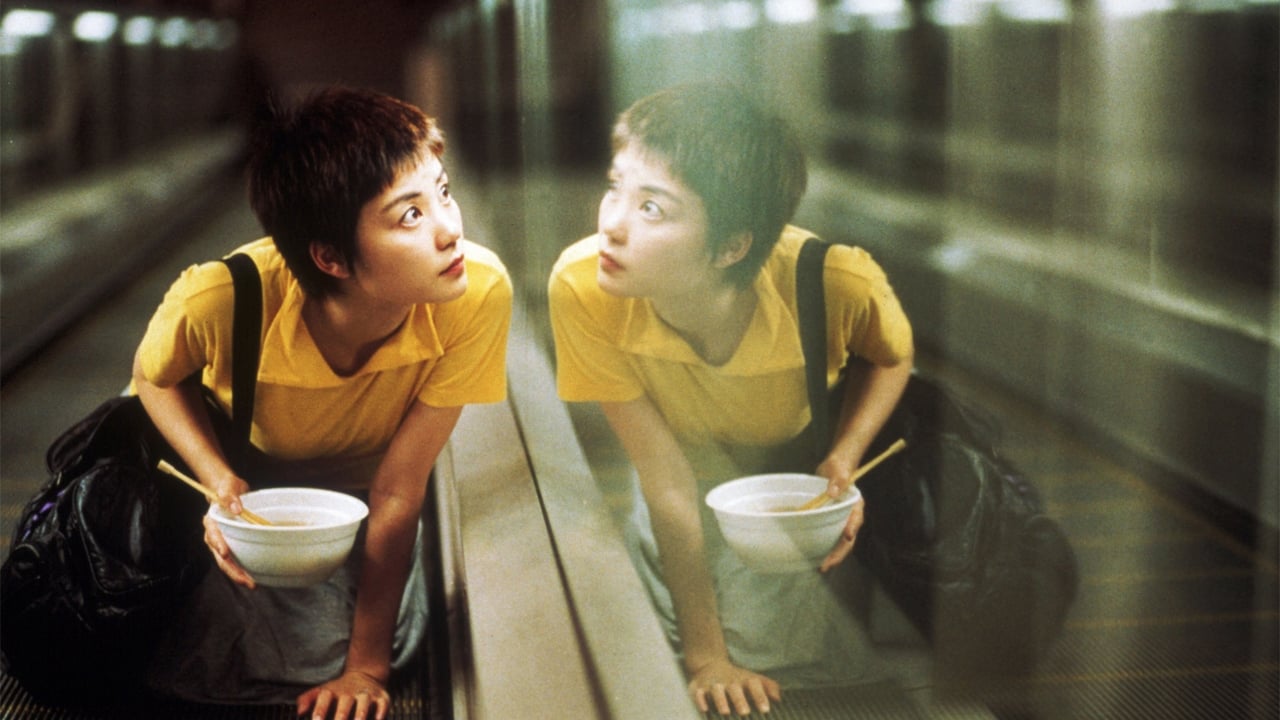
Enter Faye Wong, playing a manic, pixie-cut version of herself working at the snack bar. She gets a copy of his apartment key and, instead of doing the normal thing and asking him out, she starts breaking into his house while he’s at work to clean, redecorate, and replace his sardines. In 2024, this would be a high-stakes psychological thriller about a stalker. In the neon-hued world of 1994, it’s the most charming romance ever put to film. Faye Wong is a revelation here; her rhythmic, bobbing movements to "California Dreamin’" (which plays roughly 400 times during the movie and I never got tired of it) give the film its heartbeat.
A $160,000 Miracle
Looking back from an era where every indie hit feels like a calculated play for a streaming deal, the sheer "let's see what happens" energy of Chungking Express is refreshing. The production was the definition of "guerrilla." They shot without permits, often running away when the police showed up. The apartment belonging to Cop 663 was actually cinematographer Christopher Doyle’s real home (Doyle took over the second half of the shoot), and the cramped, lived-in feel isn't set design—it’s just Hong Kong reality.
The film became a massive cult hit in the West thanks to the "Rolling Thunder" distribution label headed by Quentin Tarantino. It’s easy to see why he loved it. It’s got that same 90s obsession with pop culture, food, and cool music, but it trades Tarantino’s violence for a deep, shimmering romanticism. It’s a film that celebrates the analog—pager messages, paper flight tickets, and canned fruit—while capturing the digital-age anxiety of how quickly we can be replaced in someone else’s life.
Chungking Express is a miracle of accidental genius. It reminds me that the best art often comes from constraints—from having no time, no money, and nothing to lose but a few hours of sleep. It’s a film that understands that love is mostly about timing, and that sometimes, the person who changes your life is the one you almost bumped into at a snack bar. If you haven't seen it, stop reading and go find it. Just check the expiration date on your snacks first.
Keep Exploring...
-
Buffalo '66
1998
-
In the Mood for Love
2000
-
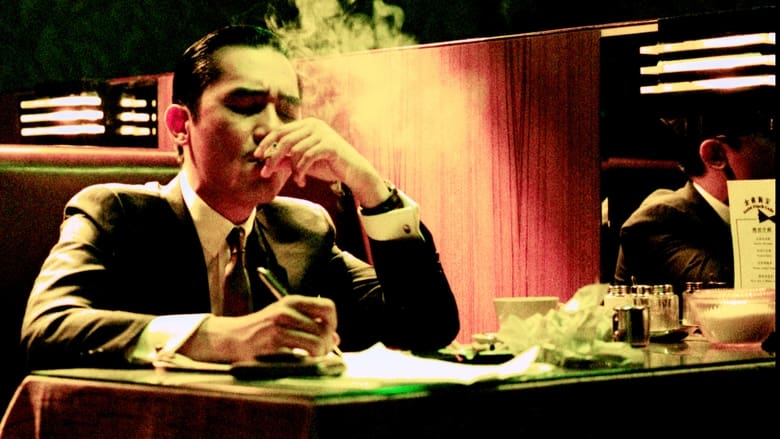
2046
2004
-
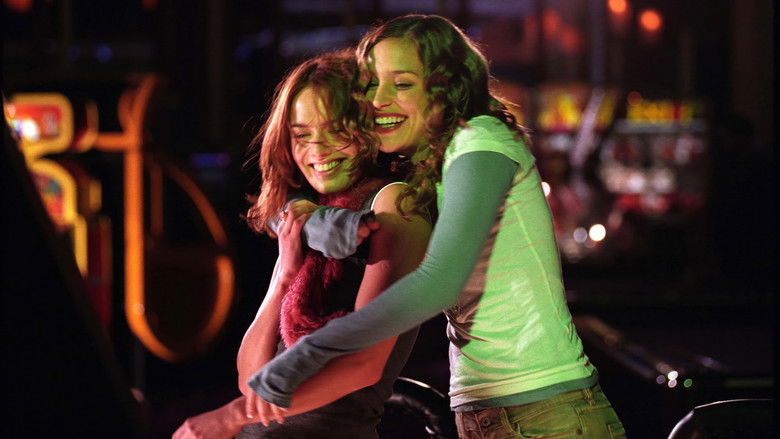
Imagine Me & You
2006
-

The First Time
2012
-
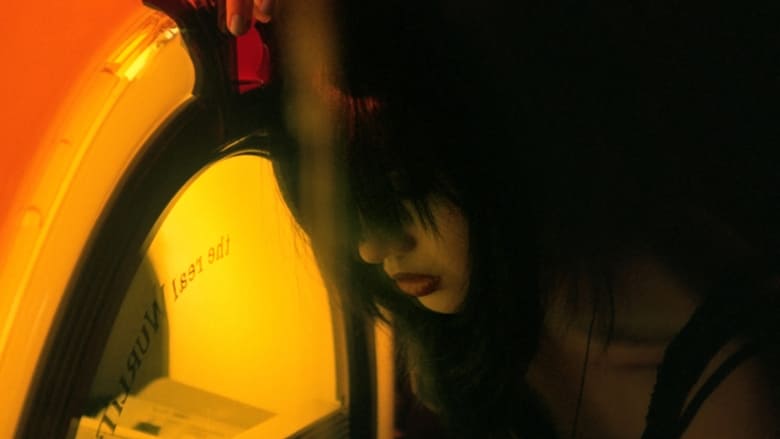
Fallen Angels
1995
-
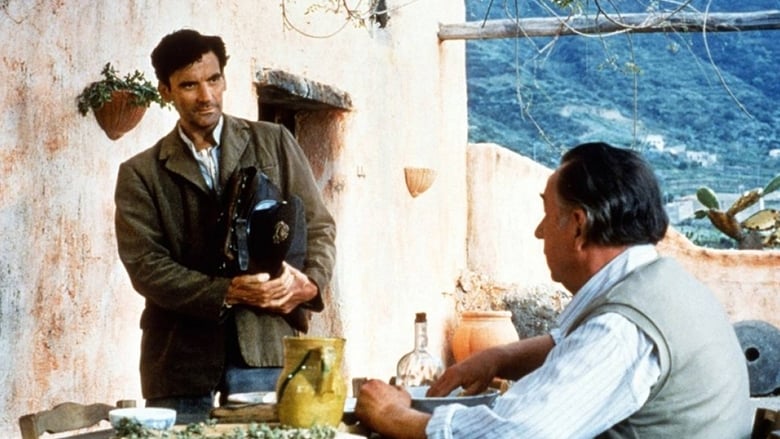
The Postman
1994
-
As Good as It Gets
1997
-

EverAfter
1998
-
Stepmom
1998
-

The Adventures of Priscilla, Queen of the Desert
1994
-
Lost in Translation
2003
-
Secretary
2002
-

Garden State
2004
-

Beginners
2011
-
Don Jon
2013
-
High Fidelity
2000
-
Punch-Drunk Love
2002
-
The Spanish Apartment
2002
-
Love Me If You Dare
2003