Clear and Present Danger
"The higher the office, the dirtier the secrets."
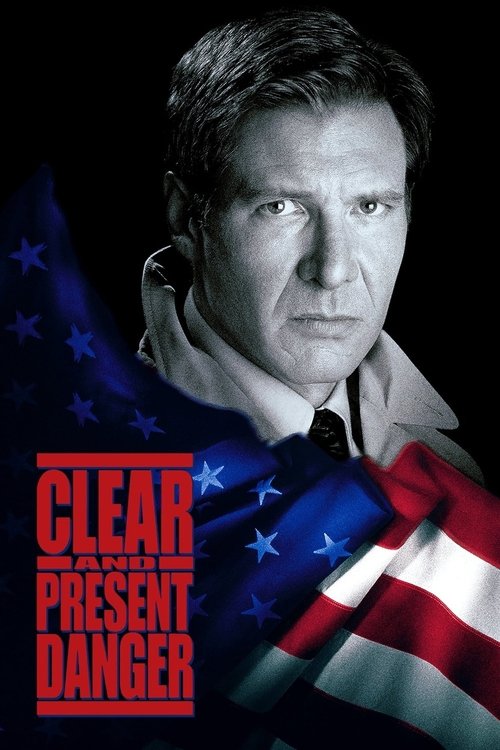
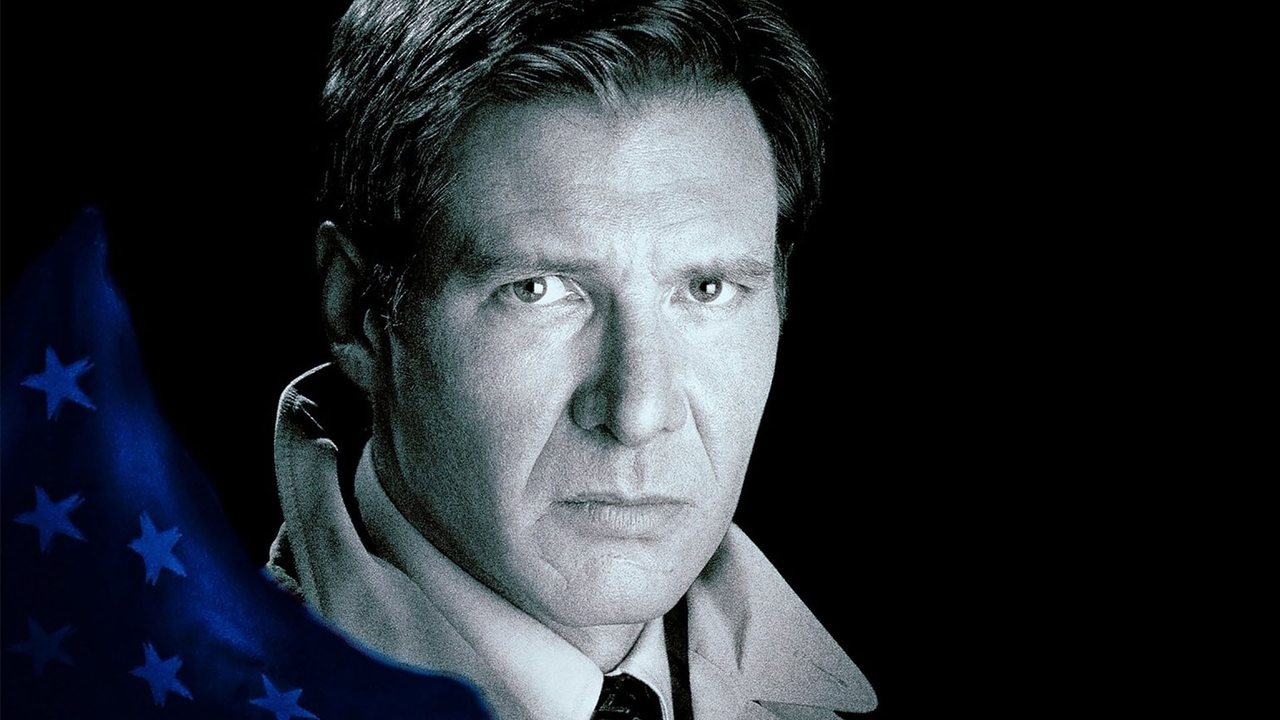
There is a specific, tactile magic to 1994 that we’ve almost entirely lost in the age of the Marvel green-screen. It’s the sound of a heavy laser printer churning out a top-secret document, the clack of a mechanical keyboard, and the sight of Harrison Ford’s furrowed brow as he realizes his own government is gaslighting him. Clear and Present Danger isn’t just an action movie; it’s the ultimate "adult" blockbuster of the 90s—a film where the paperwork is just as lethal as the Hellfire missiles.
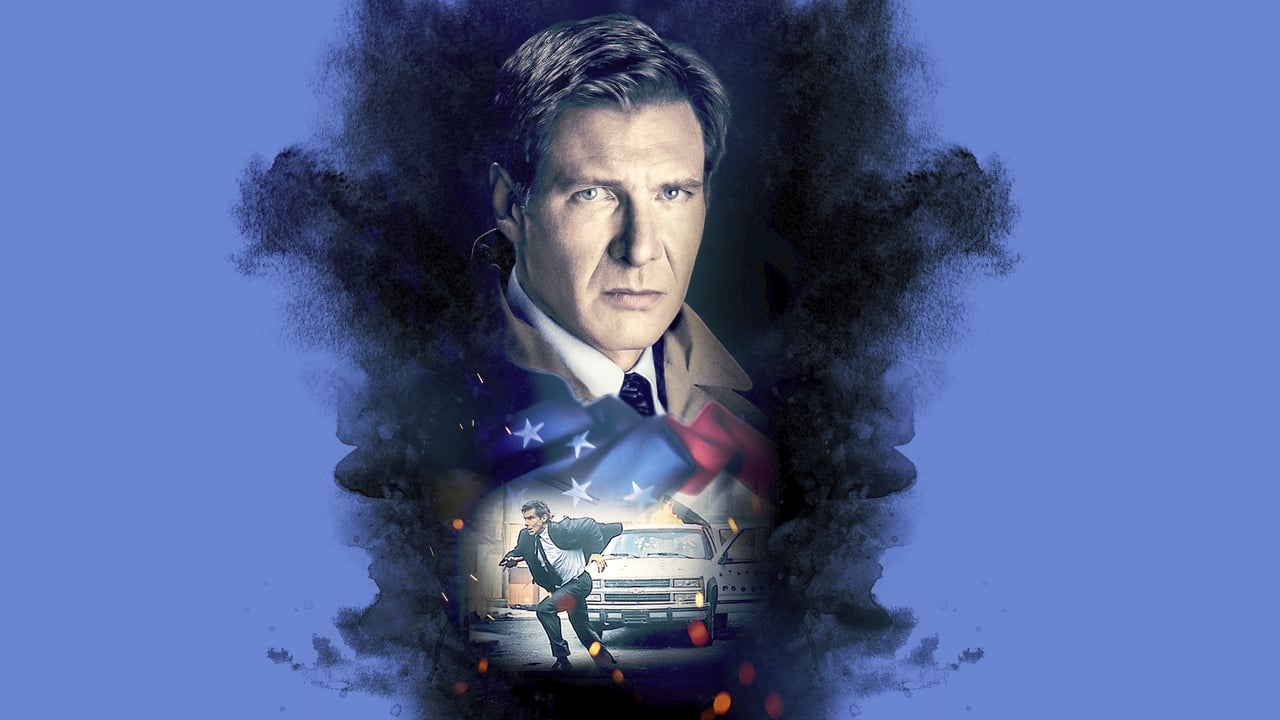
I recently rewatched this while eating a slightly-too-cold slice of pepperoni pizza on a rainy Tuesday, and honestly, the ambient gloom only made the film’s cynical political maneuvering feel more authentic. It’s the peak of the Jack Ryan franchise, landing right in that sweet spot where the Cold War was over, but we hadn't yet entered the post-9/11 era of frantic, shaky-cam chaos.
The Paperwork Action Hero
While modern heroes are often quippy demigods, Jack Ryan is a guy who just wants to go home to his wife and kids but keeps getting distracted by high-level treason. Harrison Ford is in his prime here. He’s not doing the "Indiana Jones" smirk; he’s doing the "honest man in a room full of vipers" routine that he patented. When he’s promoted to Acting Deputy Director of Intelligence because Admiral Greer (James Earl Jones, delivering gravitas with every breath) is battling cancer, Ryan thinks he’s stepping into a world of policy. Instead, he’s stepping into a meat grinder.
The villainy here isn't just the Colombian cartel, though Joaquim de Almeida plays the calculating Col. Felix Cortez with a serpent’s grace. The real rot is in the White House. Donald Moffat’s President Bennett wants "results" regarding the drug trade, and his advisors—played with delicious, bureaucratic sliminess by Harris Yulin and Henry Czerny—decide that means an illegal, off-the-books war. It turns out the most dangerous thing in Washington isn't a missile, it's a bureaucrat with a 'delete' key. Watching Ryan go toe-to-toe with Henry Czerny’s Ritter in a computer-hacking stand-off is genuinely more tense than most modern car chases.
Practical Mayhem in a Digital Dawn
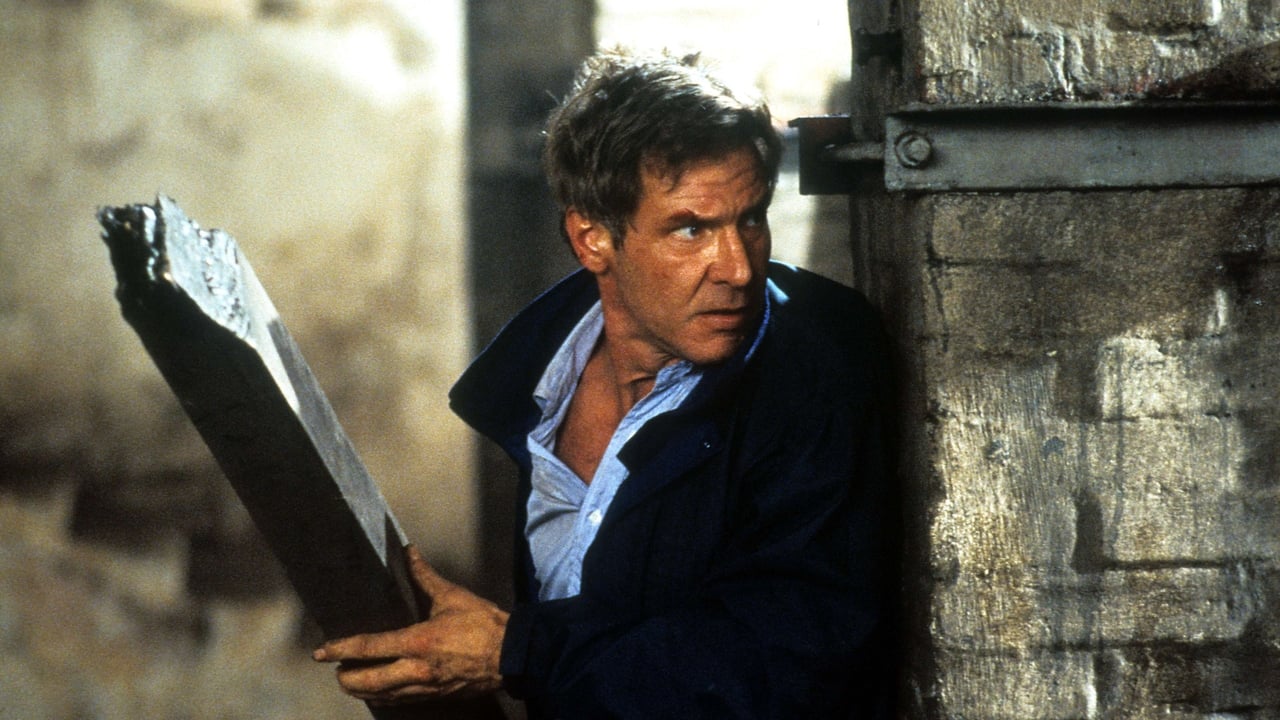
Directed by Phillip Noyce (who also helmed Patriot Games), the film is a masterclass in 90s action staging. We were right on the cusp of the CGI revolution, but Clear and Present Danger still leans heavily on practical weight. The centerpiece is the suburban ambush in Colombia. It is, quite simply, one of the best-executed action sequences of the decade.
There are no flashy "bullet-time" effects or physics-defying leaps. It’s just heavy SUVs being shredded by RPGs in narrow alleys, the sound design emphasizing the terrifying thud of metal hitting metal. The production actually spent a massive chunk of its $62 million budget recreating these streets in Mexico City, and you can feel every cent on screen. When the glass shatters and the tires squeal, it feels heavy. It feels dangerous. Harrison Ford famously did many of his own stunts during this sequence, including a frantic scramble between vehicles that looks far too real to be comfortable.
The film also introduces us to John Clark, played by Willem Dafoe with a gritty, mercenary charm that perfectly balances Ryan’s Boy Scout energy. Dafoe’s Clark represents the "dirty work" of the era, operating in the jungle with a squad of soldiers who are eventually abandoned by their own government. This subplot captures that growing 90s cynicism—the fear that the "boots on the ground" were just pawns for men in air-conditioned offices.
A Blockbuster with a Brain (and a Budget)
Looking back, it’s wild to think that a movie this dense with political jargon and maritime law was the fourth highest-grossing film of 1994. It pulled in over $215 million globally, proving that audiences were hungry for thrillers that didn't treat them like toddlers. This was the era of the "Dad Thriller," a genre that thrived on DVD shelves for the next twenty years. I remember my own father owning the special edition widescreen VHS, and there was something about that gold-lettered spine that suggested importance.
The film’s legacy is its groundedness. Even James Horner’s score avoids the bombastic superhero tropes of today, opting for a driving, percussive military theme that sounds like a heart rate monitor during a panic attack. This was the peak of the "Clancy-verse," before the franchise drifted into reboots and TV procedurals. It captures a specific American anxiety about the "War on Drugs" and the realization that the line between "us" and "them" was becoming increasingly blurry.
Clear and Present Danger is a reminder that you don't need a multiverse to raise the stakes. You just need a principled man, a massive conspiracy, and a very fast printer. It’s a polished, muscular piece of filmmaking that respects your intelligence while still giving you enough explosions to satisfy the summer blockbuster itch. If you haven't seen it in a while, it’s time to revisit the era when Harrison Ford's most powerful weapon was his integrity (and a very expensive suit).
Keep Exploring...
-
Patriot Games
1992
-
The Hunt for Red October
1990
-
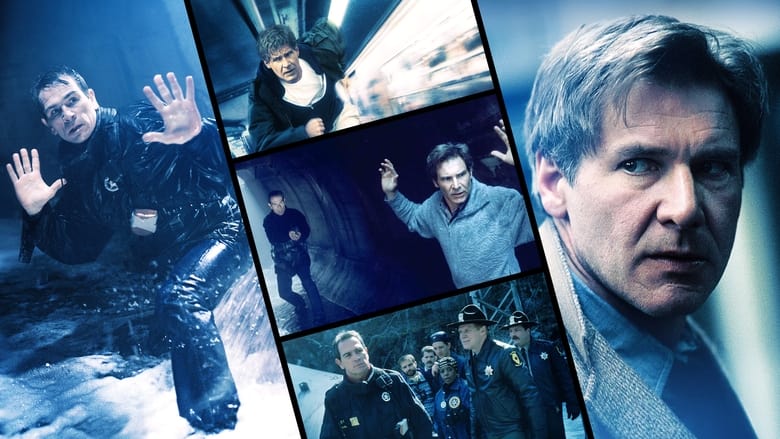
The Fugitive
1993
-

Outbreak
1995
-
The Saint
1997
-
The Bone Collector
1999
-
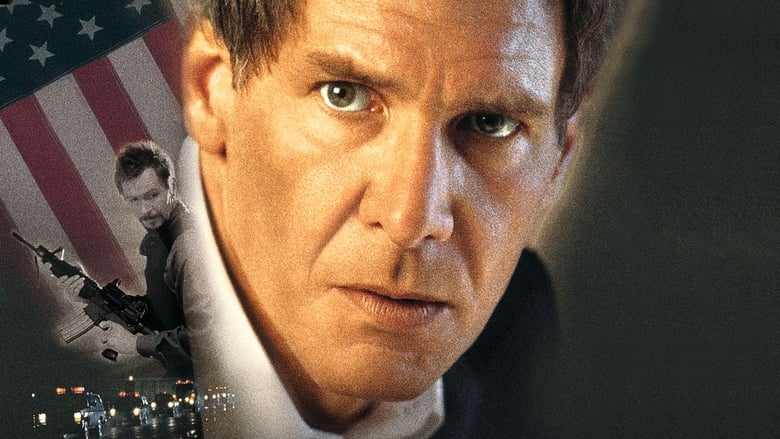
Air Force One
1997
-
In the Line of Fire
1993
-
The Net
1995
-

The Bourne Identity
2002
-
xXx
2002
-
The Bourne Supremacy
2004
-

Mr. & Mrs. Smith
2005
-
The Bourne Ultimatum
2007
-
Fast & Furious
2009
-

Salt
2010
-
Rise of the Planet of the Apes
2011
-
Jack Reacher
2012
-
Dawn of the Planet of the Apes
2014
-

Need for Speed
2014