Disclosure
"Promotion has never been so predatory."
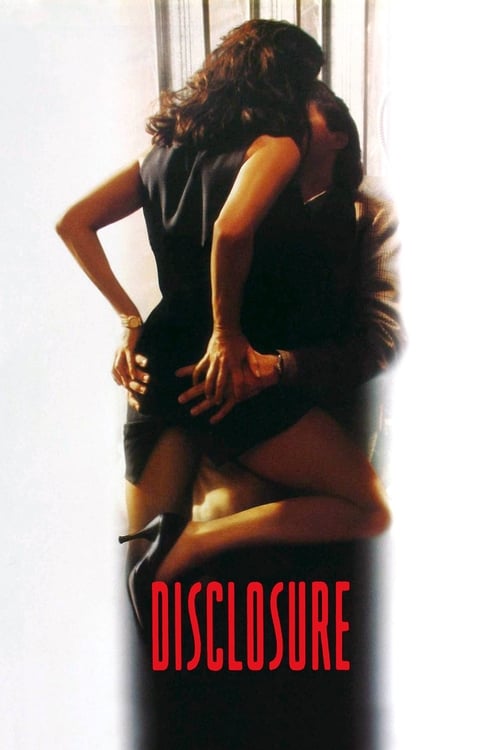
Walking into a Cineplex in 1994 felt like entering a temple dedicated to the "Information Superhighway." We were obsessed with what the digital future looked like, but we were still stuck with beige towers, floppy disks, and the constant, rhythmic churning of dot-matrix printers. Disclosure is the quintessential 1994 time capsule—a film that treats a CD-ROM drive manufacturing defect with the same apocalyptic gravity most movies reserve for a ticking nuclear bomb. I remember watching this for the first time on a grainy VHS tape while my dad complained loudly about the price of gas reaching $1.10 a gallon, and even then, I was struck by how much the movie wanted to make the corporate office feel like a high-stakes battlefield.
The Art of the Corporate Ambush
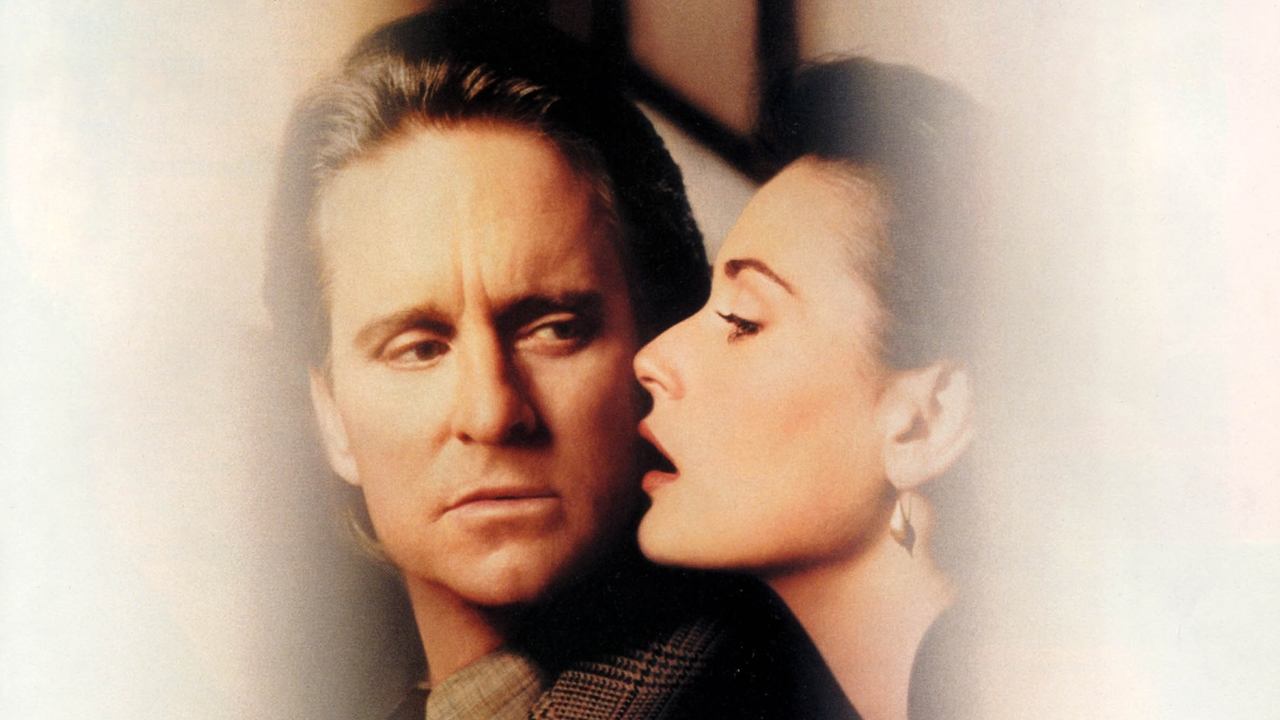
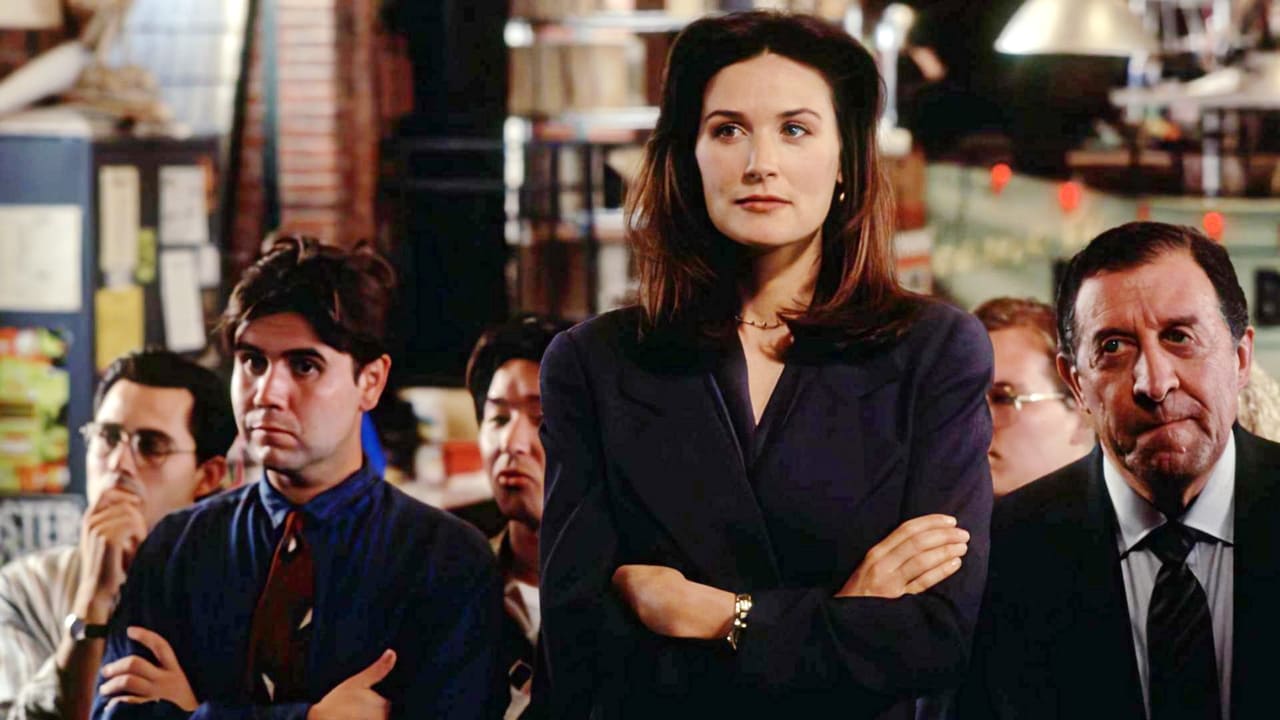
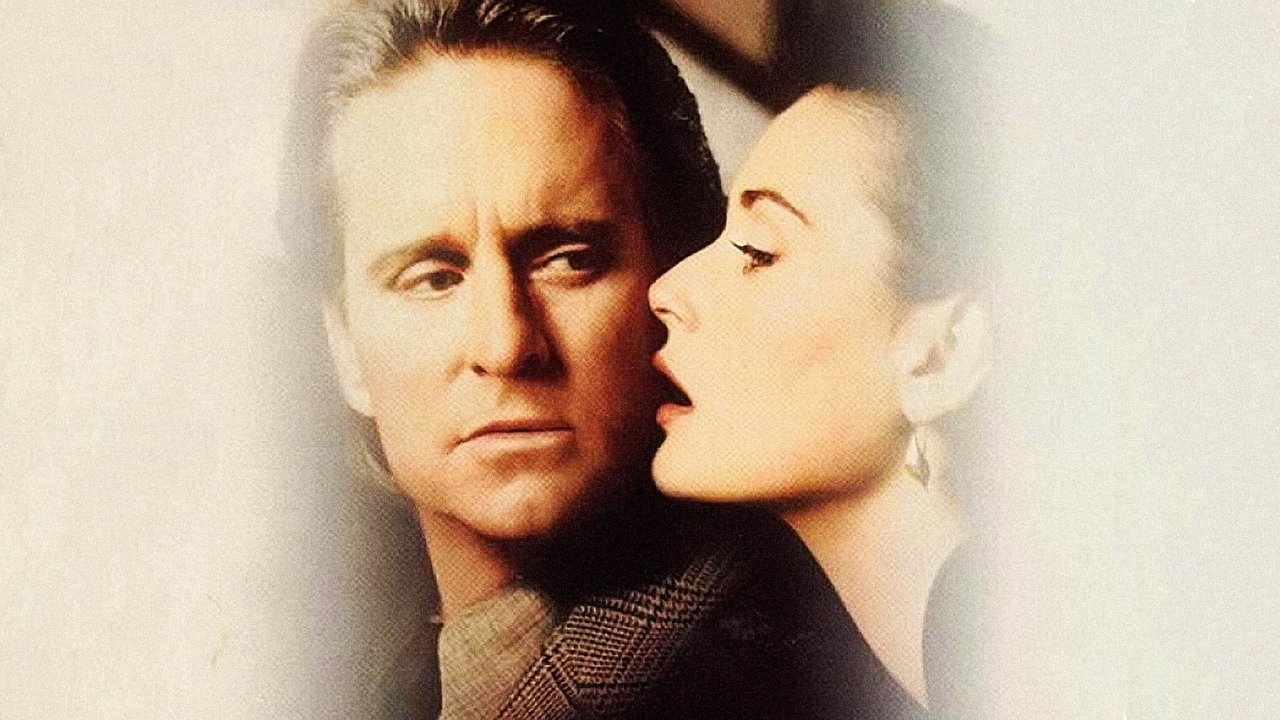
Directed by Barry Levinson, Disclosure isn’t just a thriller; it’s a high-gloss adaptation of a Michael Crichton bestseller that traded the dinosaurs of Jurassic Park for the sharks of a Seattle tech firm. Michael Douglas stars as Tom Sanders, a man who expects a promotion but instead finds himself reporting to an old flame, Meredith Johnson, played with icy, predatory precision by Demi Moore.
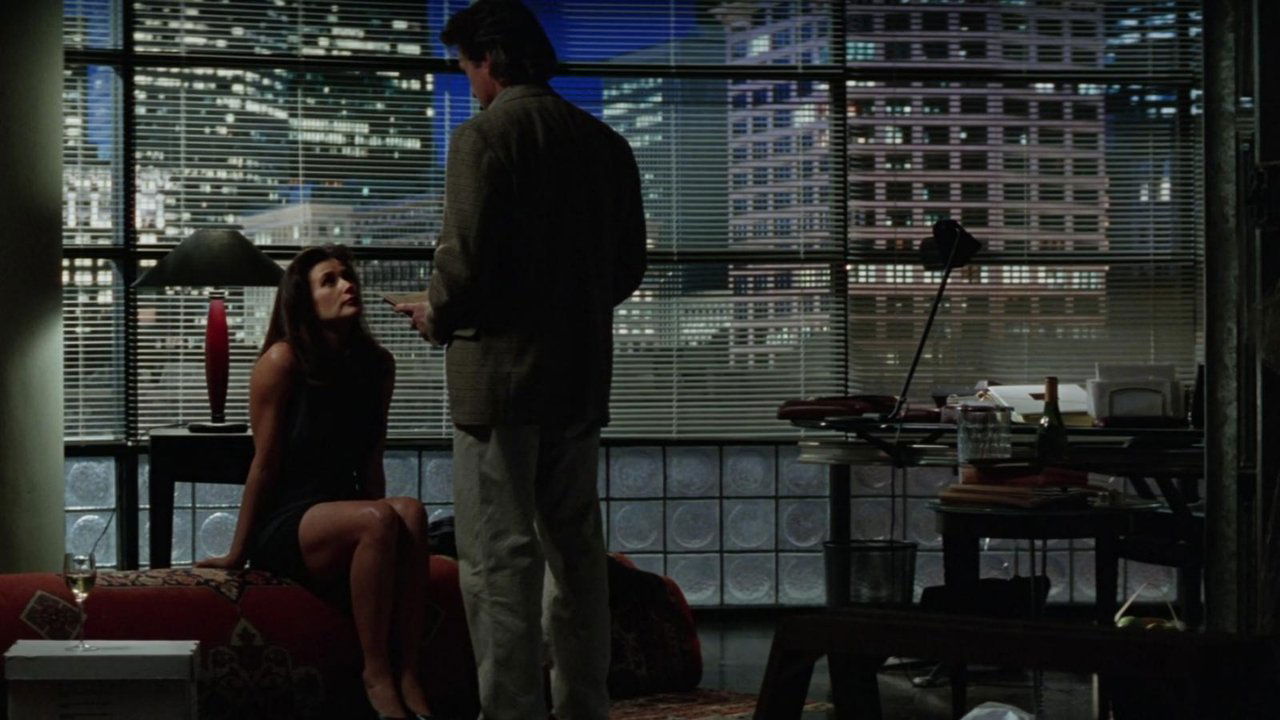
The film's pivot point is an infamous, uncomfortable office encounter where Meredith attempts to sedate Tom with high-end Scotch and a very aggressive physical advance. When he rejects her, the power dynamic flips instantly. She accuses him of harassment. It was a provocative "gender-swap" premise for the mid-90s that sparked endless water-cooler debates. Looking back, the film handles the legalities with surprisingly sharp teeth, largely thanks to Roma Maffia as Catherine Alvarez, Tom’s lawyer. She is the absolute MVP here, cutting through the corporate double-speak with a cynicism that feels incredibly grounded compared to the glossy melodrama surrounding her.
Virtual Reality in a Dial-Up World
One of the most fascinating things about revisiting Disclosure is seeing how it visualized the "future." This was the era of the CGI revolution, and Barry Levinson clearly wanted to show off what was possible. To find "deleted" files, Michael Douglas has to put on a clunky VR headset and walk through a digital "corridor" that looks like a library designed by someone who had only ever seen a computer in a dream.
The VR sequence looks like a fever dream sponsored by a 1994 RadioShack catalog. At the time, it was meant to be cutting-edge; today, it’s a charming relic of Y2K-era tech anxiety. It’s a literal manifestation of the "digital transition" mentioned in the era's history—a moment where Hollywood was desperate to make the act of searching a database look as exciting as an Indiana Jones temple run. Despite the dated graphics, there’s an earnestness to it that I find more endearing than the seamless, invisible CGI of today. It reminds me of the ambitious learning curve of the 90s—they didn't always get it right, but they were swinging for the fences.
The Douglas Archetype and the Moore Powerhouse
This film sits comfortably in the Michael Douglas "Victimized Man" trilogy, sandwiched between Fatal Attraction and Basic Instinct. Douglas was the undisputed king of playing the successful, slightly arrogant everyman who suddenly finds himself underwater. He brings that familiar, breathless anxiety to Tom Sanders, making you feel every bead of sweat as his career disintegrates.
But the movie belongs to Demi Moore. She was at the height of her box office power, and she plays Meredith not as a cartoon villain, but as a corporate strategist who views sex as just another tool in the merger-and-acquisition toolbox. She is ruthless, and the film doesn't apologize for it. Watching her face off against Donald Sutherland, who plays the company’s CEO Bob Garvin with a terrifying, whisper-quiet "grandfatherly" menace, is a masterclass in watching people lie to each other’s faces. Donald Sutherland has this way of making a polite smile feel like a death sentence.
Behind the Scenes: A $214 Million Water-Cooler Moment
Disclosure was a massive hit, raking in over $214 million against a $55 million budget. It’s easy to see why. It tapped into the exact anxieties of the mid-90s: the fear of the internet, the changing dynamics of women in the workplace, and the looming corporatization of everything. Interestingly, the film was a "blockbuster" that relied almost entirely on dialogue and tension rather than explosions.
The production was a slick, well-oiled machine. Dylan Baker shows up as the quintessential corporate snake, Philip Blackburn, a role he could play in his sleep but imbues with a particular brand of 90s smarm. The score by Ennio Morricone is also worth a mention—it’s surprisingly subtle for a thriller, opting for a pulsing, rhythmic tension that mirrors the ticking clock of the corporate merger.
Disclosure is a polished, highly watchable piece of 90s adult counter-programming. It’s the kind of movie they don’t really make anymore—a mid-budget, star-driven drama that expects the audience to care about the intricacies of a corporate merger. While the "cyber" elements have aged into unintentional comedy, the core drama about power and the way institutions protect themselves remains uncomfortably relevant. It’s a snapshot of a moment when the future was exciting, terrifying, and apparently stored on a very large, very expensive laserdisc.
Keep Exploring...
-

Sleepers
1996
-
A Perfect Murder
1998
-

Traffic
2000
-
The Net
1995
-
Patriot Games
1992
-
In the Line of Fire
1993
-
The Pelican Brief
1993
-
The Talented Mr. Ripley
1999
-
Backdraft
1991
-
Sphere
1998
-
Donnie Brasco
1997
-

Hannibal
2001
-
xXx
2002
-
Collateral
2004
-
Fast & Furious
2009
-
Jack Reacher
2012
-

Need for Speed
2014
-
Kiss the Girls
1997
-
Fallen
1998
-

Outbreak
1995