Ed Wood
"Visions of grandeur on a hubcap budget."

I’ve always been a sucker for a beautiful failure. There’s something deeply human about a person swinging for the fences and accidentally hitting themselves in the face with the bat. I first saw Ed Wood on a grainy VHS I’d rented from a shop that smelled perpetually of microwave popcorn and floor cleaner, and I remember my cat, Barnaby, spent the entire runtime trying to catch the black-and-white shadows on the screen. It felt appropriate; we were both chasing something that wasn't quite there.
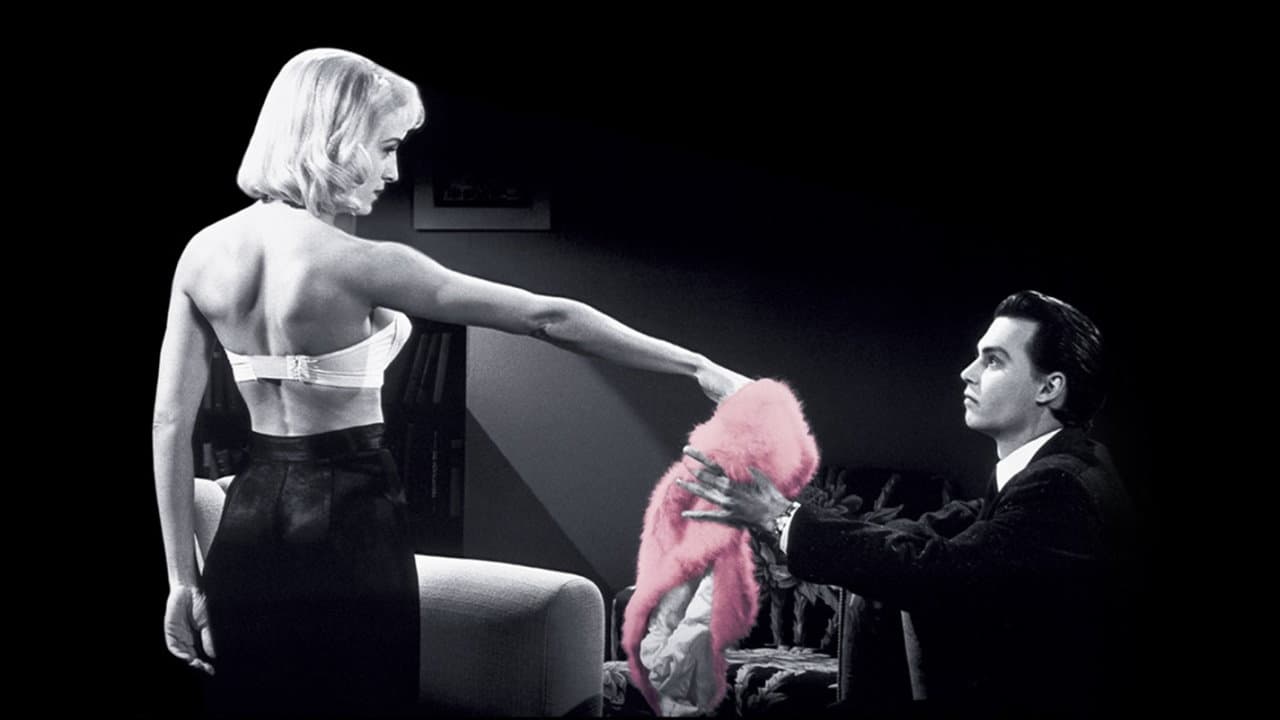
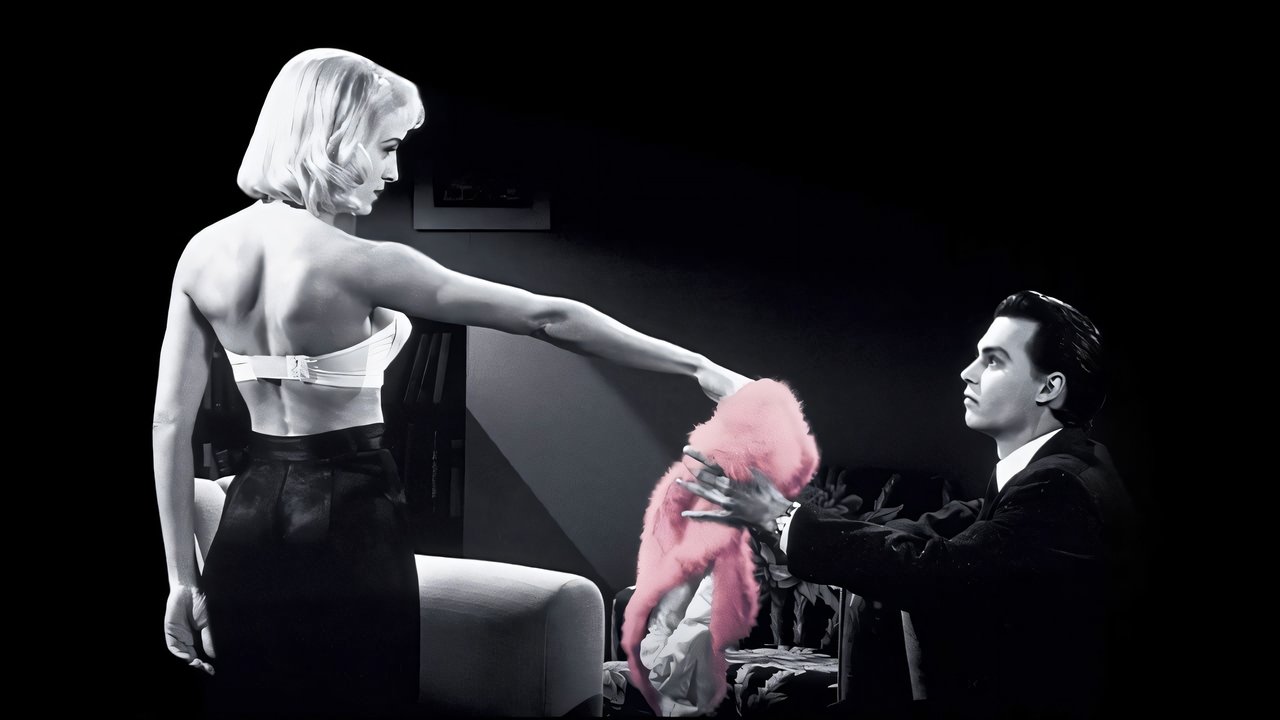
In the mid-90s, Tim Burton was the reigning king of the "weirdo blockbuster." He’d given us Batman and Edward Scissorhands, but Ed Wood felt different. It was smaller, sharper, and arguably more personal. It’s a biopic of the man often crowned the "worst director of all time," yet Burton treats him with the reverence usually reserved for a Fellini or a Spielberg. Looking back from our current era of polished, AI-assisted, "fix-it-in-post" filmmaking, Ed Wood stands as a gorgeous, high-contrast monument to the sheer, unadulterated joy of making a mess.
The Optimism of the Delusional
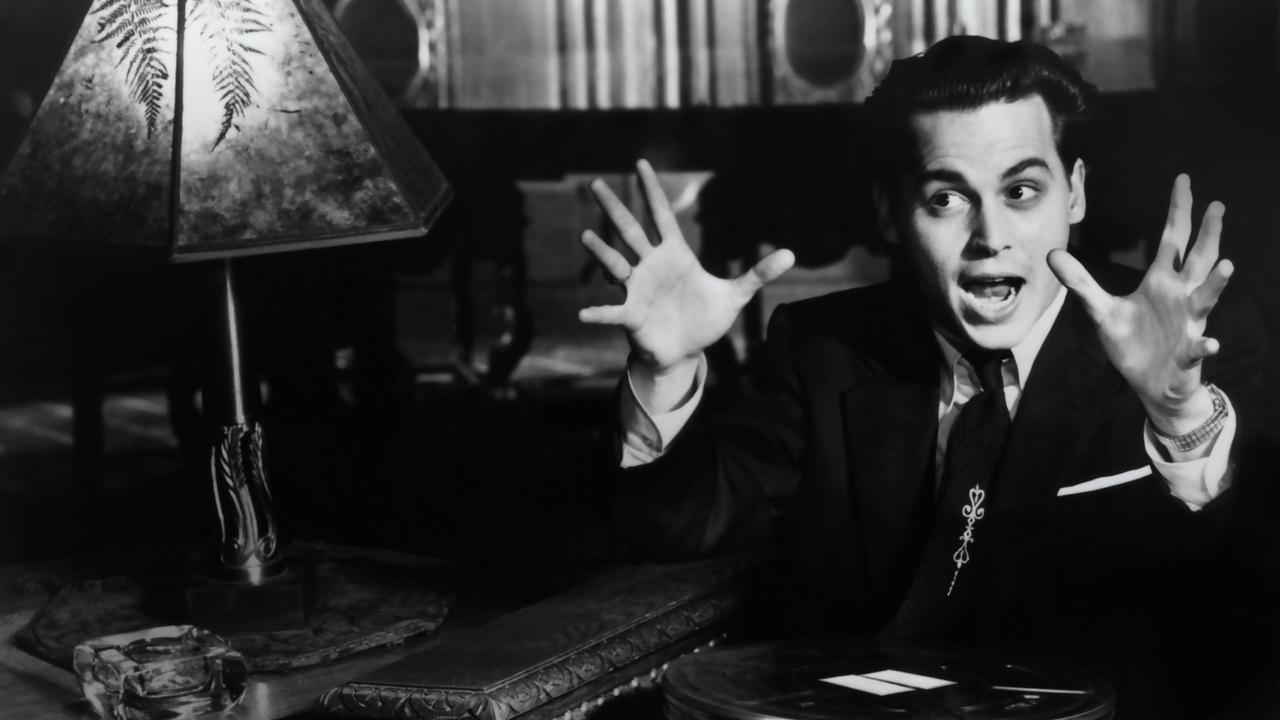
Johnny Depp plays Ed Wood with a wide-eyed, toothy optimism that borders on the terrifying. He’s a man who looks at a wobbly set piece or a script full of giant plot holes and says, "Perfect! Print it!" It’s a performance built on manic energy and a genuine love for the craft, even if the craft doesn't love him back. He treats every C-grade monster movie like it's Citizen Kane.
The 90s were a golden age for these kinds of "casting against type" transformations. Before he became a pirate or a hat-maker, Depp was doing some of the most nuanced work of his career here. He captures that specific 1950s "can-do" spirit, even when he’s wearing a stolen angora sweater and directing a fake octopus. That’s the beauty of the film; it doesn't mock Ed. It celebrates the fact that he actually did it. He made movies. Most people just talk about it over overpriced coffee; Ed went out and stole a mechanical octopus from a studio lot because he couldn't afford the rental.
The supporting cast is a delightful rogue's gallery of Hollywood outsiders. Sarah Jessica Parker (pre-Sex and the City) is great as the increasingly frustrated Dolores Fuller, and Patricia Arquette brings a sweet, grounding presence as Kathy O'Hara. Then there’s Jeffrey Jones as the "psychic" Criswell and Bill Murray—in one of his best low-key roles—as Bunny Breckinridge, the man dreaming of a gender-reassignment surgery in Mexico while playing a space alien.
The Landau Masterclass
If Johnny Depp is the engine of the movie, Martin Landau is its soul. His portrayal of a fading, morphine-addicted Bela Lugosi is nothing short of miraculous. It’s a performance of tragic dignity. I’ve watched that scene where he stands in the mud, reciting a monologue about "the big green dragon" a dozen times, and it hits me in the gut every single time. Landau managed to play Lugosi not as a caricature, but as a man who knows his glory days are behind him but still has enough pride to demand a "decent burial."
Interestingly, Landau didn't use heavy prosthetics to look like Lugosi; he mostly relied on his own facial expressions and an intense, haunting stare. Apparently, Bela Lugosi Jr. was initially worried the film would make a mockery of his father, but after seeing Landau’s performance, he became a massive supporter. It’s easy to see why. The friendship between the young, delusional director and the old, forgotten star is the most moving "romance" in Burton’s entire filmography.
A Love Letter to the Analog Struggle
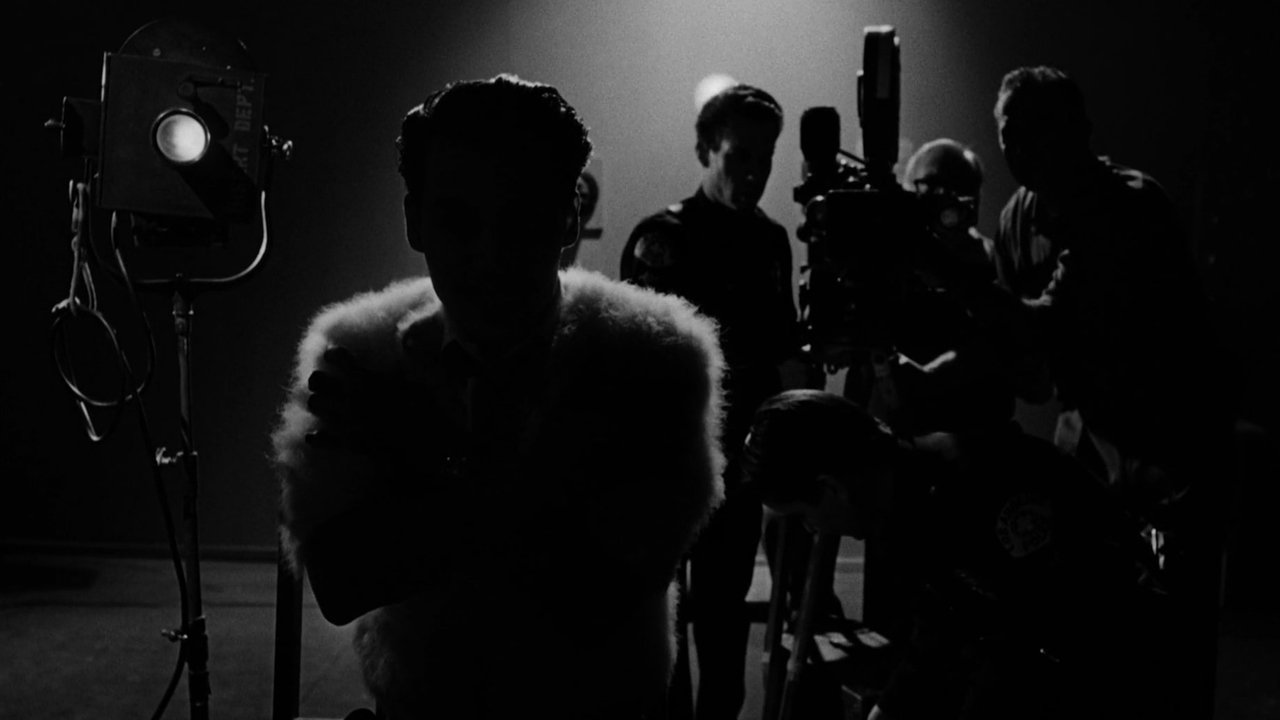
Technically, the film is a triumph. Stefan Czapsky’s cinematography is lush, high-contrast black and white that makes 1950s Los Angeles look like a dreamscape. This was a bold choice in 1994; Columbia Pictures actually put the film into turnaround because they hated the B&W idea, which is how it ended up at Disney’s Touchstone Pictures. It captures that transition era perfectly—the shift from the high-glamour studio system to the gritty, independent fringes where Ed thrived.
The film arrived just as the "Indie Film Renaissance" of the 90s was peaking. While movies like Pulp Fiction were reinventing the crime genre, Ed Wood was looking backward to show us where the DIY spirit came from. It’s a "cult classic" about a "cult director," which is some delightful meta-layering. It even features a hilarious cameo by Vincent D'Onofrio (voiced by Maurice LaMarche) as Orson Welles, providing the ultimate validation for Ed's creative madness.
There’s a legendary bit of trivia that the "octopus" prop they stole for Bride of the Monster didn't have the motor to make the tentacles move. In the movie (and in real life), Ed just told the actor to wiggle the legs himself to make it look like he was being strangled. Ed Wood is essentially a Pixar movie for weirdos who like sweaters, proving that enthusiasm is the ultimate special effect.
In an age where every frame of a movie is color-graded to death and focus-grouped into oblivion, Ed Wood feels like a warm hug from a fellow failure. It’s funny, heartbreaking, and visually stunning. It reminds me that the most important part of any creative endeavor isn't the budget or the talent—it’s the "Why." Ed knew his "Why," even if his "How" was a disaster. If you’ve ever tried to create something and felt like the world was laughing at you, watch this. It’ll make you want to go out and fail all over again.

Keep Exploring...
-
Edward Scissorhands
1990
-
Big Eyes
2014
-
Fear and Loathing in Las Vegas
1998
-
Sleepy Hollow
1999
-
Frankenweenie
2012
-

Rushmore
1998
-
The Chorus
2004
-
Charlie and the Chocolate Factory
2005
-
Public Enemies
2009
-
Corpse Bride
2005
-

My Girl
1991
-

Dazed and Confused
1993
-
10 Things I Hate About You
1999
-

Being John Malkovich
1999
-
Big Fish
2003
-

Mars Attacks!
1996
-
The Royal Tenenbaums
2001
-
Confessions of a Dangerous Mind
2002
-
Sweeney Todd: The Demon Barber of Fleet Street
2007
-

The Darjeeling Limited
2007