Four Weddings and a Funeral
"Love is messy, weddings are worse."
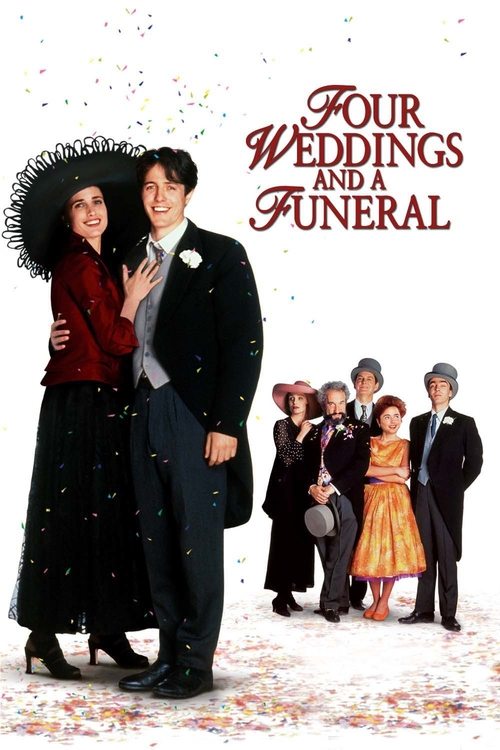
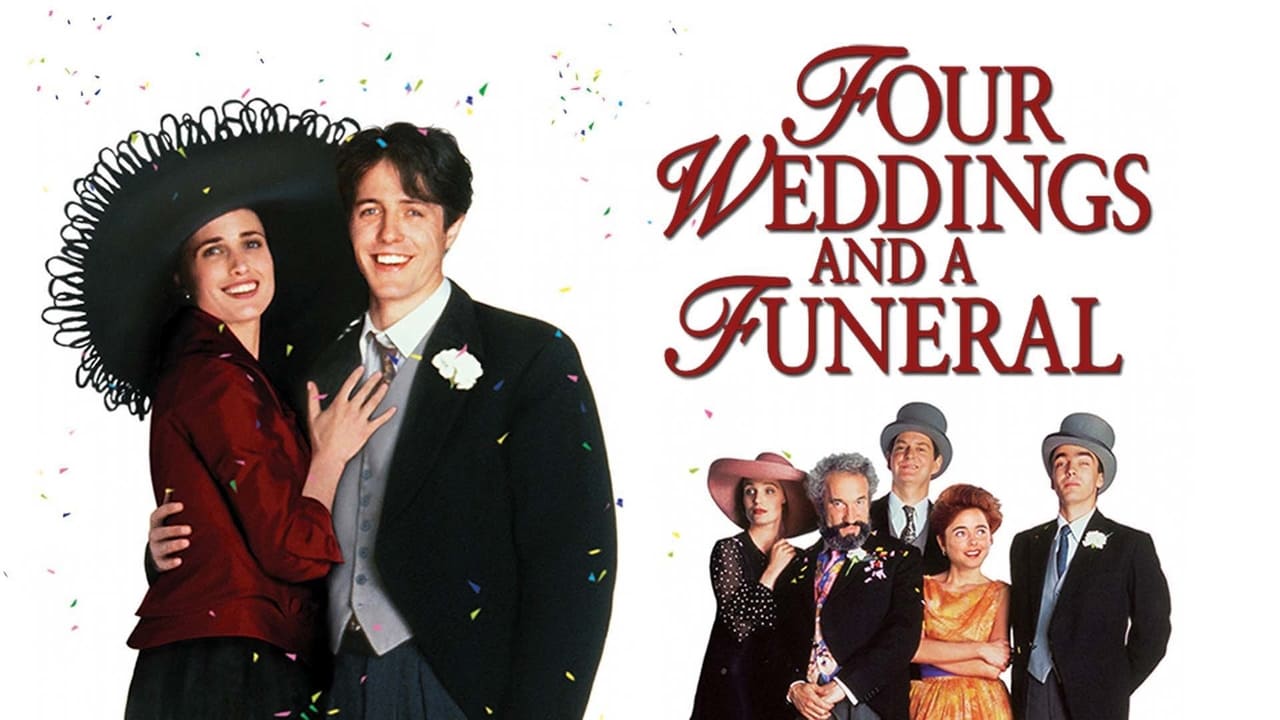
Before the Marvel Cinematic Universe started claiming every weekend of our lives, and before the "indie film" became a polished brand, there was a tiny British comedy that effectively conquered the planet with nothing but a few morning suits and a very specific haircut. In 1994, Four Weddings and a Funeral didn't just become a hit; it became a financial anomaly. It cost about $4.4 million to make—roughly the catering budget for a mid-sized action movie today—and returned over $245 million. That is the kind of ROI that makes studio executives weep into their spreadsheets, and it all happened because Richard Curtis decided to write about his own chronic inability to behave normally at social gatherings.
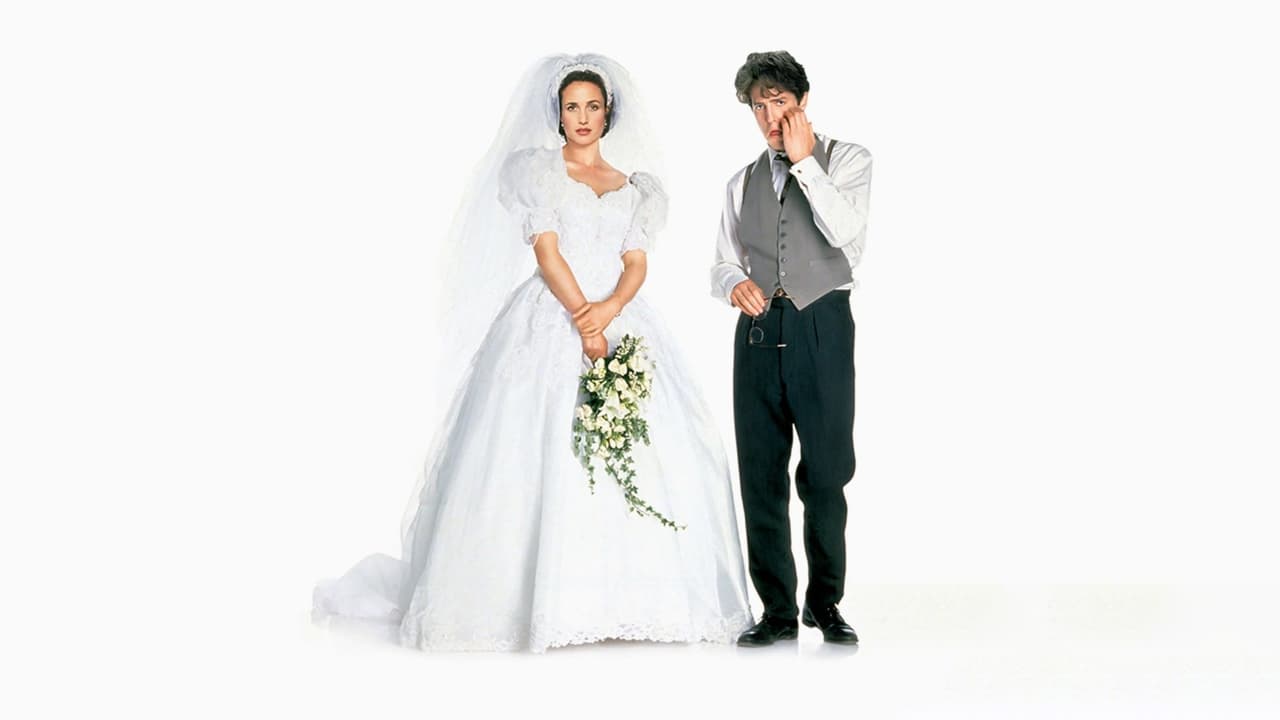
The Accidental Blueprint
I watched this again recently while nursing a mild head cold and eating a bowl of lukewarm oatmeal, and it struck me how much this film serves as the "patient zero" for the modern British rom-com. Before this, British cinema was largely synonymous with grim social realism or dusty period dramas where people looked longingly at hillsides. Then along comes Hugh Grant as Charles, stumbling over his own sentences and looking like he’s perpetually apologizing for occupying physical space.
It’s easy to forget, now that we know the "Hugh Grant Persona" so well, how revolutionary this felt at the time. He wasn't the chiseled, confident lead of the 80s; he was a mess. He forgets the rings, he gets trapped in cupboards, and he manages to tell a girl he loves her by saying he’s "not not in love" with her. It’s a masterclass in deflection, and Hugh Grant plays it with a twitchy, blinking brilliance that he would spend the next two decades trying to outrun. Looking back, you can see the DNA of everything from Notting Hill to Love Actually being forged right here. It’s the birth of a brand that marketed British awkwardness as a global commodity.
The Problem With Carrie
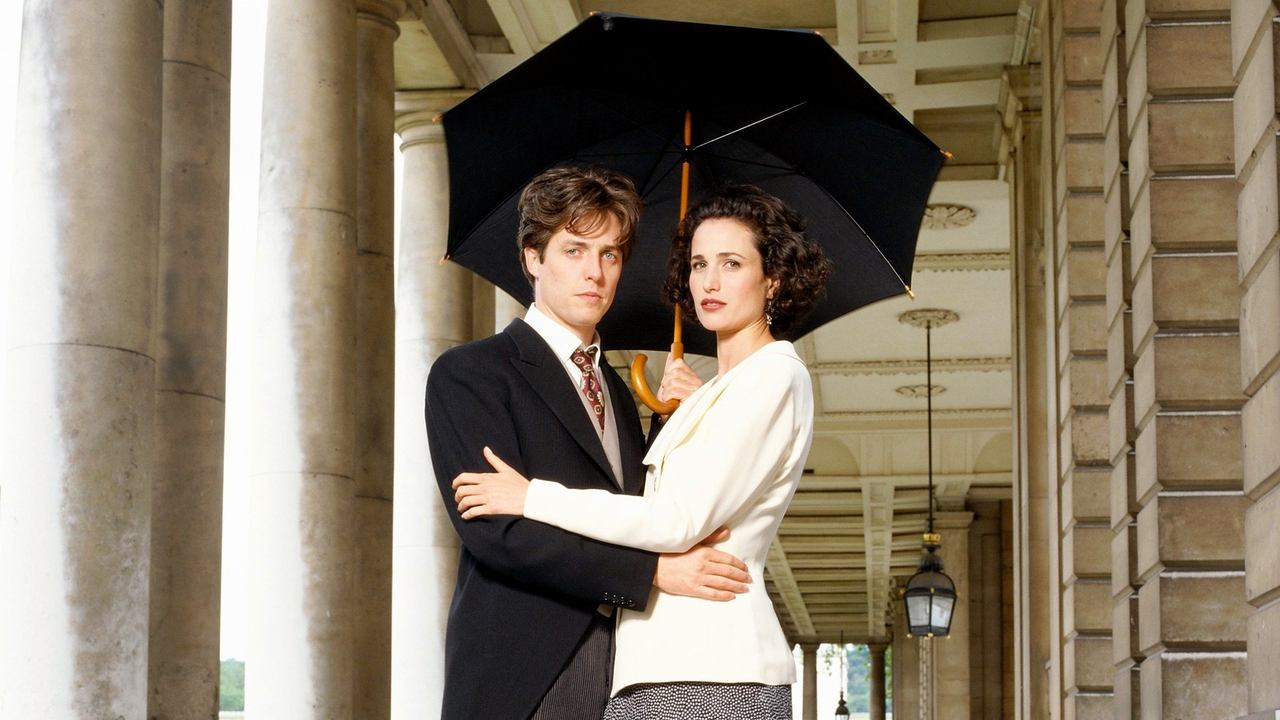
We have to talk about the elephant in the room—or rather, the American in the morning suit. Andie MacDowell as Carrie is the film’s most debated element. While the British ensemble is a vibrant, chaotic family of eccentrics, Carrie often feels like she’s visiting from a completely different movie. She’s meant to be the unattainable "other," the enigma that pulls Charles out of his bachelor shell, but she has all the narrative depth of a particularly well-lit perfume advertisement.
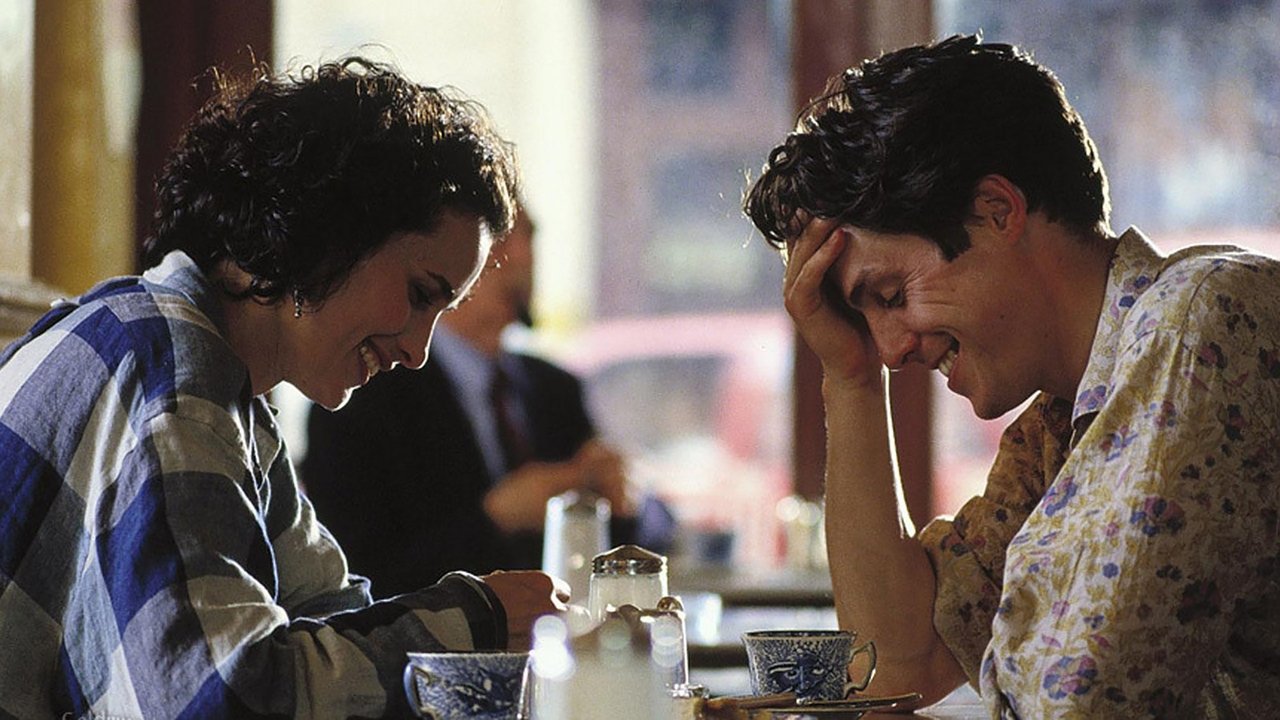
The "Is it raining? I hadn't noticed" line at the end is frequently cited as one of the worst pieces of dialogue in cinema history, and honestly, I’m not here to defend it. It’s a clunker. However, in my most recent viewing, I found myself appreciating Carrie more as a catalyst than a character. The movie isn't really about her; it's about how the idea of her disrupts Charles's comfortable, stagnant life. The real chemistry in this movie isn't between the leads—it's between the friends.
Grief in the Middle of the Party
The reason Four Weddings earns its status as a drama, and not just a fluff piece, is the "Funeral" portion of the title. The shift from the manic energy of the third wedding to the sudden, jarring silence of Gareth’s death remains one of the most effective tonal pivots in 90s cinema. Simon Callow is so boisterous and life-affirming as Gareth that his absence leaves a genuine hole in the film’s atmosphere.
When John Hannah stands up to read W.H. Auden’s "Stop all the clocks," the movie stops being a "floppy-hair comedy" and becomes something profoundly human. I remember hearing that after this film came out, that specific Auden poem became a bestseller in the UK. It’s a testament to Mike Newell’s direction that the transition doesn't feel manipulative. He lets the grief sit there, uncomfortable and heavy, right in the middle of a movie that spent the previous hour making jokes about "the holy goat." It grounds the stakes. Without the funeral, the weddings are just parties; with it, they are desperate, beautiful attempts to find connection before the clock stops.
Stuff You Didn't Notice
The production stories for this film are a riot of low-budget desperation. Because they had no money, many of the extras at the weddings were actually friends of the cast and crew who were told to bring their own suits. Hugh Grant has famously said that during filming, he was convinced the movie was going to be a total disaster. He thought his performance was terrible and that the whole thing was "the most terrible thing ever caught on film."
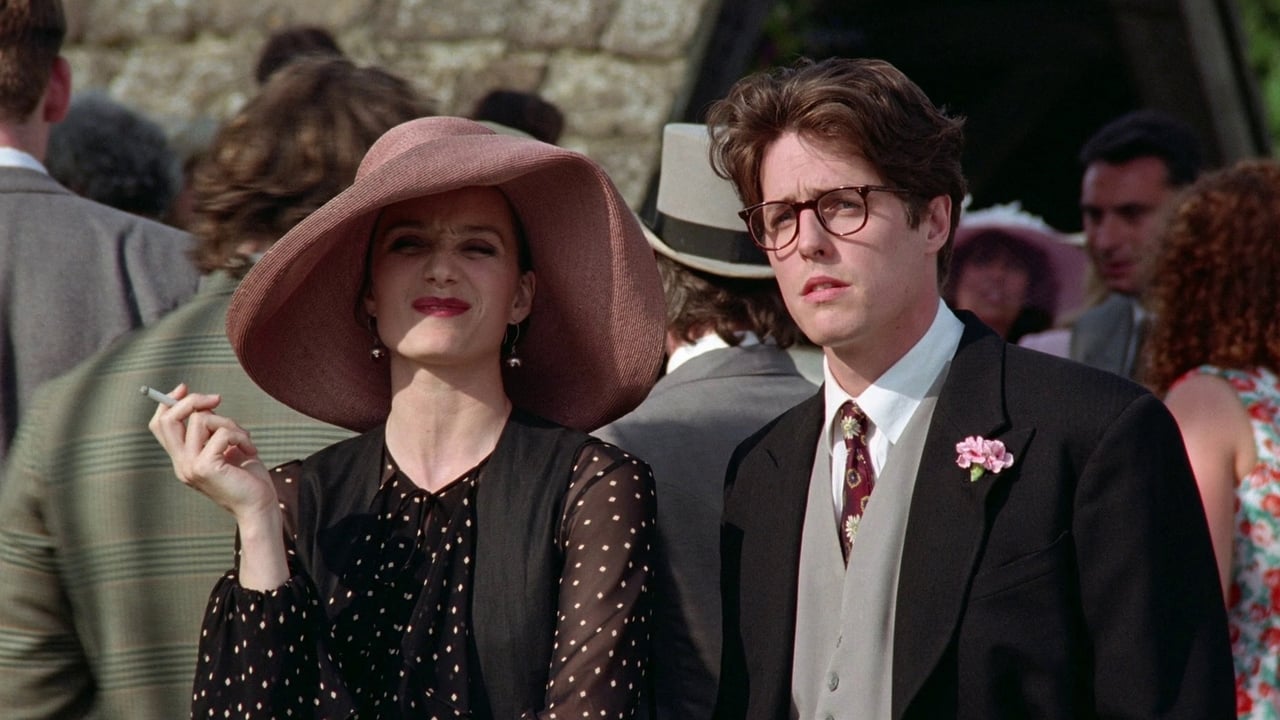
It’s also fascinating to look at Kristin Scott Thomas as Fiona. She plays the "pining friend" trope with such devastating, sharp-edged dignity that she almost steals the entire movie. Her confession of love to Charles is arguably the most heartbreaking moment in the script—far more resonant than the actual central romance. It’s those layers of unrequited longing and genuine friendship that have allowed the film to age surprisingly well, even if the technology (those giant 90s car phones!) and some of the fashion choices have become accidental museum pieces.
Four Weddings and a Funeral is a rare beast: a blockbuster that feels intimate. It captured a very specific 1990s optimism—a world where the biggest problem was being late to a church in Somerset and the soundtrack was dominated by Wet Wet Wet. While the central romance is the weakest link, the ensemble's warmth and the script’s sharp wit keep it afloat. It’s a film that understands that life isn't a series of grand gestures, but a series of awkward apologies and shared jokes with people who know all your worst traits and love you anyway. Even if it’s raining.
Keep Exploring...
-

Love Actually
2003
-

Bridget Jones's Diary
2001
-
About a Boy
2002
-
Sleepless in Seattle
1993
-
Jerry Maguire
1996
-
As Good as It Gets
1997
-
Stepmom
1998
-
Sliding Doors
1998
-
Notting Hill
1999
-
Lost in Translation
2003
-
Donnie Brasco
1997
-

Sense and Sensibility
1995
-
Chasing Amy
1997
-
Buffalo '66
1998
-
Chocolat
2000
-
Shallow Hal
2001
-
My Big Fat Greek Wedding
2002
-
Mona Lisa Smile
2003
-
Something's Gotta Give
2003
-
Shall We Dance?
2004