Heavenly Creatures
"The Fourth World is for girls who kill."
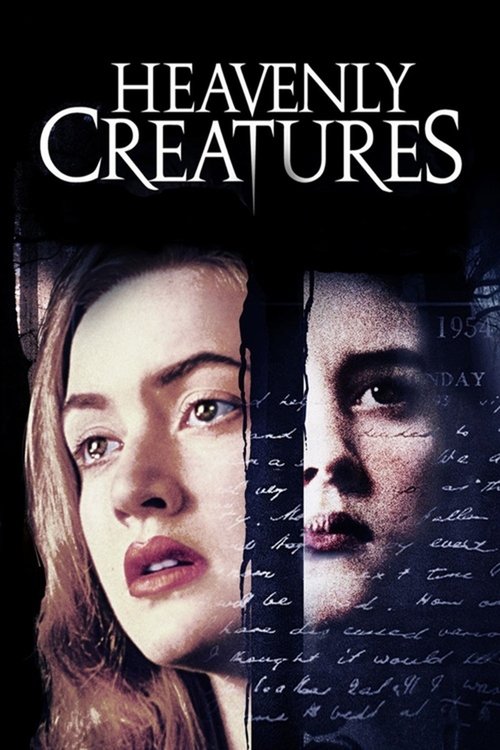
Before Peter Jackson became the architect of Middle-earth, he was the crown prince of New Zealand splatter-gore. If you’d told a horror fan in 1992 that the guy who made Braindead (a movie featuring a lawnmower-vs-zombie climax) would soon direct a prestige drama that garnered Oscar nods and launched Kate Winslet, they’d have assumed you’d been huffing the fumes from a special effects workshop. Yet, Heavenly Creatures is exactly that pivot point—a shimmering, terrifying, and deeply empathetic look at a real-life murder that rocked Christchurch in 1954.
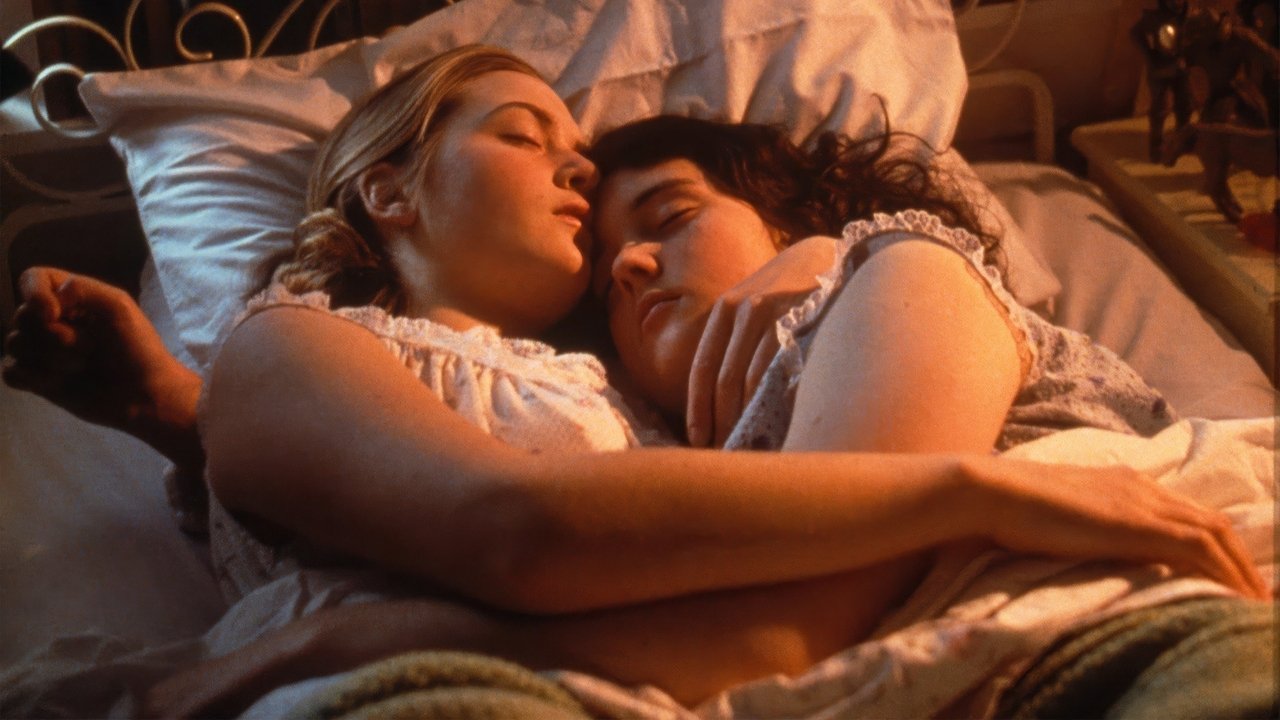
I watched this most recently while my neighbor was leaf-blowing his driveway for three hours straight, and the relentless, droning noise actually mirrored the mounting anxiety of the film's third act perfectly. It’s a movie that demands you lean in, even when you know the ending is going to be a brick-to-the-skull disaster.
The Birth of the Weta Magic
What’s fascinating about revisiting this in the 2020s is seeing the DNA of The Lord of the Rings in its infancy. This was the era where CGI was just starting to crawl, and Jackson used his fledgling company, Weta Digital, to create "Borovnia"—a fantasy kingdom dreamt up by the two lead characters.
The effects aren't the seamless, photorealistic pixels we see today; they have a tactile, slightly uncanny quality. The giant plasticine figures and the lush, oversaturated gardens feel exactly like what they are: the frantic, overactive imagination of a teenager. Jackson doesn't treat the girls' fantasy world as a gimmick. He treats it as a symptom. The way the camera swoops through the woods or glides alongside the girls isn’t just flashy directing; it’s an attempt to capture the breathless, "us against the world" high of a first best friendship. The camera moves like it’s had three shots of espresso and a sugar cube, which perfectly matches the manic energy of adolescence.
A Masterclass in Obsession
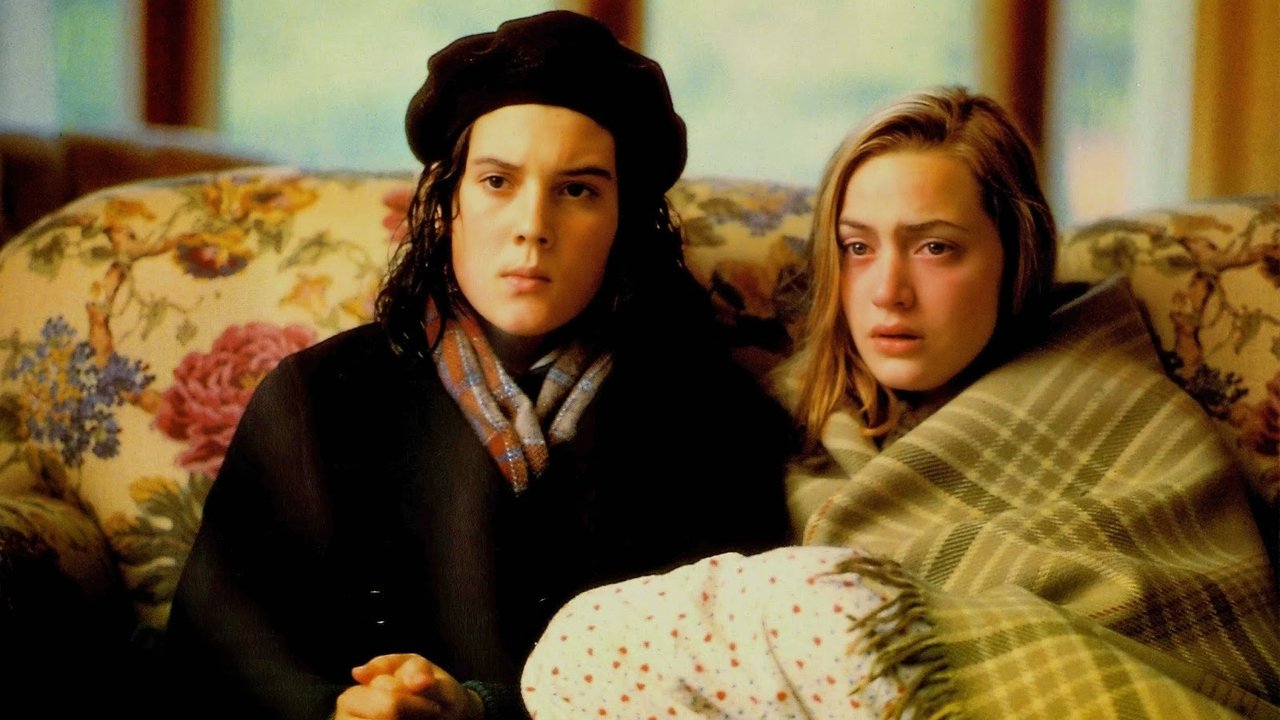
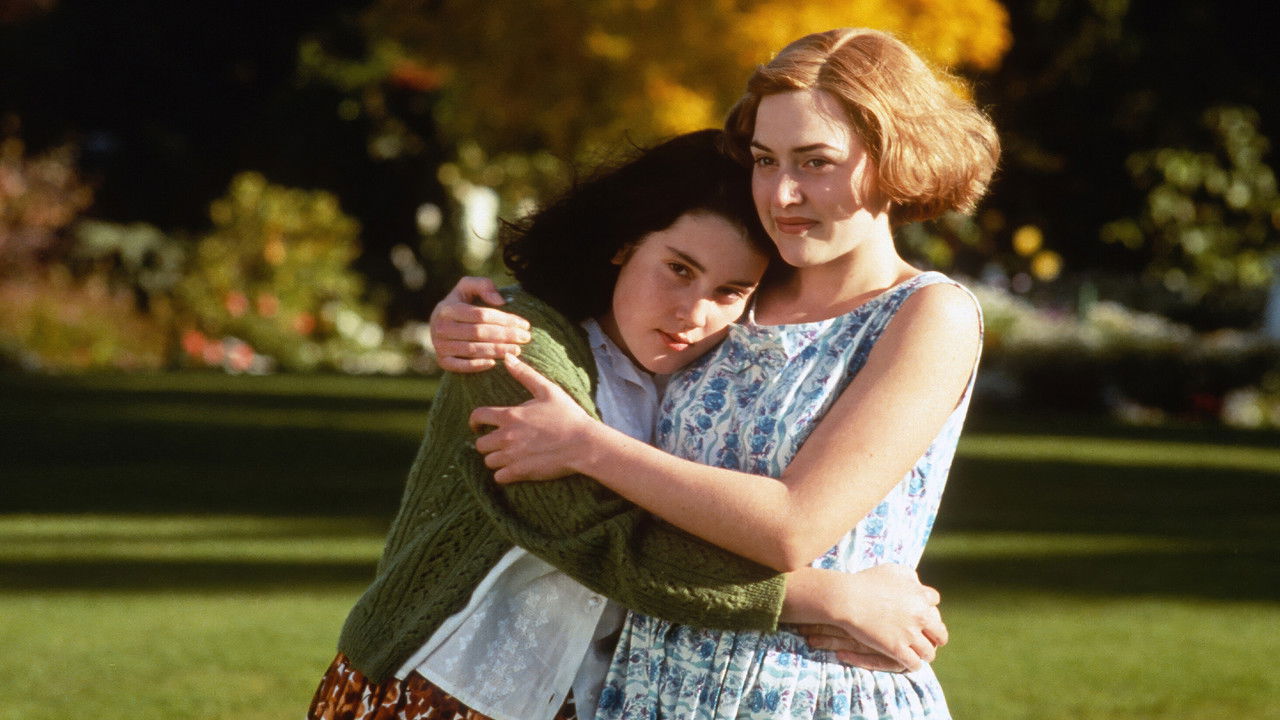
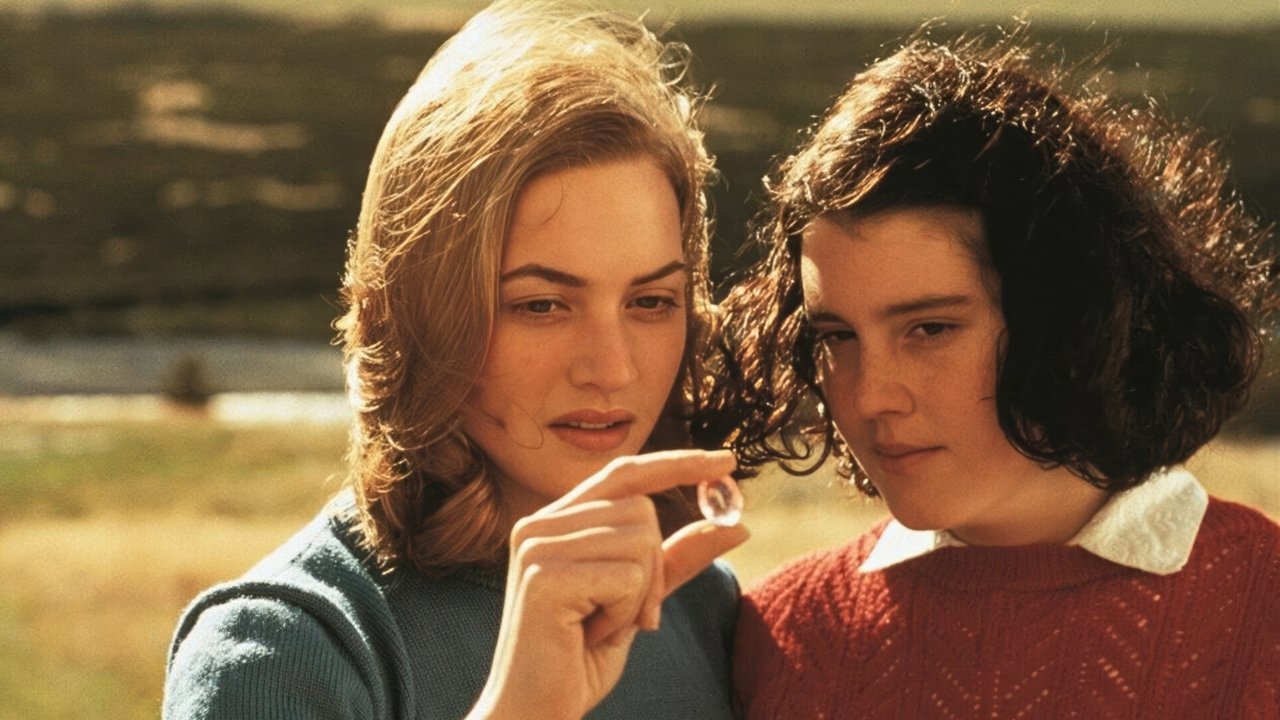
The film rests entirely on the shoulders of two then-unknowns. Melanie Lynskey, as Pauline Parker, is a revelation of brooding, quiet resentment. She plays Pauline with a slumped posture and a permanent scowl that softens only when she’s looking at Kate Winslet. Speaking of Winslet, her Juliet Hulme is a whirlwind of upper-class entitlement and brittle charm. Juliet is the "bright" one, the one who brings color into Pauline’s grey life, but the film is careful to show the cracks in her porcelain exterior.
Their chemistry is the most "drama" thing about this drama. It isn’t just that they like the same books or Mario Lanza records; it’s that they have created a private language and a private world where no one else is allowed. Sarah Peirse, playing Pauline’s mother Honorah, provides the tragic counterpoint. She isn't a villain; she’s just a mother in 1950s New Zealand who can see her daughter slipping into a mental abyss and doesn't have the vocabulary to stop it. The tragedy isn't that the parents are cruel—it's that they are hopelessly, devastatingly ordinary in the face of two girls who think they are goddesses.
Why the 90s Indie Boom Needed This
In the mid-90s, Miramax was the king of the "prestige indie," often favoring polite period pieces. Heavenly Creatures crashed that party like a gatecrasher in a prom dress covered in dirt. It took a true crime story—the kind usually reserved for sensationalist tabloids—and turned it into a psychological tone poem.
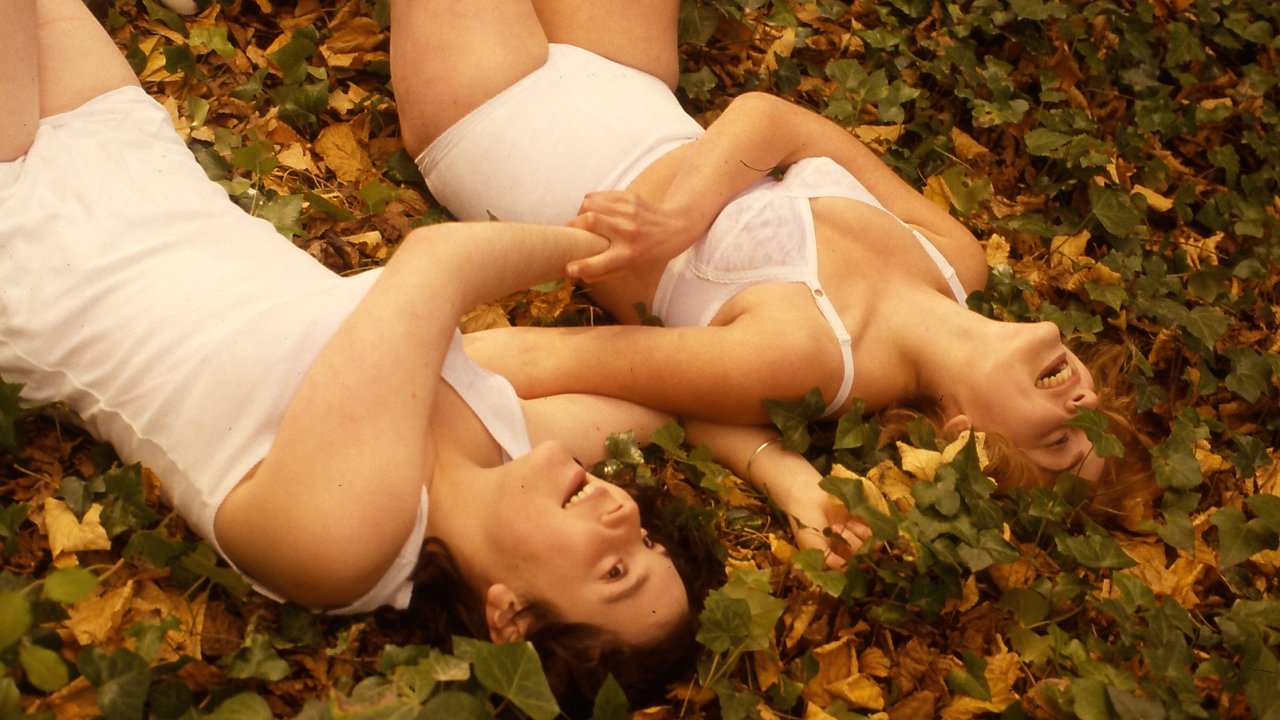
It’s easy to forget how much of a risk this was. At the time, the real Juliet Hulme had reinvented herself as the famous mystery novelist Anne Perry. The film’s release actually led to her being "outed" by the press, adding a layer of meta-commentary on how the past never really stays buried. Looking back, the movie avoids the "lesbian panic" tropes that often plagued 90s cinema, choosing instead to focus on the intensity of the bond itself. Whether it was romantic or platonic almost doesn't matter; it was an obsession that required the removal of the entire outside world to survive.
Apparently, Jackson and his partner Fran Walsh spent years researching the case, even interviewing people who knew the girls. That dedication shows in the script. The dialogue often feels plucked directly from Pauline’s real-life diaries, giving the film an authenticity that balances out its more hallucinogenic flourishes. The parents were basically NPCs in a high-stakes fantasy LARP that went horribly wrong.
Heavenly Creatures is that rare bird: a film that is both technically experimental and emotionally grounded. It captures that specific, terrifying moment in youth when a friendship becomes a religion, and every slight feels like a blasphemy. It’s the film that proved Peter Jackson could handle human hearts just as well as he handled prosthetic monsters, and it remains one of the most haunting entries in the 90s indie canon. If you’ve only ever seen Winslet on the deck of a sinking ship, you owe it to yourself to see her in the forests of Christchurch.
Just keep the bricks in the garden where they belong.
Keep Exploring...
-

The Frighteners
1996
-
The Lovely Bones
2009
-

The Muppet Christmas Carol
1992
-
The Secret Garden
1993
-
The Hudsucker Proxy
1994
-
A Little Princess
1995
-
Dead Man
1995
-
The Craft
1996
-
Sliding Doors
1998
-

King Kong
2005
-
The Hobbit: An Unexpected Journey
2012
-

The Hobbit: The Desolation of Smaug
2013
-
The Double Life of Véronique
1991
-
Braindead
1992
-

Miracle on 34th Street
1994
-

Pleasantville
1998
-

Ginger Snaps
2001
-
The Jacket
2005
-
Inland Empire
2006
-

The Fall
2006