Interview with the Vampire
"Hell is a lonely place for the immortal."
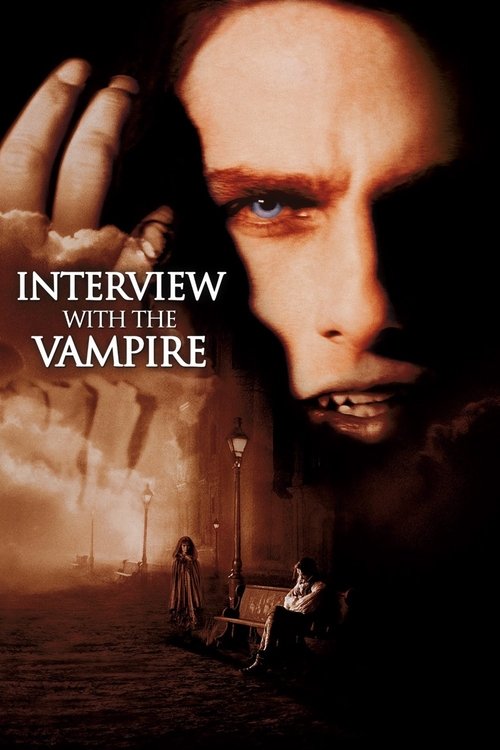
I’ll never forget the first time I saw Tom Cruise as Lestat. It was on a grainy VHS tape I’d borrowed from a cousin, and I watched it while eating a bag of slightly stale pretzel sticks that were so salty they made my mouth feel as parched as a New Orleans cemetery in August. Looking back, that physical thirst was the perfect companion for a film that is, at its heart, about an unquenchable, agonizing hunger—not just for blood, but for companionship in a world that keeps dying around you.
In 1994, Interview with the Vampire felt like a massive gamble. We were deep in the era of the "Star Vehicle," and putting the world’s biggest action hero into a blonde wig and velvet ruffles to play a pansexual predator felt like a reach. Even Anne Rice, the high priestess of vampire lore, famously trashed the casting before seeing the finished product. But looking at it now, through the lens of nearly thirty years of retrospective analysis, the film remains a staggering achievement of high-budget, operatic horror that Hollywood simply doesn't make anymore.
The Blonde Brat Prince and the Reluctant Disciple
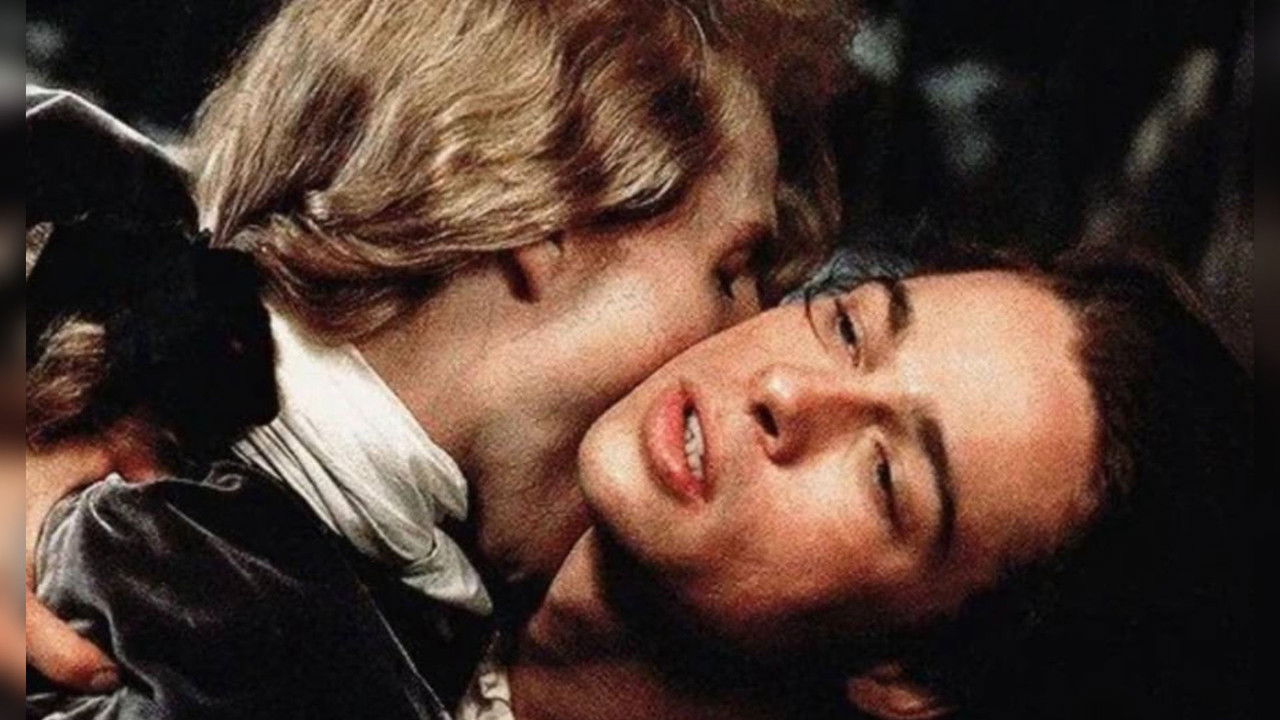
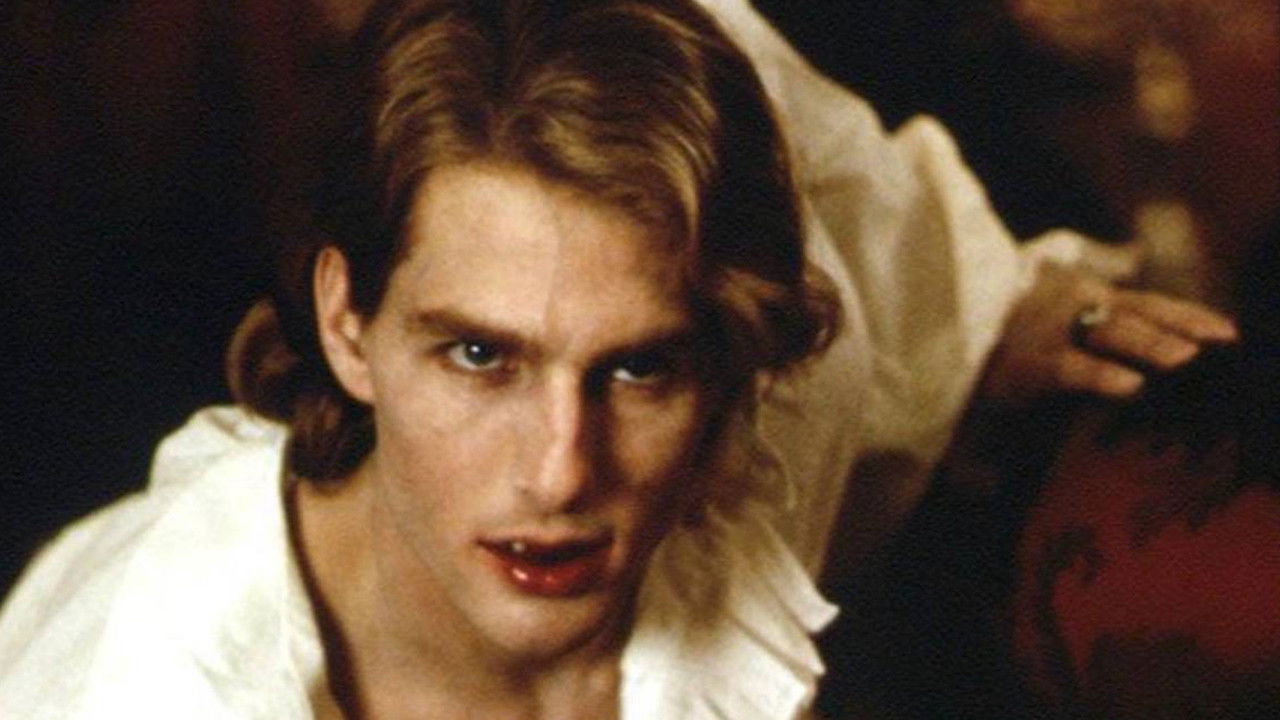
The movie hinges on a dynamic that shouldn't work: Tom Cruise vs. Brad Pitt. At the time, they were the two biggest heartthrobs on the planet, yet they spend the movie in a state of mutual, miserable resentment. Cruise is a revelation as Lestat. He plays the character with a jagged, manic energy, capturing the "Brat Prince" persona perfectly. He isn't just a monster; he's a bored god looking for a hobby.
Conversely, Brad Pitt spends much of the runtime looking like he’s just been told his dog died. While Pitt has since admitted he was miserable during the shoot—stuck in the dark for six months and wearing heavy contact lenses—that lethargy actually serves the character of Louis. Brad Pitt’s Louis is essentially the world’s most beautiful wet blanket, a man so burdened by his own soul that his immortality feels like a life sentence without parole.
Then there is Kirsten Dunst. It is still jarring to see an eleven-year-old deliver a performance of such chilling maturity. As Claudia, the child who will never grow up, she captures the horror of a woman’s mind trapped in a porcelain doll’s body. When she realizes her fate, the film shifts from a dark fantasy into a genuine tragedy. She doesn't just hold her own against the megastars; she often walks away with the entire scene tucked in her pocket.
A Masterclass in Practical Gloom
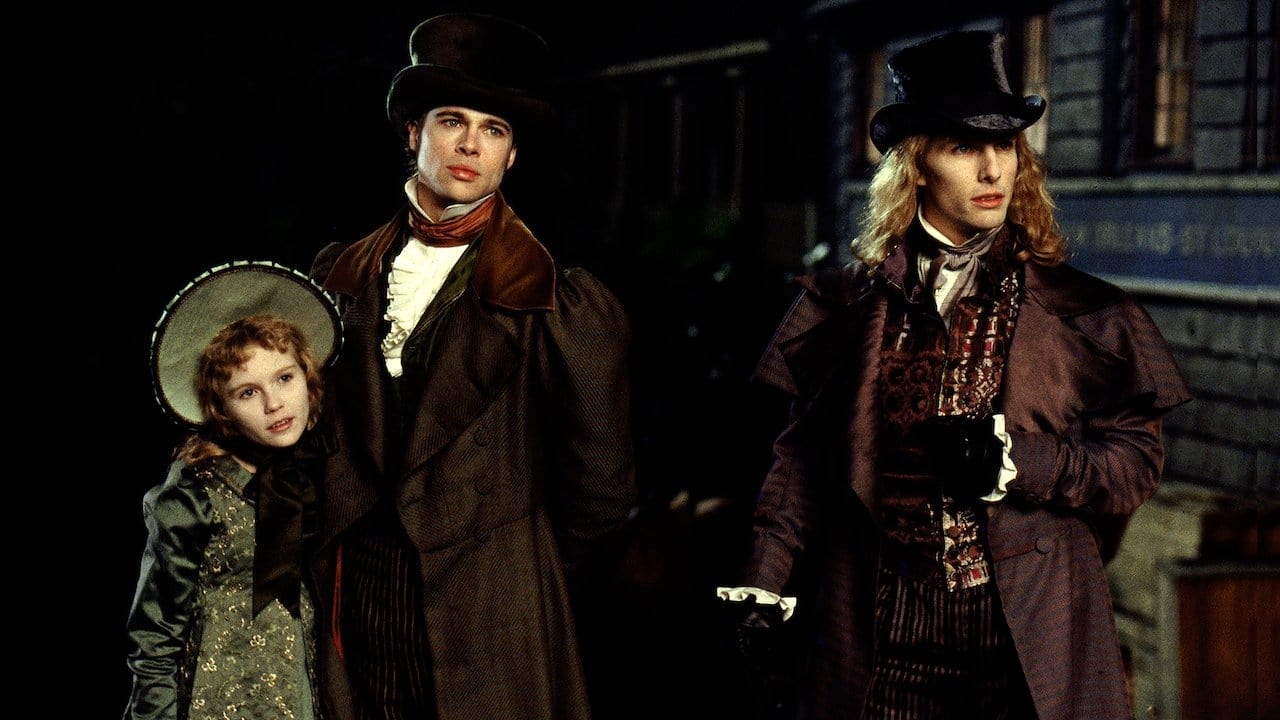
What strikes me most when revisiting this film is the sheer texture of it. We are currently living in an era of "digital gray," where movies are color-graded into a muddy sludge. Interview with the Vampire is dark, yes, but it is lush. The production design by Dante Ferretti and the cinematography by Philippe Rousselot create a world that feels heavy. You can almost smell the damp earth, the stale perfume, and the copper tang of blood.
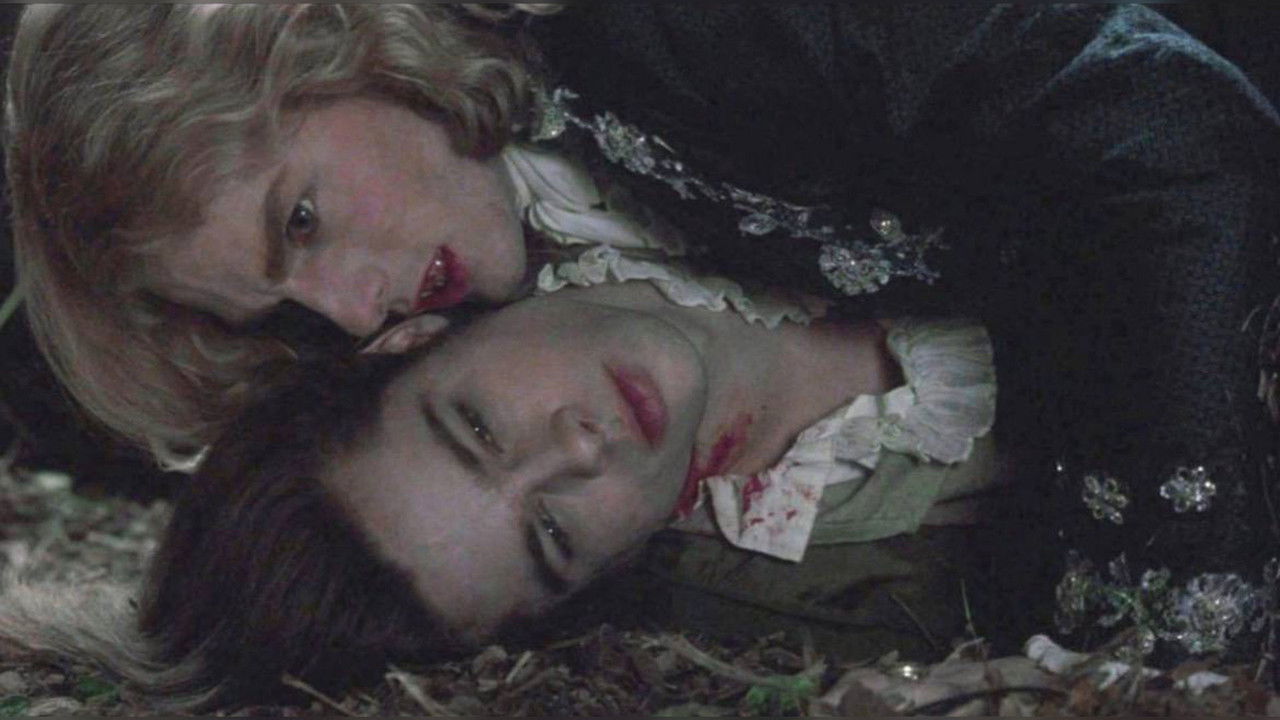
This was a pivot point in cinema technology. While Jurassic Park had just changed the game with CGI a year earlier, director Neil Jordan leaned heavily on practical artistry. The vampire makeup, designed by the legendary Stan Winston, is a subtle marvel. To achieve that translucent, deathly look, the actors had to hang upside down for thirty minutes before filming so the blood would rush to their heads, allowing the makeup artists to trace the now-prominent veins on their faces. It’s a level of physical commitment to an aesthetic that creates a "realness" CGI still struggles to replicate. Lestat’s skin doesn't look like an effect; it looks like a warning.
The $223 Million Bloodbath
By today’s standards, a $60 million budget for a talky, philosophical R-rated horror movie about the existential dread of being a vampire seems like a studio executive's nightmare. But Geffen Pictures knew exactly what they had. The film was a cultural phenomenon, raking in over $223 million worldwide—roughly $470 million in today’s currency. It proved that audiences were hungry for horror that offered more than just jump scares; they wanted atmosphere, tragedy, and a touch of the taboo.
The film's success also signaled the beginning of the "franchise mentality" that would eventually swallow Hollywood. While the sequel, Queen of the Damned, wouldn't arrive until 2002 (and without the original cast), the 1994 film established the template for the "brooding supernatural" genre that would eventually lead to everything from Underworld to the glittery teenagers of Twilight. However, none of those successors managed to capture the same sense of historical weight.
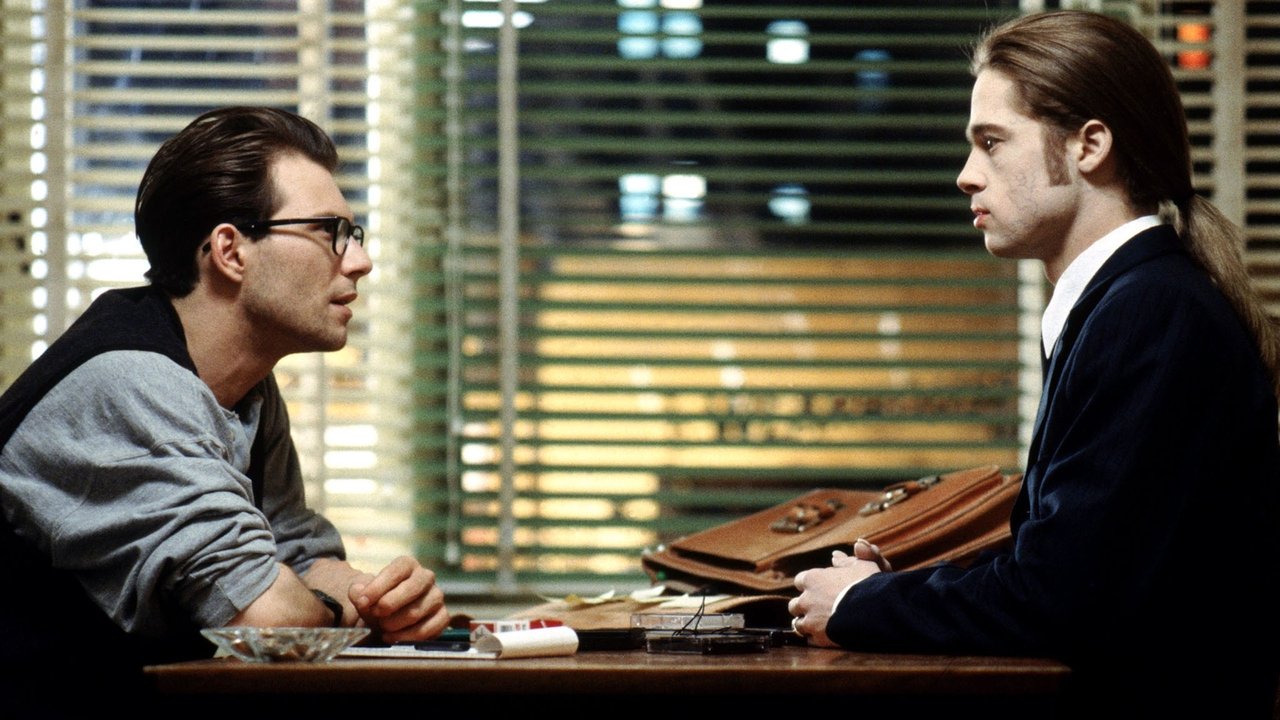
The film also features one of the most underrated ensembles of the decade. Seeing a young Antonio Banderas as Armand, the oldest vampire in existence, provides a magnetic, predatory stillness that contrasts beautifully with the chaos of Stephen Rea and the Theatre des Vampires. Even Christian Slater, stepping in for the late River Phoenix as the interviewer, provides the perfect grounded perspective for us "mortals" to experience this epic.
Ultimately, Interview with the Vampire holds up because it treats its monsters with the gravity of a Shakespearean tragedy. It’s a film about the burden of memory and the cruelty of time. When the credits roll to Guns N' Roses' cover of "Sympathy for the Devil," you realize you haven't just watched a horror movie; you've sat through a centuries-long wake. It’s decadent, it’s slightly pretentious, and it’s absolutely essential viewing for anyone who likes their horror with a side of existential crisis.
Stuff You Didn't Notice
The Phoenix Connection: Christian Slater donated his entire $250,000 salary from the film to River Phoenix’s favorite charities after taking over the role following Phoenix's tragic death. Height Defying: To bridge the height gap between the 5'7" Tom Cruise and the 5'11" Brad Pitt, Cruise often wore platform boots and stood on elevated ramps during their shared scenes. Rice’s Reversal: After seeing the film, Anne Rice was so impressed by Tom Cruise that she took out a two-page ad in Daily Variety to apologize and praise his performance. The Vein Game: The upside-down makeup technique was so grueling that the actors reportedly dreaded the makeup chair more than the actual stunts. * Box Office Bite: It held the record for the highest-grossing opening weekend for an R-rated film for years, proving that the "Vampire Chronicles" had a massive, pre-built fanbase ready to bleed for the material.
Keep Exploring...
-
Ghost
1990
-
Inland Empire
2006
-

The Devil's Backbone
2001
-

Queen of the Damned
2002
-
The Last Samurai
2003
-
Collateral
2004
-
The Devil's Advocate
1997
-
Sleepy Hollow
1999
-
Sweeney Todd: The Demon Barber of Fleet Street
2007
-
Black Swan
2010
-
The Craft
1996
-
City of Angels
1998
-

Jacob's Ladder
1990
-
Twin Peaks: Fire Walk with Me
1992
-

Sleepers
1996
-
Jerry Maguire
1996
-
Forever Young
1992
-

The Santa Clause
1994
-
Phenomenon
1996
-
Eyes Wide Shut
1999