It Could Happen to You
"A simple promise. A lucky ticket. A New York miracle."
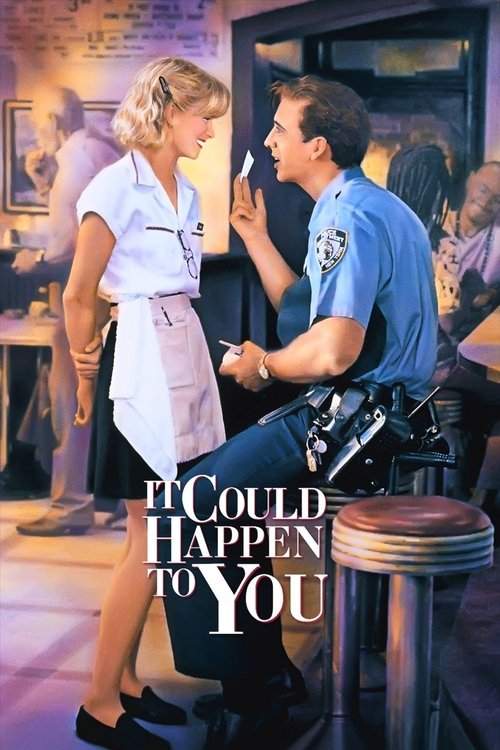
There is a specific, golden-hued version of New York City that only existed in the mid-90s. It’s a place where the subways look slightly cleaner than they actually were, the diners always have a fresh pot of coffee waiting, and a police officer’s word is still as good as a notarized contract. I revisited It Could Happen to You on a rainy Tuesday while drinking a cup of Oolong tea that had gone tragically lukewarm, and I was struck by how much this film feels like a dispatch from a different planet—one where cynicism hadn't yet become our primary language.
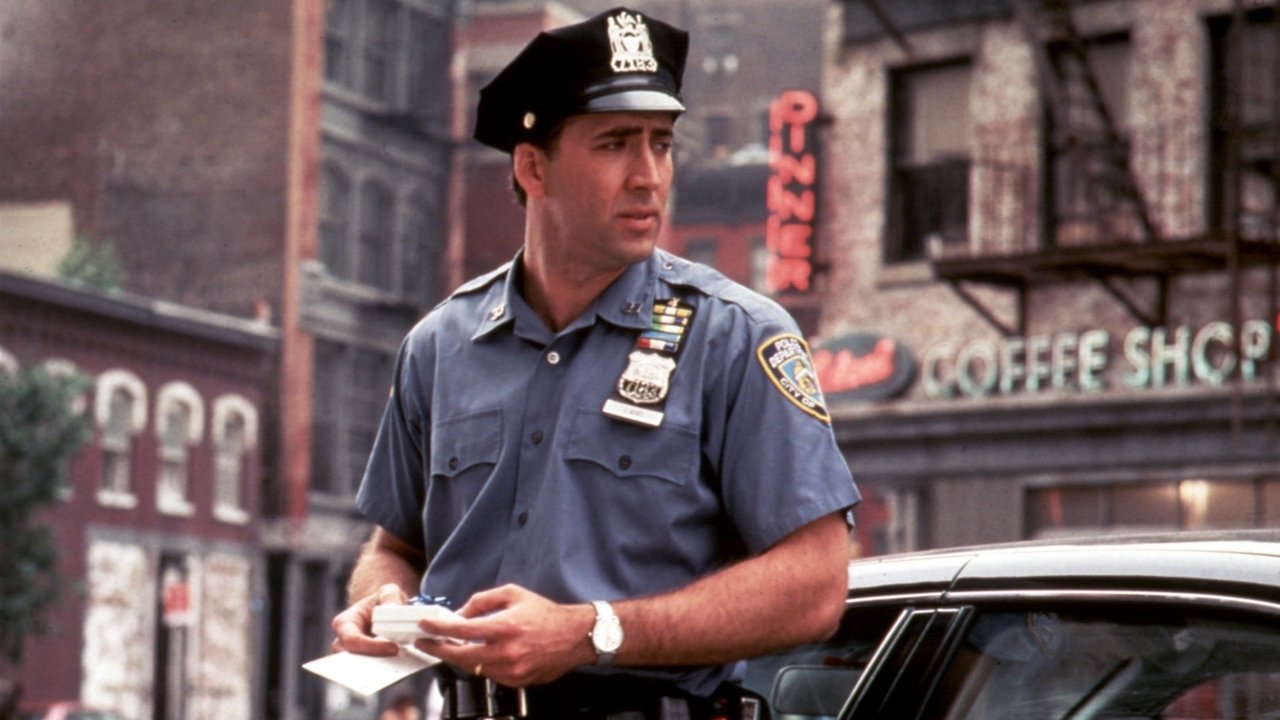
Released in the heavy-hitting cinematic summer of 1994—the same year that gave us the grit of Pulp Fiction and the speed of, well, Speed—this movie felt like a deliberate throwback even then. It’s a modern-day Capra-esque fable that asks a very simple, very 90s question: Can a truly good man survive a sudden windfall of four million dollars?
The "Sweet Nic" Era
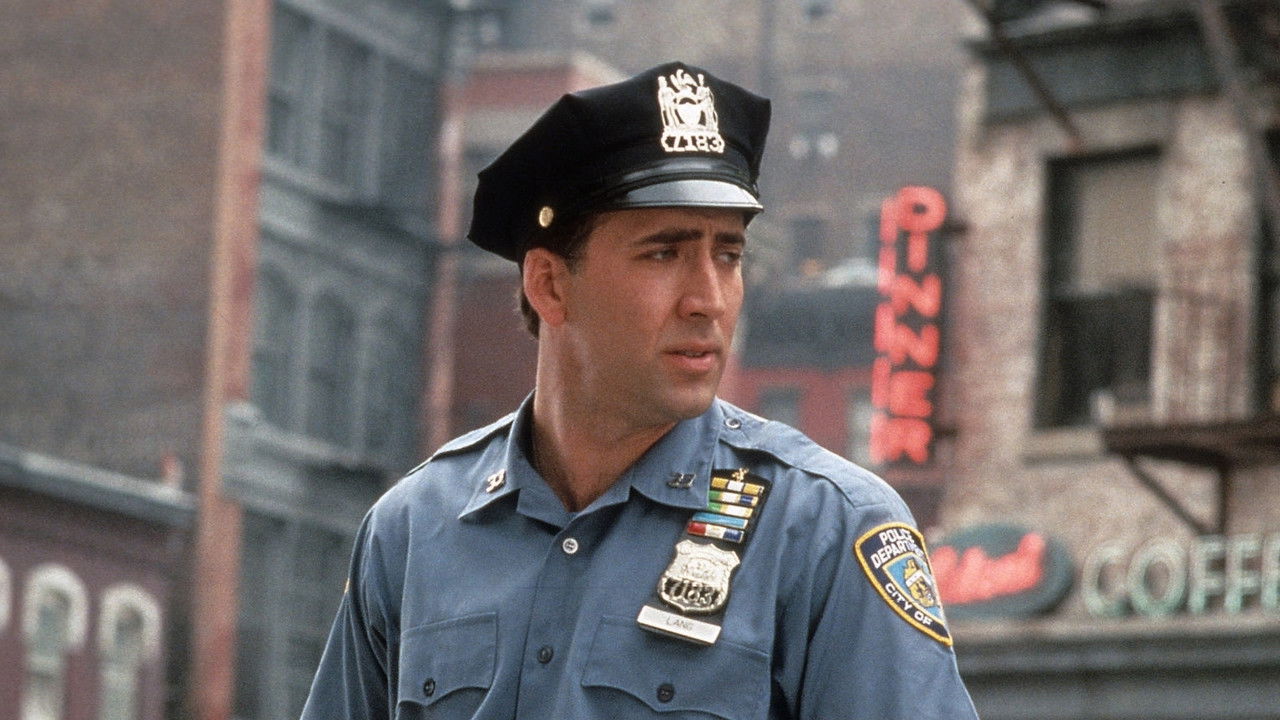
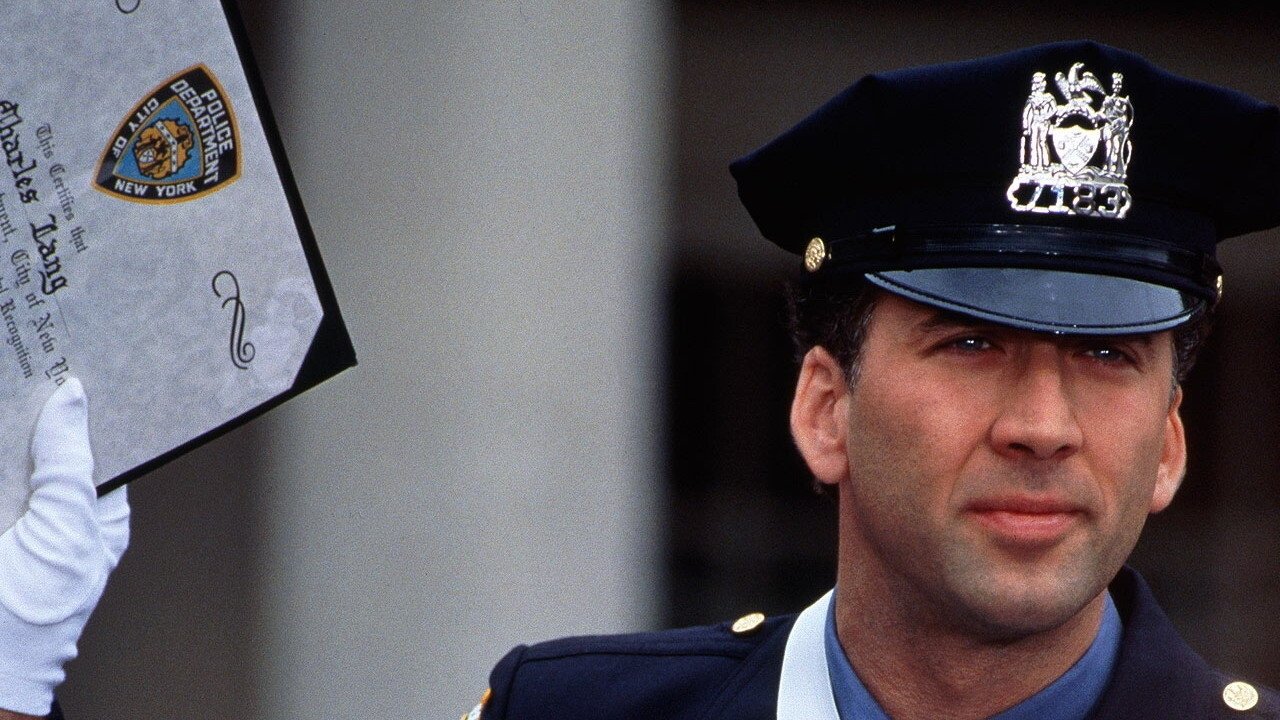
Before he became a high-octane action icon or a hall-of-fame meme, Nicolas Cage was the king of the earnest, slightly eccentric romantic lead. As Charlie Lang, Cage is so relentlessly decent it’s almost startling. He plays Charlie with a soft-spoken, puppy-dog sincerity that feels lightyears away from the "Nouveau Shamanic" intensity we associate with him today. There’s a scene early on where he realizes he doesn’t have enough change for a tip at a diner and promises the waitress, Yvonne (Bridget Fonda), either double the tip or half his lottery winnings the next day.
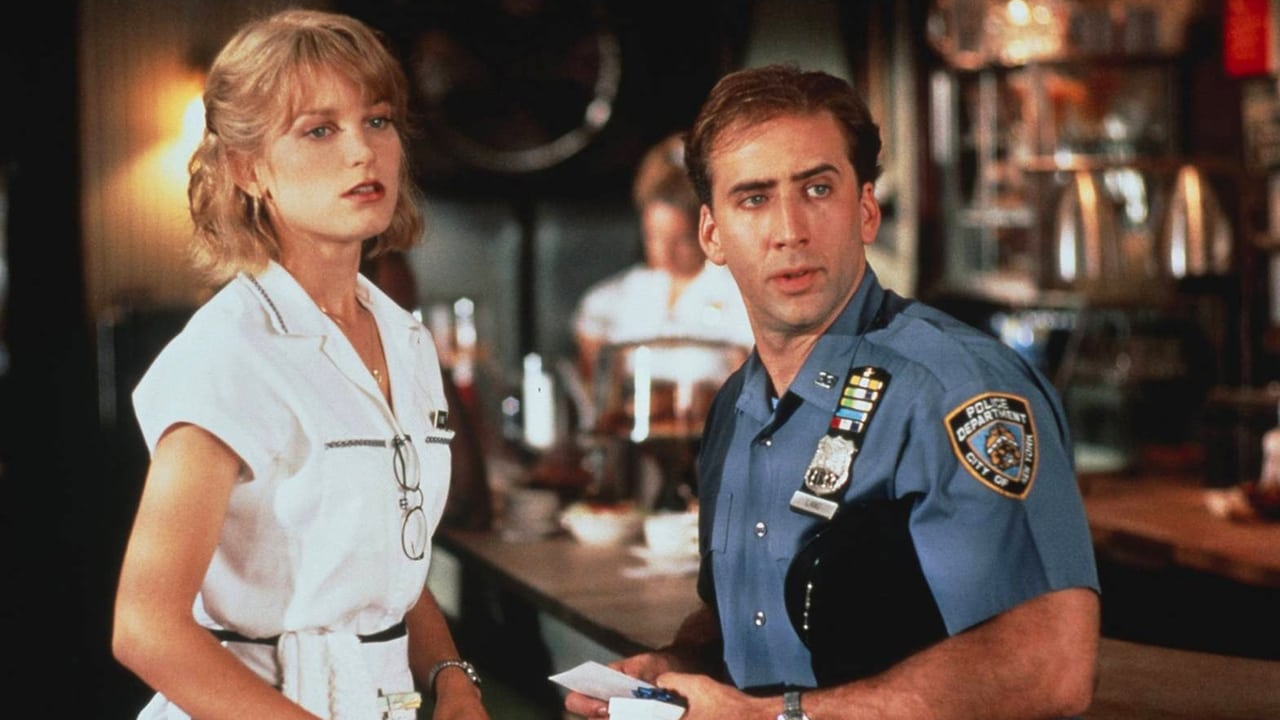
When the ticket actually hits, the movie doesn't pivot into a heist or a thriller. It stays exactly where it started: in the heart. The chemistry between Cage and Fonda is built on a shared frequency of "exhausted but hopeful." Bridget Fonda was such a staple of this era, and watching her here, I’m reminded of her unique ability to play "everyday" without ever feeling plain. She makes Yvonne’s skepticism and eventual wonder feel earned, rather than like a plot requirement.
The Grinch of Queens
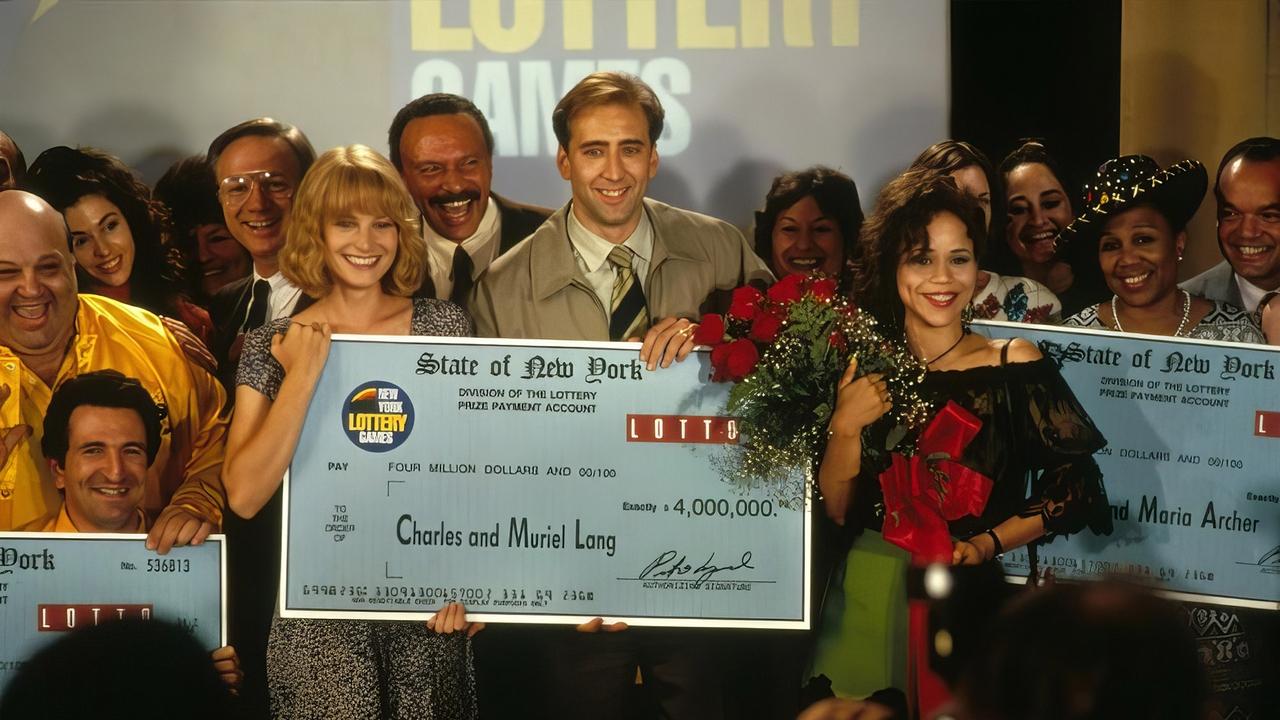
Counterbalancing all that sugary sweetness is Rosie Perez as Muriel, Charlie’s wife. If Charlie is a golden retriever, Muriel is a jackal in a Chanel suit. Perez is a force of nature here, vibrating with a high-pitched, materialistic desperation that provides the film's essential friction. While the movie treats her as the villain for wanting to keep the money, Rosie Perez is the only person in this movie acting in a realistic New York key.
Her performance is loud, abrasive, and frequently hilarious. She represents the "Me Decade" hangover, clashing against Charlie’s old-school altruism. Looking back, the film’s morality is very black-and-white—greed is bad, sharing is good—but Perez injects enough manic energy into her scenes to keep the middle act from sagging into sentimentality. She makes the conflict feel like a live wire, even when you know exactly where the story is headed.
A Vanishing Genre
Director Andrew Bergman and cinematographer Caleb Deschanel (who also shot the stunning The Natural) treat New York like a storybook setting. There’s a warmth to the lighting that makes even a Bronx precinct look inviting. The score by Carter Burwell—usually known for his moodier work with the Coen Brothers—is surprisingly whimsical, leaning into the "New York Fairy Tale" vibe.
This film belongs to that extinct species: the mid-budget, adult-oriented romantic drama. In the current landscape of franchises and billion-dollar spectacles, a movie about a guy splitting a lottery ticket with a stranger feels quaint. But that’s the draw. It’s a film that believes in the fundamental goodness of people. It’s based on the true story of Robert Cunningham and Phyllis Penzo, though the real-life version didn't involve a messy divorce or a blossoming romance—they were just two friends who had been eating at the same diner for eight years.
Interestingly, the production had to navigate the transition of the city itself. This was the era of the "Disneyfication" of Times Square, and the film captures a New York that was cleaning up its act but hadn't yet lost its soul to global flagship stores. It’s a postcard from a city that was trying to convince itself it could be kind.
It Could Happen to You is the cinematic equivalent of comfort food. It doesn't challenge you, it doesn't subvert your expectations, and it certainly doesn't reinvent the wheel. But in an age where every movie feels like it’s setting up a sequel or deconstructing a genre, there is something deeply refreshing about a story that just wants to tell you a nice tale about a nice guy. It’s a reminder that sometimes, the most revolutionary thing you can do is keep a promise.
Stuff You Didn't Notice
The real-life cop, Robert Cunningham, actually remained married to his wife after the win. The "evil wife" subplot was purely a Hollywood invention to facilitate the romance with Bridget Fonda. Keep an eye out for a young Wendell Pierce (long before he became Bunk on The Wire) playing Charlie's partner, Bo. His grounded presence adds a much-needed layer of "cop reality" to the whimsical proceedings. The legendary Isaac Hayes serves as the film’s narrator/Angel Dupree, lending a velvety authority to the fairy tale framing. It’s a small role, but his voice is essentially the movie’s heartbeat. The film’s original title was Cop Gives Waitress $2 Million Tip, which is perhaps the most "does what it says on the tin" title in history before they settled on the more lyrical final choice.
Keep Exploring...
-
That Thing You Do!
1996
-
EverAfter
1998
-
Blast from the Past
1999
-
Never Been Kissed
1999
-
Sliding Doors
1998
-
Confessions of a Dangerous Mind
2002
-

S1m0ne
2002
-
What a Girl Wants
2003
-
First Daughter
2004
-
Jersey Girl
2004
-

A Lot Like Love
2005
-
Broken Flowers
2005
-
Casanova
2005
-
The Family Stone
2005
-
The Sisterhood of the Traveling Pants
2005
-

A Good Year
2006
-
Just My Luck
2006
-
Dan in Real Life
2007
-
Lars and the Real Girl
2007
-
The Nanny Diaries
2007