Little Women
"The cozy hearth of a 1990s childhood."
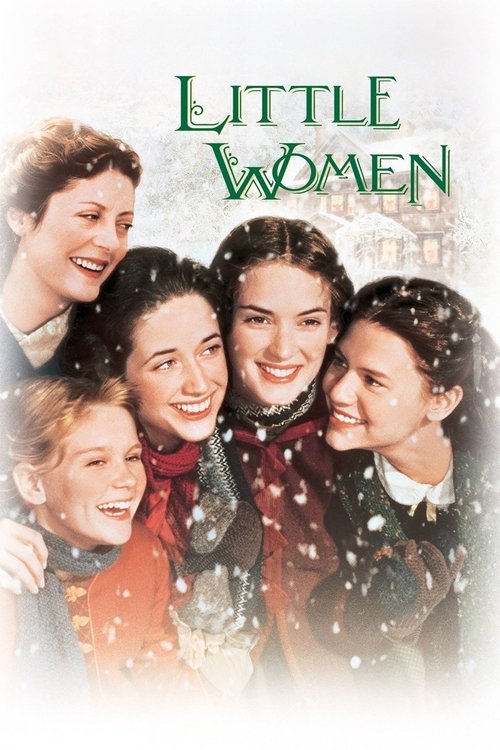
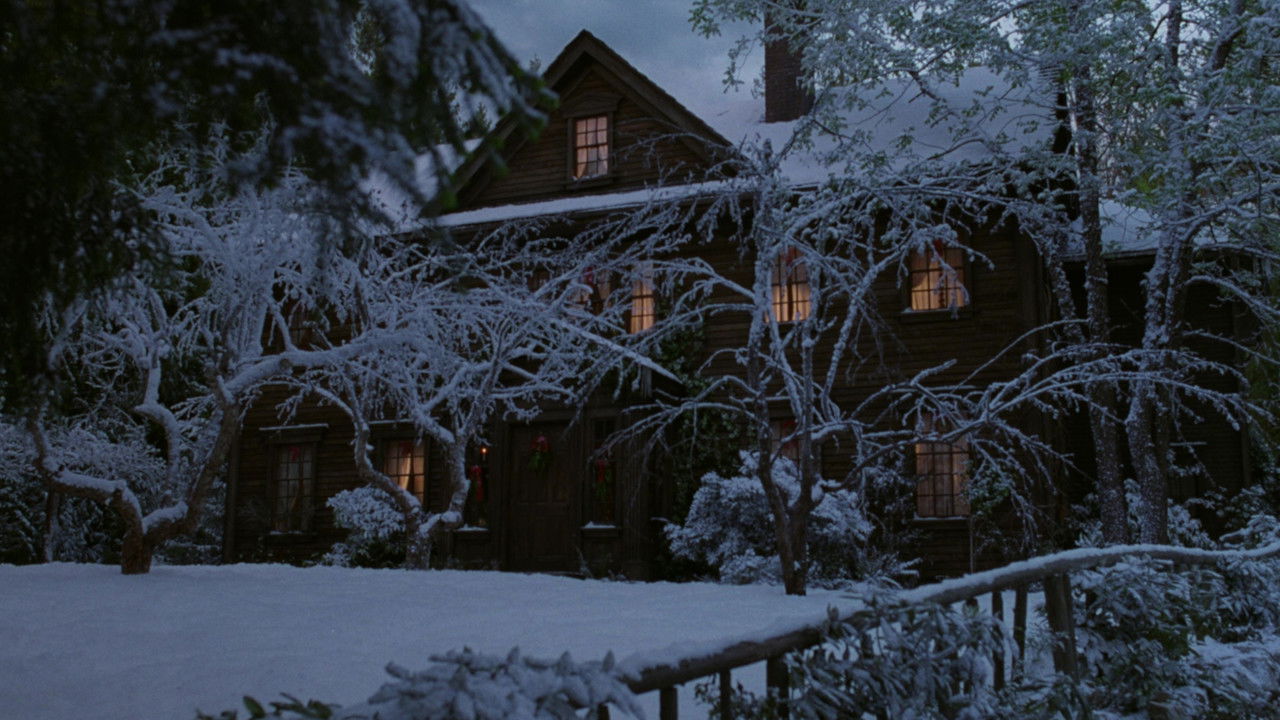
I watched this most recently on a gray Tuesday afternoon while my neighbor was power-washing their driveway, the rhythmic, industrial thrumming providing a weirdly aggressive backbeat to Thomas Newman’s delicate, tinkling piano score. You’d think the noise would ruin the mood, but honestly, nothing can penetrate the protective bubble of Gillian Armstrong’s 1994 Little Women. It is a film that feels less like a sequence of scenes and more like being wrapped in a hand-knit quilt that smells faintly of cinnamon and woodsmoke.
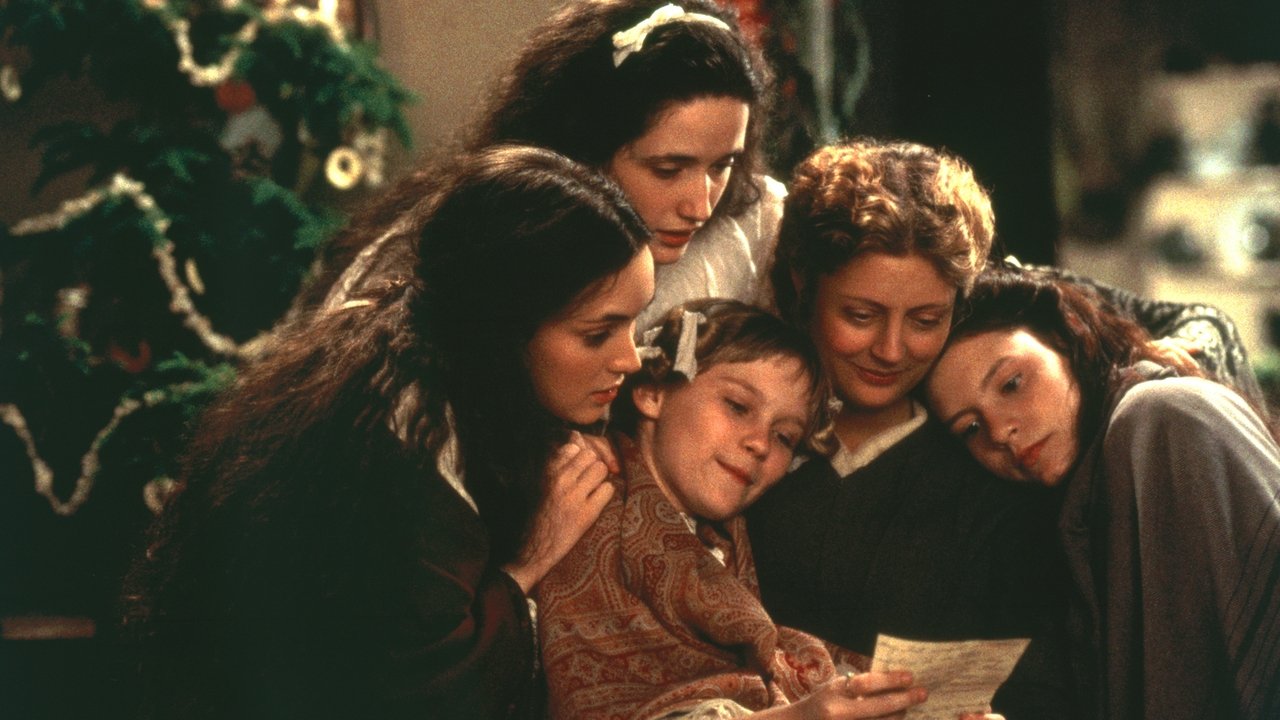
Coming back to this version after the whirlwind success of Greta Gerwig’s 2019 adaptation is a fascinating exercise in "recent-enough" retrospection. While the newer version is a brilliant, non-linear deconstruction of Louisa May Alcott’s life, the 1994 film is the definitive "comfort food" iteration. It arrived right at the peak of the 90s period-drama boom—a time when Miramax and Columbia were throwing mid-budget money at corsets and carriage rides—and it manages to feel lush without being stuffy.
The Golden Hour of Analog Warmth
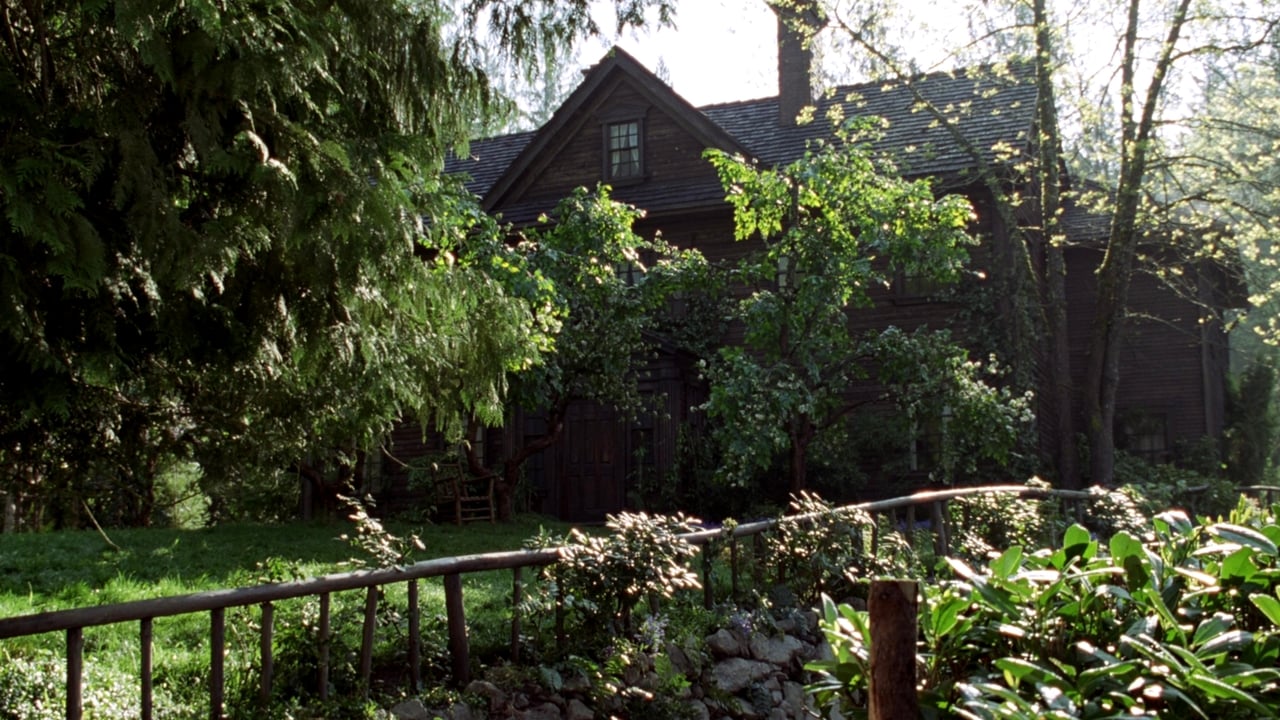
One thing I noticed immediately is how much I miss the lighting of this era. Before the digital revolution turned every period piece into a crisp, high-contrast playground, cinematographer Geoffrey Simpson used a palette that I can only describe as "perpetual golden hour." Everything in the March household is lit by what looks like a thousand beeswax candles. It creates a physical sense of intimacy that CGI-assisted lighting often struggles to replicate.
Looking back, this was also a peak moment for the "Pre-Superstar Ensemble." We forget how stacked this cast was before they all became icons or enigmas. You have a young Winona Ryder right after The Age of Innocence, bringing a wonderful, scratching restlessness to Jo. She doesn't just play Jo as a "tomboy"; she plays her as someone who is physically uncomfortable in her own skin whenever she isn't holding a pen. Then there’s Christian Bale as Laurie, long before he was the Dark Knight or a precision-engineered method actor. Here, he’s just a "softboi" with floppy hair and puppy-dog eyes, and his chemistry with Ryder is so palpable it makes the eventual rejection feel like a personal betrayal to the audience.
The Amy March Redemption Arc
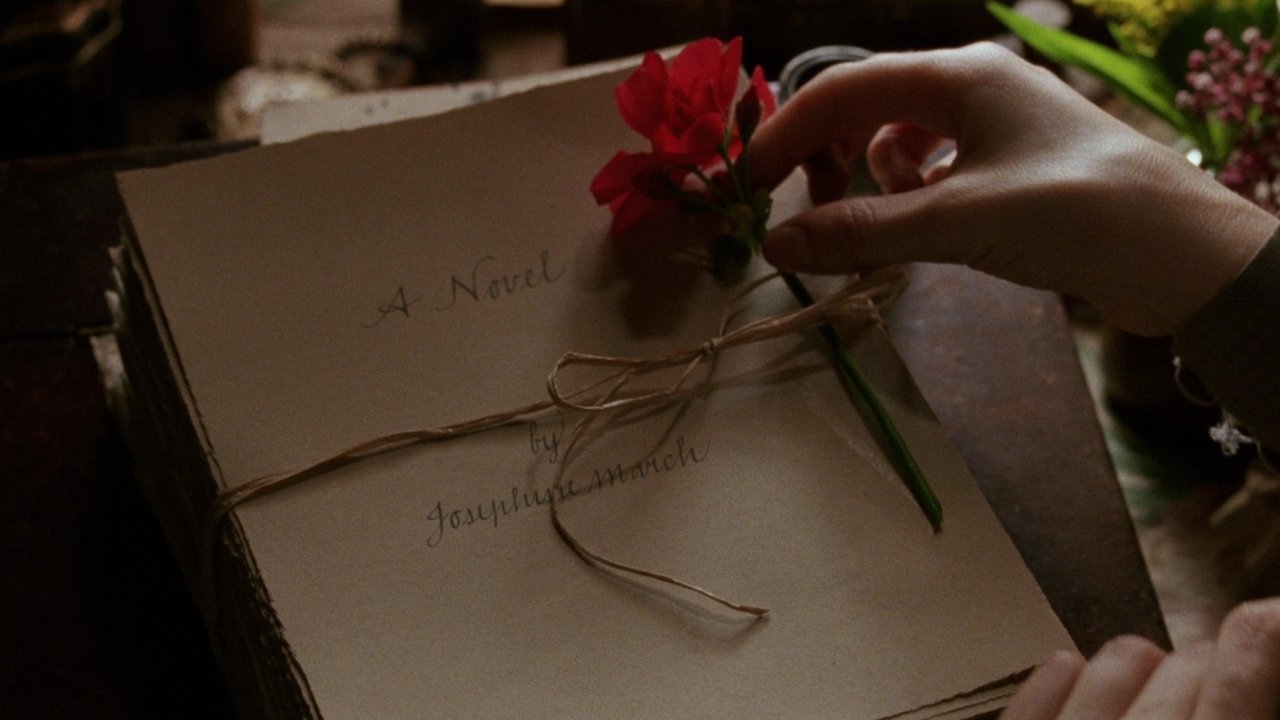
The 1994 version is also notable for how it handles the "Amy Problem." For decades, Amy March was the most hated younger sister in literature because of the incident with the manuscript. But Kirsten Dunst, as the younger Amy, is a revelation. She captures the specific, bratty logic of a child who feels overlooked. Amy March was right to burn that manuscript and I’m tired of pretending she wasn't just a kid having a justified tantrum.
By the time Samantha Mathis takes over the role as the older Amy in the second half, the transition feels earned. The film uses the two-actor approach to show the passage of time, a technique that feels a bit old-school now that we have de-aging tech or actors who just play ages 12 to 40 with a change of ponytail. But there’s a charm to it. It signals the "Chapters" of the book in a way that feels honest to the source material. And let’s not overlook Claire Danes as Beth. This was the same year My So-Called Life premiered, and she was already the undisputed heavyweight champion of the "trembling chin" cry. When she’s on screen, you’re not just watching a character get sick; you’re watching the very soul of the house start to flicker out.
A Score That Lives in the Walls
I have to talk about Thomas Newman. If you grew up in the 90s, his music is likely the soundtrack to your subconscious. His score for Little Women is a masterpiece of restraint. It doesn’t tell you how to feel with sweeping, manipulative strings; it creeps up on you with oboes and plucked notes that sound like falling snow. It’s a huge part of why this film hasn't aged into a cheesy relic.
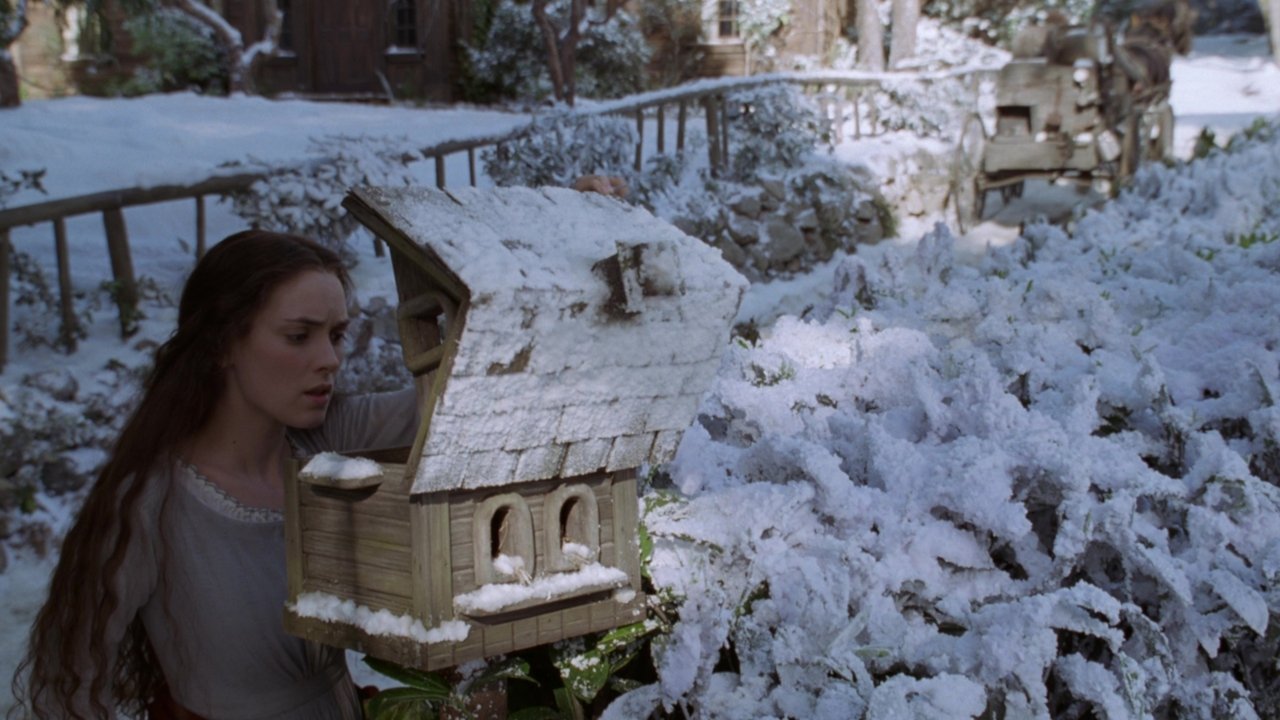
In retrospect, this film was a bridge. It had the traditional, linear storytelling of the "Old Hollywood" literary adaptations, but it was infused with a 90s feminist sensibility that gave the sisters more agency and grit than the 1933 or 1949 versions ever allowed. It’s a movie that values the domestic sphere without trivializing it. It argues that a girl’s internal life—her writing, her painting, her grief—is as epic as any Civil War battlefield.
The 1994 Little Women is that rare bird: a studio-funded drama that feels like an indie labor of love. It’s the kind of movie I find myself reaching for whenever the world feels a little too loud or the neighbor’s power-washer is running a bit too long. It’s a reminder that sometimes the most radical thing a film can do is just be kind. If you haven't revisited it since the VHS days, give it a spin; it’s held its glow remarkably well.
Keep Exploring...
-
Batman: Mask of the Phantasm
1993
-
The Age of Innocence
1993
-
The Remains of the Day
1993
-
It Could Happen to You
1994
-
The Quick and the Dead
1995
-
That Thing You Do!
1996
-
EverAfter
1998
-
Blast from the Past
1999
-
The Thomas Crown Affair
1999
-
The New World
2005
-
Far and Away
1992
-

The Piano
1993
-
Breaking the Waves
1996
-
Lolita
1997
-
Sliding Doors
1998
-

Romeo + Juliet
1996
-
Confessions of a Dangerous Mind
2002
-
Broken Flowers
2005
-
Casanova
2005
-
The Sisterhood of the Traveling Pants
2005