Léon: The Professional
"The smallest shadow casts the longest light."
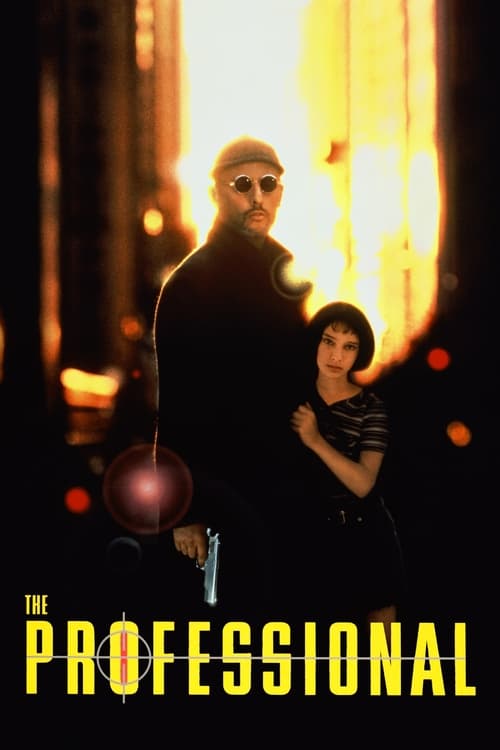
A hitman who drinks two liters of milk a day and meticulously wipes the dust off a potted plant sounds like the setup for a quirky indie comedy. But in 1994, it was the blueprint for one of the most hauntingly beautiful action-dramas ever to escape the mind of Luc Besson. Léon: The Professional arrived during that glorious mid-90s window when the gritty, handheld aesthetic of the burgeoning indie scene collided head-on with big-budget European stylistic flair. It’s a film that exists in a perpetual state of tension—between silence and gunfire, between a child’s innocence and a killer’s fatigue.

I’m currently wearing one mismatched sock—a navy blue one and a black one—and honestly, that kind of chaotic, slightly off-kilter energy feels appropriate for a deep dive into this movie. It’s a film that refuses to be just one thing. It is a tragedy, a thriller, and a deeply uncomfortable coming-of-age story all rolled into one soot-stained New York apartment.
The Art of the Quiet Assassin
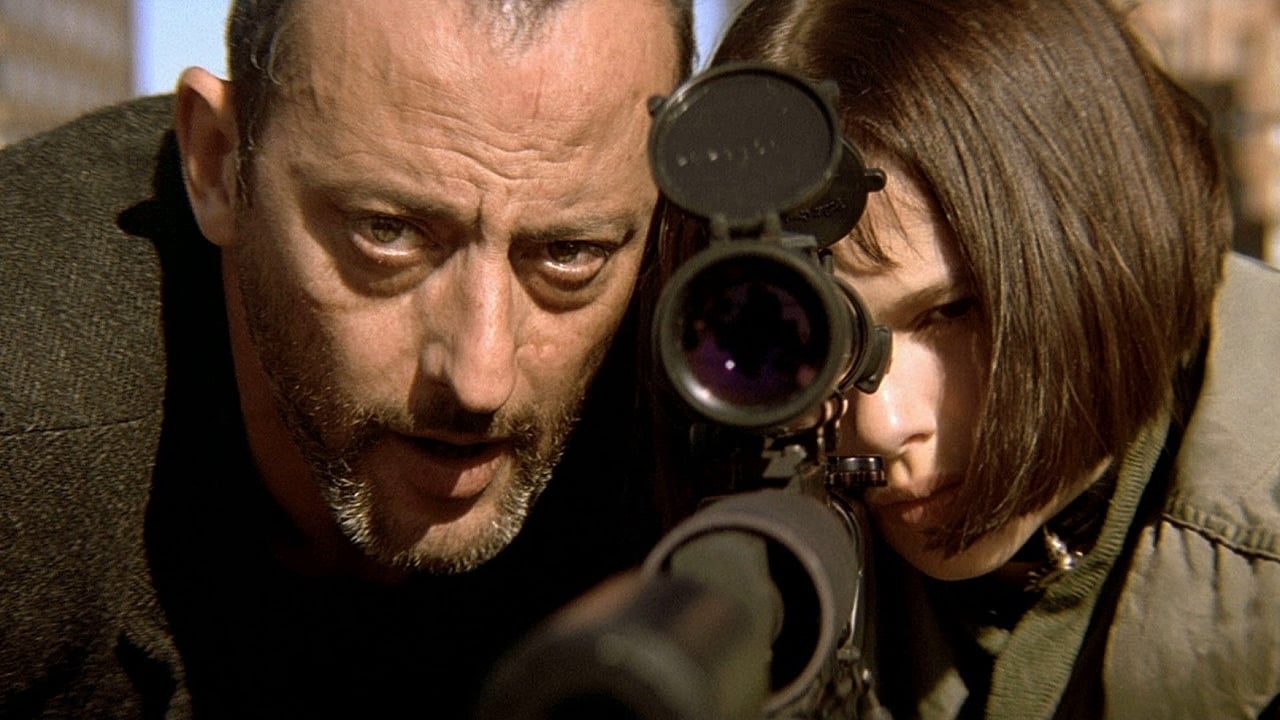
At the center of the storm is Jean Reno as Léon. By 1994, Reno had already established himself as Besson's go-to muscle in Le Dernier Combat and Nikita, but here he finds a soulful, almost bovine simplicity that is heartbreaking to watch. Léon is a "cleaner," a man who can dismantle a room full of bodyguards without breaking a sweat, yet he lacks the basic social tools to navigate a conversation with a twelve-year-old girl. He is a weapon that someone forgot to put back in the box.
Then there is Natalie Portman in her film debut. Watching this back now, it’s almost frightening how much screen presence she had at age eleven. As Mathilda, she doesn’t play "precocious child actor"; she plays a soul that has already been hollowed out by a miserable home life and a traumatic massacre. The chemistry between Reno and Portman is the film’s controversial engine. It’s a relationship built on shared trauma and a desperate need for connection, handled with a gravity that makes it feel both tender and dangerously fragile. Besson’s script doesn't shy away from the darkness of their bond, which is why the film still sparks heated debates in film circles today.
A Localized Weather Event of Cocaine and Beethoven

If Reno provides the film’s heartbeat, Gary Oldman provides its nervous breakdown. As the corrupt DEA agent Norman Stansfield, Oldman delivers a performance that feels like it was fueled by enough caffeine to stop a horse’s heart. Gary Oldman’s Norman Stansfield is less of a character and more of a localized weather event composed entirely of cocaine and Beethoven. He is the ultimate 90s villain—unhinged, poetic, and utterly terrifying because he has the badge to back up his madness.
The famous "EVERYONE!" scream wasn’t even in the script; Oldman shouted it during a take just to see if he could make the other actors jump. It’s that kind of improvisational fire that gives the film its jagged edge. In the era before the MCU’s polished, quippy villains, Stansfield was a reminder that the most dangerous monsters are the ones who enjoy their work a little too much. The action choreography, handled with sharp precision by Besson, complements this madness. The final siege on the apartment building is a masterpiece of tactical geometry—smoke, mirrors, and a man who refuses to stay dead.
The Texture of a Vanishing New York
Looking back, Léon serves as a gorgeous time capsule of a New York that doesn't really exist anymore. Thierry Arbogast's cinematography captures a city that feels humid, cramped, and perpetually bathed in the golden glow of a setting sun. This was the tail end of the analog era—no cell phones to call for help, no GPS to track a target. Everything feels tactile and heavy. The sound of a suppressor, the clink of a milk bottle, the rustle of Mathilda's oversized coat—the foley work here is top-tier.
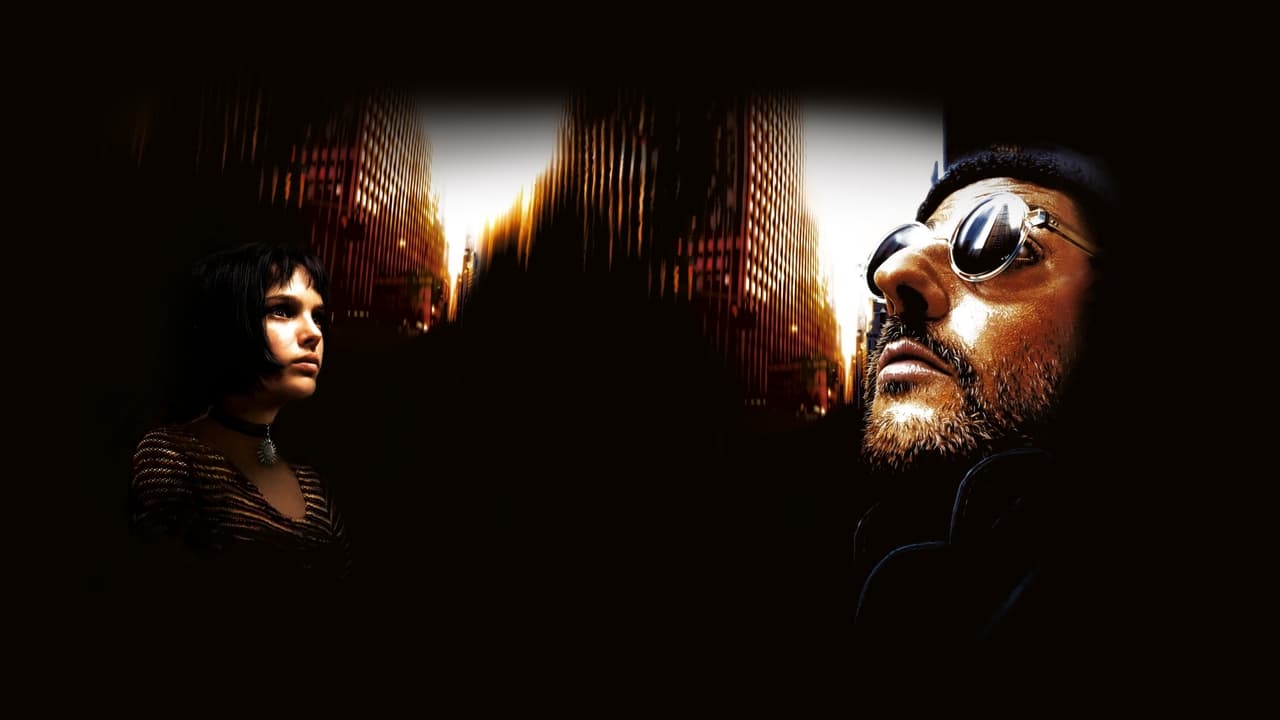
The film also benefits immensely from Éric Serra's score, which blends industrial synths with melancholic melodies. It’s a sound that defined the 90s "Euro-thriller" aesthetic. For those of us who grew up in the DVD era, the "Version Integrale" (Director’s Cut) became a rite of passage. It added nearly 25 minutes of footage that deepened the training sequences and made the central relationship even more complex. While it slows the pacing, it reveals the film's true intent: it’s not just an action movie; it’s a study of two people trying to find a reason to wake up the next morning.
Léon: The Professional is a rare beast that manages to be both a crowd-pleasing action flick and a haunting piece of prestige cinema. It’s a film that stays with you long after the credits roll, anchored by Portman's career-defining debut and Reno's stoic grace. It reminds me that sometimes the most effective way to tell a story about violence is to focus on the quiet moments in between the gunshots. Even thirty years later, it remains a sharp, polished, and profoundly moving piece of work.
Keep Exploring...
-

Dogman
2023
-
Heat
1995
-
The Dark Knight
2008
-
Batman: Mask of the Phantasm
1993
-
Bound by Honor
1993
-
The Fifth Element
1997
-
Nikita
1990
-
GoodFellas
1990
-
The Silence of the Lambs
1991
-
Carlito's Way
1993
-
The Shawshank Redemption
1994
-
The Usual Suspects
1995
-
Fargo
1996
-
L.A. Confidential
1997
-

Batman Begins
2005
-

The Dark Knight Rises
2012
-
Training Day
2001
-
Infernal Affairs
2002
-
Undisputed II: Last Man Standing
2006
-
Mesrine: Killer Instinct
2008