Mary Shelley's Frankenstein
"Creation is a messy, bloody business."
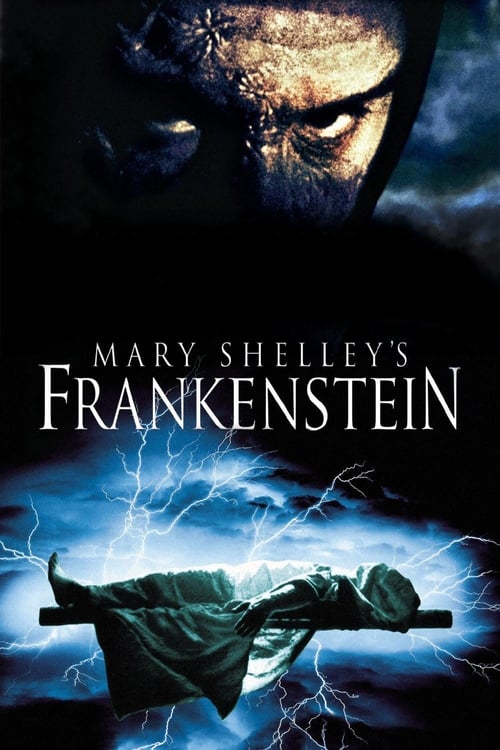
Kenneth Branagh doesn’t just direct movies; he attacks them with the frantic energy of a man trying to put out a fire with a silk cape. In 1994, riding high on the success of his Shakespearean romps, he decided to tackle the ultimate promethean myth. Fresh off the heels of Francis Ford Coppola’s lush, erotic Bram Stoker’s Dracula (1992), the mandate for Mary Shelley’s Frankenstein was clear: make it big, make it loud, and for heaven's sake, make it prestigious.
I recently rewatched this on a Tuesday afternoon while nursing a slightly burnt grilled cheese sandwich, and the sheer velocity of the film is still staggering. It’s a movie that refuses to sit still. The camera spins, the score by Patrick Doyle bellows, and Kenneth Branagh—as the titular Victor—spends a surprising amount of screen time sprinting through his laboratory with his shirt unbuttoned. It’s a high-protein, high-melodrama take on horror that feels distinctly like a product of that mid-90s window where studios were throwing massive budgets at "literary" horror before CGI took over the sandbox.
Shakespearean Gore and Shirtless Science
The first thing you notice is the tone. This isn't the slow, atmospheric dread of the 1931 Universal classic. This is "Frankenstein" by way of Hamlet. Branagh plays Victor not as a cold, calculating scientist, but as a Romantic hero driven by grief and a borderline-erotic obsession with conquering death. After his mother dies in a truly harrowing childbirth scene, Victor heads to university, meets the skeptical John Cleese (playing it straight and doing a fantastic job), and decides to play God.
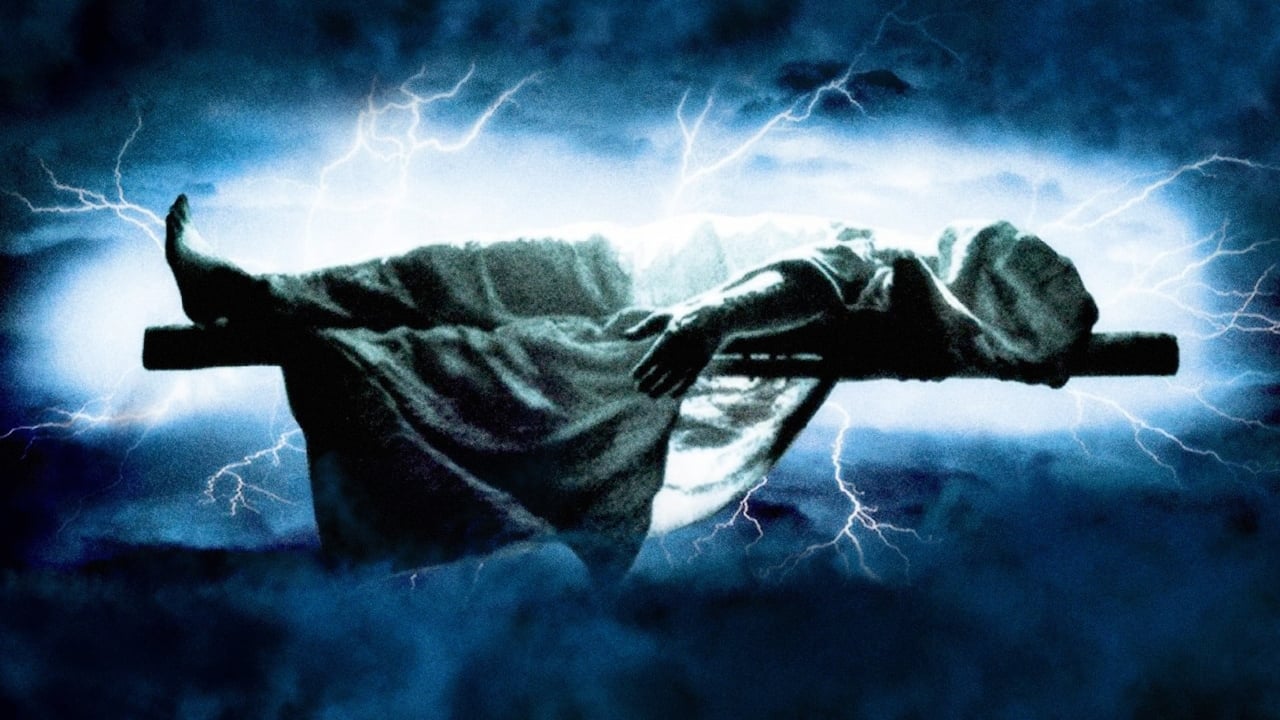
The creation scene is the film's centerpiece, and it is absolutely bonkers. Eschewing the traditional lightning bolts and "It’s alive!" shouting, Branagh opts for a giant copper vat, electric eels, and a lot of amniotic fluid. Victor slides around on the floor, wrestling with his creation in a way that feels more like a Greco-Roman wrestling match than a scientific breakthrough. The whole movie feels like it’s vibrating at a frequency only a golden retriever could hear. It’s exhausting, but you have to admire the commitment to the bit. There’s a tactile, wet quality to the production design that feels vastly more "real" than the digital monsters we get today.
De Niro’s Pathetic Prometheus
Then there is the Creature. Casting Robert De Niro was the ultimate "90s prestige" move, and his performance remains the most divisive part of the movie. Eschewing the flat-top head and bolts, Daniel Parker’s makeup design focuses on a "stitched-together" realism. This is a man made of parts, and he looks the part—craggy, asymmetrical, and deeply uncomfortable in his own skin.
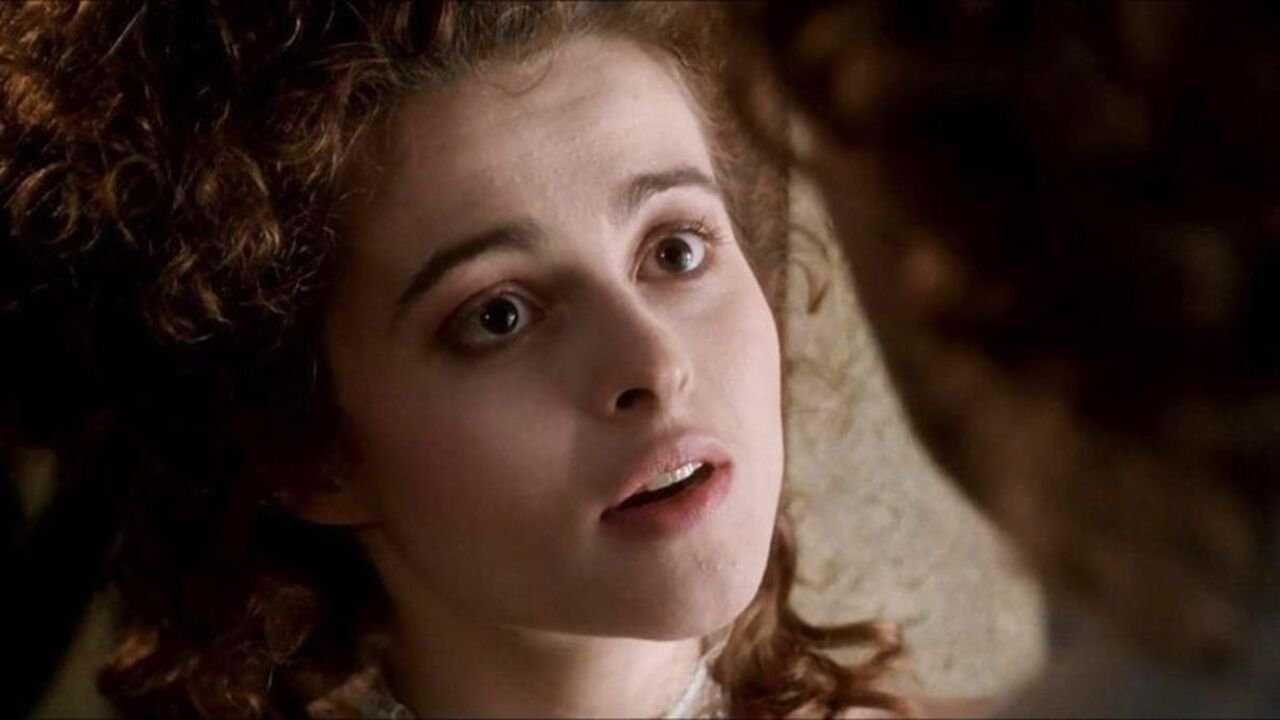
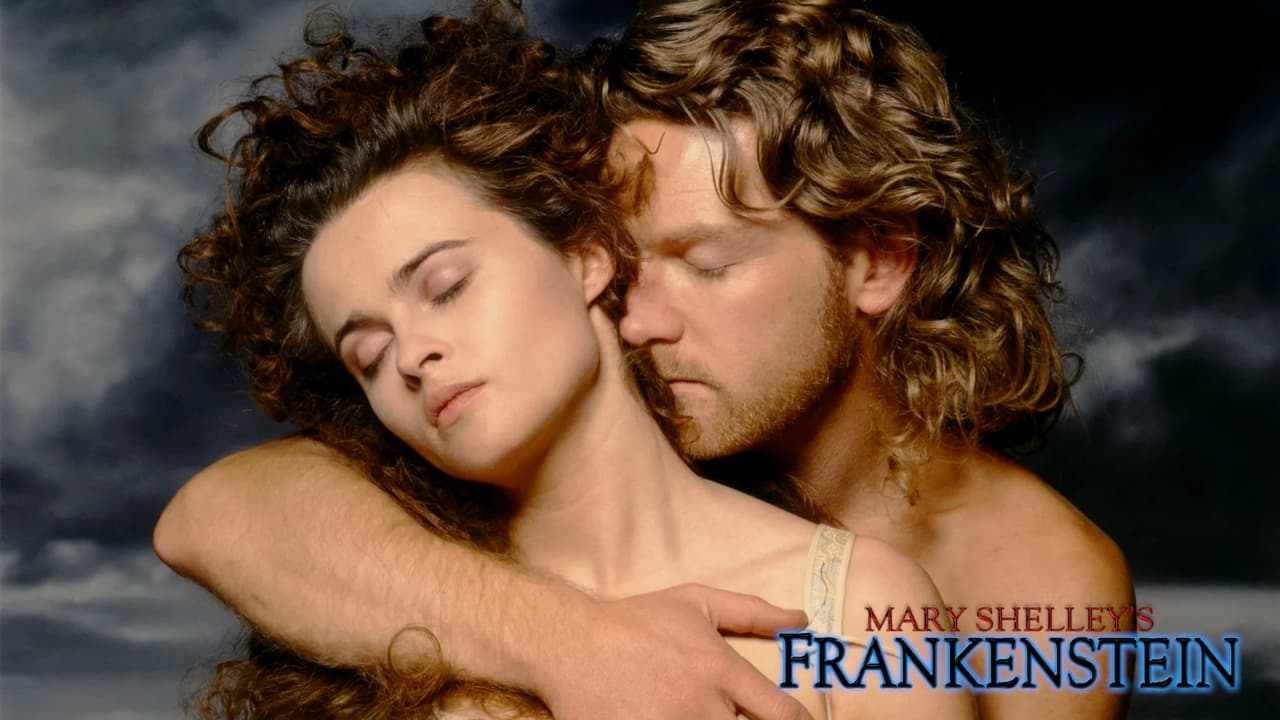
De Niro plays the creature as a fast learner with a massive chip on his shoulder. He’s articulate, quoting Milton and demanding a mate, which is much closer to Mary Shelley’s original text than the grunting versions of cinema past. Sometimes he sounds a bit too much like a guy from Poughkeepsie who’s had a very bad day, but there’s a genuine pathos there. When he interacts with the blind grandfather (Richard Briers), you see the tragedy of a soul trapped in a discarded body. However, once he starts his revenge tour against Victor’s family—including the luminous Helena Bonham Carter as Elizabeth—he becomes a slasher villain with a philosophy degree.
The Practical Peak of the 90s
Looking back from an era of green-screen marathons, the craftsmanship here is undeniable. The sets are gargantuan, the costumes are heavy, and the practical effects have a weight that CGI often lacks. There’s a scene involving a "bride" near the end that is genuinely shocking in its practical execution; it’s the kind of body horror that makes you appreciate the era’s reliance on latex and stage blood.
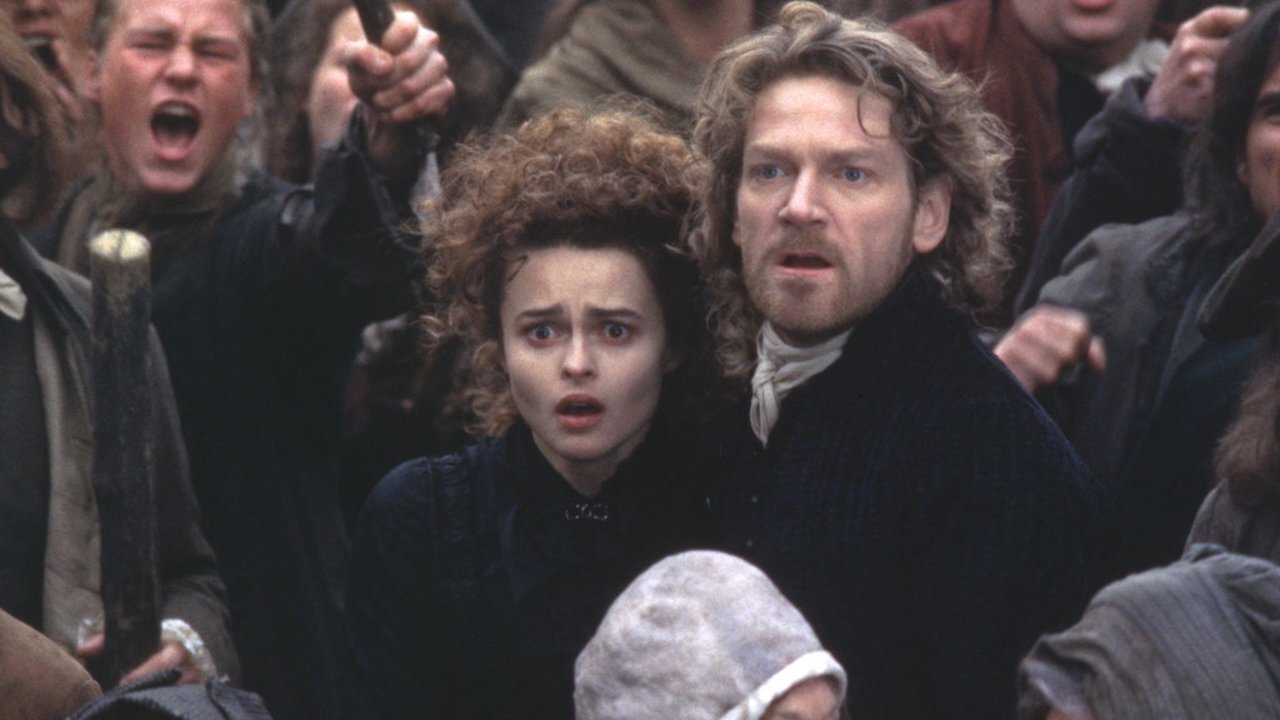
Interestingly, Frank Darabont, who co-wrote the script, famously hated the final product. He called it Branagh’s "bright shiny loud" version of his more nuanced script. You can see the bones of a more thoughtful film buried under the shouting, particularly in the relationship between Victor and Tom Hulce's Henry Clerval. But Branagh was clearly more interested in the grand, operatic sweep. He even kept the arctic framing device from the book, featuring Aidan Quinn as Captain Walton, which adds a layer of "doomed explorer" aesthetic that makes the film feel like a true epic.
Apparently, the production was just as chaotic as the film looks. To get the right "slippery" look for the creation scene, the floor was covered in gallons of KY Jelly, leading to several cast members taking unintentional tumbles. Also, the electric eels used in the tank were very much real—though hopefully better behaved than the lead actors.
Ultimately, Mary Shelley’s Frankenstein is a fascinating relic. It’s too loud to be truly scary and too frantic to be truly moving, but it is never, ever boring. It represents a moment in film history where "more is more" was the guiding light for big-budget horror. While it doesn't reach the heights of the Coppola Dracula it was trying to emulate, it remains a wildly entertaining display of ego and artistry. If you can handle the shouting and the spinning cameras, it’s a journey into madness that is well worth the 123 minutes of your life.
Keep Exploring...
-
Flatliners
1990
-
Wolf
1994
-
S1m0ne
2002
-
Forever Young
1992
-
Phenomenon
1996
-
2046
2004
-
Carriers
2009
-

Dreamcatcher
2003
-
Perfect Sense
2011
-
The Good Son
1993
-
It Could Happen to You
1994
-
A Walk in the Clouds
1995
-
Strange Days
1995
-
The Quick and the Dead
1995
-

Village of the Damned
1995
-
That Thing You Do!
1996
-
The Craft
1996
-
Mimic
1997
-
EverAfter
1998
-
Blast from the Past
1999