Maverick
"Cheating is only a sin if you get caught."
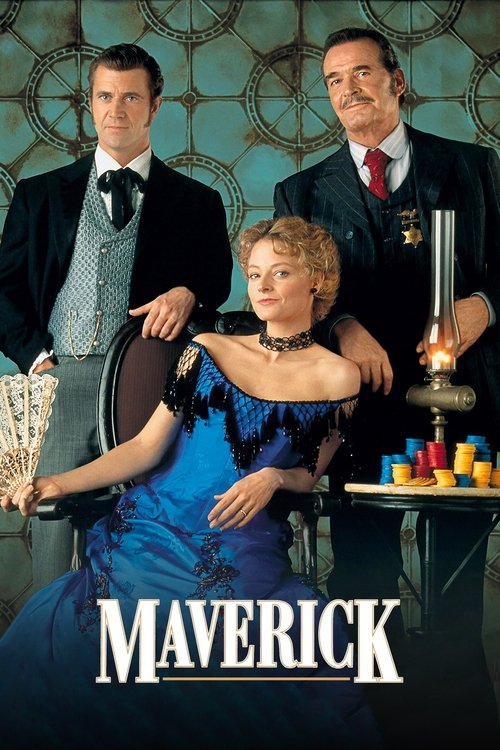
I watched Maverick last Tuesday while struggling to peel a price sticker off a second-hand bookshelf, and I realized that the film operates with that same kind of sticky, stubborn persistence. It’s a movie that refuses to be anything other than a "good time," even when the plot threatens to wander off into the desert and die of thirst. In an era where we expect our Westerns to be either gritty deconstructions of the American myth or hyper-violent revenge fantasies, Maverick feels like a delightful anomaly—a $75 million lark that cares more about a well-timed quip than a high-noon showdown.
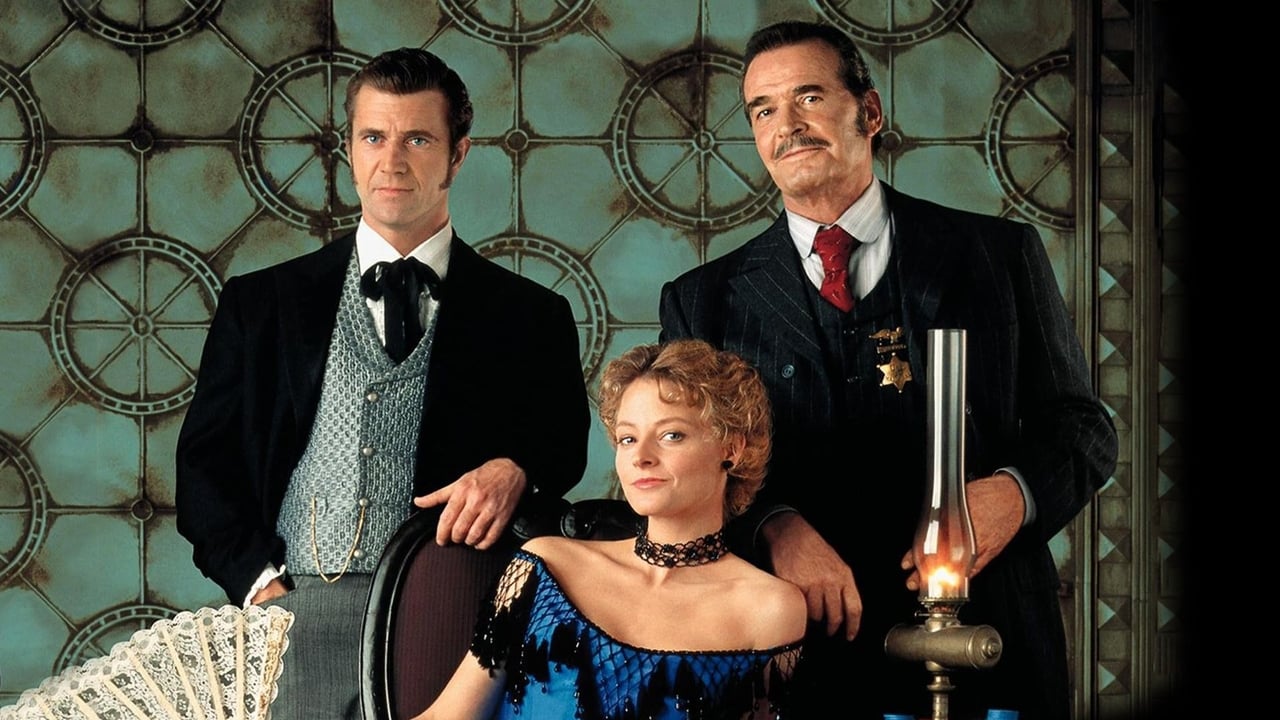
Coming out in 1994, it sat in the shadow of the "serious" Western revival sparked by Unforgiven. But while Eastwood was contemplating the soul-crushing weight of murder, Richard Donner (the man who gave us Superman and Lethal Weapon) was busy making a movie where the protagonist spends twenty minutes trying to figure out how to get a snake out of his boot without looking like an idiot. It’s a star vehicle in the truest sense, and man, does that engine purr.
The Goldman Touch
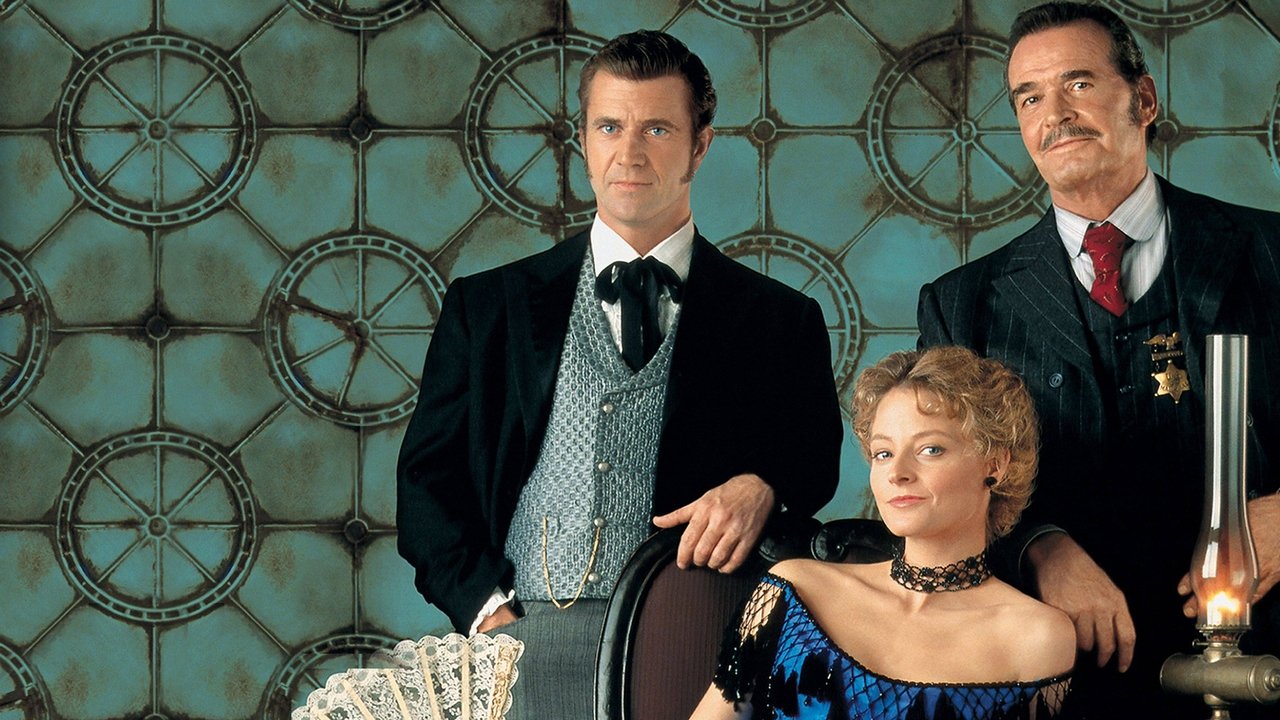
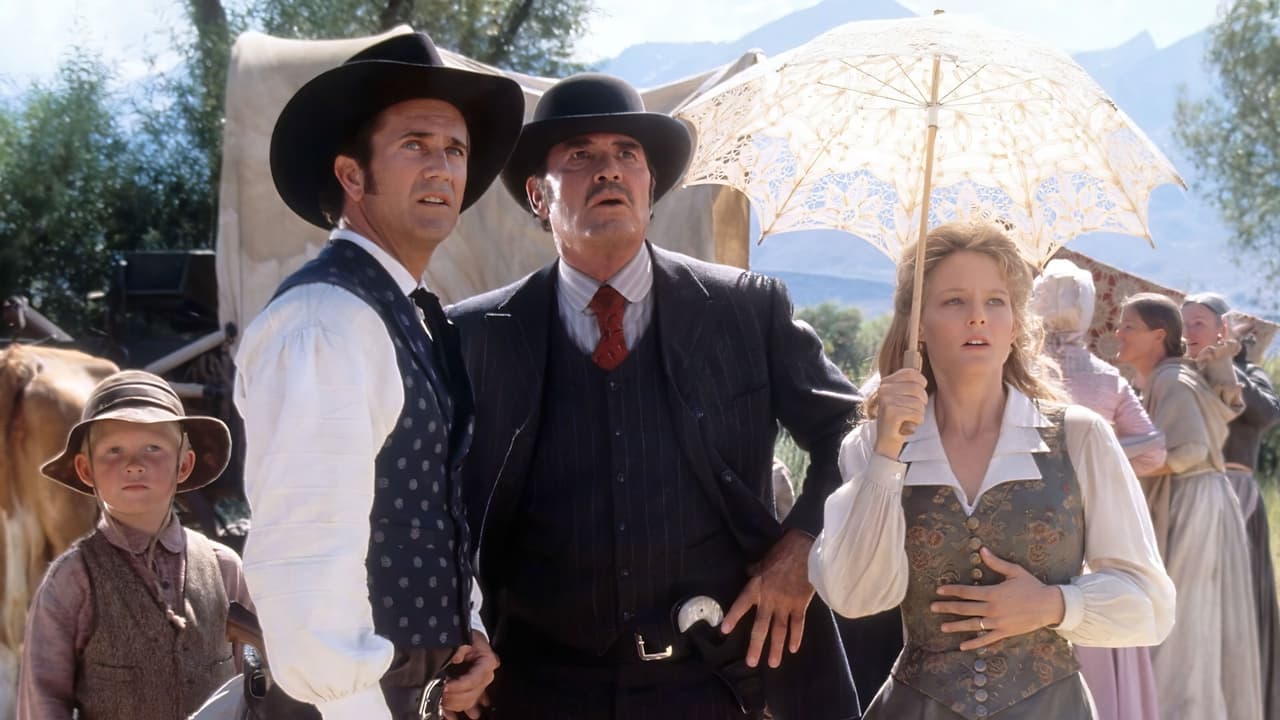
The secret weapon here isn't the gunplay; it's the screenplay. Written by the legendary William Goldman (Butch Cassidy and the Sundance Kid, All the President’s Men), the dialogue has that rhythmic, self-aware snap that you just don't hear anymore. Mel Gibson plays Bret Maverick—not as a hero, but as a man whose primary survival strategy is being more annoying than his opponent. Gibson is essentially playing a cartoon rabbit who accidentally stumbled into a Peckinpah set, and it works because he’s at his peak "charming manic" phase here.
He’s joined by Jodie Foster as Annabelle Bransford, a character who manages to be a "damsel in distress" while simultaneously picking everyone’s pockets. Watching Foster do comedy is a treat; she has a fake Southern accent that is so delightfully theatrical it borders on a war crime, and she plays off Gibson with the kind of friction that makes you miss the era of the high-budget romantic-adventure. Then there’s James Garner, the original TV Maverick, playing a lawman who seems to be the only person in the film with a functioning moral compass—or so it seems. The chemistry between Gibson and Garner is the film’s real heartbeat, a passing of the torch that feels more like a shared cigar.
Practical Magic and 90s Excess
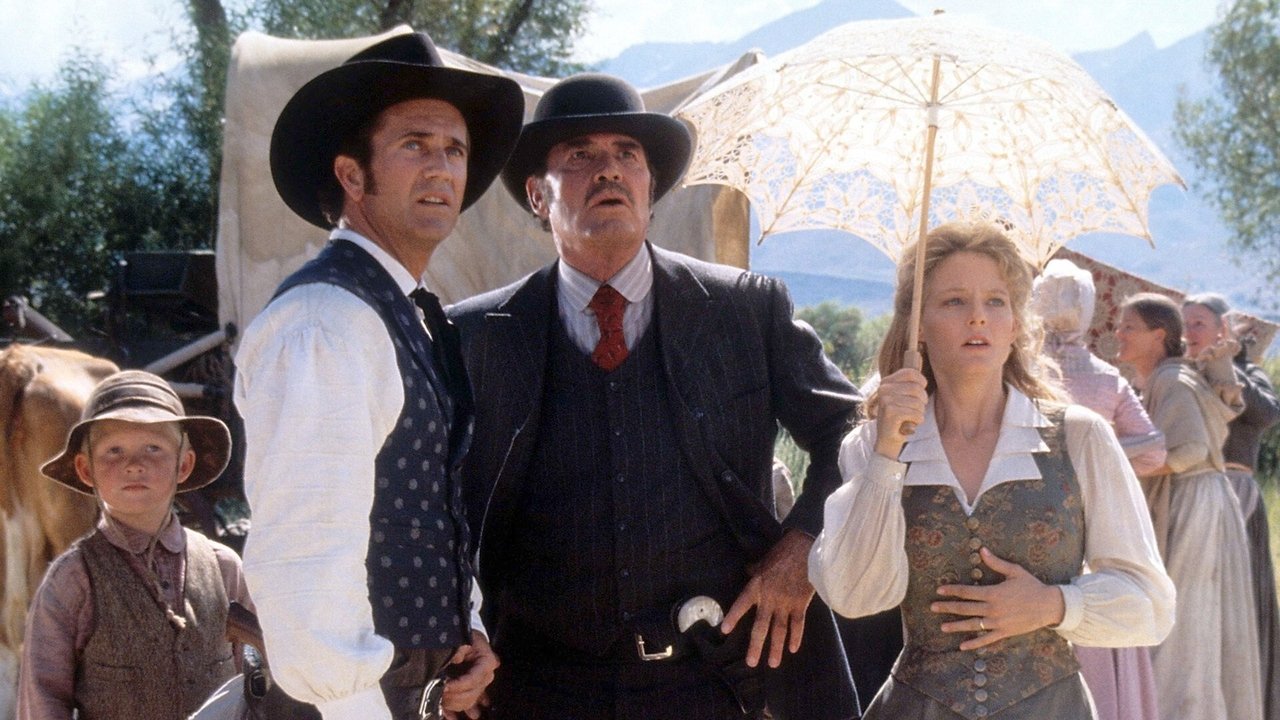
Looking back, Maverick is a gorgeous reminder of what "big budget" used to mean before every background was a green screen. Shot by the great Vilmos Zsigmond (Close Encounters of the Third Kind, The Deer Hunter), the film looks expensive. The dust feels real, the horses look exhausted, and the stagecoach chase—directed with Donner’s signature kinetic energy—is a masterclass in practical stunt work. There is a weight to the action here that digital effects just can’t replicate. When a stagecoach dangles over a cliff, you can feel the gravity.
One of the funniest, most purely "90s" moments is a blink-and-you’ll-miss-it cameo by Danny Glover. For about thirty seconds, the movie stops being a Western and becomes a Lethal Weapon meta-joke. It’s the kind of fourth-wall-nudging that would feel obnoxious today in a Marvel movie, but here, it feels like an invitation to the party. The film knows it’s a romp. It knows you know who these actors are. It’s not trying to immerse you in 1870; it’s trying to entertain you in 1994.
The Odds of Obscurity
Why has this movie fallen into the "half-remembered" category? It made a ton of money at the box office, yet it rarely gets mentioned in the pantheon of great Westerns. I suspect it's because it’s a "poker movie" that doesn't actually care about the rules of poker. The final hand of the tournament is statistically more likely than me being struck by lightning while holding a winning Powerball ticket. If you’re a card shark, the climax will probably give you an aneurysm.
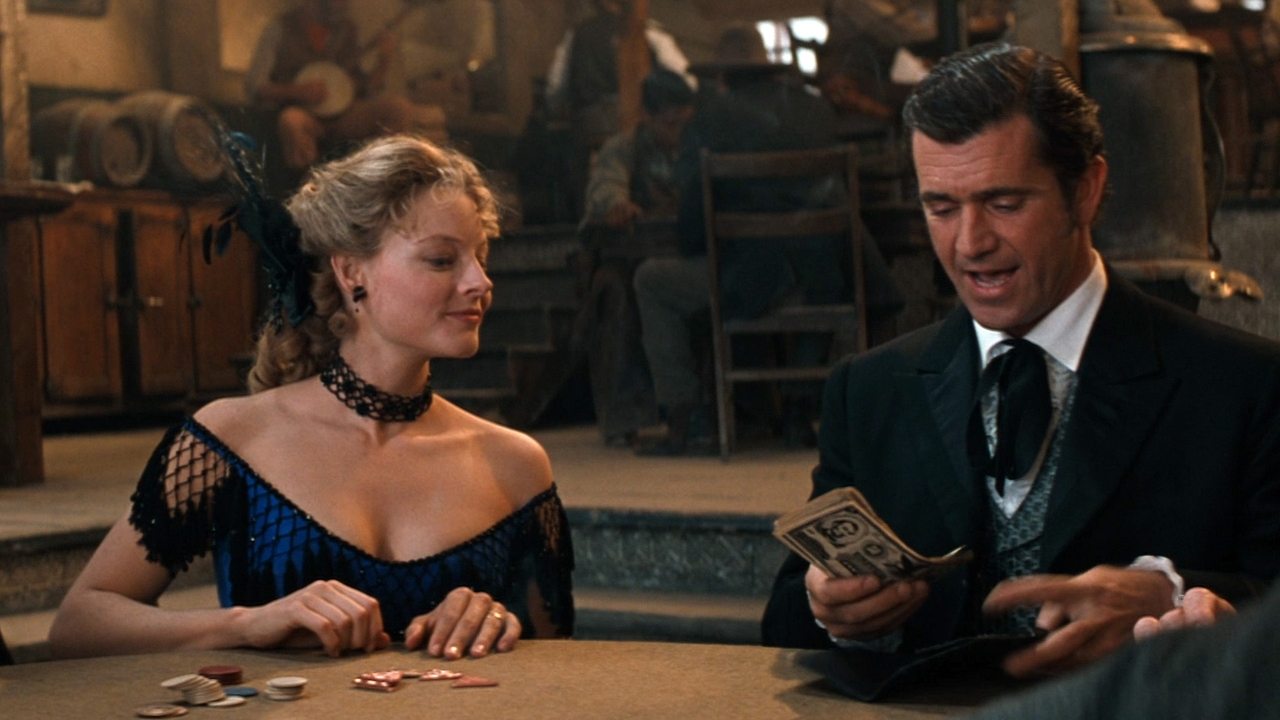
But if you view the poker game not as a sport, but as a magic trick, it’s spectacular. The film is a series of cons stacked on top of each other, leading to a finale that keeps pulling the rug out from under the audience until you’re not even sure who the protagonist is anymore. It’s a movie about the joy of the lie.
Apparently, the production was just as much of a circus as the film suggests. James Coburn (playing the Commodore) and Graham Greene (as a hilariously cynical tribal chief) seem to be having the time of their lives. Greene, in particular, subverts every "noble warrior" trope with a performance that suggests he’s mostly just in it for the government subsidies and a good laugh. It’s this lightness of touch that makes Maverick worth revisiting. It doesn't want to teach you a lesson; it just wants to show you a card trick and buy you a drink.
If you can find it—and it’s currently bobbing around various streaming services or gathering dust in the "W" section of the few remaining physical media shops—give Maverick two hours of your life. It’s a polished, witty, and gorgeously shot piece of entertainment from an era when Hollywood knew how to spend money on people talking in rooms just as well as people blowing things up. It’s the ultimate "comfort Western," best enjoyed with a deck of cards and a healthy skepticism of anyone with a Southern drawl.
Keep Exploring...
-
Lethal Weapon 4
1998
-
Conspiracy Theory
1997
-
Lethal Weapon 3
1992
-

Sahara
2005
-
Lethal Weapon 2
1989
-

Wizards of Waverly Place: The Movie
2009
-
Wyatt Earp
1994
-
Bird on a Wire
1990
-
Shanghai Noon
2000
-
Assassins
1995
-
Teenage Mutant Ninja Turtles II: The Secret of the Ooze
1991
-
Shanghai Knights
2003
-
Osmosis Jones
2001
-

Speed Racer
2008
-

Hudson Hawk
1991
-
Who Am I?
1998
-
Last Action Hero
1993
-
Men in Black
1997
-
Holes
2003
-
Team America: World Police
2004