Miracle on 34th Street
"Believing is seeing, even when the lawyers disagree."
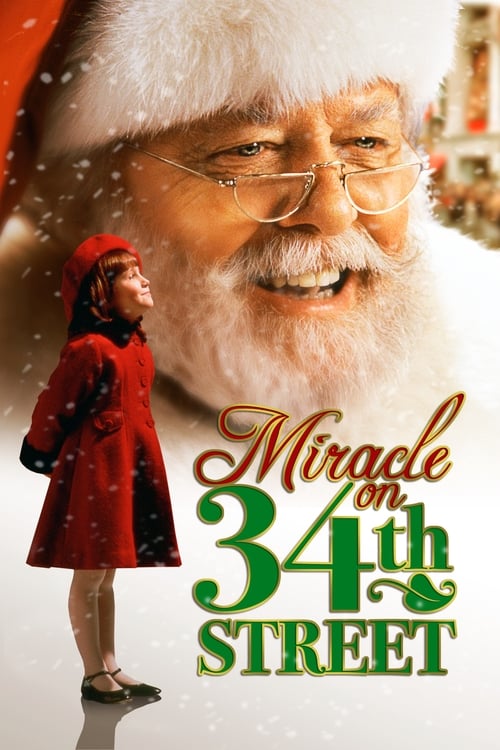
There was a specific kind of magic trick John Hughes liked to pull in the 1990s, where he would take a dusty cinematic relic and polish it until it glowed with the amber warmth of a high-end department store window. By 1994, Hughes was the undisputed architect of suburban mythology, and tackling a remake of the 1947 Miracle on 34th Street felt like an act of both supreme confidence and Christmas-themed hubris. It’s a film that sits in a strange pocket of history—too polished to be "retro," yet too sincere to fit in with the cynical, irony-drenched indie wave that was starting to dominate the mid-90s.
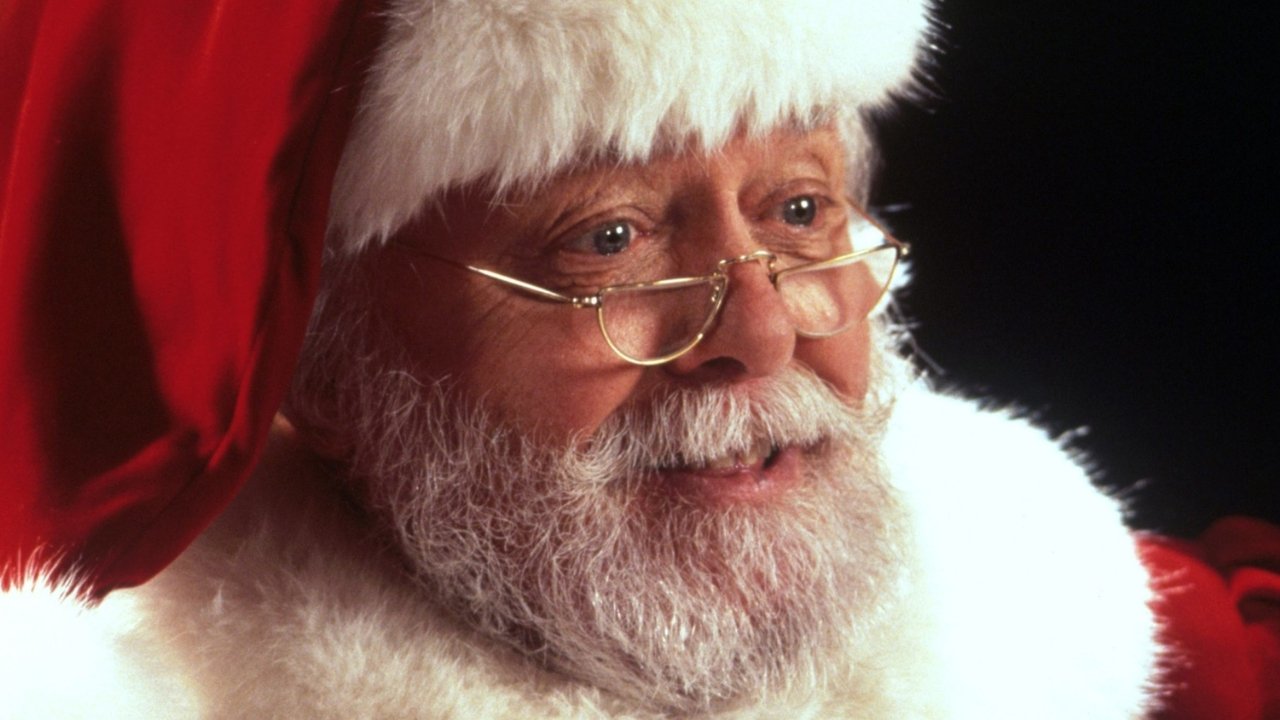
I settled in to rewatch this recently while nursing a lukewarm peppermint mocha that had definitely seen better days, and I was struck by how much this film feels like a time capsule of "pre-digital" wonder. It’s a drama that treats the existence of Santa Claus with the same procedural gravity as a political thriller, and while it never quite eclipses the original, it offers something the 1947 version couldn't: Richard Attenborough’s twinkling, grandfatherly gravitas.
The Face of Modern Belief
The success of any Miracle hinges entirely on the man in the red suit. While Edmund Gwenn set the gold standard in the 40s, Richard Attenborough—fresh off the blockbuster success of Jurassic Park (1993) where he played a very different kind of creator—brings a profound sense of dignity to Kris Kringle. He doesn't play Santa as a caricature; he plays him as a man who is genuinely disappointed by the world’s lack of imagination. There’s a scene where he speaks sign language to a young girl that remains one of the most effective emotional "gotchas" in 90s cinema. It’s earned, not forced, largely because Attenborough radiates a kindness that feels like it has a physical weight.
Opposite him, we have the 90s child star par excellence, Mara Wilson. Coming off Mrs. Doubtfire (1993) and heading toward Matilda (1996), Wilson was the era's go-to for "child who is secretly more mature than the adults." Her Susan Walker isn't precocious in an annoying way; she’s a pragmatist. Watching her slowly dismantle her own logic-based worldview is the real heart of the film. Elizabeth Perkins and Dylan McDermott provide the romantic scaffolding, though their chemistry often feels like it was designed by a marketing committee rather than a spark of passion. They look great in wool coats, though, which was basically 70% of the job in a John Hughes production.
The "Cole's" Conflict and 90s Texture
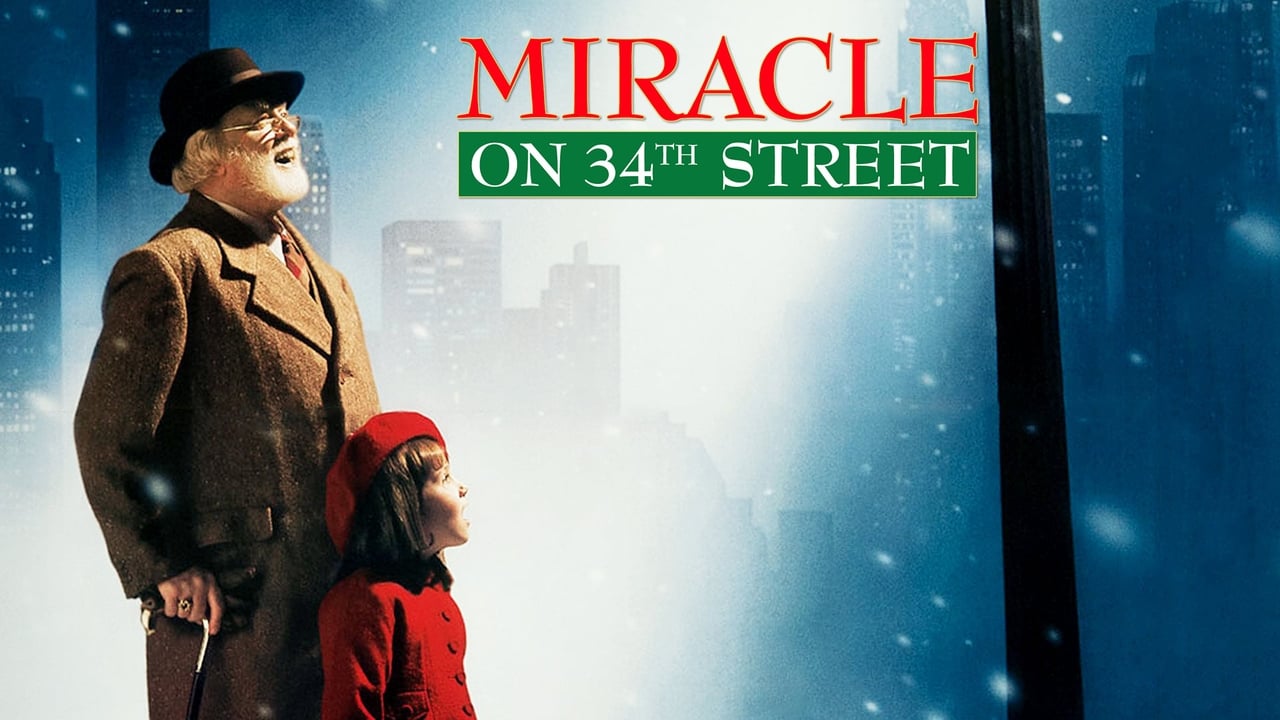
One of the reasons this film occasionally feels like an "oddity" compared to the original is the absence of Macy’s. In a bizarre twist of corporate branding, Macy’s declined to be involved in the remake, forcing the production to invent "Cole’s." For anyone who grew up with the 1947 version, the shift to a fictional store makes the movie feel like it’s taking place in a slightly parallel universe. It lacks that tether to real-world New York geography, yet the cinematography by Julio Macat—who also lensed Home Alone (1990)—compensates by making every frame look like a Christmas card drenched in gold and deep reds.
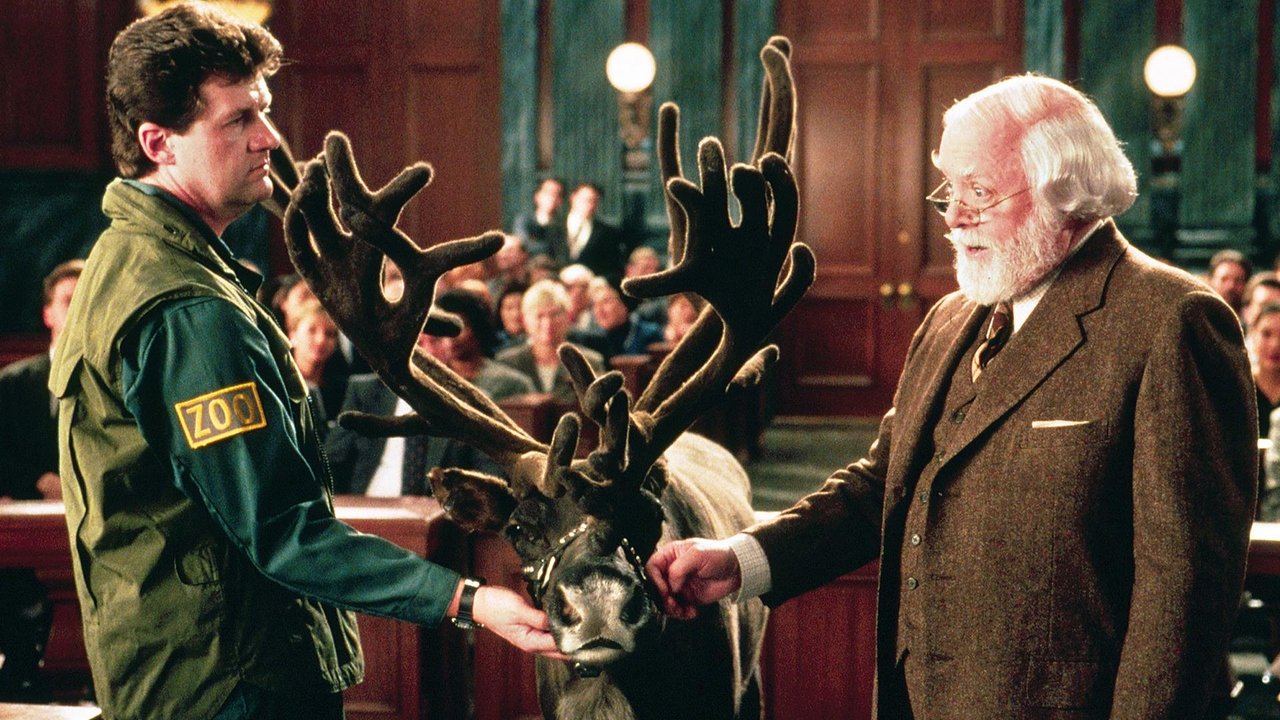
The film leans heavily into its legal drama roots in the second half, and this is where it reveals its 90s soul. We get the late, great J. T. Walsh as the prosecutor, Ed Collins. Walsh was the king of the "bureaucratic villain," and he plays the role with a delightful, sneering acidity. Watching a man try to prove in a court of law that Santa Claus doesn't exist is objectively absurd, but the film treats the proceedings with a straight face that I found surprisingly refreshing. The courtroom logic here is a total procedural disaster that would get every lawyer involved immediately disbarred, but as a piece of narrative wish-fulfillment, it works because it demands that the system itself acknowledge the value of a miracle.
Why It Slipped Into the Shadows
Looking back, it’s interesting to see how this film was overshadowed by the very era it helped define. 1994 was the year of Pulp Fiction and The Lion King. In a year of massive cinematic shifts, a faithful, glossy remake of a 40s classic felt "safe." It didn't have the grit people were starting to crave, nor the high-octane CGI spectacle of its contemporaries. It was a "nice" movie in a decade that was starting to value "edge."
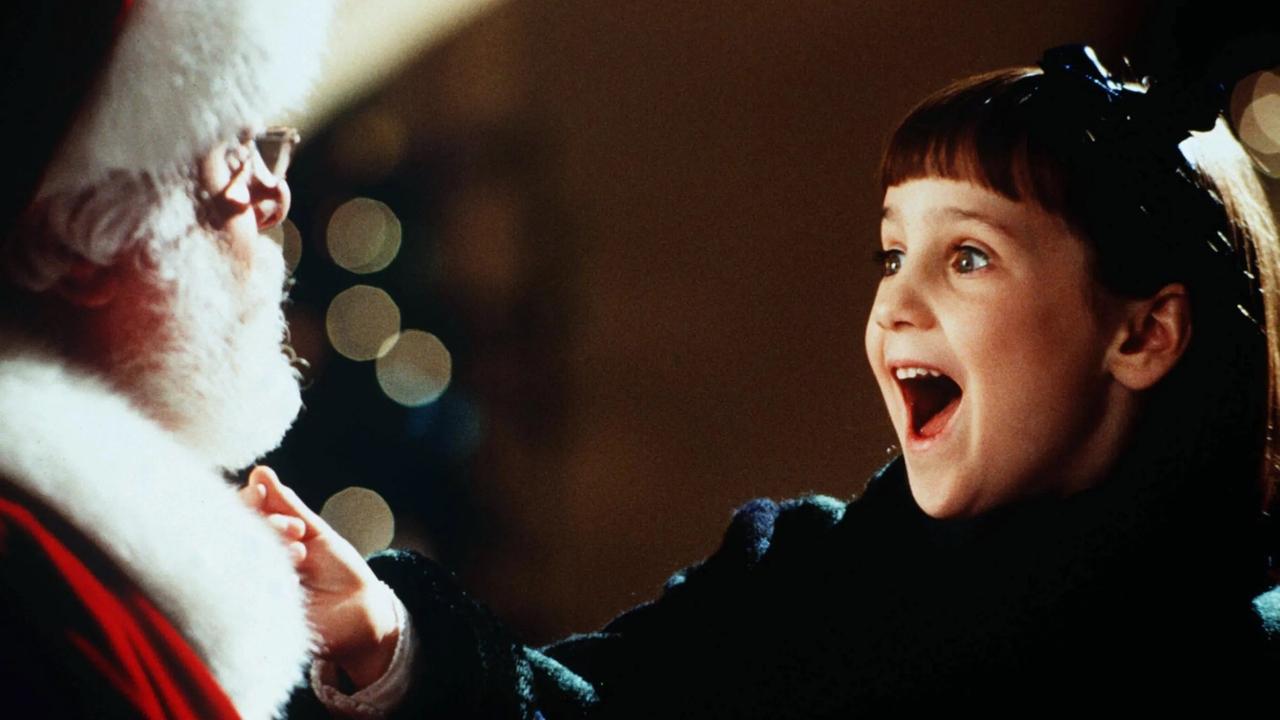
However, there is a distinct pleasure in the film’s practical craft. There are no digital elves or CGI reindeer here. The magic is found in the set design, the costumes, and the way Les Mayfield directs the actors to let the silences breathe. It captures a specific Y2K-adjacent anxiety about the loss of childhood innocence in an increasingly commercialized world—a theme that arguably resonates more now than it did thirty years ago.
Turns out, the production was actually quite a headache; the crew had to deal with a lack of real snow in New York, leading to a massive reliance on artificial suds that reportedly made the sets incredibly slippery. It’s a testament to the actors that they look like they’re enjoying a winter wonderland when they were actually trying not to break their necks on mounds of chemical foam.
Miracle on 34th Street (1994) is the cinematic equivalent of a heavy wool blanket. It’s familiar, it’s warm, and even if it’s a little scratchy in places, you’re glad it’s there when the temperature drops. It’s a drama that wears its heart on its sleeve and dares you to call it cheesy. While it might not replace the 1947 original in the pantheon of all-time greats, it’s a beautifully shot, superbly acted piece of 90s sentimentality that deserves a spot in your December rotation. Seek it out for Attenborough, stay for the cozy Hughes aesthetic, and ignore the legal impossibility of the climax. Just believe.
Keep Exploring...
-

The Muppet Christmas Carol
1992
-
The Secret Garden
1993
-
A Little Princess
1995
-
The NeverEnding Story II: The Next Chapter
1990
-
Just My Luck
2006
-

Where the Wild Things Are
2009
-

Wizards of Waverly Place: The Movie
2009
-

16 Wishes
2010
-
The Odd Life of Timothy Green
2012
-
The Santa Clause
1994
-

Babe
1995
-
James and the Giant Peach
1996
-
Jack Frost
1998
-

Pleasantville
1998
-
Matilda
1996
-

DuckTales: The Movie - Treasure of the Lost Lamp
1990
-

The Rescuers Down Under
1990
-
A River Runs Through It
1992
-
The Mighty Ducks
1992
-
The Hudsucker Proxy
1994