Natural Born Killers
"Love, murder, and fifteen minutes of bloody fame."
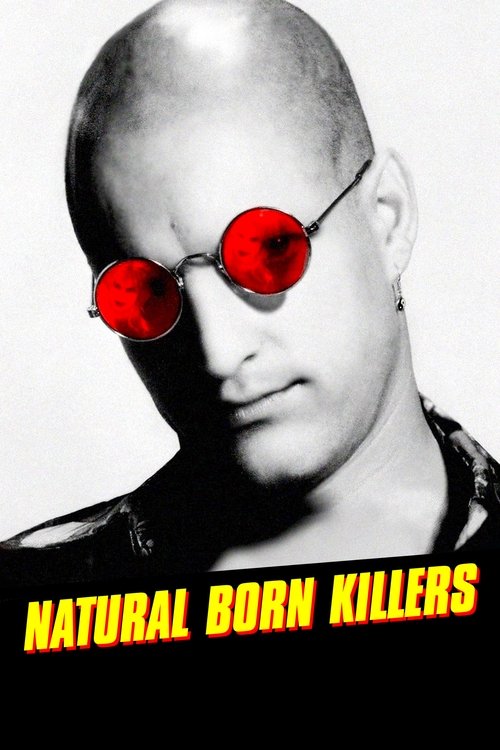
Watching Natural Born Killers for the first time is like being trapped inside a malfunctioning television set that’s been submerged in a vat of acid. I remember revisiting this a few years ago on a grainy DVD I bought at a garage sale—the previous owner had left a used lottery ticket inside the case—and even on a tiny screen, the movie felt like it was trying to crawl out of the glass and punch me in the throat. It is loud, obnoxious, neon-soaked, and arguably the most "1990s" artifact ever committed to celluloid.
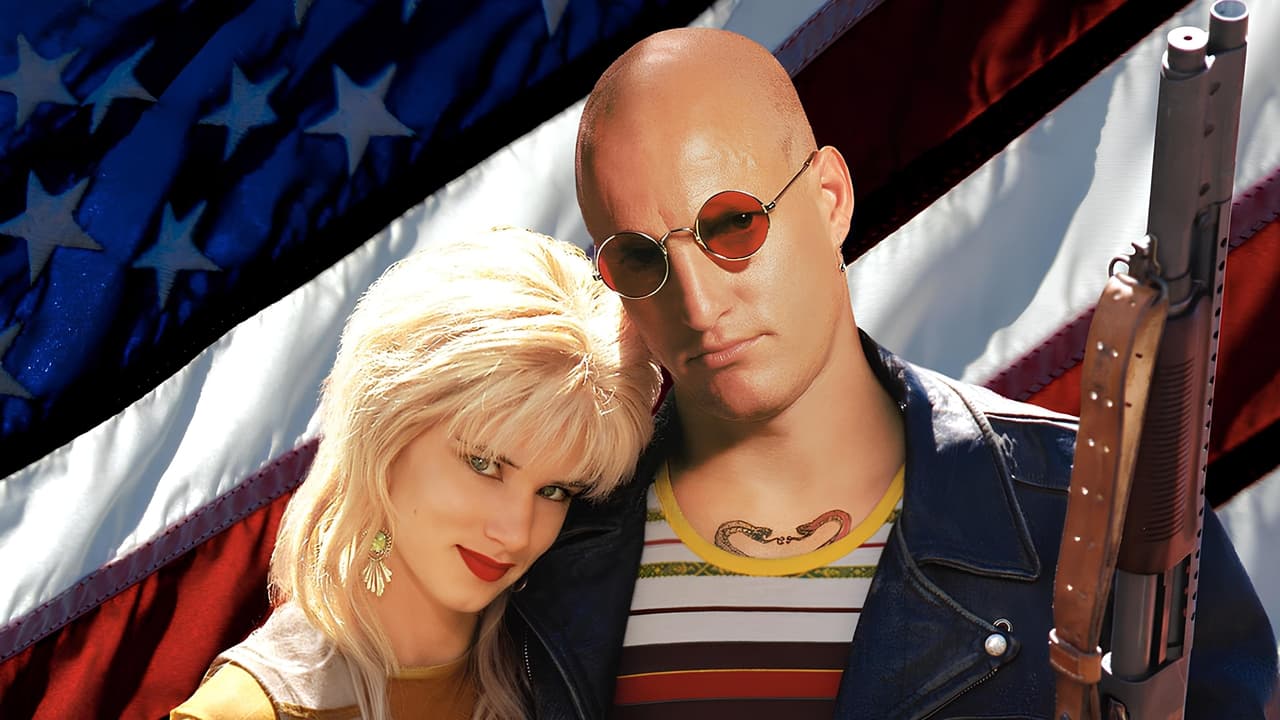
A Hallucinogenic Satire of the Evening News
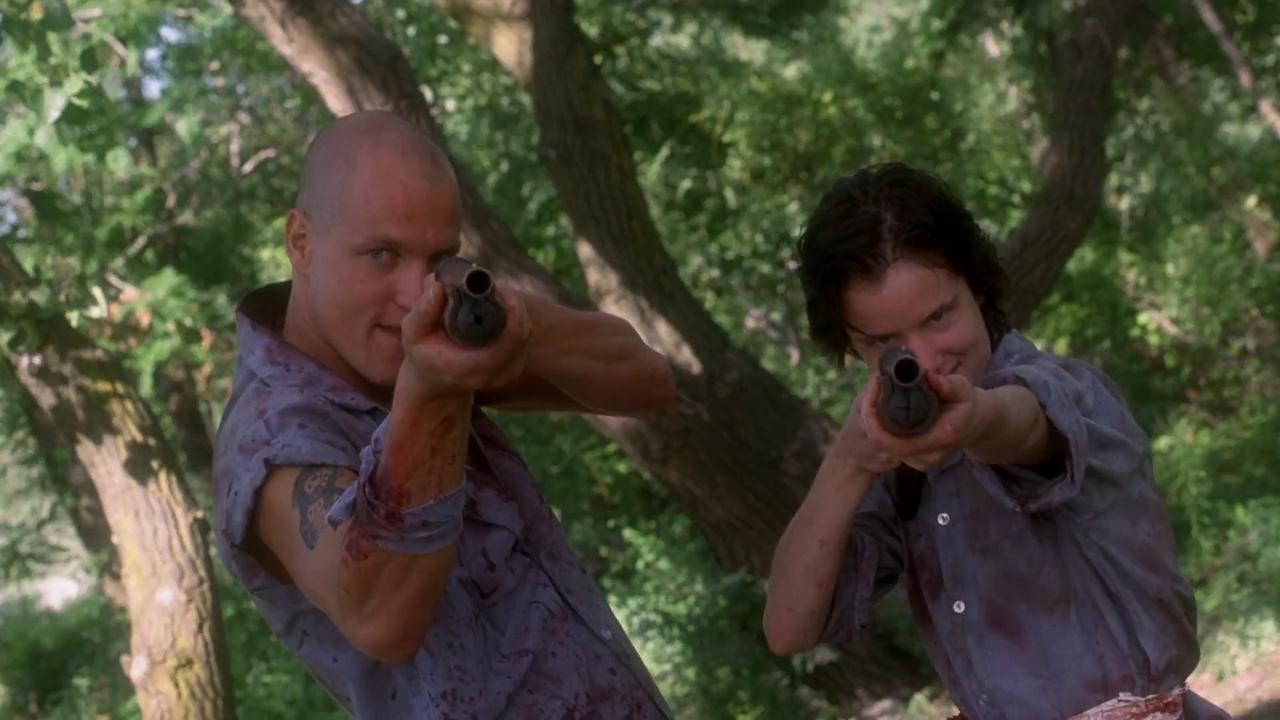
Released in 1994, Natural Born Killers was Oliver Stone’s middle finger to a society he saw as increasingly obsessed with the "celebrity criminal." Looking back from an era of 24/7 true crime podcasts and TikTok trials, Stone wasn't just being cynical; he was being prophetic. The plot is a skeletal road movie: Mickey and Mallory Knox (Woody Harrelson and Juliette Lewis) are two deeply traumatized souls who embark on a cross-country murder spree, leaving one survivor at every scene to tell the tale.
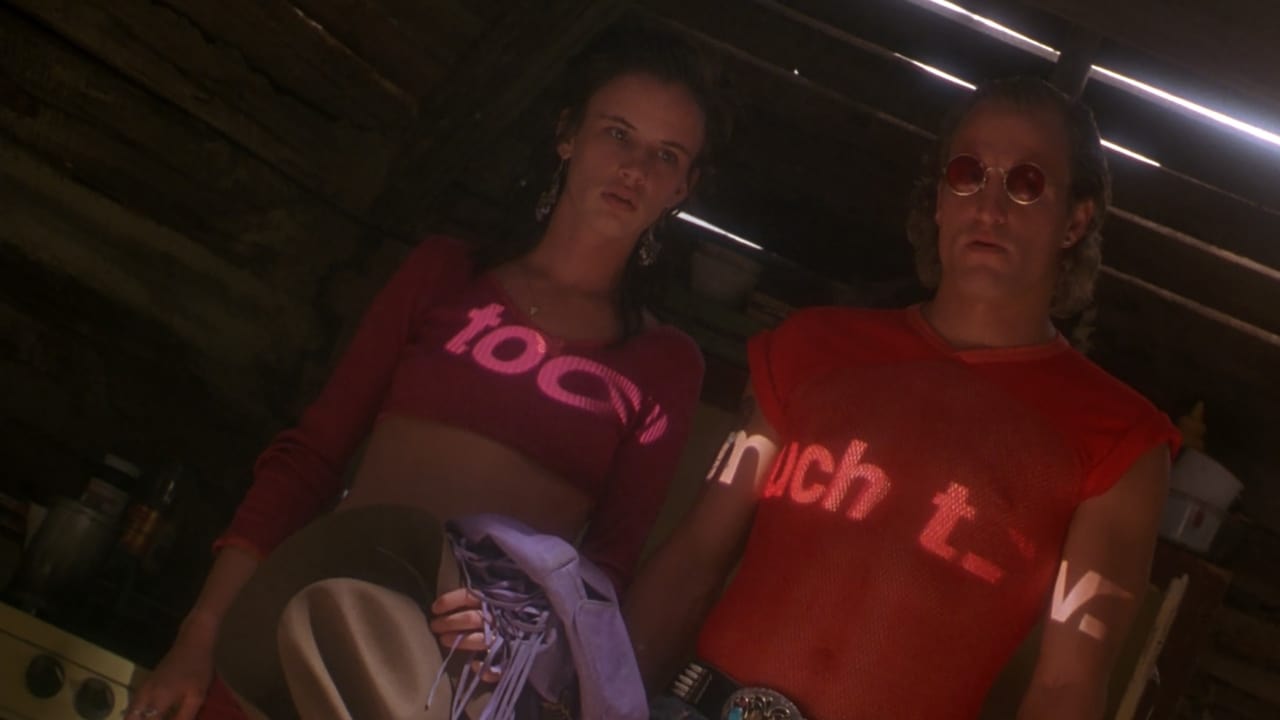
But the plot isn't the point. The feeling is the point. Oliver Stone and cinematographer Robert Richardson (who also lensed JFK and later The Aviator) utilized eighteen different types of film stock, ranging from 35mm to Super 8 and even black-and-white animation. The result is a visual junk drawer that never stays still. Colors shift based on the characters' moods; backdrops turn into rear-projections of stampeding cattle or burning buildings. It was the absolute peak of the "MTV editing" style, and frankly, it makes most modern action movies look like they’re standing still.
Scenery Chewing and Sitcom Nightmares
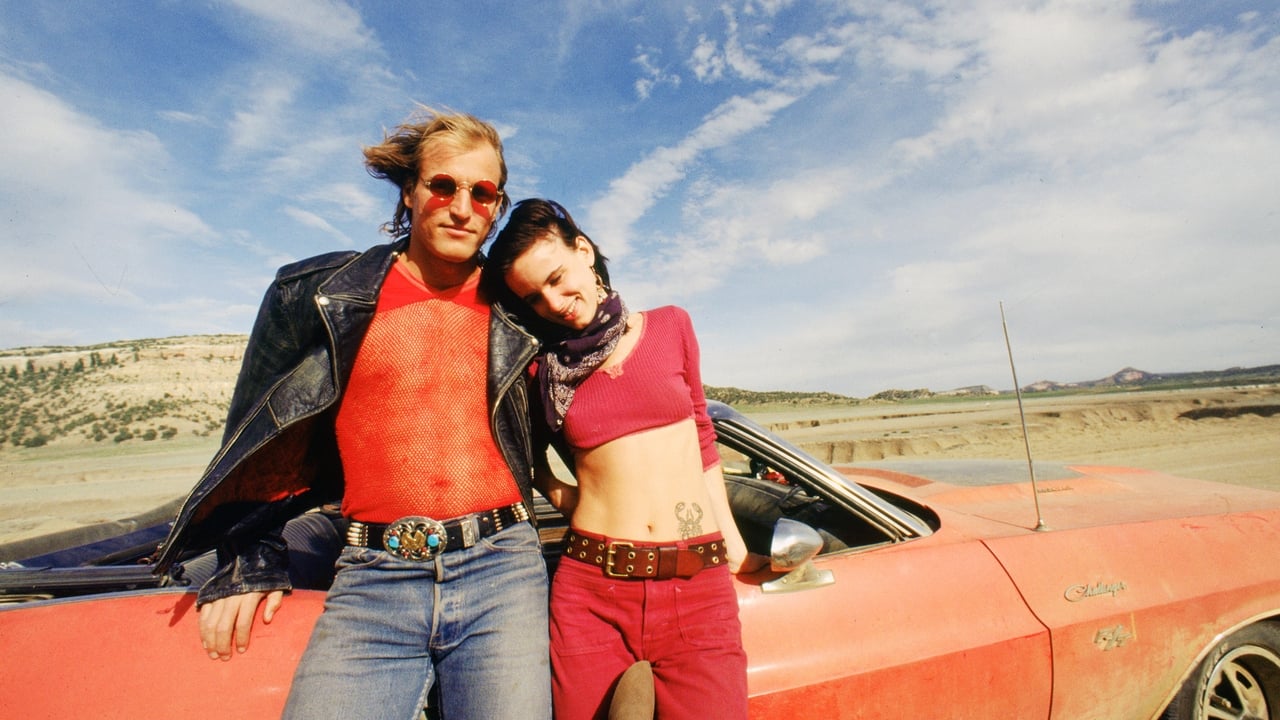
The performances here are dialed up to eleven, then the knob was ripped off and thrown out the window. Woody Harrelson, fresh off his "nice guy" run on Cheers, is terrifying as Mickey. He carries a calm, predatory energy that makes you realize why he was later so perfect for True Detective. Juliette Lewis, meanwhile, cements her status as the queen of 90s alternative cinema. She plays Mallory with a mix of childlike vulnerability and feral rage that is genuinely unsettling.
Then there is the supporting cast, who seem to be competing for a "Most Unhinged" award. Robert Downey Jr. plays Wayne Gale, a sensationalist Australian journalist who is arguably the true villain of the piece. Watching a pre-Iron Man Downey Jr. sweat and scream his way through an Aussie accent is a trip in itself. Tommy Lee Jones pops up as a prison warden who looks like he’s having a nervous breakdown in real-time, and Tom Sizemore is a detective who is just as psychopathic as the people he’s hunting.
One of the boldest, most disturbing choices Stone made was casting the legendary Rodney Dangerfield as Mallory’s abusive father. He plays the role in the style of a 1950s sitcom, complete with a canned laugh track that triggers every time he says something horrific. It’s a sequence that makes your skin crawl because it forces the audience to confront how the media packages trauma as entertainment. It is the most uncomfortable twenty minutes of comedy ever filmed.
The Cult of the Controversy
The film’s legacy is inextricably tied to the firestorm it caused. It was blamed for "copycat" crimes and faced massive censorship battles. It’s also famous for the behind-the-scenes friction with Quentin Tarantino, who wrote the original screenplay but eventually disowned the film after Stone and Richard Rutowski overhauled it. Tarantino’s DNA is still there—the snappy dialogue, the pop-culture riffs—but Stone turned a gritty crime script into a psychedelic social commentary.
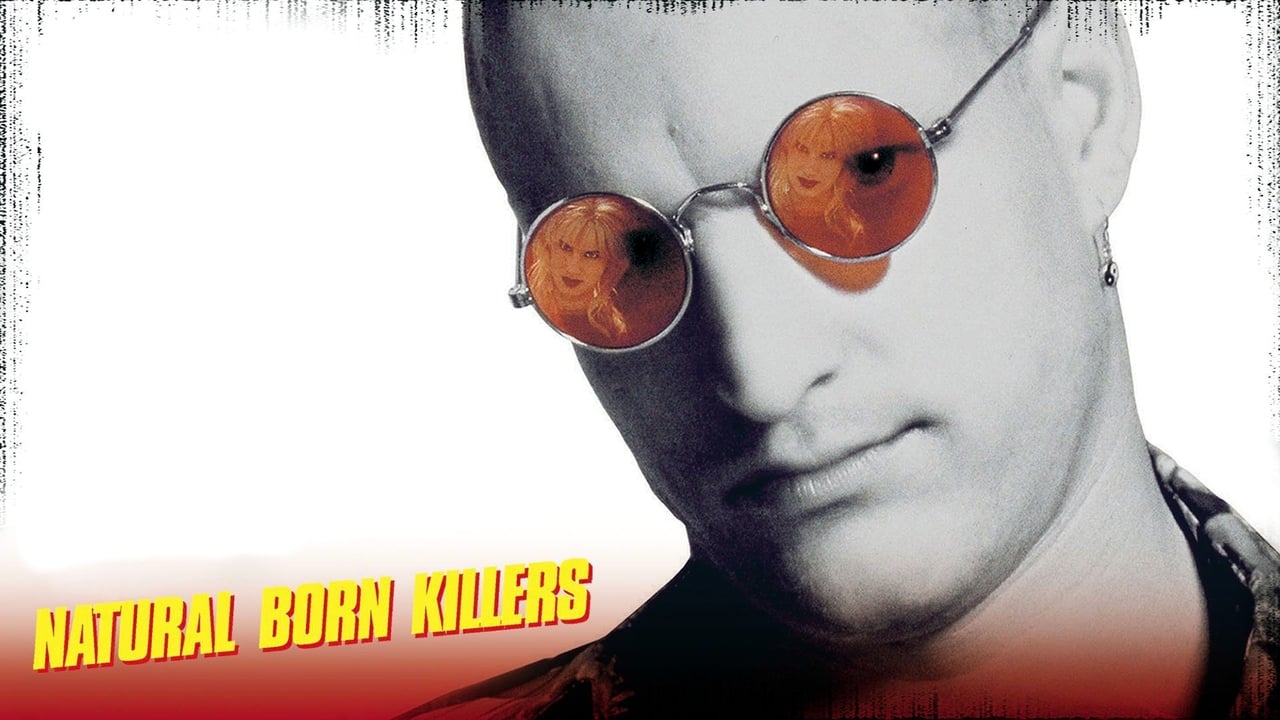
What’s fascinating about reassessing this film today is how well the central theme has aged. In 1994, the idea of the media "making" superstars out of killers felt like a warning. Today, it’s just the business model. The technical chaos of the film, which some critics at the time called "unwatchable," now feels strangely aligned with our current digital attention spans.
Is it a "pleasant" watch? Absolutely not. It’s an assault. But it’s an ambitious, high-budget art film that managed to sneak into the mainstream during an era when studios were still willing to take massive, weird risks. It’s a time capsule of 90s anxiety, industrial soundtracks (curated by Trent Reznor of Nine Inch Nails fame), and a directorial style that refused to blink.
Natural Born Killers remains a jagged, uncomfortable masterpiece of excess. It’s a movie that demands you look at the worst parts of our culture and refuses to give you a clean hero to root for. If you can handle the sensory overload and the grim subject matter, it offers a cinematic experience that hasn't been replicated since. It’s a blood-splattered mirror held up to a world that can’t stop watching the car wreck.
Keep Exploring...
-
Savages
2012
-
JFK
1991
-
Snowden
2016
-

Falling Down
1993
-
Strange Days
1995
-

Jackie Brown
1997
-
The Godfather Part III
1990
-

The Negotiator
1998
-

Wall Street
1987
-
Cape Fear
1991
-
American Psycho
2000
-
John Q
2002
-
21 Grams
2003
-
Lucky Number Slevin
2006
-
The Next Three Days
2010
-
Drive
2011
-
The Lincoln Lawyer
2011
-
End of Watch
2012
-
Nightcrawler
2014
-

Miller's Crossing
1990