New Nightmare
"Freddy’s coming for the people who made him."
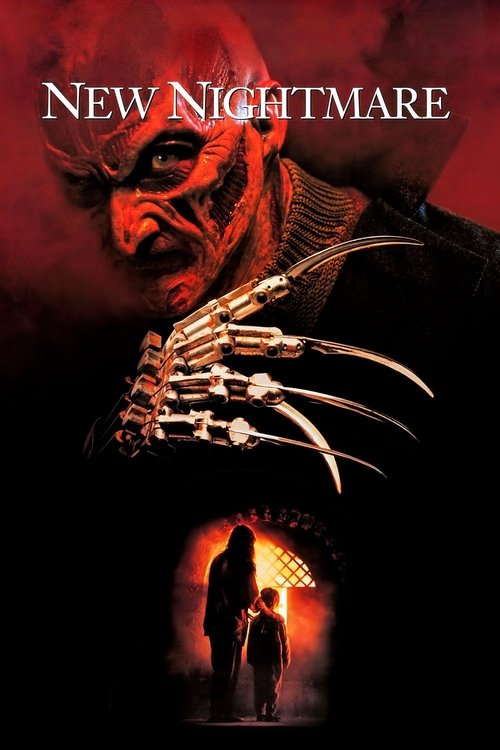
By 1994, the slasher genre wasn’t just dying; it was a punchline. The heavy hitters of the eighties—Jason, Michael, and our boy Freddy—had been sequel-ized into oblivion, stripped of their menace and repurposed as lunchbox-friendly caricatures. Freddy Krueger, in particular, had spent the latter half of the decade becoming a quippy Vaudeville act in a striped sweater. Then Wes Craven decided to stage a home invasion on his own legacy.
I watched this most recent re-run on a scratched DVD while my cat, Barnaby, spent the entire second act staring intensely at a shadow on the ceiling, which honestly added a layer of domestic suspense the director probably would have appreciated. This isn't just another Nightmare flick; it’s a cerebral, self-aware prototype for what Craven would later perfect with Scream (1996). It’s a film about films, a story about the stories we tell to keep the darkness at bay, and it feels remarkably prescient in our current era of "meta" everything.
A Nightmare Before Scream
The premise is a stroke of genius that must have baffled audiences used to straightforward gore-fests. Heather Langenkamp plays herself—not Nancy Thompson, but the actress who played Nancy. She’s living in Los Angeles, dealing with a persistent stalker and the looming shadow of the Elm Street franchise. The conceit is that Freddy isn't just a movie character; he’s an ancient, demonic entity that has been "trapped" by the film series. Now that the movies have stopped, the entity is looking for a way into the real world, and it’s using Heather and her young son, Dylan (Miko Hughes), as its portal.
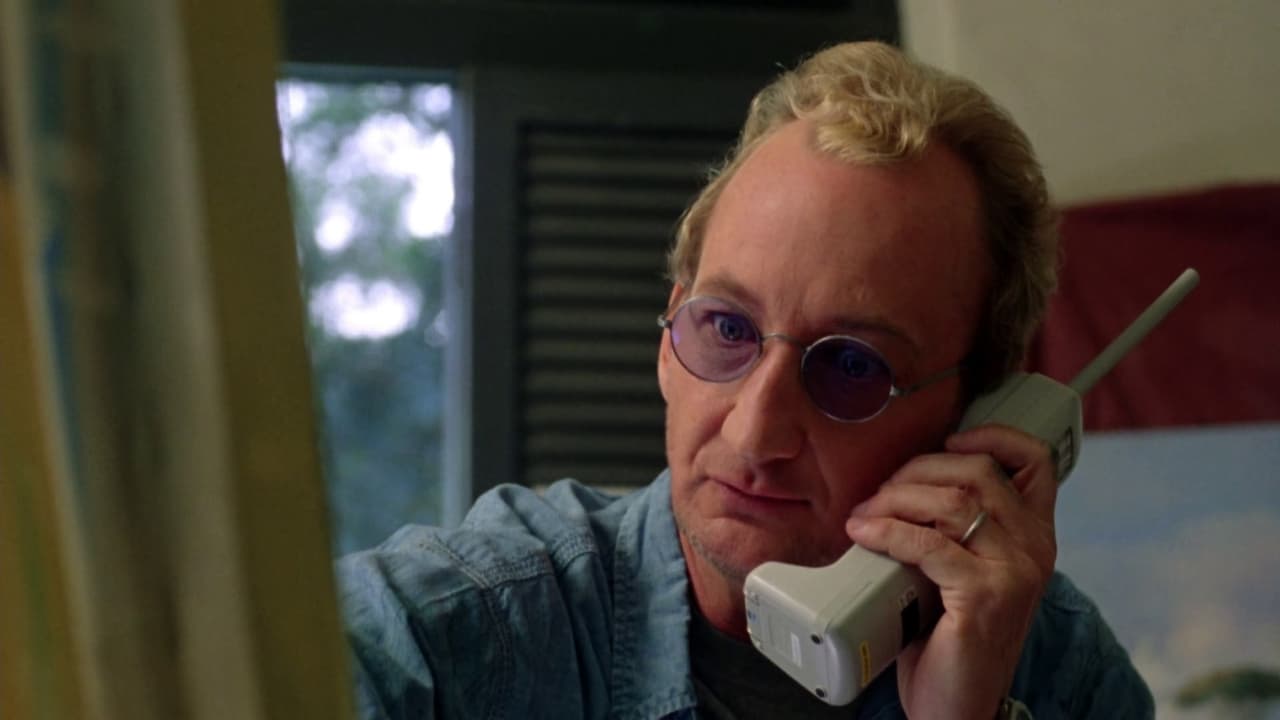
This meta-narrative allows the film to comment on the horror genre while participating in it. We see Robert Englund playing a charming, slightly weary version of himself before slipping into a much darker, meaner version of the dream stalker. There’s a delicious irony in watching the cast and crew of the original 1984 classic—including producer Marianne Maddalena and New Line head Robert Shaye—play themselves as they realize their "make-believe" monster is literally tearing through the script.
The Gritty Makeover
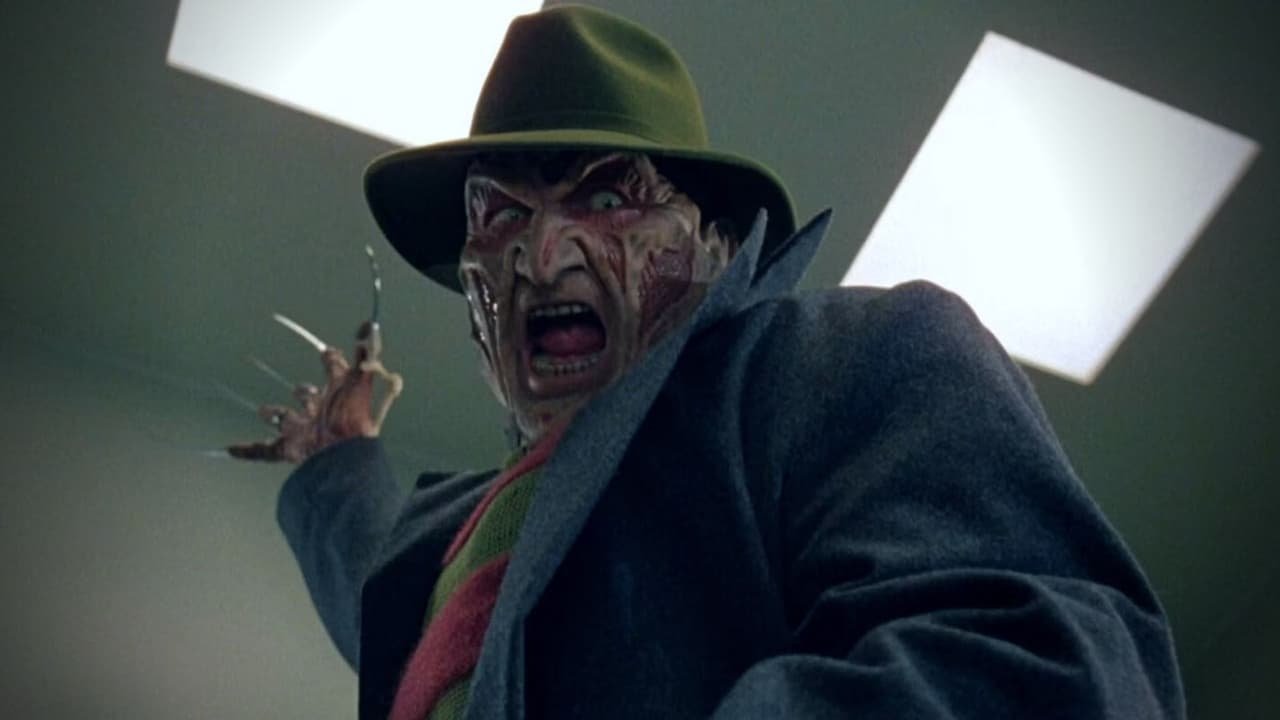
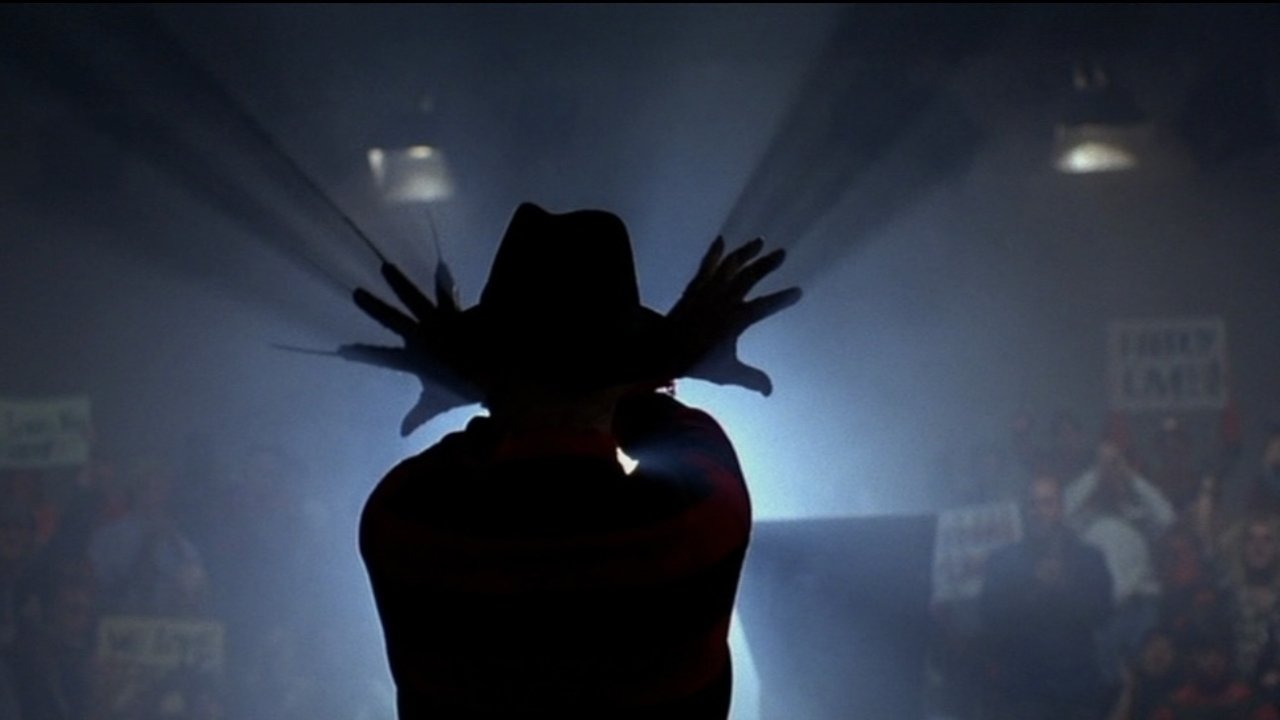
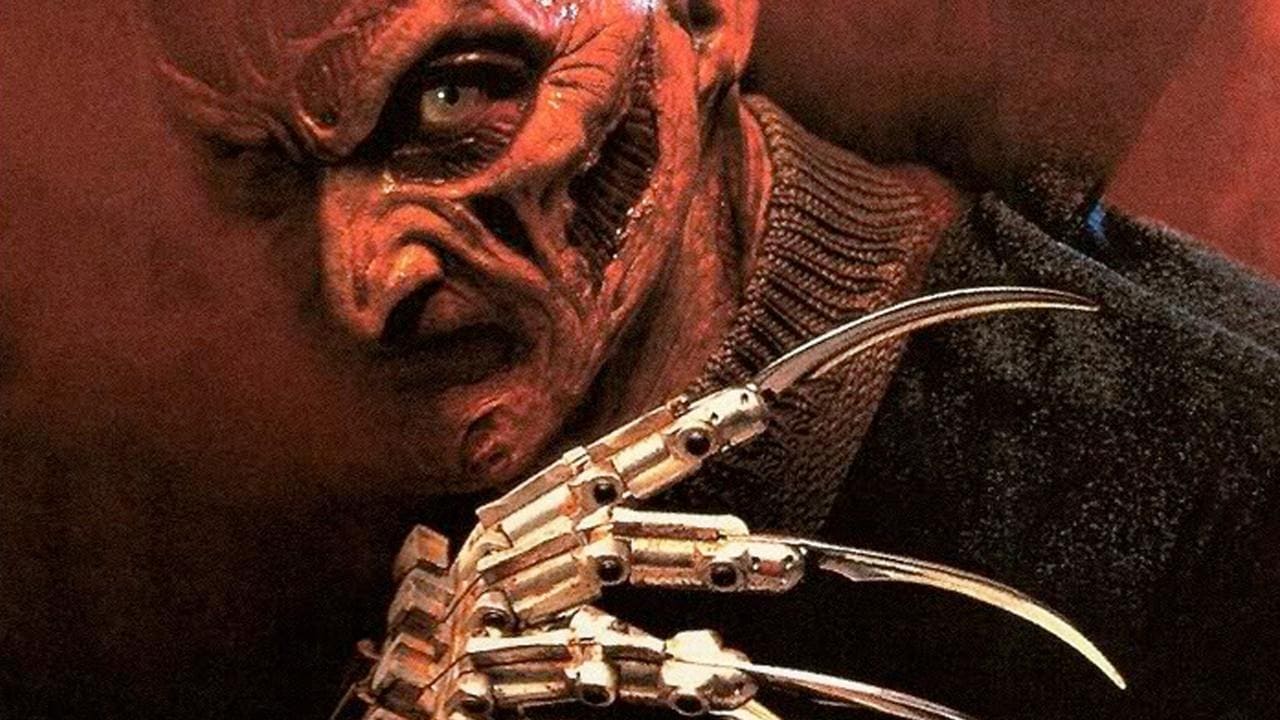
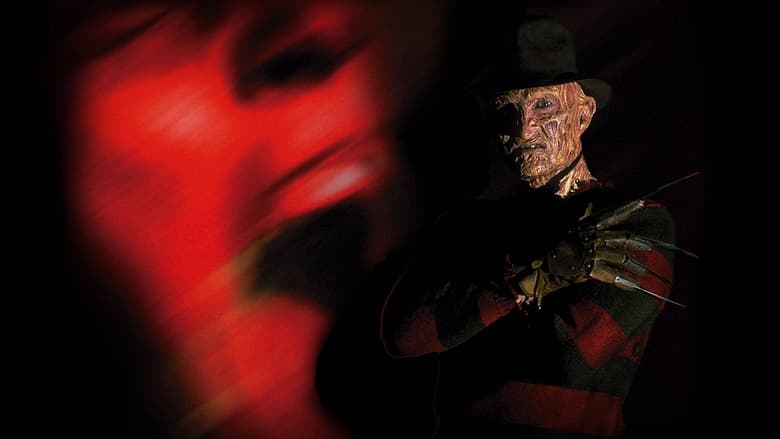
One of the most refreshing aspects of New Nightmare is how it restores Freddy’s dignity. Gone are the cartoonish power-glove gags and the "Wiz" cameos. This "Entity" version of Freddy is taller, more muscular, and wears a long, dark trench coat that feels much more menacing than the tatty knitwear of the sequels. Freddy’s 1994 trench coat upgrade is objectively cooler than his Christmas sweater. His makeup is more organic, looking less like a latex mask and more like raw, exposed muscle and sinew.
The film serves as a fascinating bridge between the era of practical effects and the burgeoning digital revolution. You can see the transition happening in real-time. There’s a sequence involving a giant, prosthetic tongue that is pure, gooey practical magic, but it’s juxtaposed with early CGI ripples in reality that, while a bit dated now, showed Craven’s willingness to experiment with the new tech of the nineties. The cinematography by Mark Irwin (who worked on The Fly and The Dead Zone) trades the neon-soaked dreamscapes of the eighties for a muted, hazy Los Angeles palette that feels grounded and threatening.
Reality Bites (Literally)
The production of New Nightmare was famously haunted by actual events. During filming, the 1994 Northridge earthquake struck Los Angeles, causing massive damage. Rather than just being a production delay, Wes Craven incorporated the real-world footage of the destruction into the movie. The cracks in the walls of Heather’s house in the film? Those weren't all set dressings. It’s that blurring of the line between fiction and reality that gives the movie its unique, unsettling energy.
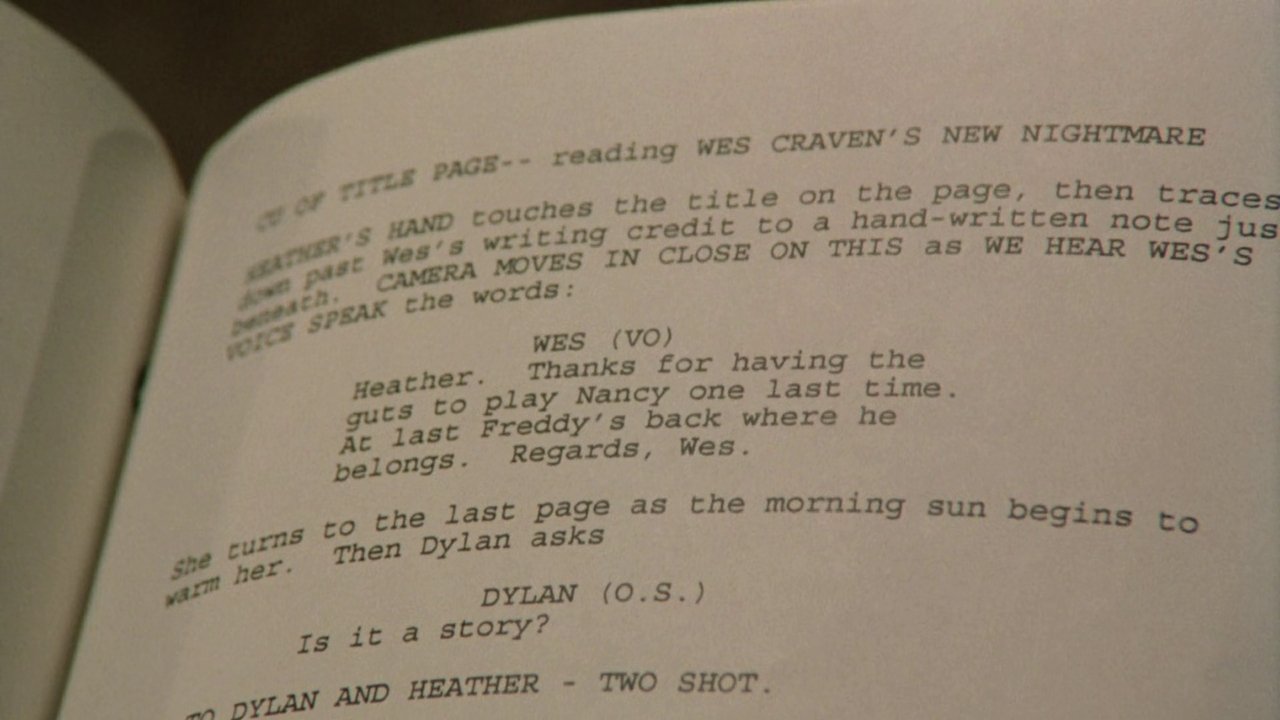
Heather Langenkamp gives a powerhouse performance here, arguably her best in the franchise. She has to play a mother’s escalating hysteria while maintaining the "Final Girl" steeliness we expect from Nancy. Meanwhile, Miko Hughes continues his reign as the go-to creepy kid of the nineties (after his turn in Pet Sematary), delivering some truly unnerving scenes that involve a lot of climbing on things he shouldn't be climbing on. On the flip side, Wes Craven’s acting is about as stiff as a week-old baguette, but his presence on screen adds an undeniable layer of authenticity. He’s the architect of the nightmare, appearing in the film to explain to Heather that the only way to stop the evil is to play the part of Nancy one last time.
New Nightmare is the thinking person’s slasher. It’s a film that respects its audience’s intelligence and its own history, even as it tries to subvert it. While the climax in a hellish, subterranean temple feels a bit more "traditional horror" than the brilliantly high-concept buildup, the journey there is a masterclass in tension. It proved that you could make a sequel that wasn't just a retread, but a reassessment. If you’ve ever felt like the monsters in your screen were looking back at you, this is the movie that confirms your suspicions.
Keep Exploring...
-

A Nightmare on Elm Street
1984
-
A Nightmare on Elm Street 3: Dream Warriors
1987
-
Scream
1996
-

Scream 2
1997
-
A Nightmare on Elm Street 4: The Dream Master
1988
-
Inland Empire
2006
-

The Midnight Meat Train
2008
-
Scream 4
2011
-
Urban Legend
1998
-
Sleepy Hollow
1999
-

Jacob's Ladder
1990
-

In the Mouth of Madness
1995
-
The Craft
1996
-
Vampires
1998
-
Stigmata
1999
-

Stir of Echoes
1999
-
Scream 3
2000
-

A Nightmare on Elm Street Part 2: Freddy's Revenge
1985
-
The Witches
1990
-

The Gift
2000