Pom Poko
"Eco-Warriors With More Than Just Fur On The Line"
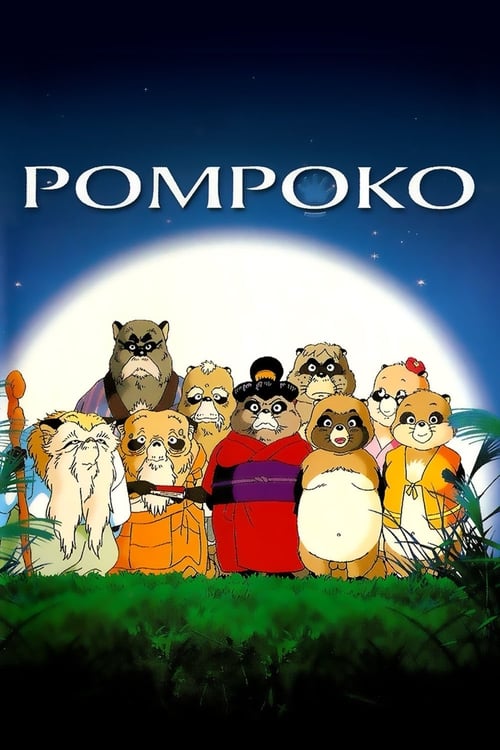
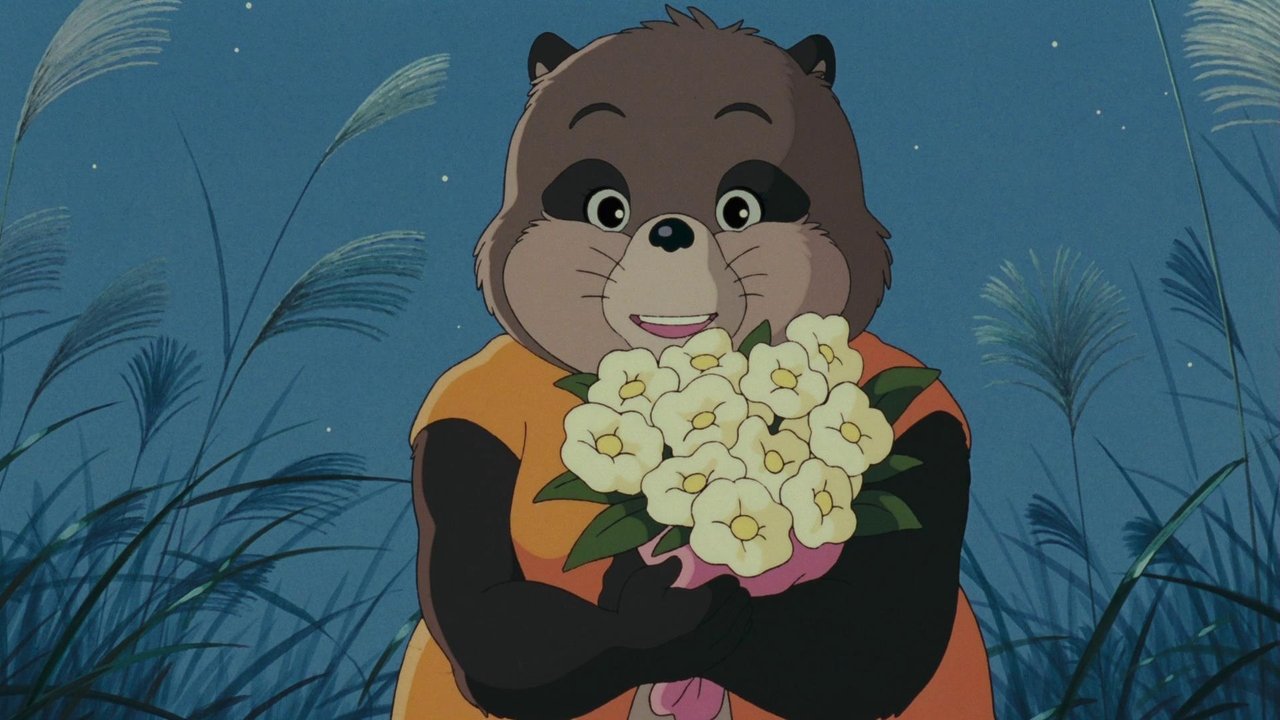
Forget the cuddly, soot-sprite-whimsy you usually associate with Studio Ghibli. When I first sat down to watch Pom Poko, I expected something akin to My Neighbor Totoro (1988). Instead, I found myself watching a sprawling, chaotic, and surprisingly gritty war epic where the soldiers happen to be shapeshifting Japanese raccoon dogs (tanuki). I watched this on my laptop while a neighbor was loudly assembling IKEA furniture through the shared wall—the rhythmic, metallic hammering of his mallet felt like the literal urban construction the raccoons were fighting against, and honestly, it added a layer of immersive 4D stress I wasn't prepared for.
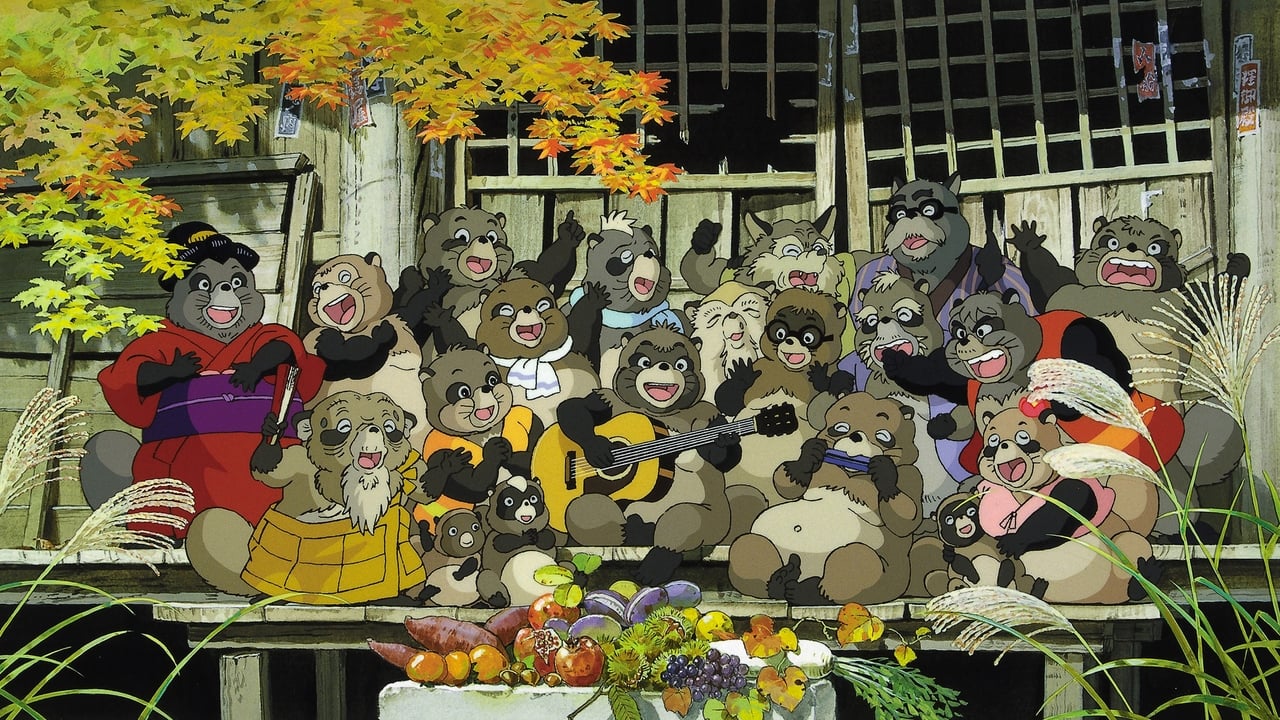
Directed by the late, great Isao Takahata—the man who broke our hearts with Grave of the Fireflies (1988)—Pom Poko is easily the weirdest "adventure" film to come out of the 90s. It captures that specific decade's anxiety regarding the environment, a time when we were moving from the neon excess of the 80s into a more sobering realization that the trees were actually disappearing. Looking back from the 2020s, the film’s portrayal of the Tama Hills’ destruction feels less like a fantasy and more like a documentary with better character designs.
Tactical Mischief and Magical Anatomy
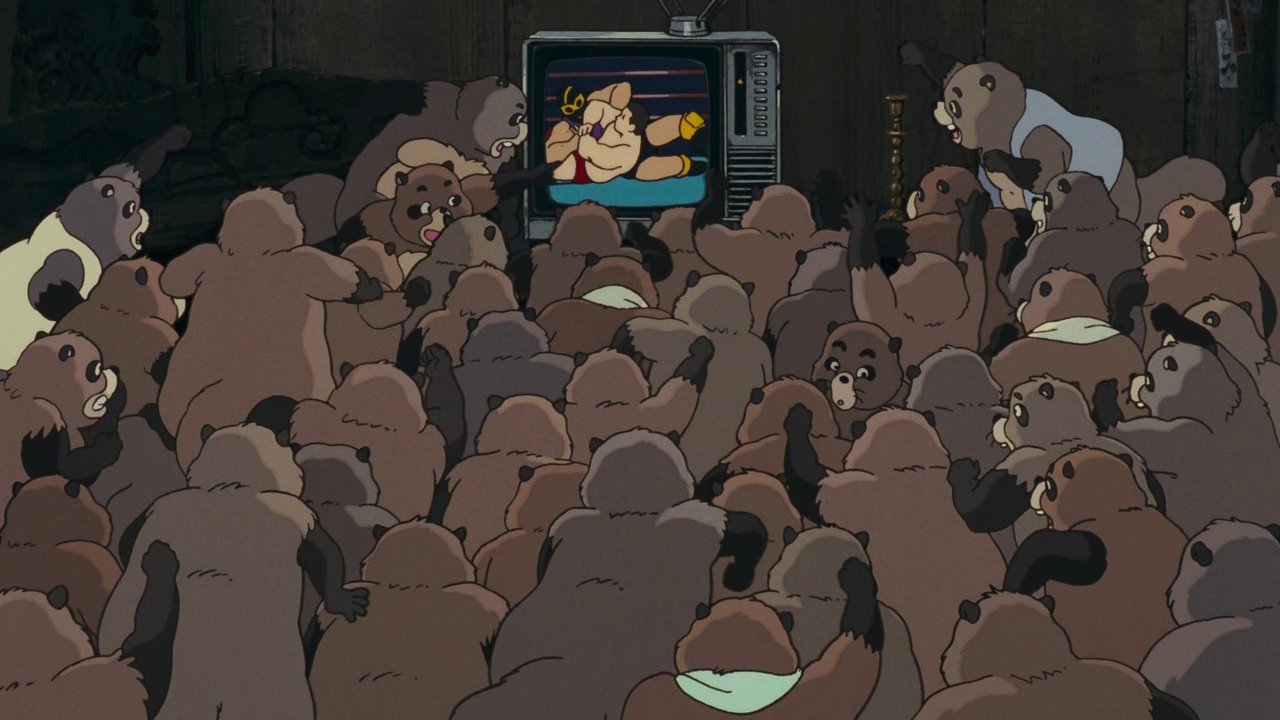
The plot is a classic resistance story. The tanuki are losing their forest to the "New Tama" housing development project. To save their home, they have to dust off the ancient, forgotten art of "transformation." Now, we need to address the elephant (or the tanuki) in the room: in Japanese folklore, tanuki magic is famously linked to their... scrotums. Yes, the English dub calls them "pouches," but the visuals don't lie. They use them as parachutes, as floor mats, and even as massive blunt-force weapons to crush SWAT teams. It sounds like a low-brow frat-house prank, but Isao Takahata handles it with such matter-of-fact cultural sincerity that you eventually stop blinking and just accept that you are watching a furry paratrooper division made of anatomy.
The adventure isn't just about the fight; it’s about the preparation. I loved the "boot camp" sequences where the younger tanuki, voiced with frantic energy by the likes of Makoto Nonomura as Shoukichi, have to learn how to turn into inanimate objects or humans. There’s a wonderful sense of discovery here as they explore the human world, sneaking into convenience stores and trying to understand why people are so obsessed with "energy drinks." It’s an ensemble piece through and through, with Nijiko Kiyokawa providing a standout performance as the matriarchal Old Fireball, a character who has more grit in her whiskers than most modern action heroes.
The Ghost Parade and the Limits of Wonder
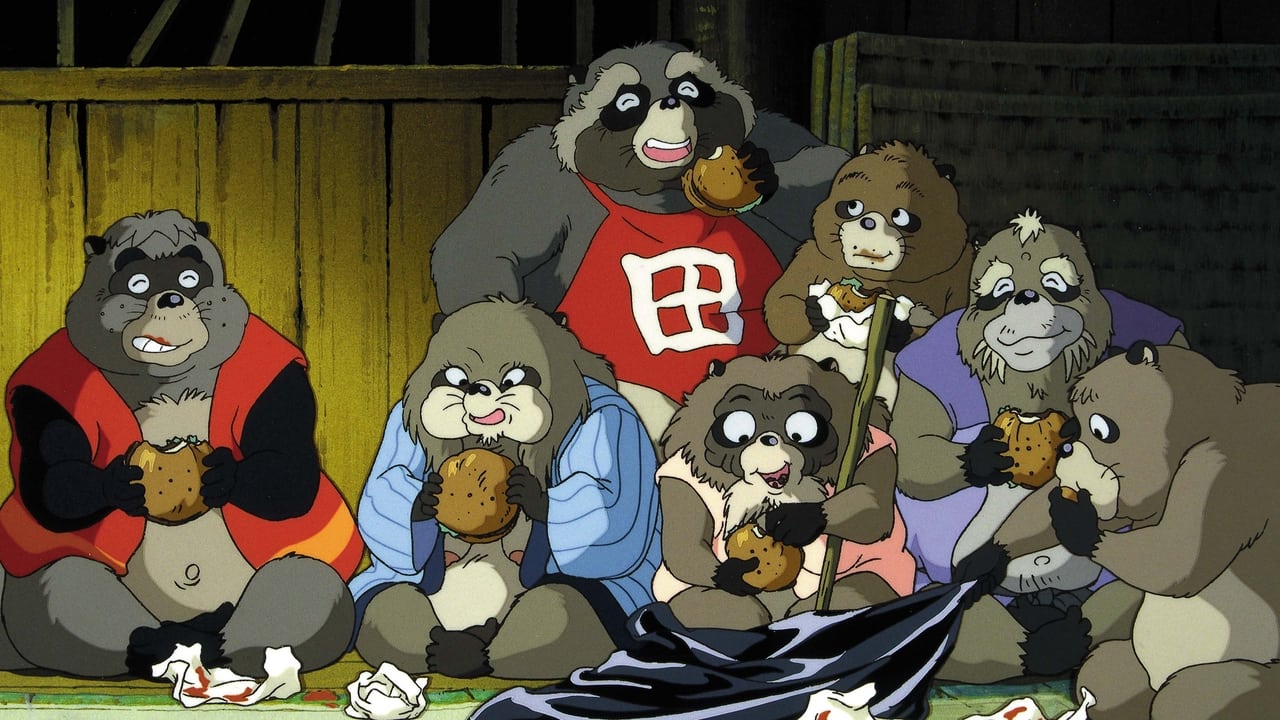
If you need a reason to seek out this often-overlooked Ghibli entry, it’s the "Ghost Parade" (Operation Specter). In a desperate attempt to scare the humans away, the tanuki pool their collective magic to create a massive, hallucinogenic parade of spirits through the city streets. This sequence is a masterclass in hand-drawn animation. It’s a riot of color, folk demons, and kaleidoscopic imagery that serves as a high-water mark for the era's technical ambition. In an age where we’ve become slightly numb to CGI spectacles, seeing thousands of individual characters moving in a hand-painted frenzy is a genuine "how did they do that?" moment.
Apparently, this sequence was so complex that it took months to complete, and if you look closely, you can spot cameos from other Ghibli legends like Kiki from Kiki's Delivery Service (1989) and Totoro himself. It’s the peak of the film’s sense of wonder, but it’s also where the adventure takes a sharp, melancholic turn. The tragedy of Pom Poko is that the humans don't flee in terror; they assume the parade is just a high-tech marketing stunt for a new theme park. It’s a biting commentary on the corporatization of the 90s—nothing is sacred if it can be sold as a tourist attraction.
A Bittersweet Relic of the Analog Era
What makes Pom Poko so fascinating to reassess now is how it balances its "funny animal" tropes with a deeply cynical ending. Unlike the Western animated adventures of the mid-90s, there is no magical reset button. The forest doesn't grow back. The raccoons who can’t transform are forced to scavenge in trash cans, while those who can pass as humans disappear into the soul-crushing world of salaryman office jobs. It’s a bold, "looking back" perspective on the price of progress that feels remarkably mature for a film often shelved in the kids' section.
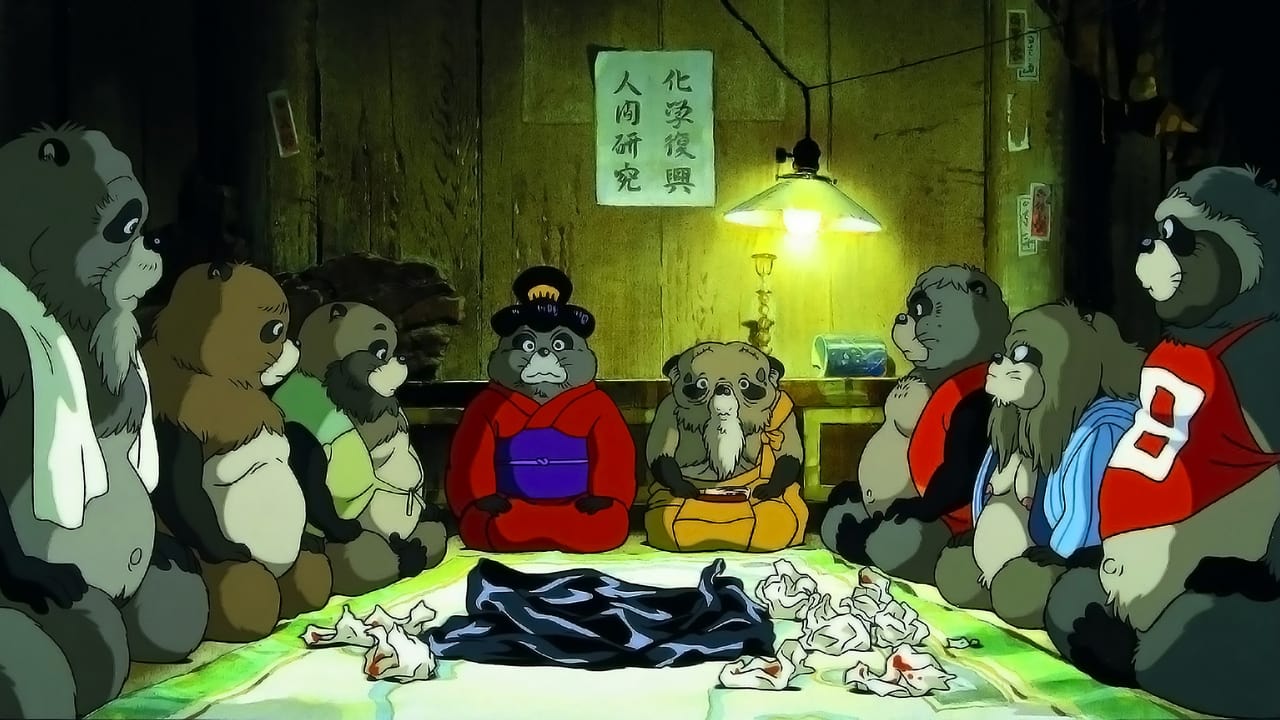
The film was actually Japan's official submission for the Best Foreign Language Film at the 67th Academy Awards, marking the first time an animated film was ever put forward by the country. It didn't get the nomination, likely because the Academy voters weren't ready for the "pouch" magic, but it remains a cult classic for those who prefer their Ghibli with a side of sociological critique. It’s a film that asks: if you have to change everything about yourself to survive, have you actually won?
Pom Poko is a chaotic, beautiful, and deeply strange adventure that earns its 119-minute runtime through sheer imagination. It’s the kind of film that could only have been made in that mid-90s sweet spot—after Ghibli had perfected their craft but before the digital transition smoothed out all the weird, hand-drawn edges. If you can get past the "anatomy" of it all, you’ll find a story that is as heartbreaking as it is hilarious. Just don't expect a typical happy ending; this is a tale of survival, and survival is rarely pretty.
Keep Exploring...
-
The Tale of The Princess Kaguya
2013
-

Only Yesterday
1991
-

DuckTales: The Movie - Treasure of the Lost Lamp
1990
-
The Rescuers Down Under
1990
-

The Swan Princess
1994
-
James and the Giant Peach
1996
-
Pokémon: The First Movie
1998
-
Pokémon the Movie 2000
1999
-
Final Fantasy VII: Advent Children
2005
-
Porco Rosso
1992
-
Slayers Return
1996
-
Final Fantasy: The Spirits Within
2001
-
Shrek the Halls
2007
-
Tinker Bell
2008
-
Tinker Bell and the Lost Treasure
2009
-
Tinker Bell and the Great Fairy Rescue
2010
-
A Monster in Paris
2011
-

Secret of the Wings
2012
-

Justice League: The Flashpoint Paradox
2013
-

Aladdin
1992