Pulp Fiction
"Dancing, diners, and a glowing briefcase that changed the rules of cinema forever."
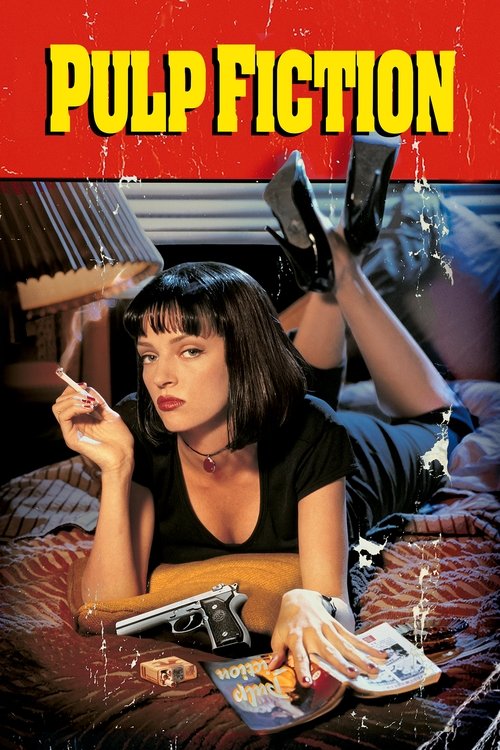
I remember the first time I saw John Travolta step out of that bathroom. It wasn't just the greasy hair or the slight middle-age spread; it was the realization that I was watching a guy who had been essentially "over" by 1989 suddenly become the coolest person on the planet again. I was sitting on a sagging beanbag chair drinking a lukewarm orange soda that had lost its fizz twenty minutes earlier, but I didn't care. The screen was vibrating with an energy I hadn't felt from the polished, cookie-cutter blockbusters of the early 90s.
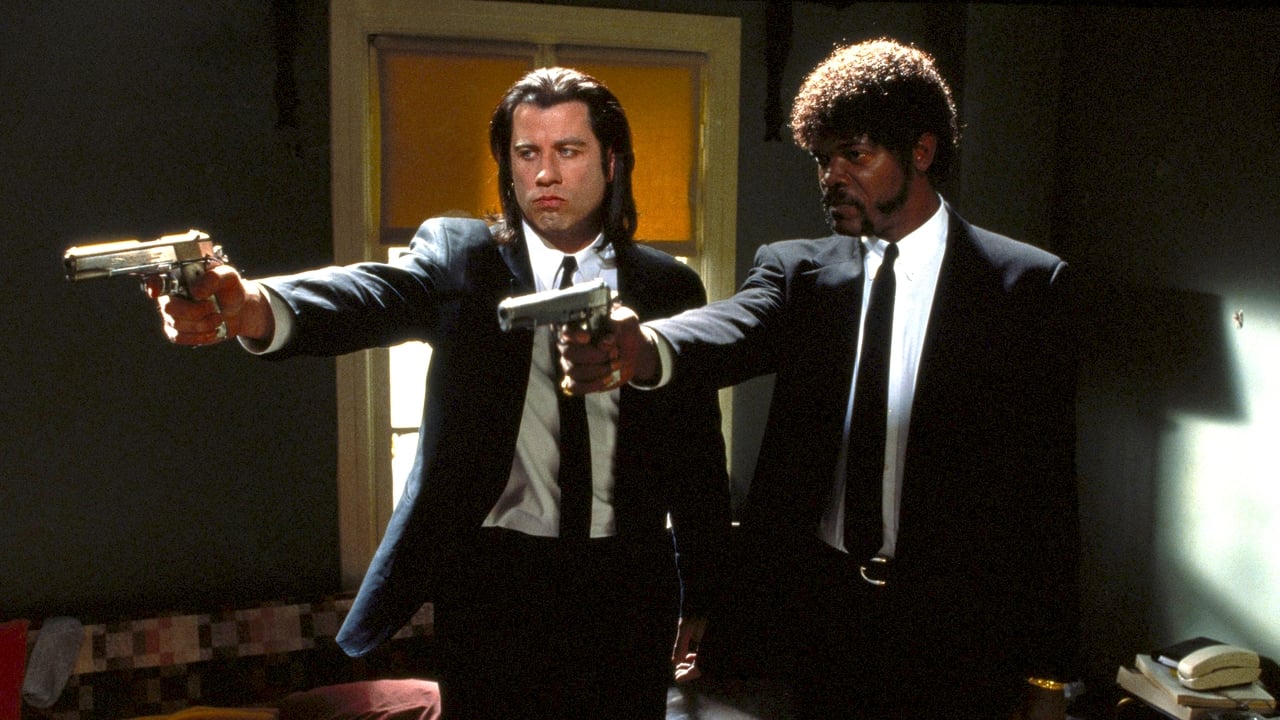
Pulp Fiction didn't just arrive in 1994; it detonated. It was the moment the "Indie Film" escaped the art house and started shoving the big-budget dinosaurs out of the way. With a modest $8 million budget—pennies compared to the True Lies or Speed budgets of the same year—Quentin Tarantino created the cinematic equivalent of a high-speed car chase where nobody actually goes anywhere.
The Art of the Chatty Killer
The movie is famous for its non-linear structure, but for me, the magic is in the white noise. Before this, movie hitmen were stoic, silent types who only opened their mouths to deliver a gravelly one-liner before pulling the trigger. Then come Vincent Vega (John Travolta) and Jules Winnfield (Samuel L. Jackson), arguing about the cultural nuances of Dutch McDonald’s and the ethics of a foot massage.
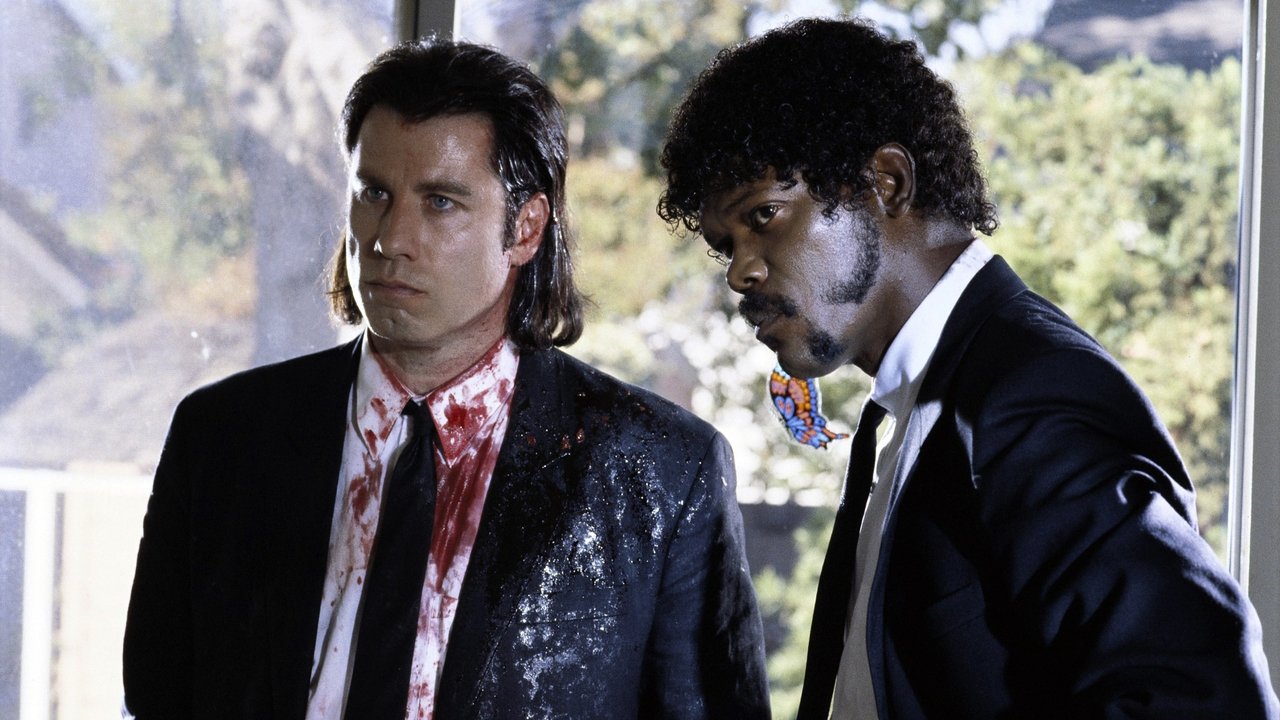
The comedic timing here is surgical. Samuel L. Jackson delivers biblical monologues with a terrifying intensity that somehow makes the absurdity of the situation even funnier. When they accidentally "clean up" a mess in their car, the movie shifts into a dark, frantic farce. Watching Harvey Keitel show up as The Wolf—a professional "cleaner" who treats a gruesome crime scene like a corporate logistics problem—is a joy. It’s that blend of high-stakes crime and mundane bickering that makes the humor work. It’s observational comedy, just with more silencers and leather jackets.
The Miramax Gold Mine
Looking back, Pulp Fiction is the definitive "Modern Cinema" artifact because it represents the peak of the Miramax era. This was the transition period where we stopped caring only about explosions and started obsessing over "cool" dialogue. It launched a thousand imitators, most of whom forgot that you need actual characters to go along with the quirky banter.
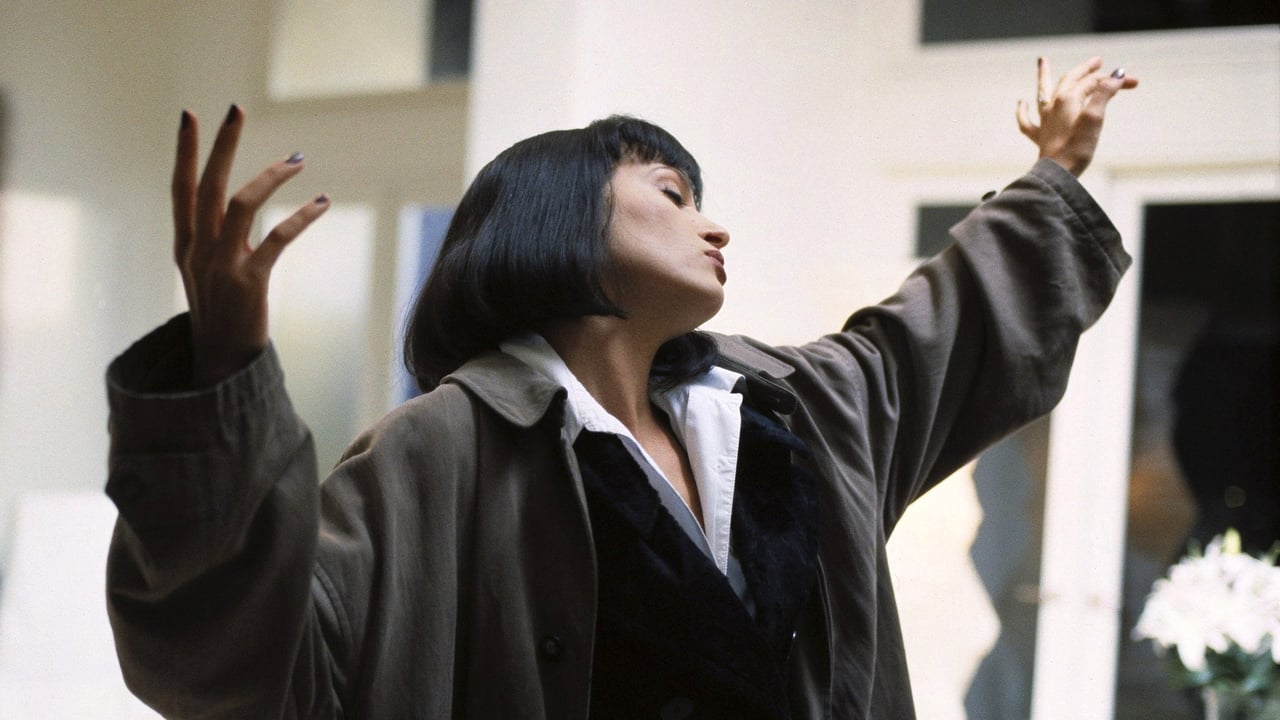
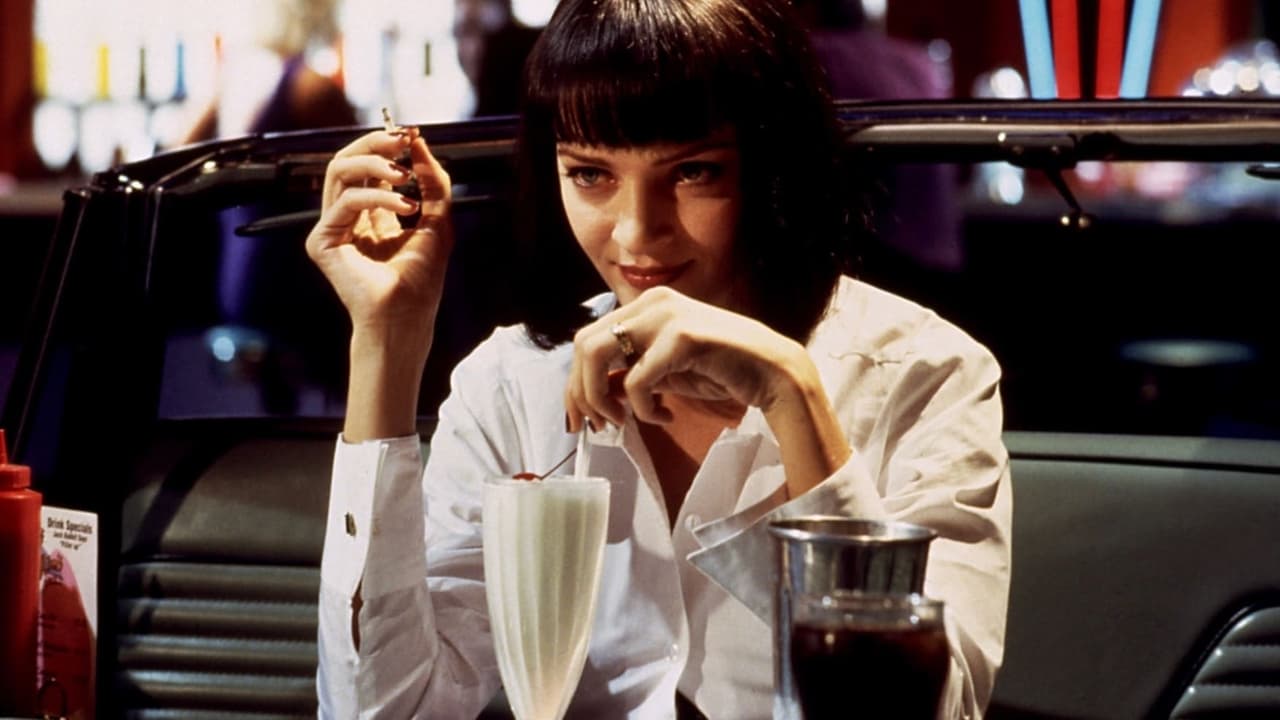
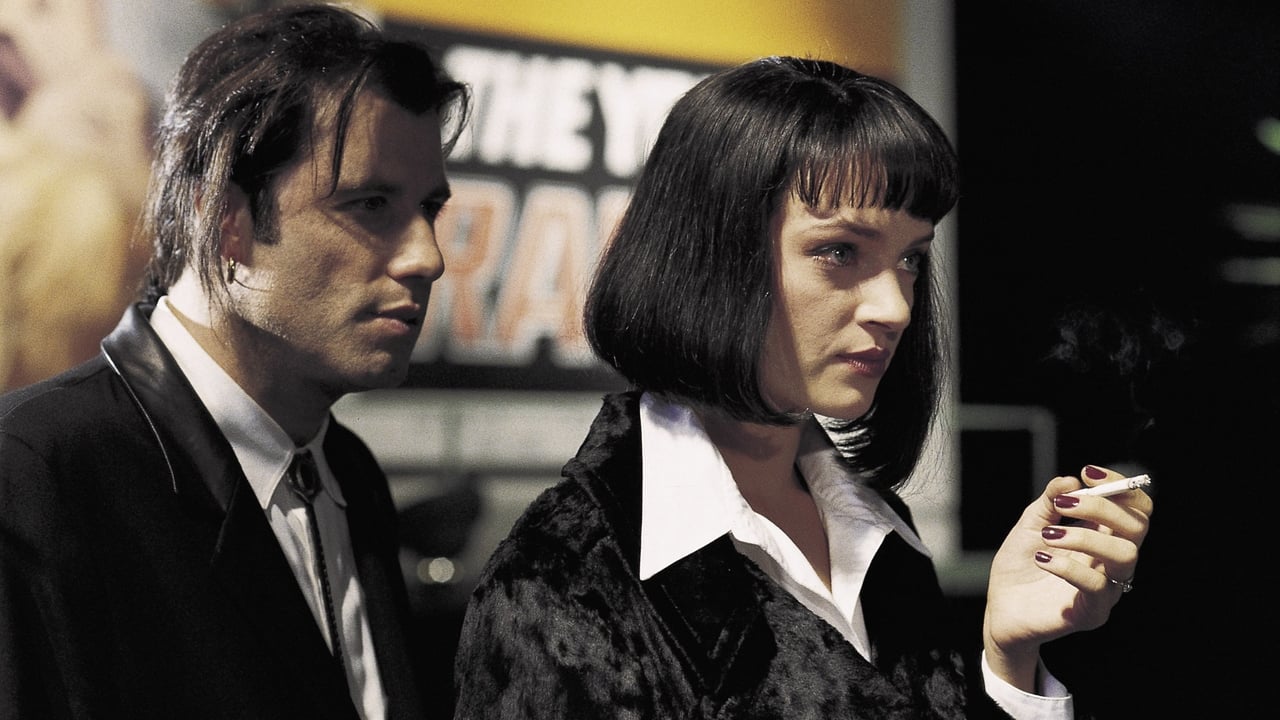
The film also acted as a career-resuscitation chamber. John Travolta went from being the guy in Look Who's Talking Too to an Oscar nominee overnight. Bruce Willis, who was already a massive star, took a pay cut to play Butch the boxer, proving that even the biggest A-listers were desperate to get some of that "indie" street cred. Then you have Uma Thurman as Mia Wallace, creating an icon out of a bob haircut and a $5 button-down shirt. Her chemistry with Travolta during the Jack Rabbit Slim’s dance sequence is pure movie magic—not because it’s technically perfect dancing, but because they look like they’re having the time of their lives.
Trivia You Can Taste
The production history is littered with the kind of "what if" stories that keep film nerds up at night. Apparently, the budget was so tight that the $150,000 spent on the soundtrack took up a significant chunk of the change. But it was worth it. That surf-rock opening (Dick Dale’s "Misirlou") did more to set the tone of 90s cinema than any orchestral score could have.
There’s also the briefcase. Fans spent the entire late 90s on early internet forums debating what was inside. Was it the diamonds from Reservoir Dogs? Was it Ving Rhames’ soul? Tarantino eventually admitted it was just a battery and some orange lightbulbs. The "Bad Motherfucker" wallet used by Samuel L. Jackson actually belonged to Tarantino himself, a nod to the 1971 film Shaft.
The Impact of the Edit
Watching it now, what strikes me isn't just the violence—which is actually much more "suggested" than people remember—but the pacing. The way Andrzej Sekula’s cinematography lingers on a needle, a milkshake, or a gold watch gives the film a tactile feel that CGI-heavy modern films often lack. It was shot on film stock that emphasized deep, rich blacks and vibrant colors, making the Los Angeles sun look both inviting and slightly dangerous.
Even the way it ends—which is actually the middle—feels satisfying. It respects the reader’s intelligence enough to let us piece the puzzle together. I’ve probably seen this movie twenty times, and I still find myself laughing at John Travolta’s confused face when he’s trying to navigate a luxury house while high on heroin. It shouldn’t be funny, but the commitment to the bit is so absolute that you can't help it.
The credits roll, and you're left with the urge to go buy a leather jacket and find a 24-hour diner. It’s a rare film that manages to be both a revolutionary piece of art and a total blast to watch on a Tuesday night. Even thirty years later, it feels like the coolest kid in the room, leaning against the wall and waiting for you to catch up.
Keep Exploring...
-

Kill Bill: Vol. 2
2004
-
Reservoir Dogs
1992
-

Jackie Brown
1997
-
Bad Boys
1995
-
Get Shorty
1995
-
Kill Bill: Vol. 1
2003
-
Another 48 Hrs.
1990
-
Lethal Weapon 3
1992
-
A Perfect World
1993
-
The Mask
1994
-
Se7en
1995
-
Primal Fear
1996
-

Sleepers
1996
-
Donnie Brasco
1997
-
Rush Hour
1998
-
Austin Powers: The Spy Who Shagged Me
1999
-
Inglourious Basterds
2009
-

Kill Bill: The Whole Bloody Affair
2011
-
Back to the Future Part III
1990
-
Fried Green Tomatoes
1991