Ri¢hie Ri¢h
"The gold-plated swan song of the nineties' favorite kid."
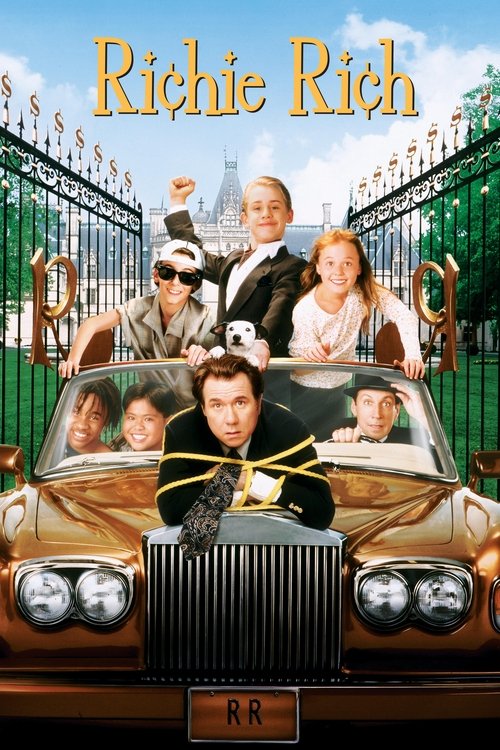
If you grew up in the nineties, you didn't just watch movies; you curated a mental gallery of impossible desires. At the top of that list, right next to the Home Alone Talkboy, was the private McDonald’s inside the Rich family mansion. I remember watching Ri¢hie Ri¢h on a humid Tuesday afternoon while wearing a pair of itchy wool socks my aunt gave me, and the sheer audacity of having a personal 24-hour Big Mac station felt like the ultimate pinnacle of human achievement.
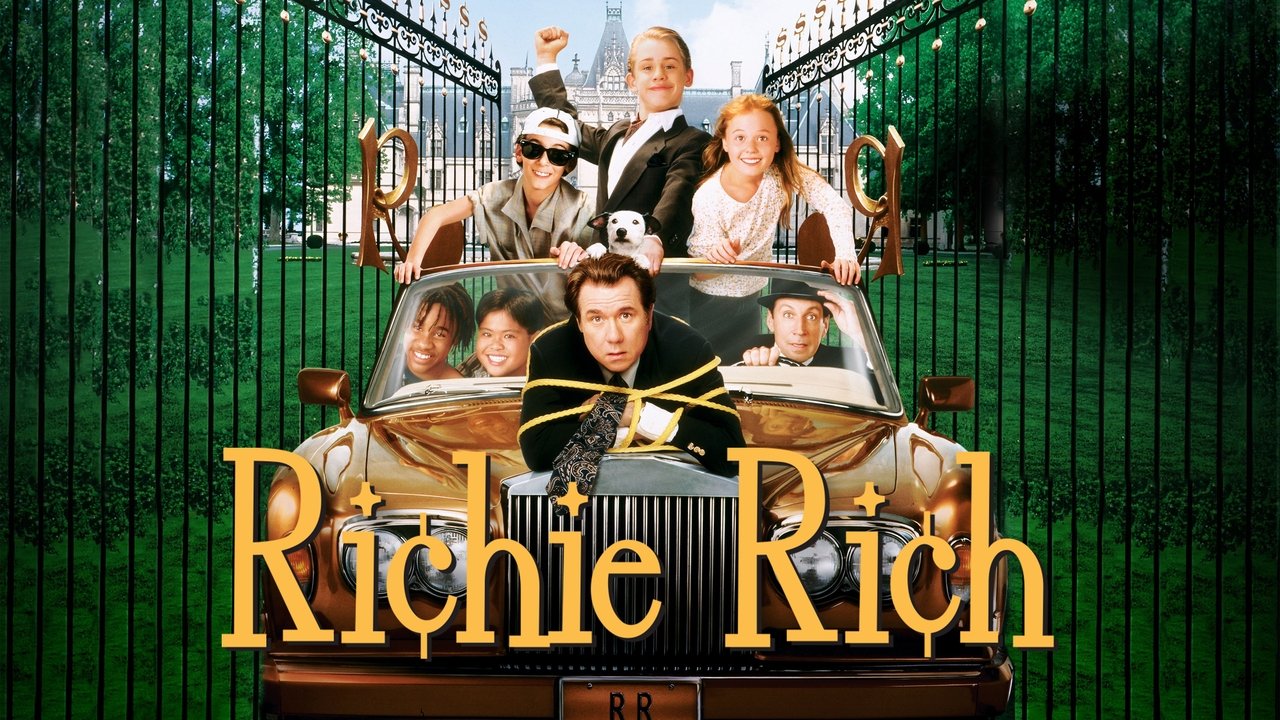
Looking back, Ri¢hie Ri¢h isn’t just a family comedy; it’s a neon-lit time capsule of pre-internet excess. Released in 1994, it arrived at a fascinating crossroads in cinema history. It was the year of Pulp Fiction and The Lion King, a moment when Hollywood was transitioning from the tactile, lived-in feel of the eighties to the glossy, tech-heavy sheen of the new millennium. This film, however, feels like the final, extravagant party before the guest of honor—Macaulay Culkin—decided to leave the building for a decade.
The Prince of the Biltmore
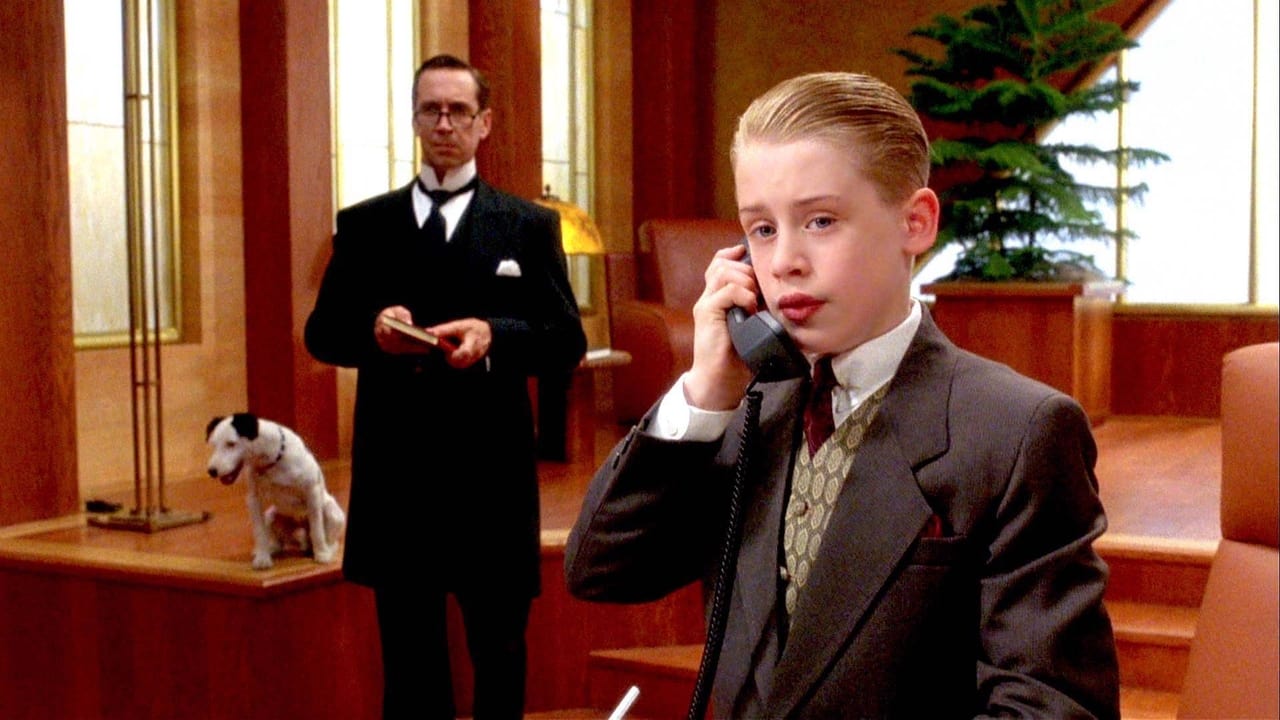
The plot is a standard "poor little rich boy" setup. Richie has the batting coaches (Reggie Jackson) and the personal trainers (Claudia Schiffer), but he lacks the one thing money can’t buy: friends who don't call him "sir." When a corporate saboteur, the deliciously named Lawrence Van Dough, attempts to steal the family fortune by blowing up the Rich family plane, Richie has to step up.
What makes this work better than it should is the casting. Edward Herrmann and Christine Ebersole are delightful as Richie’s parents. Unlike the distant, cold billionaires of modern cinema, they are portrayed as pathologically kind, just hopelessly out of touch. Then there is Jonathan Hyde as Cadbury the butler. Fresh off his role in Jumanji (1995), Hyde brings a dry, dignified wit that balances the sugar-rush energy of the younger cast.
As for Macaulay Culkin, this was his swan song as a child star. He was 14 at the time, clearly hitting a growth spurt, and playing a character significantly younger. You can see the transition happening on screen; he’s less the "precocious scamp" of Home Alone and more of a poised young man. It’s a grounded performance in a movie that is the cinematic equivalent of eating an entire bag of Haribo Goldbears for dinner. He’s the straight man in a world of caricatures, and his chemistry with the "sandlot" kids—led by Michael Maccarone as Tony—provides the film’s necessary, if slightly cornball, heart.

High-Tech Nostalgia and Mount Richmore
Revisiting this in the 2020s reveals some hilarious "future" tech. Richie uses a device called the "Dad-link," which is essentially a clunky, handheld version of FaceTime. In 1994, the idea of seeing someone’s face on a screen while talking to them from a remote location was pure science fiction. Now, it’s how we order groceries while lying in bed.
The production design is where the $40 million budget really shows. Most of the movie was filmed at the Biltmore Estate in North Carolina, the largest private residence in America. It gives the film a scale that early CGI couldn't have achieved. Speaking of CGI, the "Mount Richmore" finale—where the family faces are carved into a mountain—is a perfect example of mid-90s digital ambition. It’s a bit rubbery by today’s standards, but it perfectly fits the "cartoon come to life" aesthetic that director Donald Petrie (Miss Congeniality) was aiming for.
Despite the heavy production value, the movie actually bombed at the box office, failing to even recoup its budget during its theatrical run. It was a victim of its era; by late '94, audiences were perhaps a bit "Culkin-ed out." However, it found a massive second life on VHS and cable. For a certain generation, this was the ultimate rainy-day movie, a staple of sleepovers where we all debated whether we’d rather have the personal roller coaster or the robotic chemistry lab.
Stuff You Didn't Notice
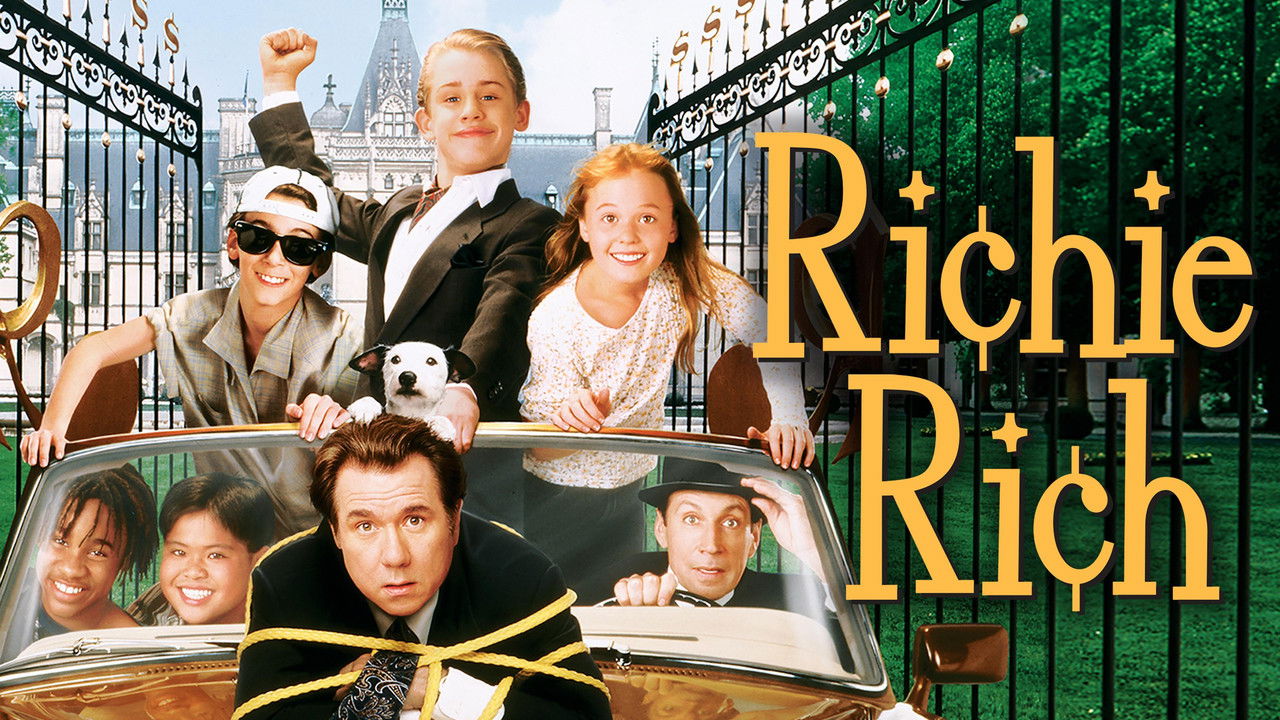
Looking back at the trivia makes the film feel even more like the end of an era. For instance, this was the last film Macaulay Culkin would make as a child actor before taking a nearly ten-year hiatus. It was also a rare moment where a movie actually predicted a tech trend; the "Dad-link" was constructed by the prop department using a small TV monitor and a lot of batteries, long before the first iPad was a glint in Steve Jobs' eye.
The film also features some of the most blatant, yet somehow charming, product placement of the decade. Beyond the McDonald's, the Rich mansion is a gallery of 90s brands. It’s a fascinating look at how we used to sell the American Dream to children: as a pile of stuff you could own if your dad just happened to be the nicest billionaire on earth. Interestingly, the dog in the movie, a Dalmatian named Dollar, had to be dyed with vegetable juice because his natural spots weren't "defined" enough for the camera. Even the pets had to be polished in Richie’s world.
Ri¢hie Ri¢h isn’t a masterpiece, and it’s certainly not as sharp as the Harvey Comics that inspired it. However, it’s a genuinely sweet-natured film that manages to be about a billionaire without feeling particularly greedy. It’s a relic of a time when we thought the future would be all about jet-packs and indoor fast-food joints rather than social media algorithms. If you have 95 minutes to kill and want to feel like you’re ten years old again, you could do much worse than visiting the Rich estate. Just don't expect the "Dad-link" to work with your Wi-Fi.
Keep Exploring...
-
Just My Luck
2006
-
Home Alone 2: Lost in New York
1992
-

Beethoven
1992
-
Last Action Hero
1993
-
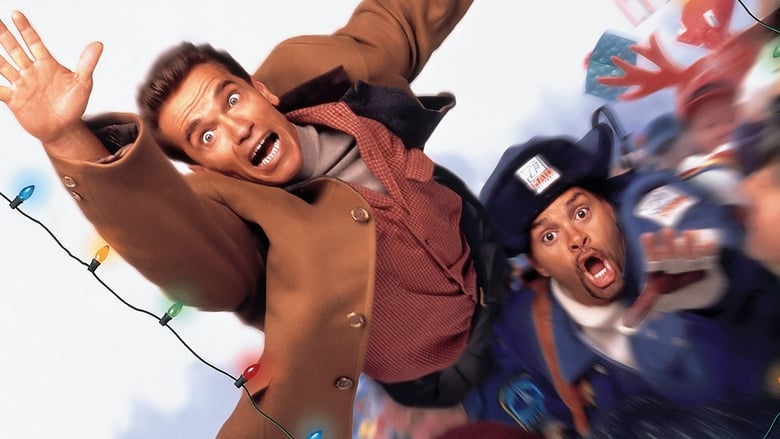
Jingle All the Way
1996
-
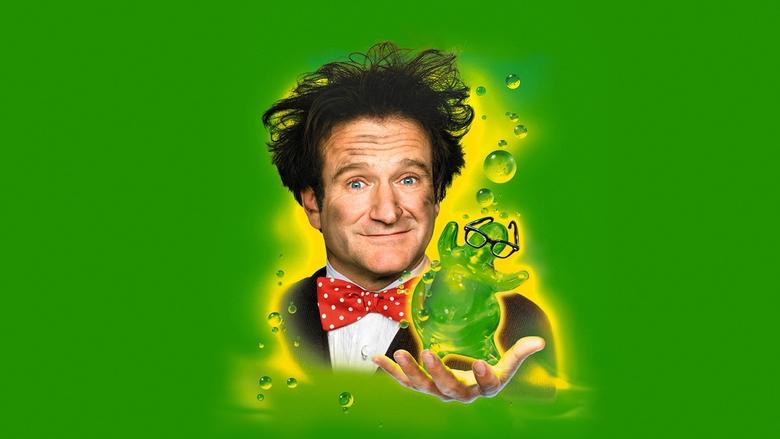
Flubber
1997
-
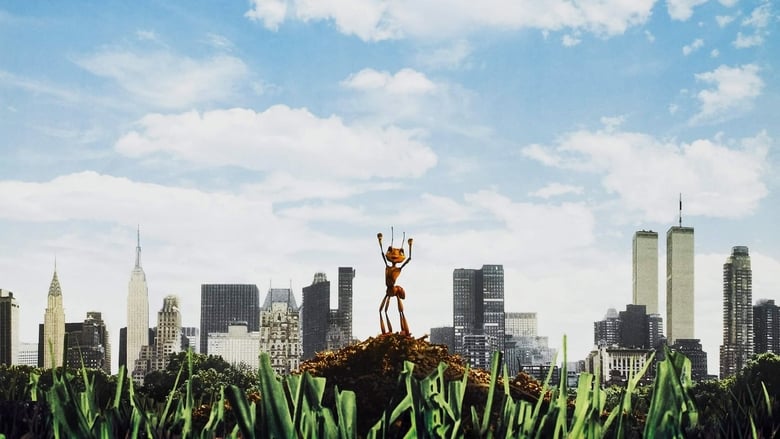
Antz
1998
-

Asterix and Obelix vs. Caesar
1999
-
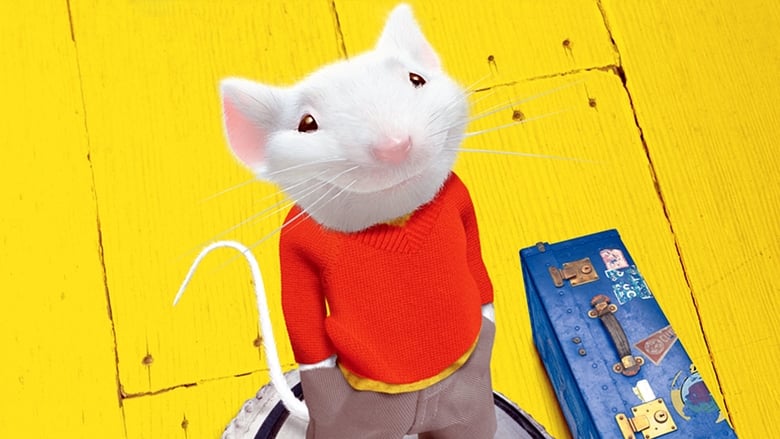
Stuart Little
1999
-
Miss Congeniality
2000
-
Sky High
2005
-
High School Musical 2
2007
-
Journey to the Center of the Earth
2008
-

DuckTales: The Movie - Treasure of the Lost Lamp
1990
-
Problem Child
1990
-
Teenage Mutant Ninja Turtles II: The Secret of the Ooze
1991
-
The Mighty Ducks
1992
-
Beethoven's 2nd
1993
-
Dennis the Menace
1993
-
The Santa Clause
1994