Shallow Grave
"Friendship is temporary. Cash is forever."
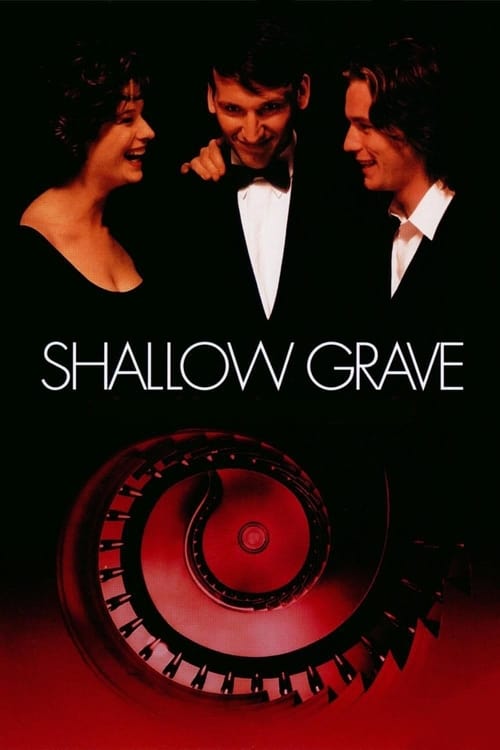
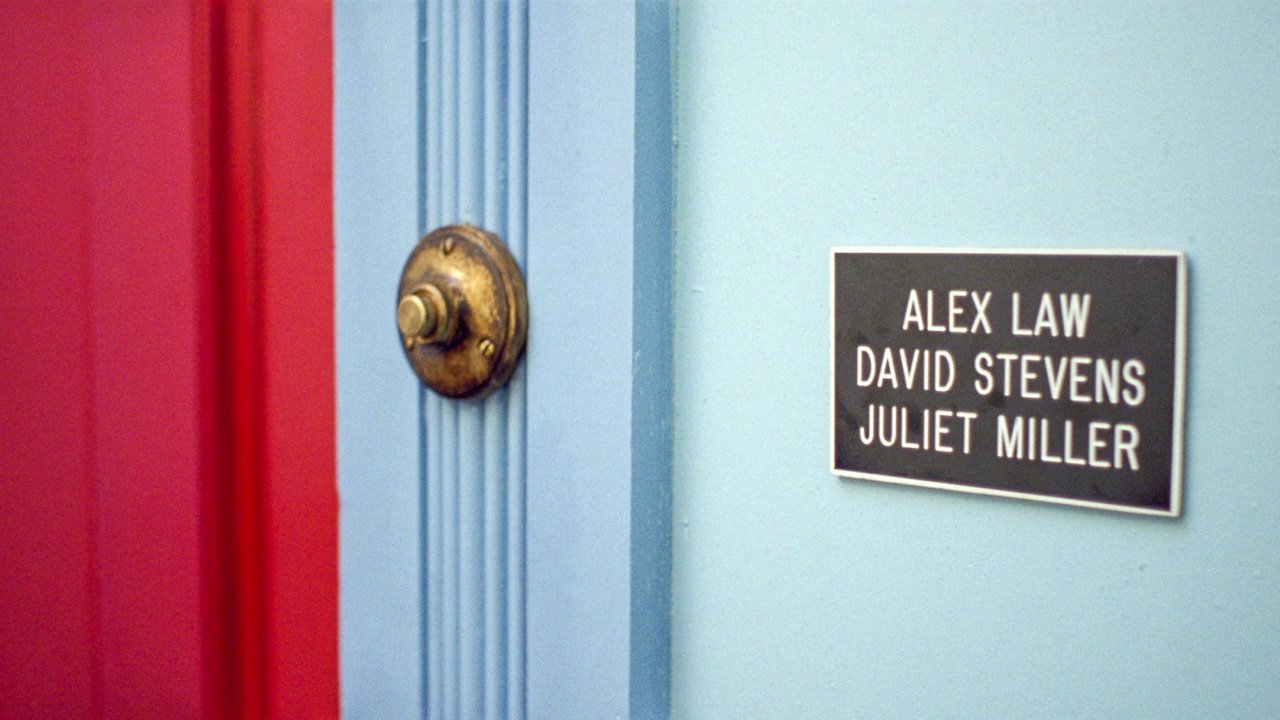
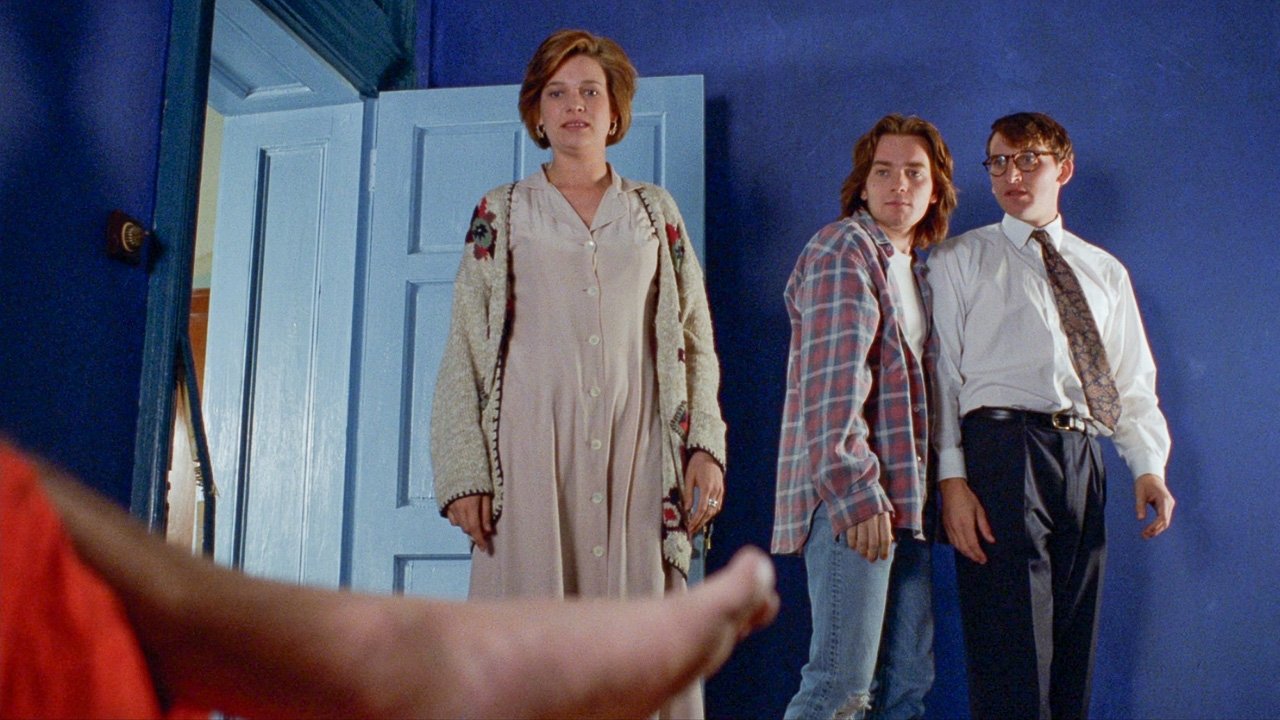
The audition for the fourth roommate in Shallow Grave is a masterclass in smug, mid-90s exclusionary elitism. Juliet, David, and Alex sit behind a desk like a twisted tribunal, eviscerating hopeful applicants for the crime of being "boring" or having the wrong taste in music. It’s an opening that tells you everything you need to know about our protagonists: they are young, beautiful, intellectual, and absolutely unbearable. I watched this most recent re-run while eating a bowl of lukewarm instant noodles, and the contrast between my glamorous life and their neon-lit Edinburgh flat was almost as sharp as the drill Christopher Eccleston eventually takes to a corpse.
Before Danny Boyle sent Ewan McGregor diving into the "Greatest Toilet in Scotland" in Trainspotting (1996), he gave us this jagged, neon-noir thriller. It arrived at a time when British cinema was largely defined by either buttoned-up period dramas or grim kitchen-sink realism. Shallow Grave was different. It was stylish, mean-spirited, and possessed a rhythmic energy that felt like a shot of adrenaline to a heart that had stopped beating.
The Anatomy of an Indie Breakthrough
Looking back, it’s wild to realize this was Boyle’s directorial debut. Most first-timers are tentative, but Boyle—alongside writer John Hodge and producer Andrew Macdonald—stepped onto the scene with the confidence of a seasoned burglar. They had a tiny budget of roughly $2.5 million, provided in part by the Glasgow Film Fund, and they made every cent sweat.
The production was a triumph of "fake it till you make it" ingenuity. While set in Edinburgh, almost the entire movie was shot in a warehouse in Glasgow because they couldn't afford to film on location in a real tenement. This limitation actually birthed the film's claustrophobic power. The flat feels like a stage, then a fortress, and finally a tomb.
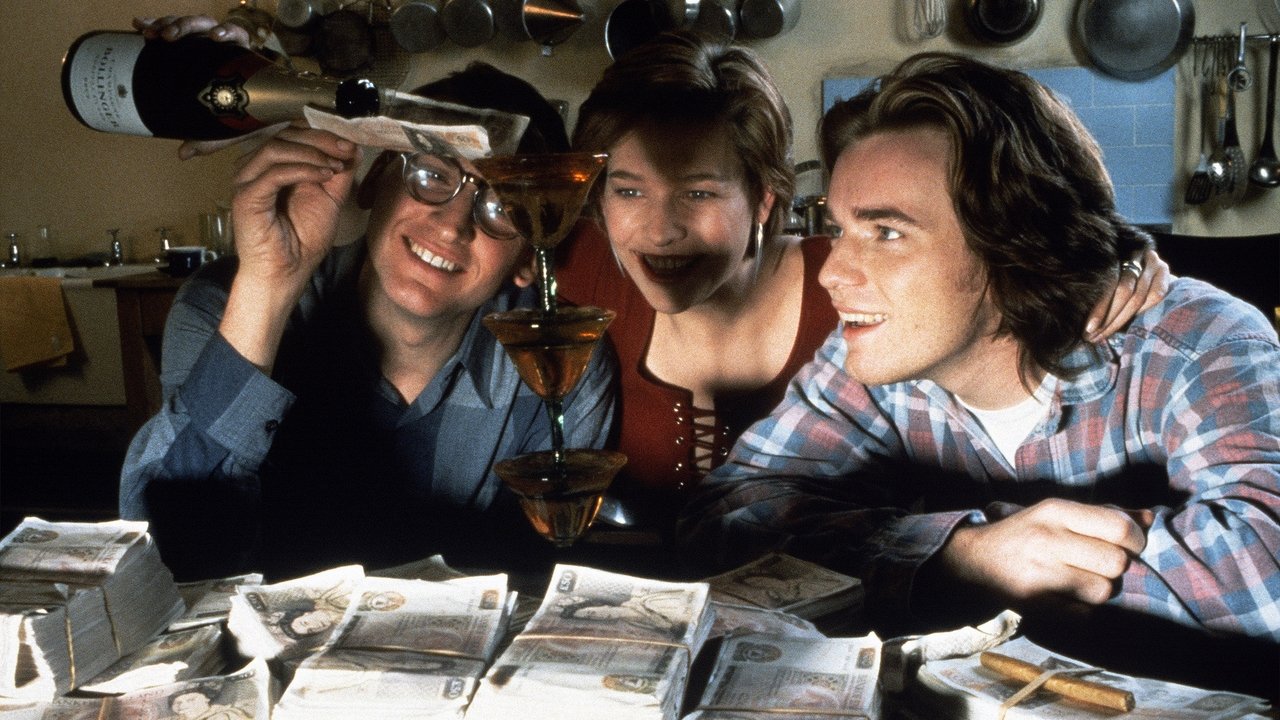
The trivia behind the scenes is just as scrappy as the characters. To save money, the crew reportedly used actual newspaper for the stacks of cash hidden under the floorboards, topped with just a few real-looking notes. It’s a fitting metaphor for the film itself: a high-gloss surface covering up something much cheaper and dirtier underneath. This was the "Sundance Generation" mindset exported to the UK—taking the DNA of Alfred Hitchcock and the Coen Brothers and re-coding it with a cynical, British bite.
A Trio of Corrosive Chemistry
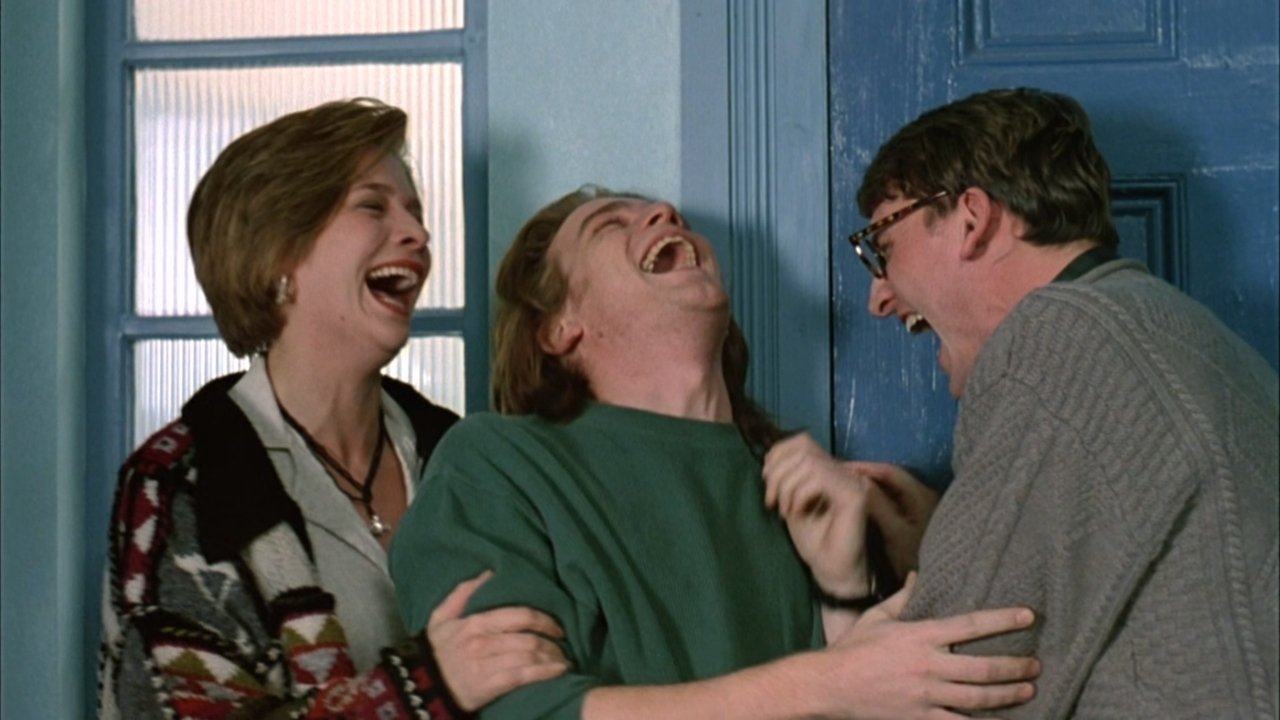
The drama here isn't just about a dead body and a suitcase full of money; it's about the terrifyingly fast half-life of human loyalty. Kerry Fox plays Juliet, the doctor who provides the group’s supposed moral compass—until she doesn't. Ewan McGregor is Alex, a journalist whose arrogance is so thick you could carve it. This was the role that proved McGregor was a movie star; he’s magnetic even when he’s being a total sociopath.
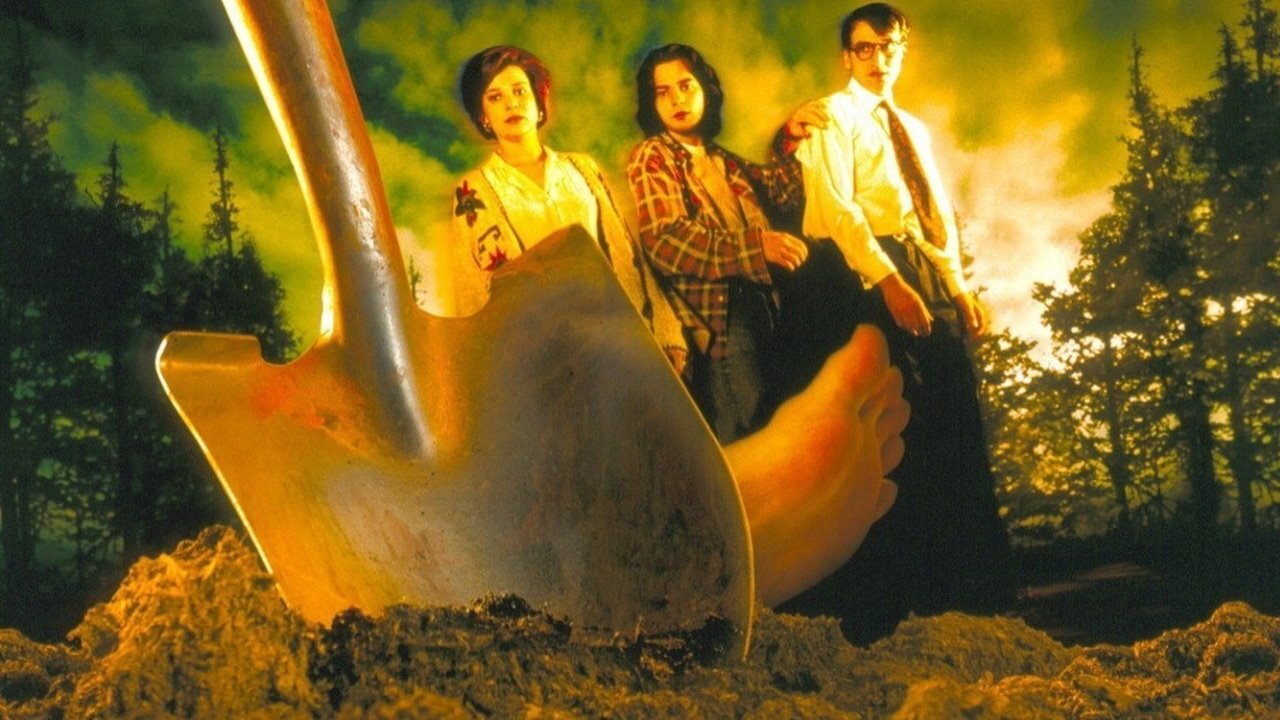
But the heavy lifting, the truly dark stuff, belongs to Christopher Eccleston. As David, the shy accountant who is "volunteered" to disfigure and dispose of the body, Eccleston undergoes a transformation that is genuinely distressing to witness. He retreats into the attic, literally and figuratively, becoming a voyeuristic ghost haunting his own life. The way he peers through holes in the ceiling at his "friends" below captures the film’s central anxiety: at their core, everyone is a predator waiting for the lights to go out.
The arrival of Ken Stott as Detective Inspector McCall adds a much-needed layer of grounded gravity. While the roommates are spiraling into a fever dream of greed and paranoia, Stott’s weary, deadpan performance reminds us that there is a real world outside their door, and it’s closing in.
The Color of Greed
Visually, Shallow Grave refuses to be subtle. Brian Tufano’s cinematography uses saturated reds and deep, bruised blues that make the flat feel like an open wound. The camera movements are aggressive, frequently lunging at the characters or tilting into disorienting Dutch angles as their sanity slips. It’s a far cry from the grainy, handheld "indie look" that became a cliché later in the decade. This movie wanted to look like a million bucks, even if it had to cheat to get there.
The score by Simon Boswell also deserves a shout-out. The main theme, with its driving techno-pulse, perfectly captures that Y2K-adjacent tech anxiety that was starting to brew in 1994. It’s cold, mechanical, and entirely unsentimental.
What strikes me most about re-watching Shallow Grave today is how little it cares about being liked. Modern thrillers often feel the need to give us a "save the cat" moment to make the leads sympathetic. Boyle and Hodge don't bother. They trust that we’ll be so fascinated by the train wreck that we won’t care if there are survivors. Juliet is the only person in this movie with a functioning brain, and even she is a terrifying monster.
Ultimately, Shallow Grave is a reminder of what can be achieved when filmmakers are backed into a corner by a small budget and forced to rely on pure, wicked style. It remains a cold-blooded delight that hasn't lost any of its edge or its cynicism. It’s the kind of movie that makes you want to change the locks on your roommates, just in case. If you missed it during the 90s indie boom, it’s time to dig it up.
Keep Exploring...
-
Trainspotting
1996
-

Trance
2013
-
Hard Boiled
1992
-
Bound
1996
-

28 Days Later
2002
-
Irreversible
2002
-
Felon
2008
-

The Chaser
2008
-

Blood and Bone
2009
-

The Girl Who Kicked the Hornet's Nest
2009
-

The Man from Nowhere
2010
-
Undisputed III: Redemption
2010
-
The Raid
2012
-
Marshland
2014
-
The Raid 2
2014
-

The Beach
2000
-
127 Hours
2010
-
Following
1999
-
Reservoir Dogs
1992
-
El Mariachi
1993