Star Trek: Generations
"History’s greatest captains collide at the end of time."
There is a specific, high-stakes anxiety that comes with taking a beloved television property and trying to stretch it across a forty-foot cinema screen. In 1994, Star Trek: The Next Generation was the undisputed king of sci-fi TV, but the transition to the multiplex felt like a gamble. You could see the nerves in the way the production design shifted; suddenly, the bridge of the Enterprise-D wasn't just a brightly lit office in space—it was moody, cinematic, and filled with shadows. It was as if the producers were terrified we’d realize we were just looking at the same sets we’d seen for seven years on a Thursday night.
I watched this most recently on a DVD I picked up at a garage sale that still smelled faintly of old basement and dryer sheets, and that layer of tactile domesticity actually fits the film quite well. Generations is a movie caught between two worlds: the cozy, episodic comfort of the small screen and the explosive, "bigger is better" mandate of the 90s blockbuster era.
A Ship Too Small for Two Captains
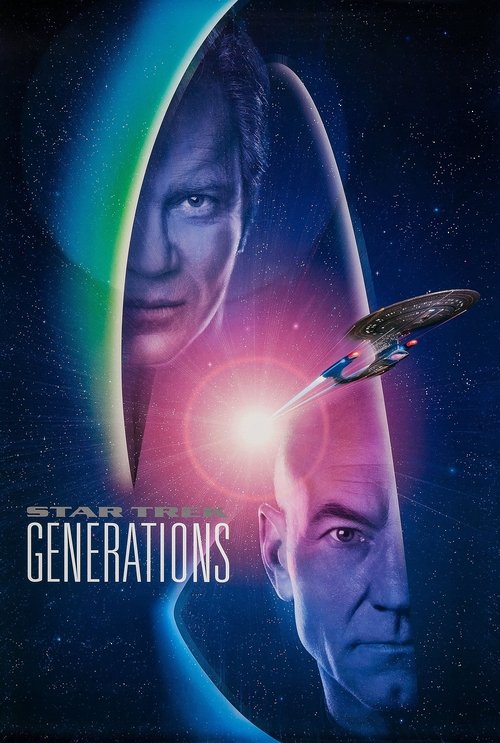
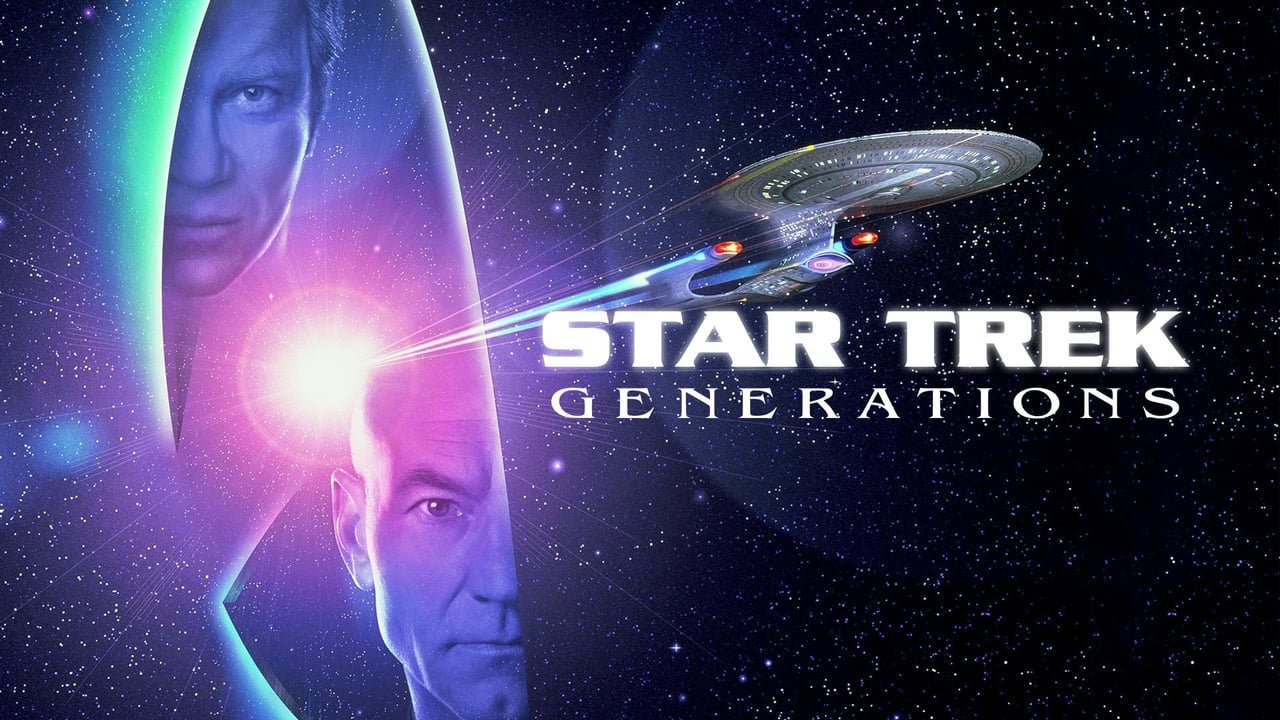
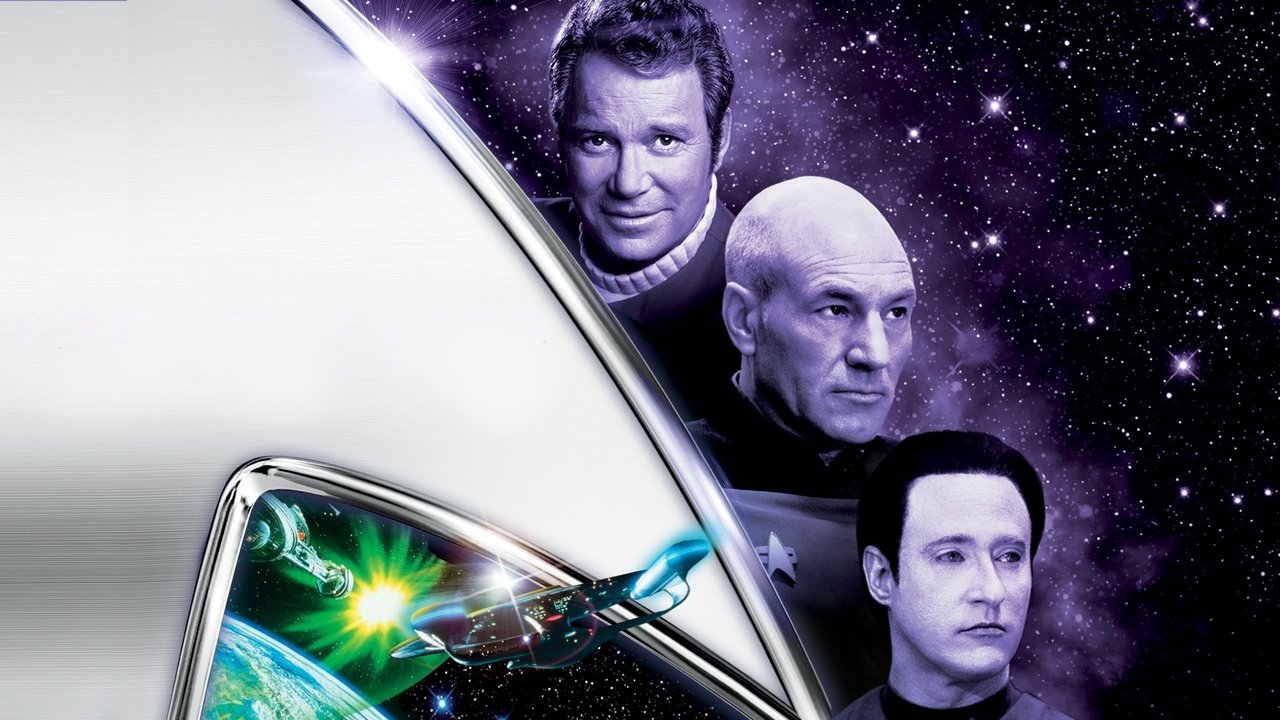
The hook was always the "passing of the torch." Seeing Patrick Stewart’s Captain Picard team up with William Shatner’s James T. Kirk was the ultimate fan-service fever dream of the early 90s. While the "Two Captains" marketing campaign was the fuel that drove this to a $118 million box office haul, the actual execution is… well, it’s a bit like meeting your heroes and finding out they just want to talk about their retirement plans.
Patrick Stewart, fresh off his seven-season run, brings an emotional weight to Picard that the script almost doesn’t deserve. The subplot involving the death of his brother and nephew—Picard’s only family—gives him a hollowed-out, grieving posture that contrasts beautifully with William Shatner’s vintage bravado. When they finally meet in "The Nexus"—a sort of celestial retirement home where time has no meaning—the chemistry is fascinatingly weird. You have Picard, the Shakespearean diplomat, trying to convince Kirk, the interstellar cowboy, to go on one last ride. Shatner is clearly having a blast, treating the whole affair with a "one last time for the fans" energy that keeps the middle act from sinking into a philosophical bog.
The Physics of a Bad Day
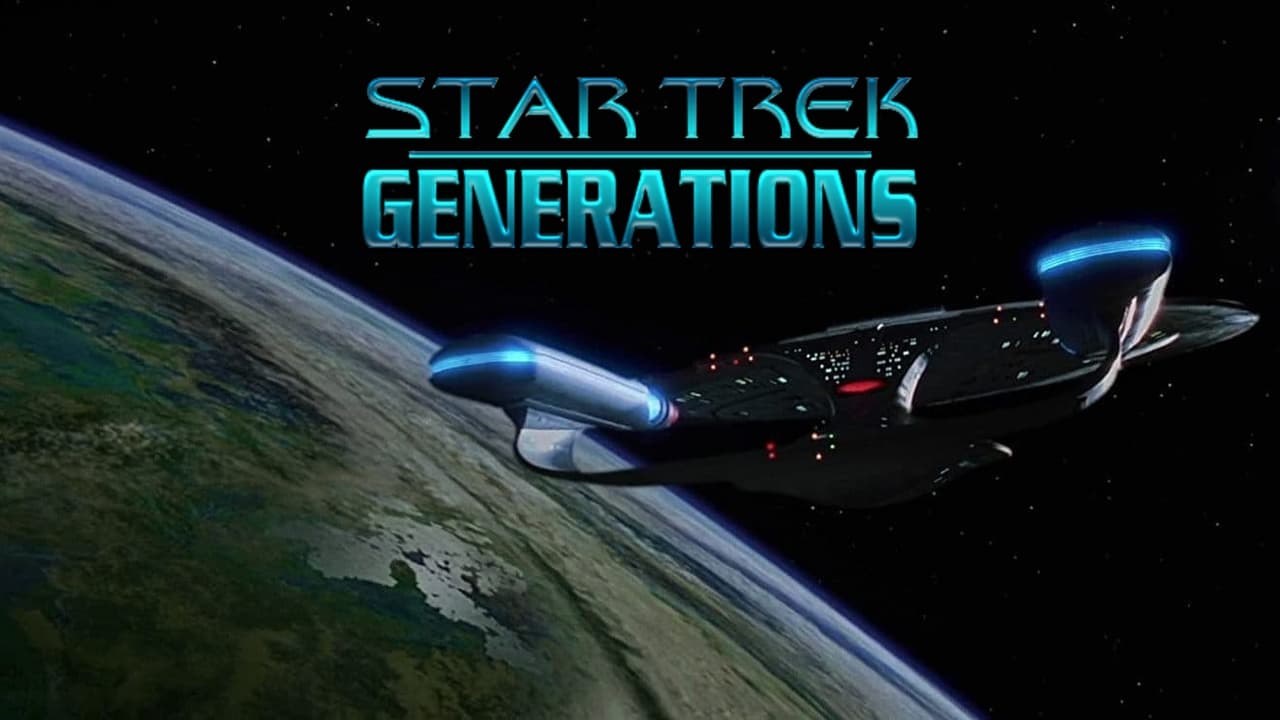
Where Generations truly earns its keep as an action film is the destruction of the Enterprise-D. If you grew up with the show, that ship was your home. Seeing it take a beating is one thing, but the saucer crash sequence remains one of the most impressive feats of practical effects from the pre-CGI-dominance era.
Industrial Light & Magic (ILM) used a massive model and a sophisticated gimbal system to simulate the crash, and it shows. There’s a terrifying, heavy physics to that sequence—the way the hull plows through the forest of Veridian III, trees snapping like toothpicks, the bridge crew being tossed around like laundry in a dryer. It feels real because, in a very physical sense, a giant model was actually being dragged through a giant landscape. Compare this to the weightless digital destruction of modern Marvel movies, and you’ll find yourself pining for the days of physical miniatures.
The hand-to-hand action, choreographed by the stunt teams under director David Carson (who cut his teeth on the gritty Star Trek: Deep Space Nine), is much more grounded than the Original Series' "double-axe handle" punches. However, I have to be honest: killing James T. Kirk by having a rusty bridge fall on him is the narrative equivalent of tripping on a sidewalk after winning an Olympic marathon. It’s a baffling choice for a character who survived gods and Gorns, yet it’s a quintessential 90s "grounded" decision that feels more jarring now than it did then.
The Data Problem and the Villainous McDowell
Then there’s the Brent Spiner of it all. Data finally gets his "emotion chip," which serves as the film’s primary source of comic relief. While Spiner is a brilliant actor, the emotion chip subplot is a textbook case of 'be careful what you wish for' regarding character development. Watching a beloved android have a nervous breakdown while trying to scan for "life forms" is funny for about thirty seconds, but it quickly starts to grate against the life-and-death stakes of the plot.
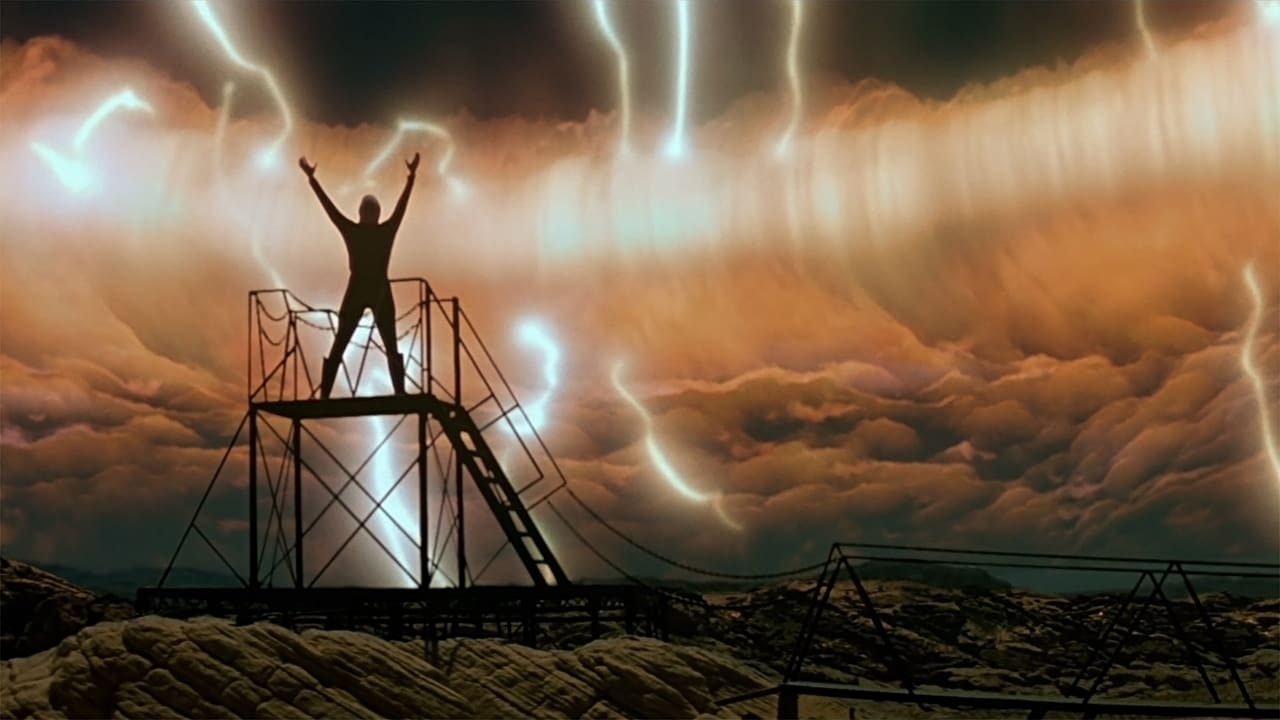
Speaking of stakes, Malcolm McDowell is doing God’s work as Dr. Tolian Soran. McDowell, forever legendary for A Clockwork Orange, knows exactly what kind of movie he’s in. He plays Soran with a quiet, desperate menace, treating time as a "predator" that is stalking him. He isn't a mustache-twirling villain; he’s just a man who wants to go back to his happy place and is willing to kill a few star systems to do it. His performance elevates the film from a standard "Save the World" plot to a more interesting study of mortality.
Ultimately, Star Trek: Generations is a transitional fossil. It has the DNA of a great TNG episode but the budget of a mid-tier action flick, and the two don't always harmonize. It lacks the streamlined, terrifying focus of the subsequent film, First Contact, but it possesses a strange, melancholy charm that I’ve come to appreciate more as I’ve aged. It’s a film about the fear of the future and the siren song of the past—a fitting theme for a franchise trying to find its footing in a new decade of cinema.
It’s not the masterpiece fans wanted, but it’s a fascinating snapshot of 1994. The effects hold up remarkably well, the performances from the leads are top-tier, and despite the questionable bridge-related deaths, there’s something undeniably cool about seeing the two biggest icons in sci-fi share a screen. Just don't think too hard about the orbital mechanics of the Nexus ribbon—your brain will thank you for the mercy.
Keep Exploring...
-
Star Trek: First Contact
1996
-
Star Trek: Insurrection
1998
-
Star Trek: Nemesis
2002
-
Armageddon
1998
-
RoboCop 2
1990
-

Jurassic Park III
2001
-
Planet of the Apes
2001
-

The Matrix Reloaded
2003
-

The Hunger Games
2012
-
Escape from L.A.
1996
-
The Saint
1997
-
Teenage Mutant Ninja Turtles
1990
-

Star Trek VI: The Undiscovered Country
1991
-
Universal Soldier
1992
-
Timecop
1994
-
Serenity
2005
-
9
2009
-
Cliffhanger
1993
-
Stargate
1994
-
Congo
1995