Stargate
"History is wrong. The stars are waiting."
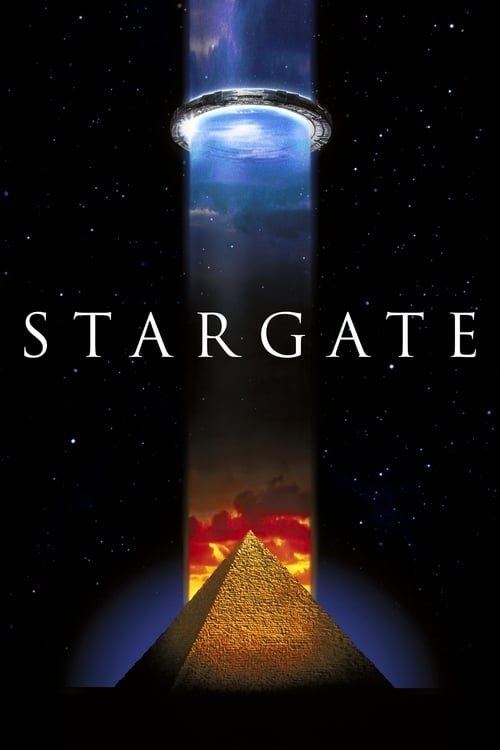
I was halfway through a bag of slightly stale pretzel M&Ms when it hit me: James Spader is the only actor who can make a persistent allergy look like a legitimate character choice. Watching him as Dr. Daniel Jackson in Stargate, sneezing his way through the sands of Abydos, reminds me of a specific era of 1990s blockbusters where "the nerd" didn’t have to become a superhero to be the hero. He just had to be right about some hieroglyphics.

Looking back from our current era of interconnected multiverses, it’s easy to forget that Stargate was a massive gamble. In 1994, sci-fi was in a weird spot. We were between the practical-effects heyday of the 80s and the digital takeover of the late 90s. Roland Emmerich and Dean Devlin (who would later give us the bombast of Independence Day) delivered a film that felt like a bridge. It’s got the DNA of a 1950s "sand and sandals" epic, the grit of a 1980s military thriller, and the shiny, shimmering promise of 1990s CGI.
The Stoic, The Scholar, and The Sun God
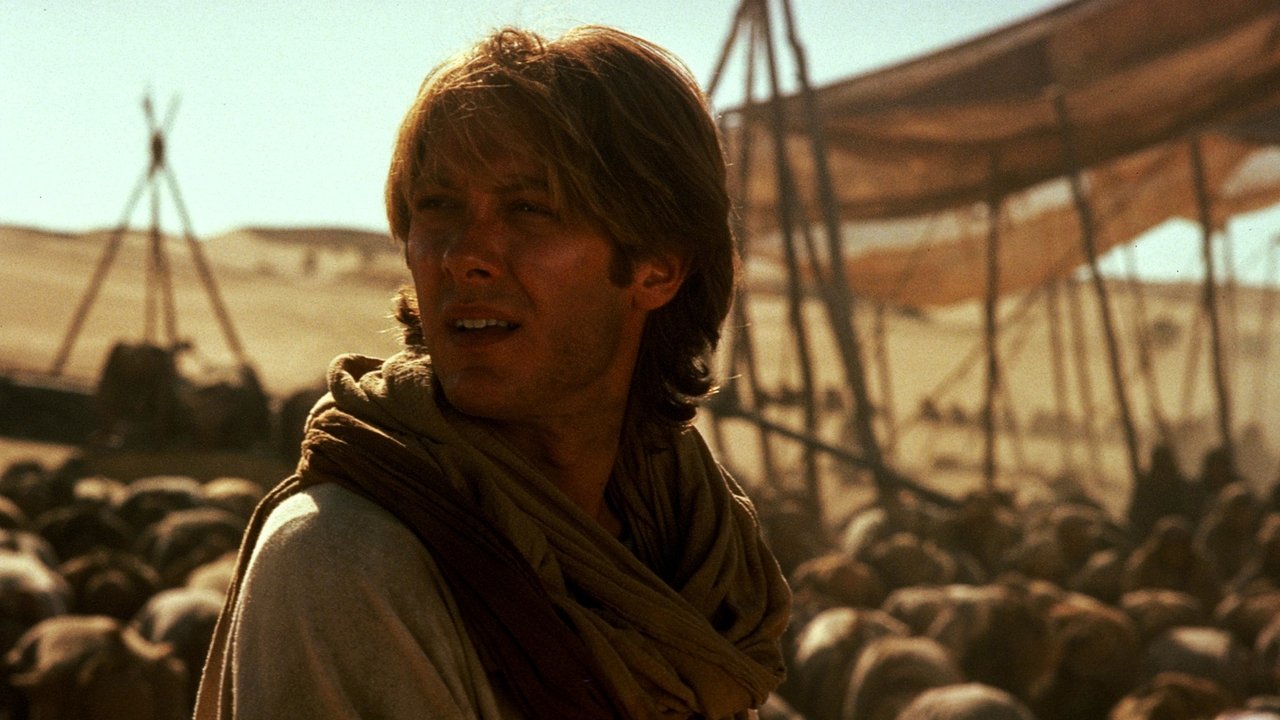
The chemistry here shouldn't work, but it does. You have Kurt Russell as Colonel Jack O'Neil, sporting a flat-top haircut so sharp it could probably slice through the alien minerals they're investigating. Russell plays it incredibly close to the vest—he’s a man hollowed out by grief, and his performance is surprisingly somber for a movie about space portals. He’s the perfect foil for James Spader, who plays Jackson with this wonderful, twitchy sincerity. Spader (who we now mostly associate with the suave menace of The Blacklist or Boston Legal) is a delight here. He’s the guy who thinks the Great Pyramid wasn't a tomb, and he’s willing to get laughed out of a room for it.
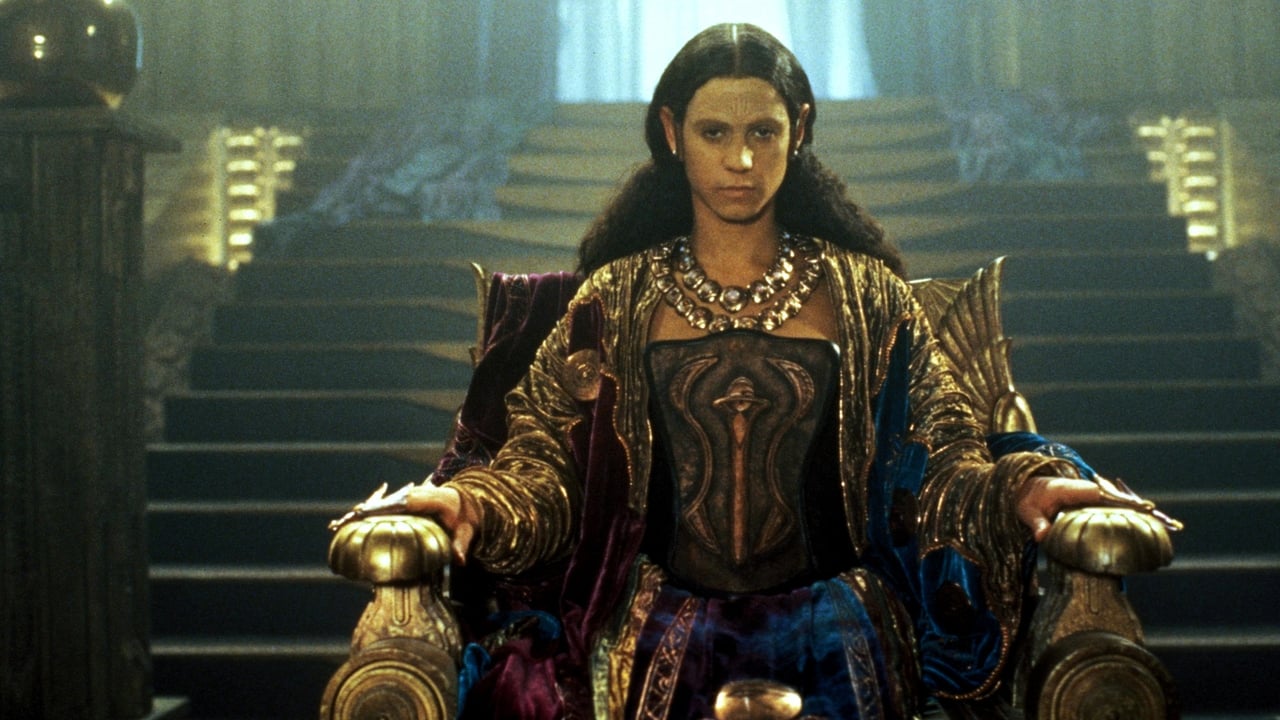
Then there’s Jaye Davidson as Ra. Fresh off an Oscar nomination for The Crying Game (1992), Davidson is otherworldly. Ra isn't just a villain; he’s an aesthetic. The way the film uses digital alteration on his eyes and that haunting, layered voice effect was legitimately creepy in '94. Ra is the most underrated fashion icon of the 90s, gliding around in gold-plated opulence while everyone else is covered in desert grit. The film treats the "gods" not as magical entities, but as technologically superior colonizers, which gives the action a weight that pure fantasy often lacks.
Big Sets and Shimmering Puddles
What strikes me most during a rewatch is the scale. Before Emmerich decided to destroy the entire world in every movie, he was actually quite good at building worlds. The production design by Holger Gross is gargantuan. They built massive sets in the desert outside Yuma, Arizona, and you can feel the heat and the wind. When those thousands of extras are bowing to Ra’s landing craft, it’s not a digital copy-paste job; it’s a sea of actual people.
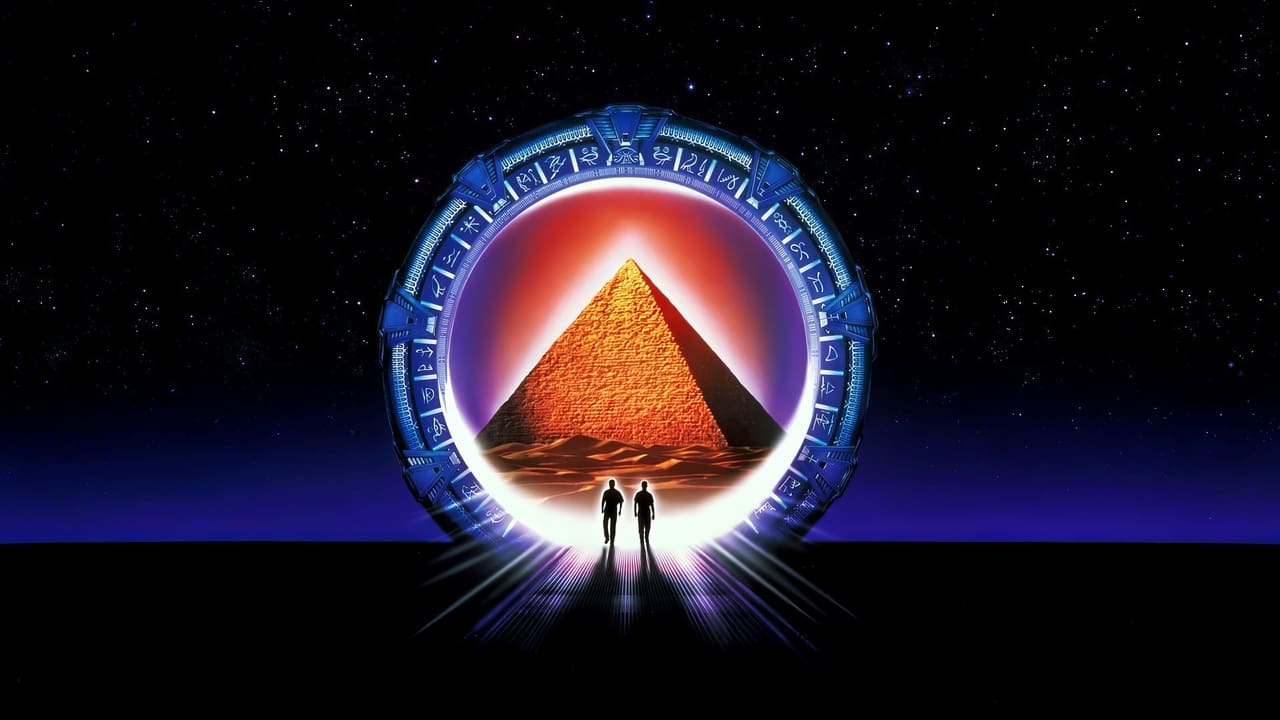
But let’s talk about the "Puddle." The Stargate effect itself—that shimmering, vertical pool of water—was a watershed moment (pun intended) for CGI. Created using "Strata" software, it was designed to look like a fluid surface reacting to a disturbance. It’s one of the few early-90s digital effects that still looks fantastic today. It feels tactile. When Viveca Lindfors’ character, Catherine, looks at it with wonder, you’re right there with her.
The action choreography by the second unit and the stunt team deserves a nod too. The dogfights between the "Death Gliders" and the ground rebels have a frantic, desperate energy. It’s not clean, choreographed dancing; it’s a chaotic scramble in the dirt. The sound design—specifically the mechanical whirring of the Horus and Anubis helmets as they retract—is one of those "brain-tickling" cinematic sounds that stayed with me for decades. It makes the technology feel heavy and dangerous.
The Legacy of the Ring
It’s impossible to talk about Stargate without acknowledging the shadow of the TV franchise it spawned. While Stargate SG-1 took the "team of the week" approach, the original film feels much more like a singular, epic poem. It’s grander, slower, and arguably more cynical. It captured that pre-Y2K anxiety of "what if we aren't the top of the food chain?" while still being a rollicking adventure.
The film was a sleeper hit, raking in nearly $200 million against a $55 million budget—a massive win for Le Studio Canal+ and Centropolis. It proved there was a hunger for high-concept sci-fi that didn't have "Star" in the title (well, okay, it had one "Star"). It’s a film that respects the audience’s curiosity, even if it eventually settles into a standard "shoot the bad guy with a nuke" finale.

Interestingly, Jaye Davidson reportedly hated the fame that came with his previous role and wasn't keen on acting, leading him to request a $1 million salary for Stargate thinking the studio would say no. They said yes, and we got one of the most unique sci-fi villains in history. It’s those kinds of weird, lightning-in-a-bottle casting choices that give the movie its distinct flavor.
Stargate is the quintessential "Saturday afternoon" movie. It’s got enough intellectual curiosity to keep your brain engaged and enough exploding pyramids to keep your inner ten-year-old happy. It marks a moment when digital effects were a tool for wonder rather than a crutch for lazy storytelling. If you haven't seen it since the VHS days, give it another look—just bring some tissues for the dust.
---
Keep Exploring...
-
Independence Day
1996
-
Universal Soldier
1992
-
2012
2009
-
The Day After Tomorrow
2004
-
Total Recall
1990
-
Men in Black
1997
-

The Lost World: Jurassic Park
1997
-
Armageddon
1998
-

Star Wars: Episode I - The Phantom Menace
1999
-
Moonfall
2022
-

Jurassic Park III
2001
-

Guardians of the Galaxy
2014
-
Teenage Mutant Ninja Turtles
1990
-
Star Trek: Generations
1994
-
Star Trek: First Contact
1996
-

X-Men
2000
-

Star Wars: Episode II - Attack of the Clones
2002
-

The Matrix Reloaded
2003
-
X2
2003
-
Spider-Man 2
2004