The Crow
"Real love is forever. Real justice is a shadow."
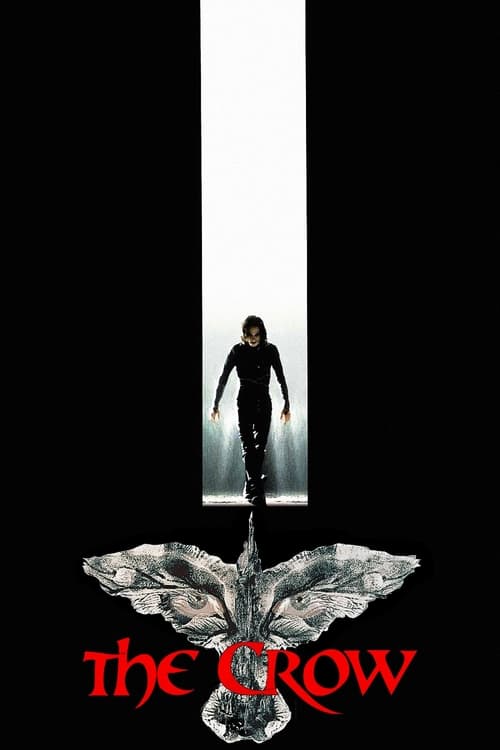
I first watched The Crow in a basement that smelled faintly of damp laundry and clove cigarettes, which, in retrospect, is the only way one should ever experience this film. I was sitting in a beanbag chair that was slowly leaking its foam guts onto the floor, and as the first chords of the Burn video sequence kicked in, I remember thinking that movies weren't supposed to look this... bruised.
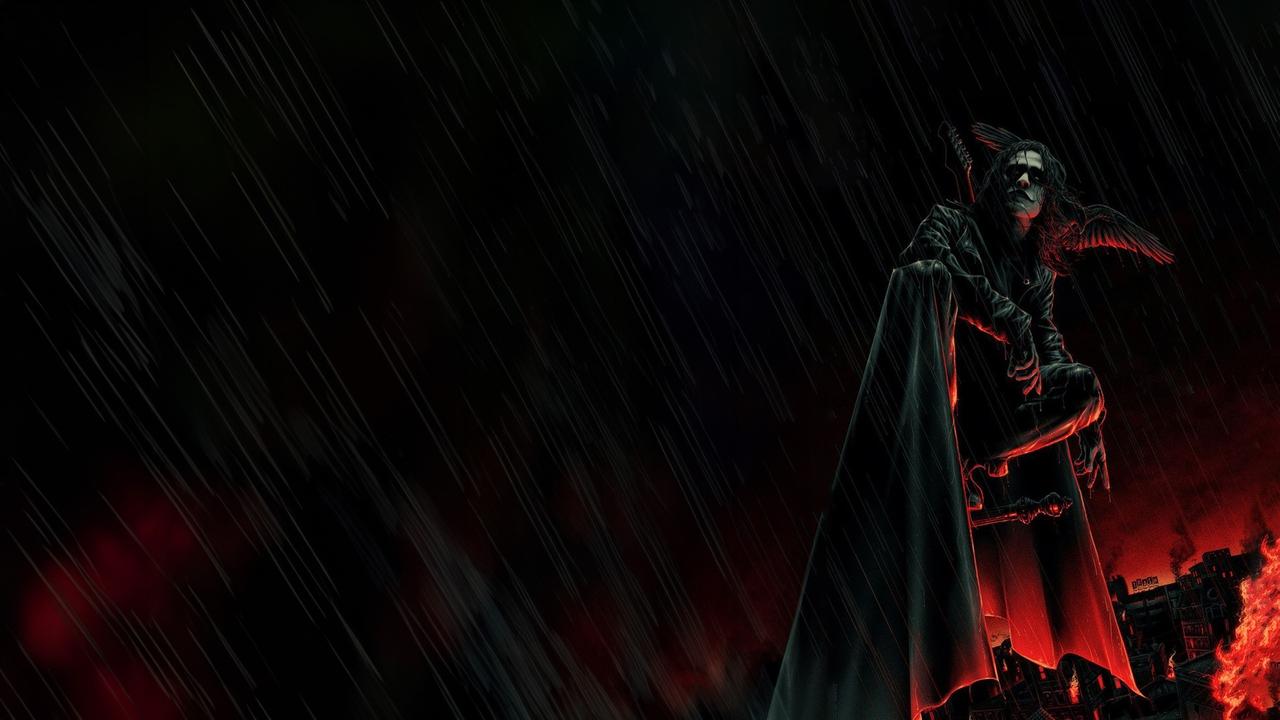
The Crow isn't just a comic book adaptation; it’s a 102-minute eulogy wrapped in black leather and electric guitar riffs. Released in 1994, it arrived at the peak of the "grunge" era, capturing a specific kind of urban decay that felt less like a movie set and more like a fever dream. Director Alex Proyas (who later gave us the equally atmospheric Dark City) didn't just film Detroit; he built a miniature, rain-slicked purgatory where it’s always October 30th and the sun has seemingly been banned by a city ordinance.
The Resurrection of the Tragic Hero
At the center of this storm is Brandon Lee. It is impossible to discuss this film without the weight of his accidental death on set, but we do the film a disservice if we only view it through the lens of tragedy. Lee’s performance as Eric Draven is genuinely spectacular, balancing a terrifying, bird-like physicality with moments of profound, quiet grief. He doesn't just play a vengeful spirit; he plays a man who is exhausted by his own resurrection.
There’s a scene where Eric returns to his abandoned loft and remembers his fiancée, Shelly (Sofia Shinas). The way Lee moves—stumbling through the wreckage of his former life—conveys a vulnerability that most modern superhero movies lack. He’s not an invincible god; he’s a broken man held together by face paint and a supernatural mandate. Looking back from our current era of polished, quippy Marvel heroes, Draven feels dangerously raw. He’s the antithesis of the "fun" hero; he’s a manifestation of pure, unadulterated pain.
A Masterclass in Industrial Noir

The action in The Crow is operatic and uncomfortably intimate. Alex Proyas and cinematographer Dariusz Wolski (who would go on to shoot Prometheus) utilized a high-contrast, almost monochromatic palette that makes the splashes of red and the flash of gunfire feel like physical jolts to the system. The shootout at Top Dollar’s board meeting is a sequence I’ve rewatched dozens of times, not just for the choreography, but for the sheer rhythm of it. It’s edited with the frantic energy of a music video but grounded by a sense of heavy, industrial weight.
Speaking of Top Dollar, Michael Wincott delivers a villainous performance for the ages. With a voice that sounds like it was marinated in gravel and scotch, he brings a bored, aristocratic cruelty to the role. He isn't interested in world domination; he just wants to watch the world burn because he's tired of the scenery. Wincott’s hair in this movie is better than most 90s supermodels, and he uses it to shield a character who is just as obsessive and dark as the hero he’s fighting. Alongside him, Bai Ling as Myca adds a layer of incestuous, occult weirdness that elevates the gang of thugs from standard street criminals to something far more sinister.
The Craft Behind the Curse
The production of The Crow is legendary for its "cursed" reputation. Beyond the tragic loss of Lee, the set was plagued by fires, equipment failure, and a freak storm that destroyed several sets. Because the film was nearly finished when Lee died, the crew had to innovate in ways that were groundbreaking for 1994. They used early digital face-mapping to place Lee’s likeness onto his stunt double, Chad Stahelski—the man who would eventually direct the John Wick series. It’s a seamless bit of early CGI that holds up surprisingly well because it’s used sparingly and hidden in the shadows.
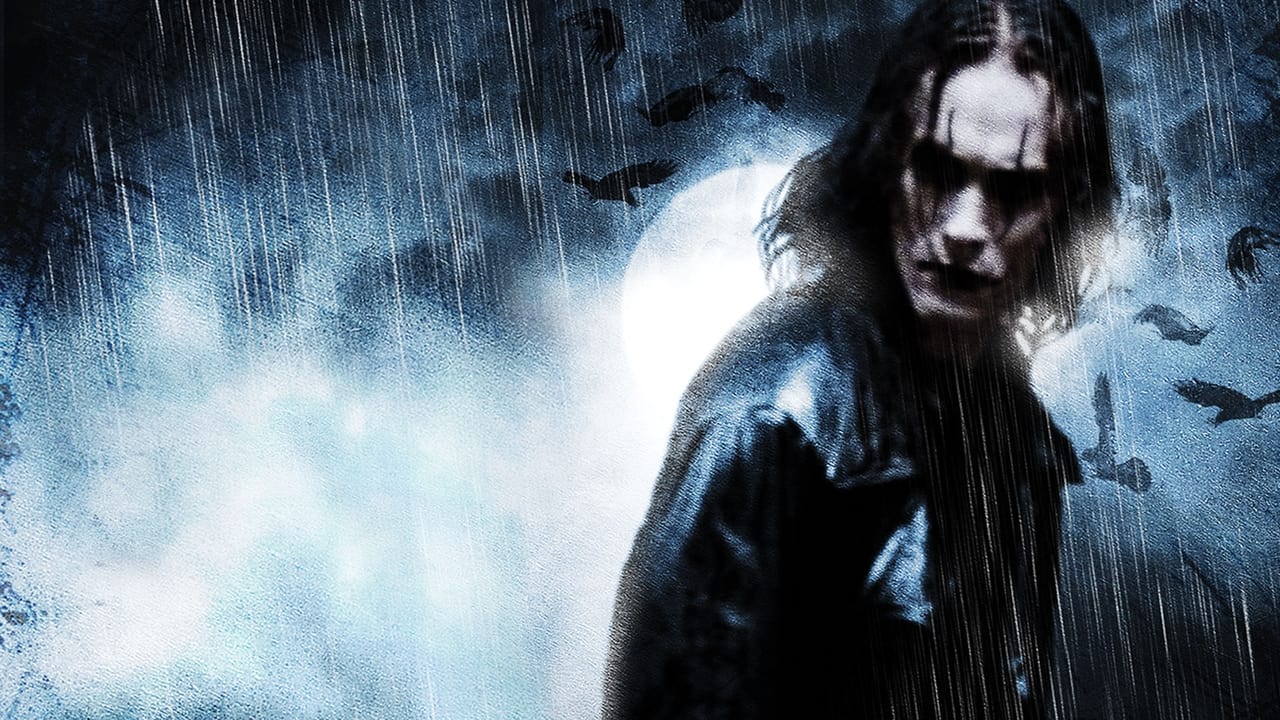
There’s a tangible, hand-crafted feel to the film that you just don't get anymore. The city models were often built at a 1/12th scale, giving the wide shots a slightly "off," surreal quality that fits the dream-logic of the plot. Even the soundtrack—featuring The Cure, Nine Inch Nails, and Rage Against the Machine—acts as a secondary narrator. It’s a cultural time capsule of a decade that was obsessed with the intersection of beauty and decay.
What’s truly fascinating is how the film treats its supporting cast. Ernie Hudson as Sgt. Albrecht provides the much-needed moral anchor, playing the "good cop" without ever feeling like a cliché. His relationship with Sarah (Rochelle Davis), the girl Eric and Shelly looked after, gives the movie its heartbeat. Without them, the film would risk being a nihilistic exercise in violence; with them, it becomes a story about the small circles of light we try to keep burning in a very dark world.
Ultimately, The Crow is a film that is too goth for its own good and I love every second of it. It’s a movie that understood the assignment: create a myth for the outcasts. While the sequels tried to capture lightning in a bottle again—and failed miserably by turning the concept into a generic franchise—the original remains a singular, jagged piece of art. It’s dark, it’s loud, and it’s unapologetically emotional. It’s a reminder that sometimes the most enduring stories aren't the ones that make us feel safe, but the ones that acknowledge that life is messy, justice is rare, and it can't rain all the time.

Keep Exploring...
-
Point Break
1991
-
From Dusk Till Dawn
1996
-
The Boondock Saints
1999
-
Nikita
1990
-

Starship Troopers
1997
-

Enemy of the State
1998
-

The Negotiator
1998
-
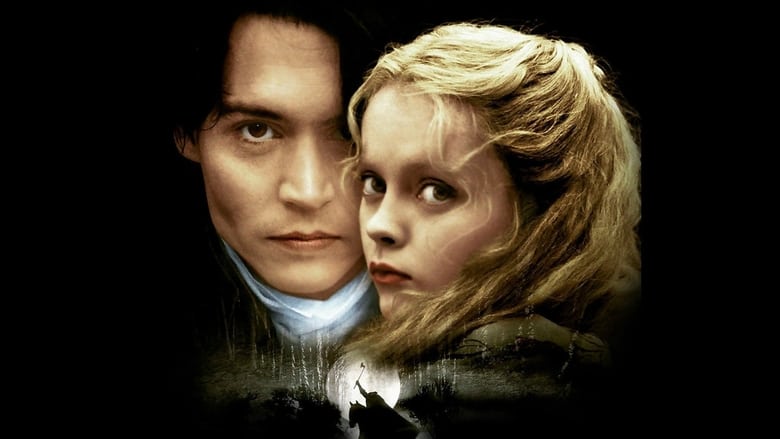
Sleepy Hollow
1999
-
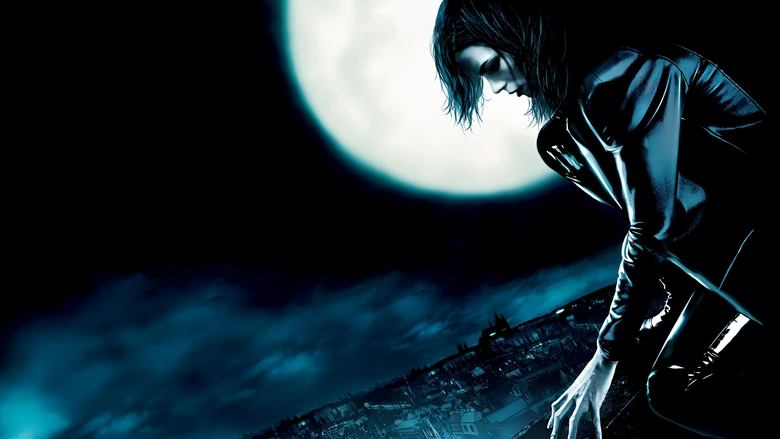
Underworld
2003
-
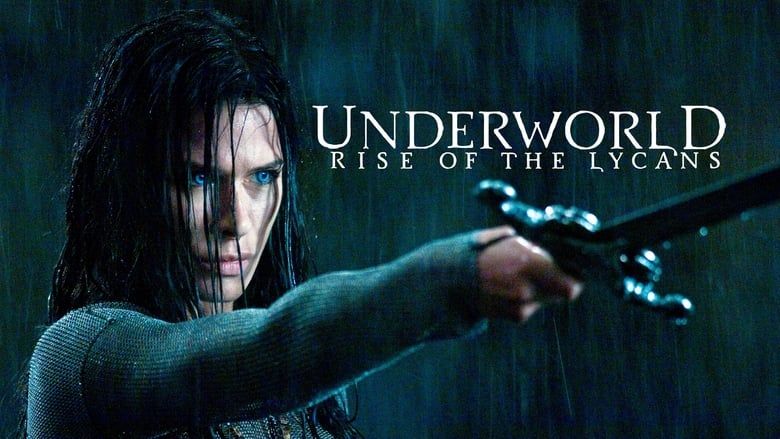
Underworld: Rise of the Lycans
2009
-
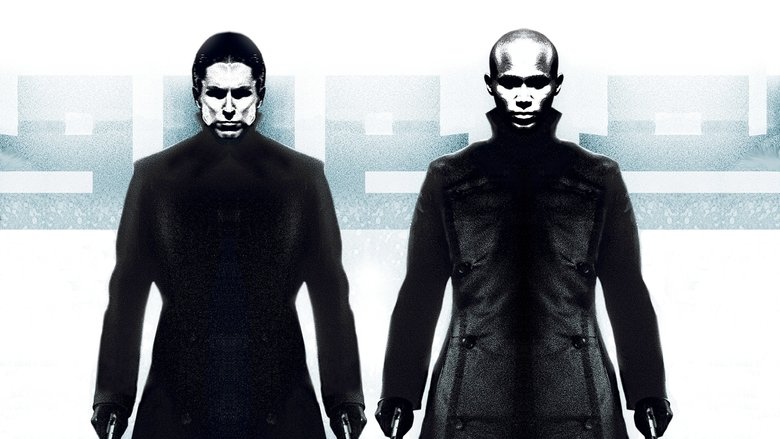
Equilibrium
2002
-
Serenity
2005
-
The Illusionist
2006
-
John Wick
2014
-

Blade II
2002
-
Ghost
1990
-
The Hunt for Red October
1990
-

Star Trek VI: The Undiscovered Country
1991
-
Bound by Honor
1993
-
The Fugitive
1993