The Hudsucker Proxy
"The only way to go is up."
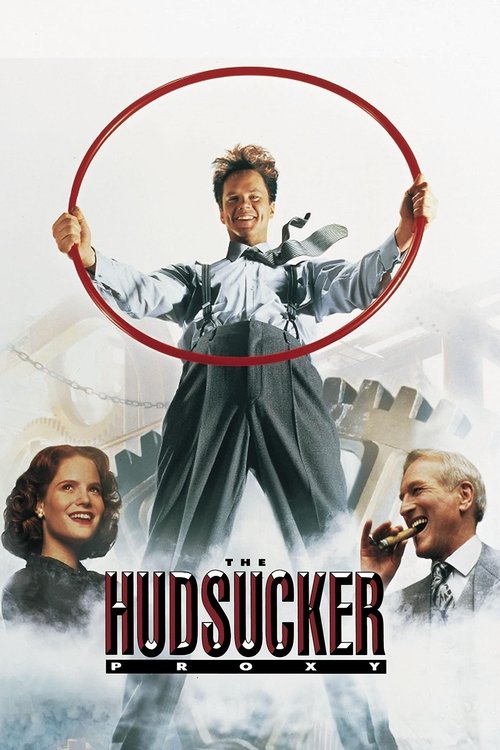
The first time I saw the giant clock in the Hudsucker building, I forgot to breathe for a second. It isn’t just a prop; it’s a mechanical god, a looming, ticking monster that dictates the rhythm of a New York City that never actually existed. I was watching this on a scratched-up DVD I found in a bargain bin while nursing a lukewarm cup of peppermint tea that had a weird oily film on top, and yet, the movie still looked like a billion dollars.
The Hudsucker Proxy is one of the most magnificent "failures" in cinema history. In 1994, it cost $25 million to make and clawed back less than $3 million at the box office. It was the film that was supposed to "mainstream" the Coen Brothers after the dark, claustrophobic success of Barton Fink (1991). Instead, it became a cautionary tale about what happens when indie darlings are given a massive budget to build a toy set. But looking back at it now, through the lens of our CGI-saturated era, this movie feels like a handmade miracle.
A Beautiful, Clockwork Nightmare
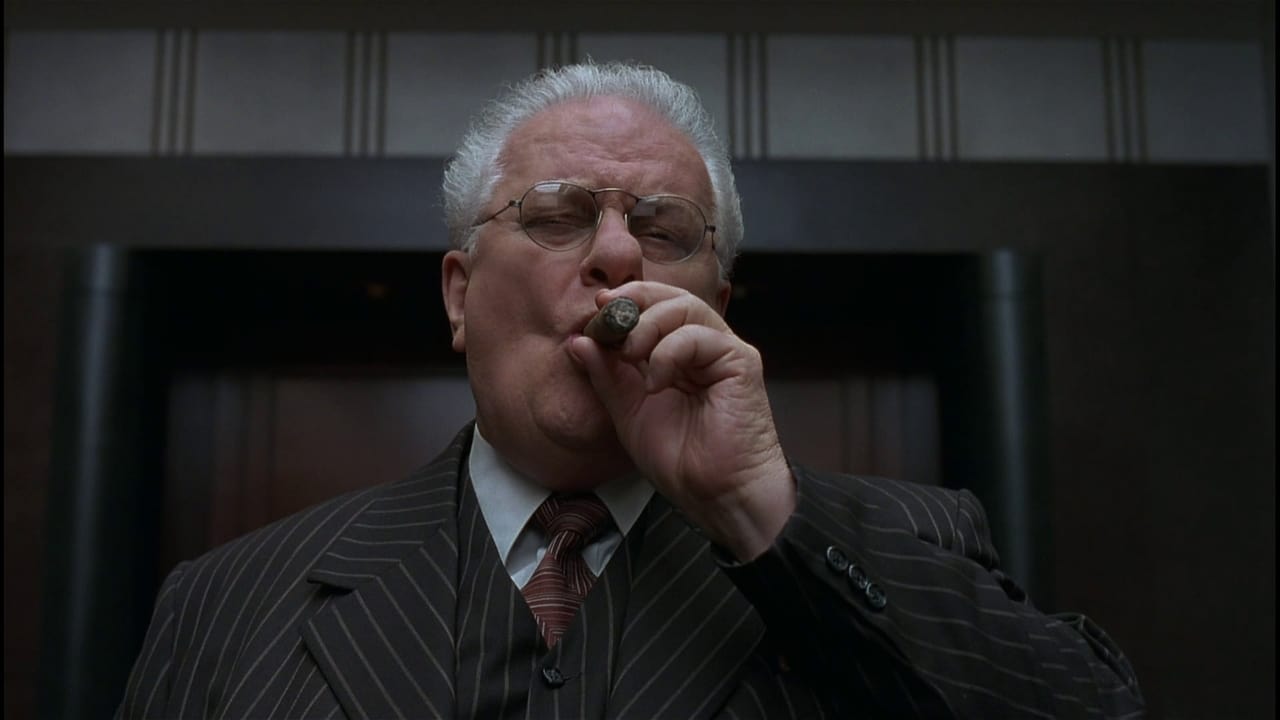
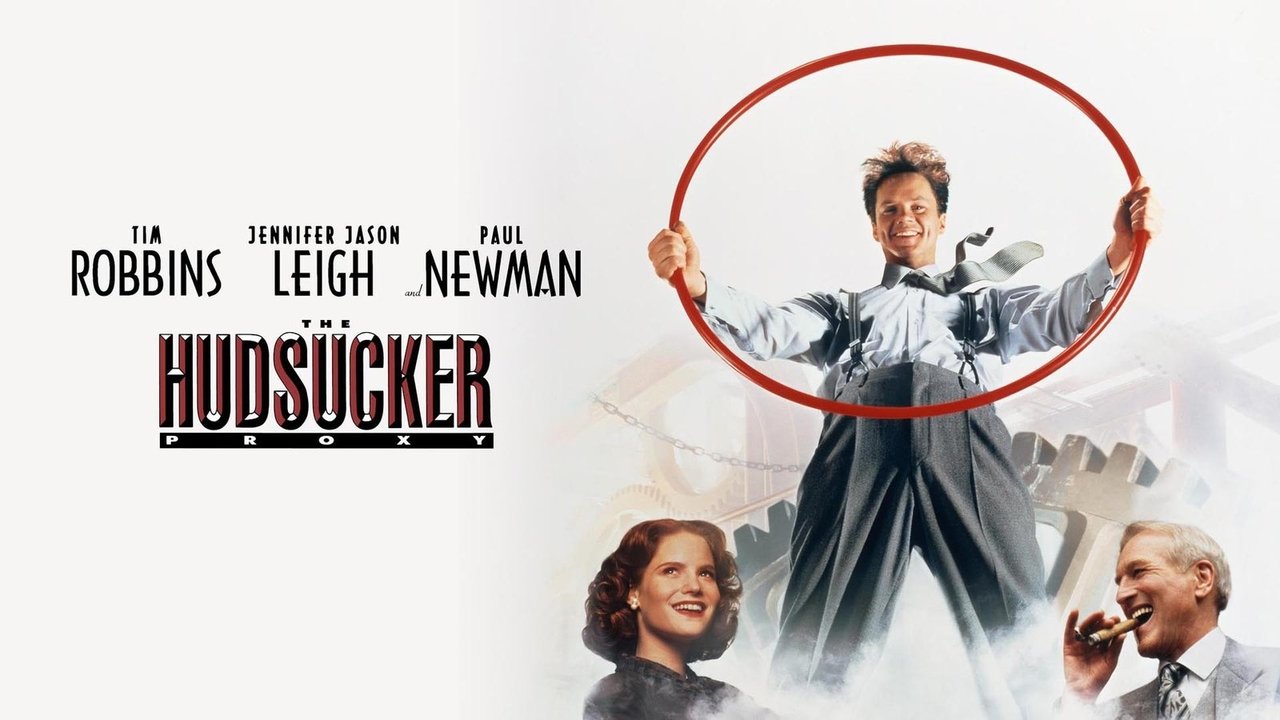
The plot is pure 1940s screwball worship. When the head of Hudsucker Industries, Waring Hudsucker (Charles Durning), decides to exit the company by jumping out of a forty-fourth-story window (forty-five if you count the mezzanine), the board of directors hatches a scheme. Led by the cigar-chomping Sidney J. Mussburger (Paul Newman), they decide to install a total moron as president to tank the stock so they can buy it back for pennies.
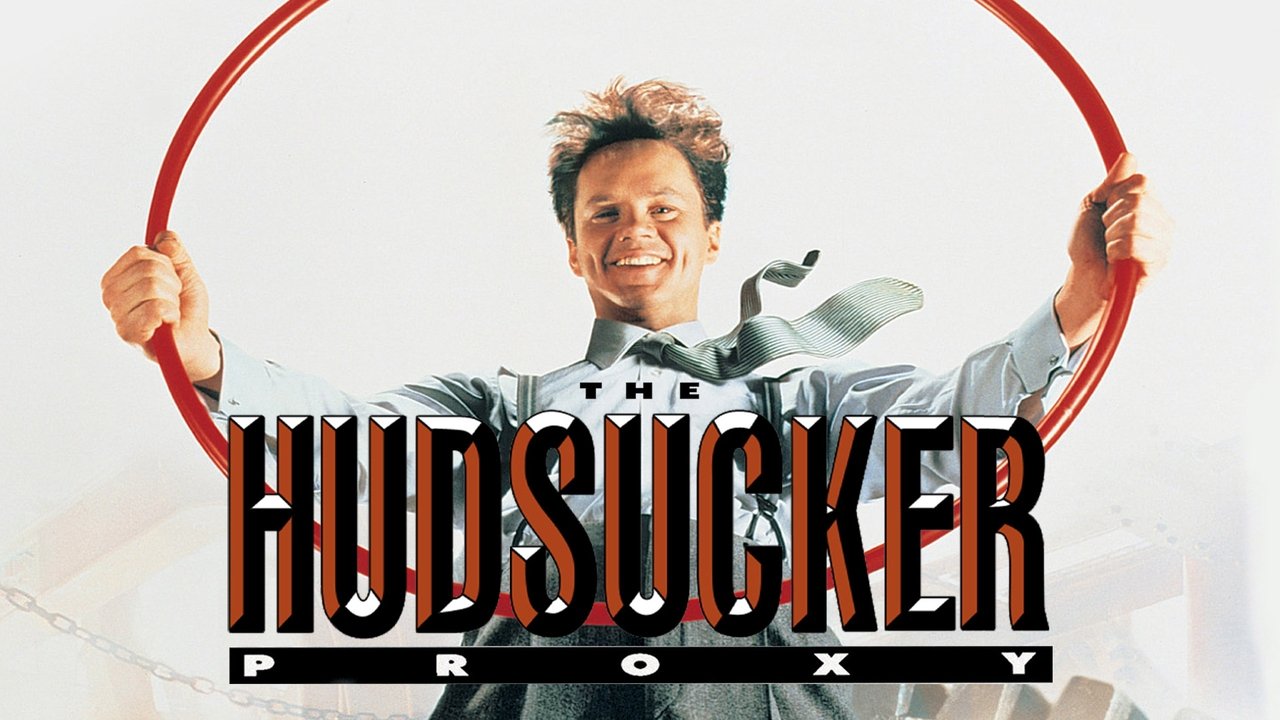
Enter Tim Robbins as Norville Barnes, a graduate of the Muncie Business College with a "surefire" invention that’s just a circle drawn on a piece of paper. "You know, for kids!" he says with a grin so earnest it’s practically a physical hazard. Tim Robbins plays Norville with a physical clumsiness that feels like a silent film throwback; he’s a human puppy in a suit three sizes too big for his soul.
What makes the film a Drama as much as a Comedy is the sheer weight of the environment. The Coens, along with co-writer Sam Raimi (fresh off Army of Darkness), created a world that feels heavy. Everything is made of stone, brass, and shadow. It’s a satire of corporate greed that feels more relevant today than it did in the mid-90s, especially seeing how Paul Newman plays Mussburger not as a cartoon, but as a man who genuinely believes the world is a cold, hard place where only the cynical survive.
The Fast-Talking Firecracker
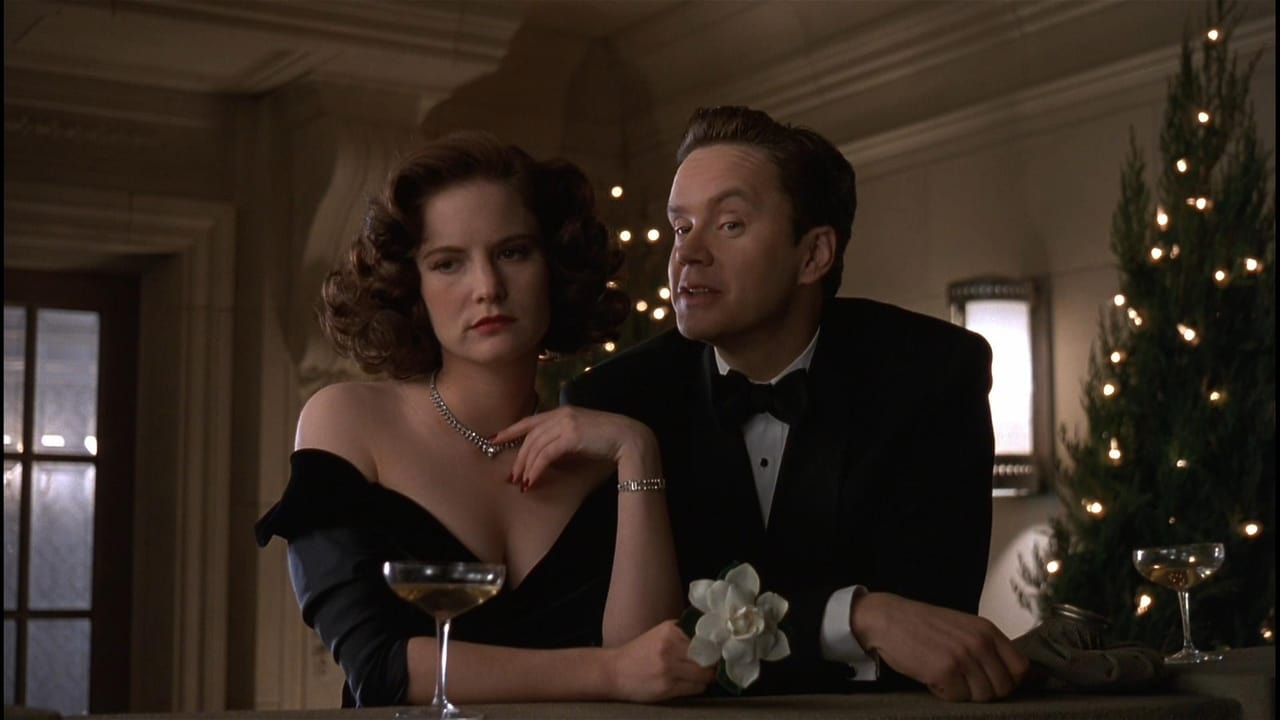
Then there’s Jennifer Jason Leigh. If you aren’t prepared for her performance as Amy Archer, the Pulitzer-winning reporter who goes undercover to sniff out Norville’s secret, it can be a bit of a shock. She isn't just acting; she’s doing a high-wire impersonation of Rosalind Russell in His Girl Friday. She talks so fast I’m convinced she didn't inhale for the entire month of October 1993.
Some critics at the time found it "artificial," but that’s the whole point. The movie is an artifice. It’s a love letter to a style of filmmaking where dialogue was a percussion instrument. Jennifer Jason Leigh brings a frantic, sharp-edged energy that keeps the movie from drifting into pure whimsy. When she and Tim Robbins finally share a moment of genuine connection, it feels earned because they’ve had to fight through layers of scripted cynicism to get there.
The supporting cast is equally dialed in. John Mahoney screams his head off as the Chief, and Jim True-Frost is wonderfully manic as Buzz the elevator boy. Every performance is a gear in a very specific, very loud machine.
Why This Lost Treasure Matters Now
Looking back, it’s easy to see why audiences in 1994 were confused. We were in the middle of a gritty indie revolution—think Pulp Fiction or Clerks—and here came the Coens with a movie that looked like a $25 million Technicolor dream from 1954. It didn't fit the "cool" aesthetic of the 90s.
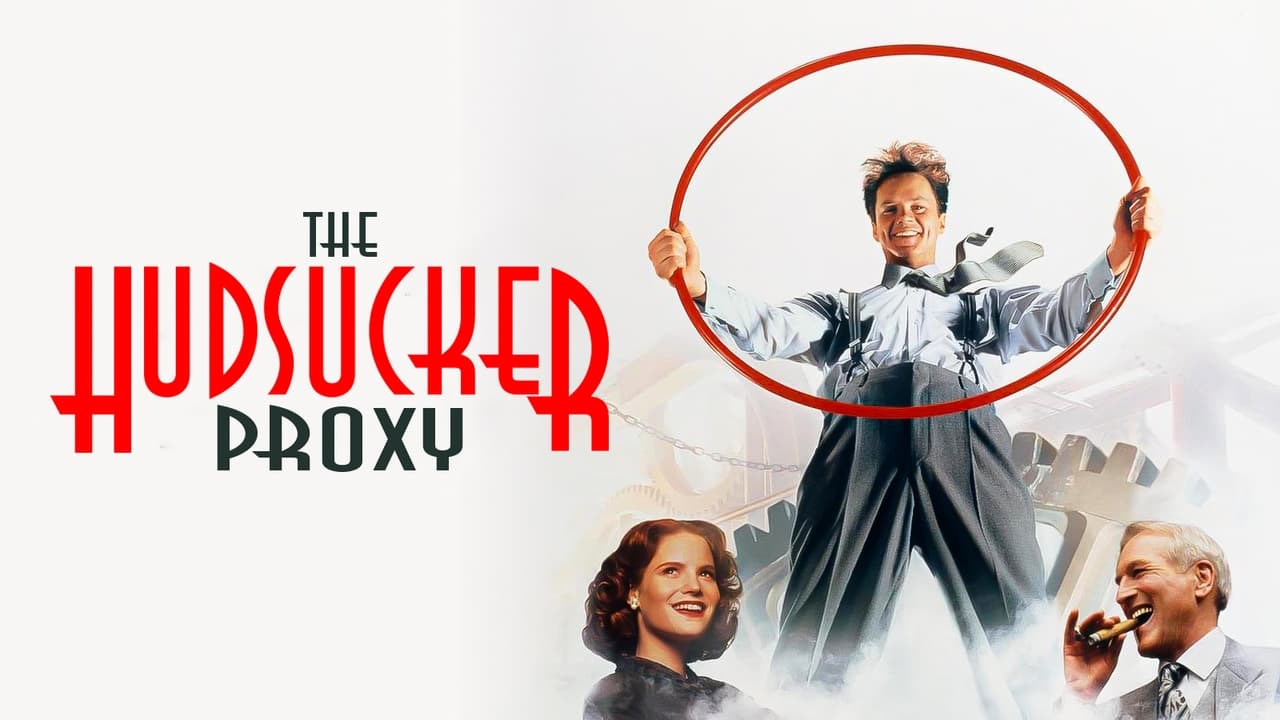
But Roger Deakins (the cinematographer behind The Shawshank Redemption) shot this with a level of craft that puts modern blockbusters to shame. The use of miniatures and practical sets is staggering. When you see that New York skyline, your brain knows it’s a model, but your heart thinks it's real. It’s essentially a $25 million cartoon where nobody gets hurt but the accountants, and that’s a beautiful thing to witness.
The "Hula Hoop" sequence—which I won’t spoil—is perhaps one of the most perfectly edited sequences in the Coen filmography. It’s a masterclass in visual storytelling, showing how a simple, stupid idea can conquer the world through sheer, dumb luck and a catchy tune.
The Hudsucker Proxy is the "hidden gem" of the Coen Brothers' catalog. It’s vibrant, cynical, sweet, and visually breathtaking. It disappeared because it was released at a time when audiences wanted irony and grit, not a fantasy about a boy from Muncie and a circle "for kids." If you’ve ever felt like a cog in a machine that’s spinning too fast, Norville Barnes is your patron saint. Hunt this one down; it’s a surefire hit for the soul.
Keep Exploring...
-
Barton Fink
1991
-

Miller's Crossing
1990
-
Burn After Reading
2008
-
A Serious Man
2009
-

The Muppet Christmas Carol
1992
-
The Man Who Wasn't There
2001
-
The Player
1992
-

Pleasantville
1998
-

Sliding Doors
1998
-

Fargo
1996
-
The Big Lebowski
1998
-
O Brother, Where Art Thou?
2000
-
Ghost Town
2008
-

Ruby Sparks
2012
-

The Odd Life of Timothy Green
2012
-

The Santa Clause
1994
-

Babe
1995
-

Being John Malkovich
1999
-

Wizards of Waverly Place: The Movie
2009
-
The Ladykillers
2004