The Legend of Drunken Master
"Bottoms up. Fists out."
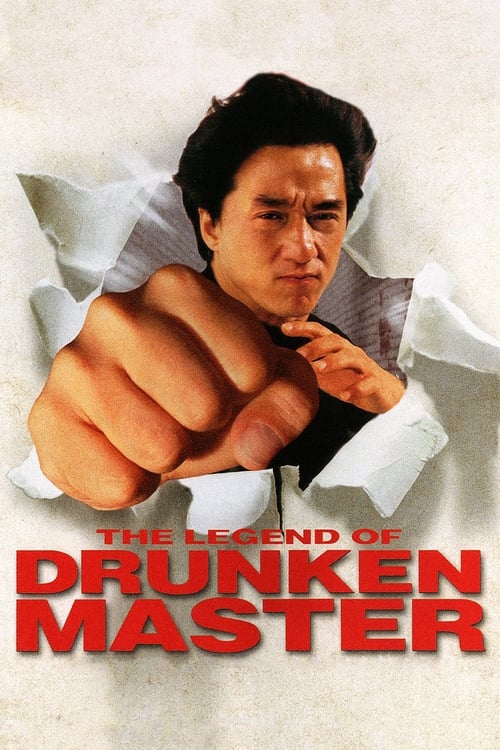
I watched this movie while nursing a lukewarm cup of oolong tea that I'm 90% sure had a drowned fruit fly in it, but I couldn't look away from the screen long enough to actually fish the bug out. That is the power of Jackie Chan in 1994. By the time the credits rolled—complete with the mandatory "Jackie almost dies" outtakes—my tea was cold, the fly was still there, and I felt like I’d just run a marathon through a glass factory.
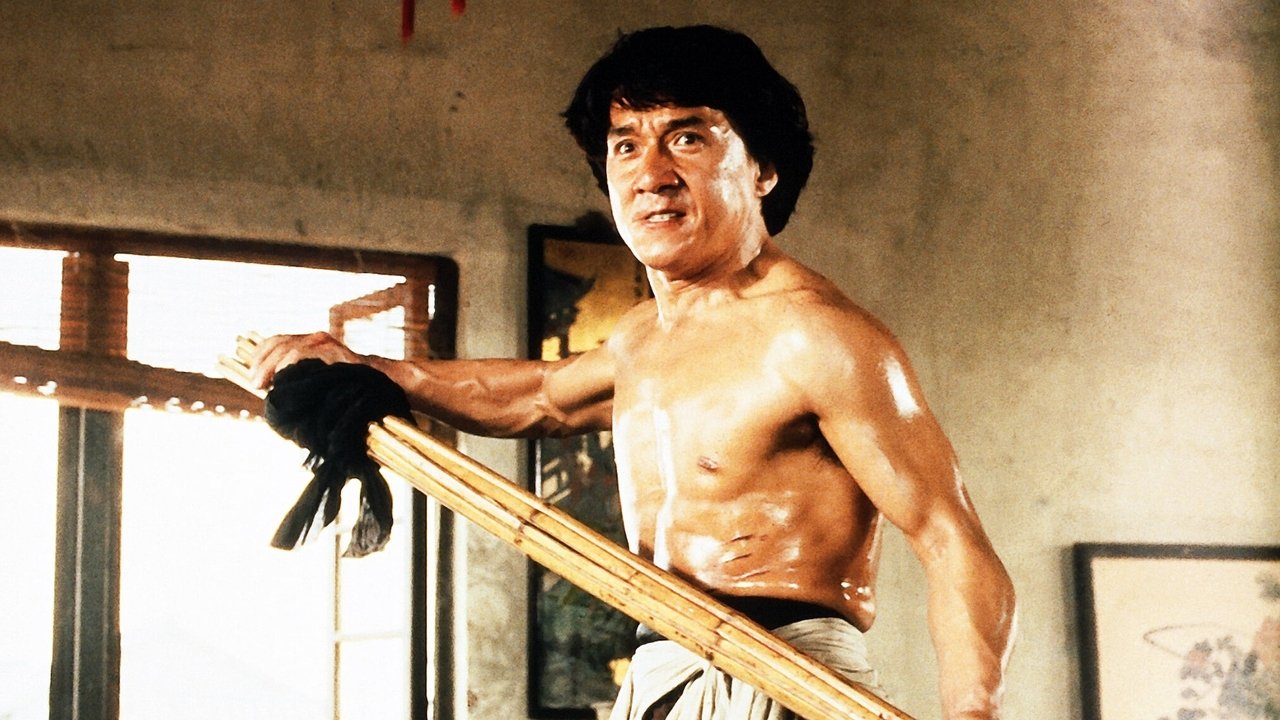
The Legend of Drunken Master (released in Asia as Drunken Master II) arrived at a fascinating crossroads in cinema history. While Steven Spielberg was proving that computers could resurrect dinosaurs in Jurassic Park, a 39-year-old Jackie Chan was busy proving that no amount of silicon or software could replace a man willing to fall backward into a pit of actual, glowing hot coals. It represents the absolute zenith of the Hong Kong action machine before the 1997 handover and before the industry's top talent—Chan, Jet Li, and John Woo—migrated to Hollywood to have their rough edges polished off by American studios.
The Art of the Liquid Brawl
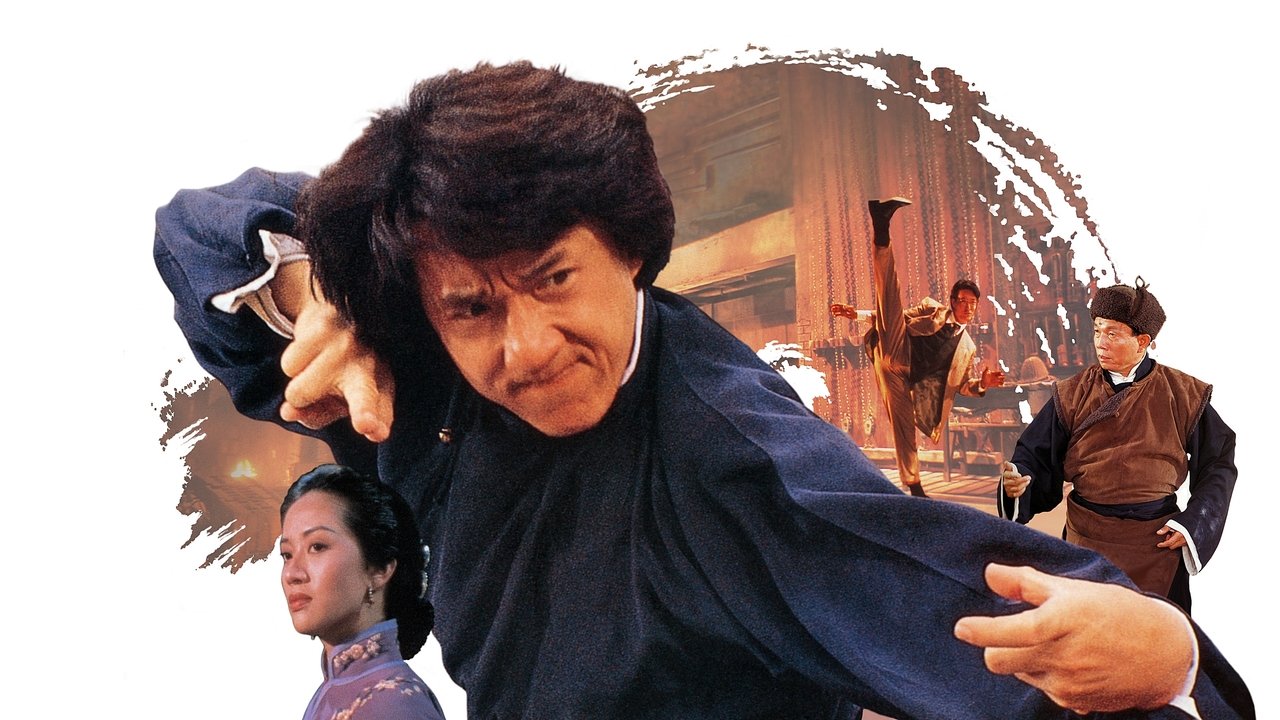
The plot is a classic "save the national treasures" setup, but the story is really just the scaffolding for some of the most complex physical comedy ever filmed. Jackie Chan plays Wong Fei-hung, a folk hero usually portrayed with stoic dignity (think Jet Li in Once Upon a Time in China). Here, however, Fei-hung is a bit of a disaster. He’s a master of "Drunken Boxing," a style that requires him to be essentially wasted to reach peak combat effectiveness.
This creates a hilarious tension: he needs to get drunk to save the day, but his stern father, played by the legendary Ti Lung (the cool-as-ice star of A Better Tomorrow), has forbidden him from touching a drop. It’s a comedy of errors where the "secret weapon" is also a massive character flaw. Looking back, the choreography isn't just fast; it’s rhythmic. It’s less like a fight and more like a high-stakes Gene Kelly dance routine where the umbrellas are replaced by heavy bamboo poles and industrial-grade wood-alcohol.
Stealing the Show in Style
While Jackie is the draw, the secret sauce of this movie is Anita Mui. Playing Fei-hung's stepmother, Ling, she is a comedic revelation. She’s the one who constantly enables his drinking, hides his secrets from his father, and uses her own "Drunken Fan" style to bail him out. In a genre that often relegates women to the "damsel" or the "dead motivation" roles, Mui is a whirlwind of charisma. Her facial expressions alone are worth the price of admission.
I honestly think her performance is one of the best comedic turns of the 90s, regardless of language. She grounds the film’s cartoonish energy with a performance that feels delightfully unhinged yet perfectly controlled. Without her, the movie might have leaned too hard into the melodrama of the "foreigners stealing artifacts" plot. With her, it’s a riotous family sitcom that occasionally explodes into a brawl.
Practical Magic and the 20-Minute Masterpiece
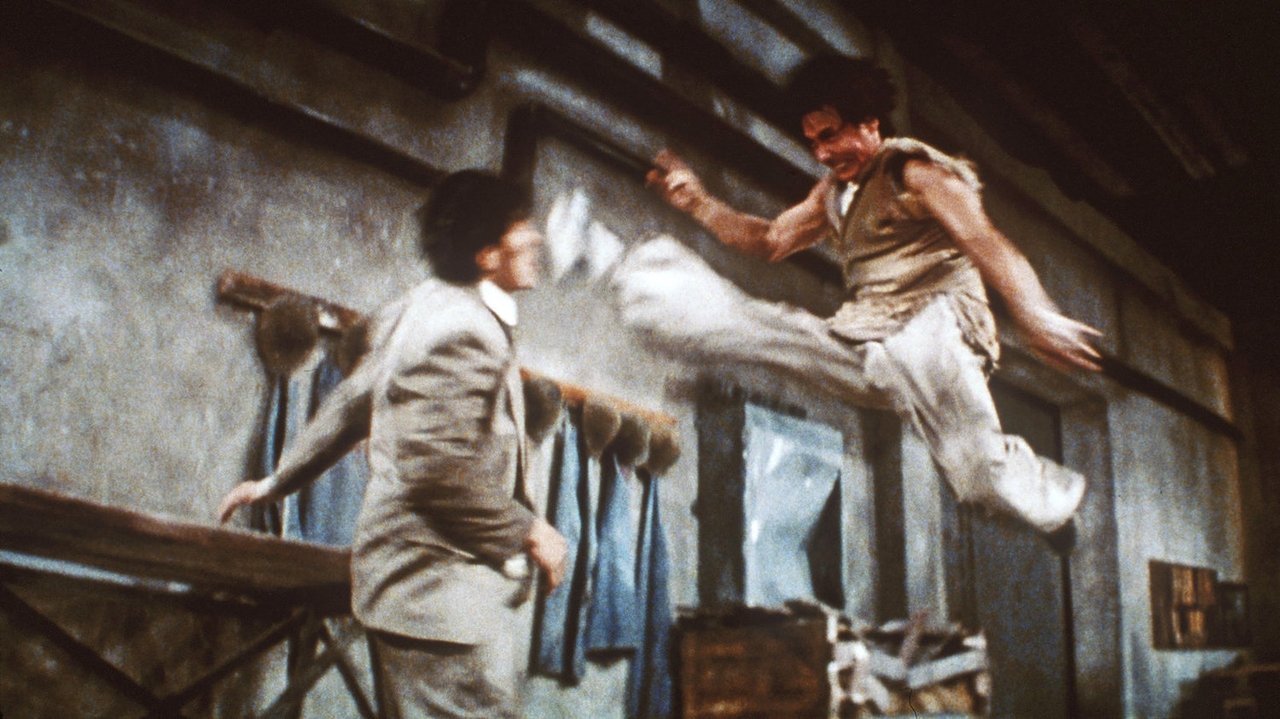
The climax of this film is legendary for a reason. Set in a steel mill, it features Jackie squaring off against his real-life bodyguard, Ken Lo. If you want to see what "effort" looks like on screen, this is it. They reportedly spent four months filming this single sequence. In the era of the "Snyder Cut" and four-hour epics, it’s humbling to realize that seven minutes of screen time took a third of a year to get right.
The fight is a masterstroke of escalation. Ken Lo has legs that seem to operate on hydraulic pumps, and Jackie has to resort to drinking industrial fuel to keep up. It’s industrial-grade masochism masquerading as entertainment. You can see the sweat, the real bruises, and the genuine terror when things go slightly off-script. It highlights a period where the "wow" factor came from wondering how the hell did they do that? rather than how much did that CGI cost?
There was a lot of friction behind the scenes, too. Original director Lau Kar-Leung (the man behind the classic 36th Chamber of Shaolin) wanted a more traditional, grounded martial arts style. Jackie wanted the frantic, acrobatic "modern" style he was famous for. Eventually, Lau left, and Jackie directed the final fight himself. You can almost feel that creative tension on screen—the movie honors the old-school Shaw Brothers tradition while simultaneously kicking it into a new gear.
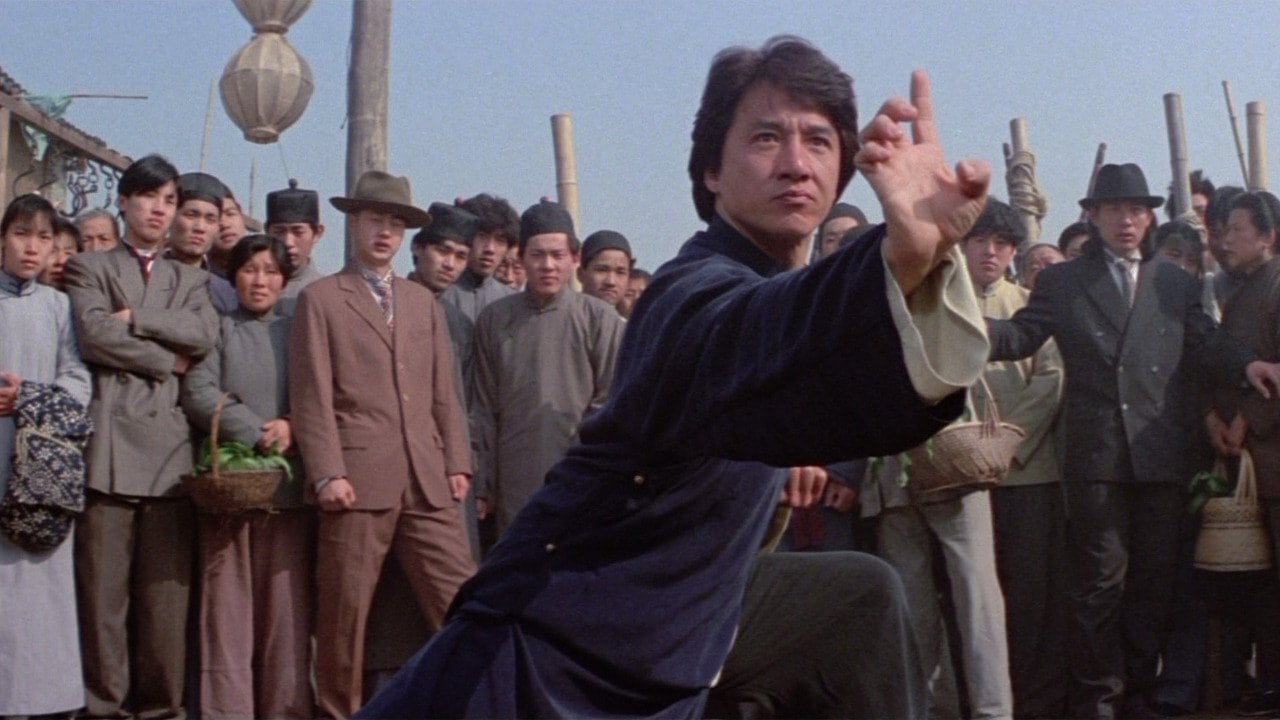
This is a "holy grail" film for anyone who thinks action movies have become too reliant on shaky cameras and digital doubles. It’s a hilarious, high-energy artifact from a time when the biggest special effect in cinema was a human being with no fear of gravity. If you’ve only seen Jackie Chan in the Rush Hour sequels, you owe it to yourself to see him at his absolute physical peak. Just keep an eye on your tea while you watch.
The Final Sip
The Legend of Drunken Master is the rare sequel that completely eclipses the original. It’s a perfect entry point for those curious about Hong Kong cinema, offering a blend of slapstick humor and jaw-dropping athleticism that hasn't aged a day since 1994. It’s a reminder that sometimes, the best way to move forward is to take a giant, staggering step sideways. Seek it out, grab a drink (maybe not industrial alcohol), and enjoy the show.
Keep Exploring...
-
Drunken Master
1978
-
Rumble in the Bronx
1995
-
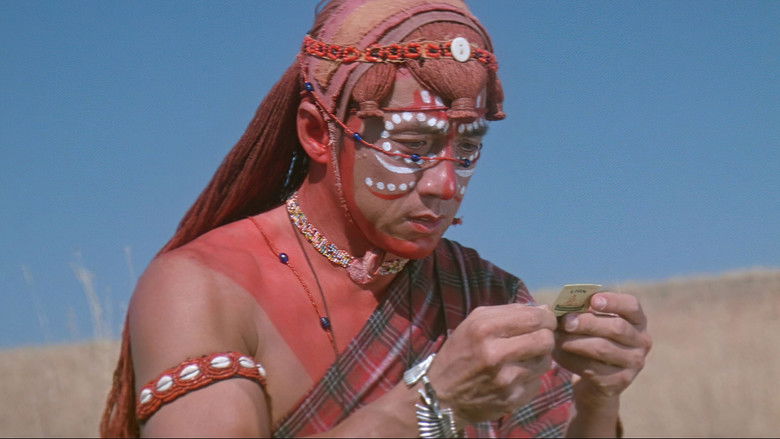
Who Am I?
1998
-
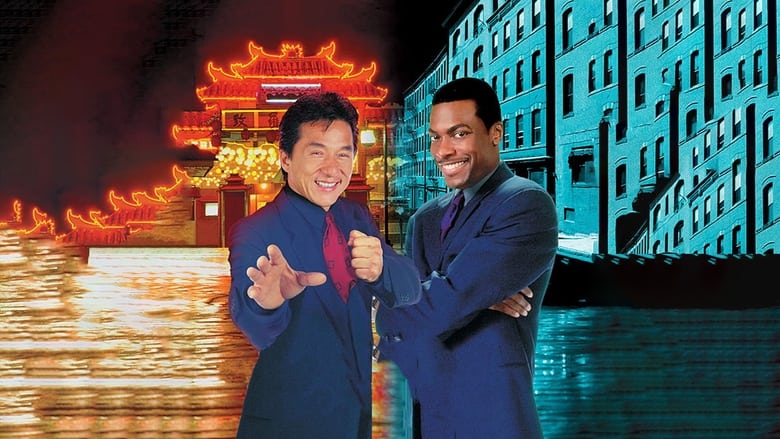
Rush Hour
1998
-
Grosse Pointe Blank
1997
-
Maverick
1994
-
Team America: World Police
2004
-
Jackass Number Two
2006
-
OSS 117: Cairo, Nest of Spies
2006
-
Smokin' Aces
2006
-
Shoot 'Em Up
2007
-
OSS 117: Lost in Rio
2009
-
The Guard
2011
-
Rush Hour 2
2001
-
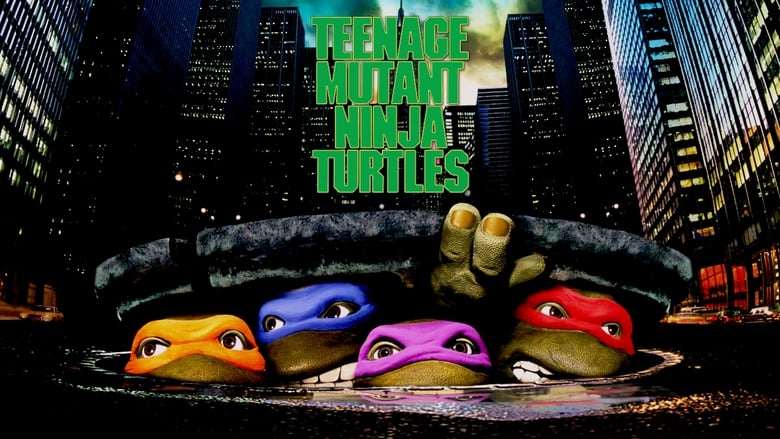
Teenage Mutant Ninja Turtles
1990
-
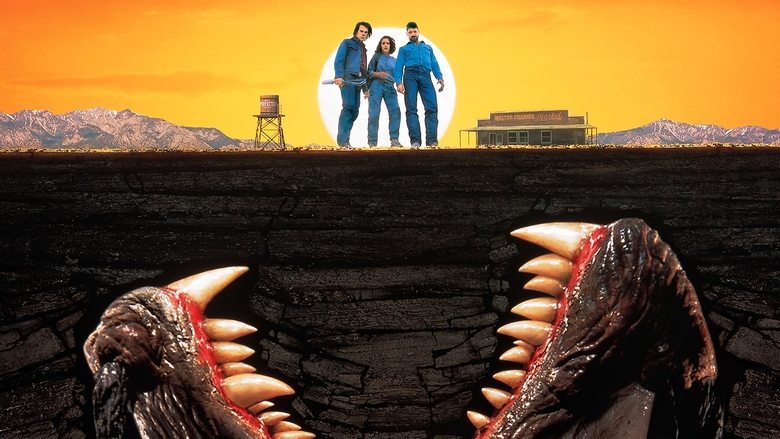
Tremors
1990
-

Hot Shots!
1991
-
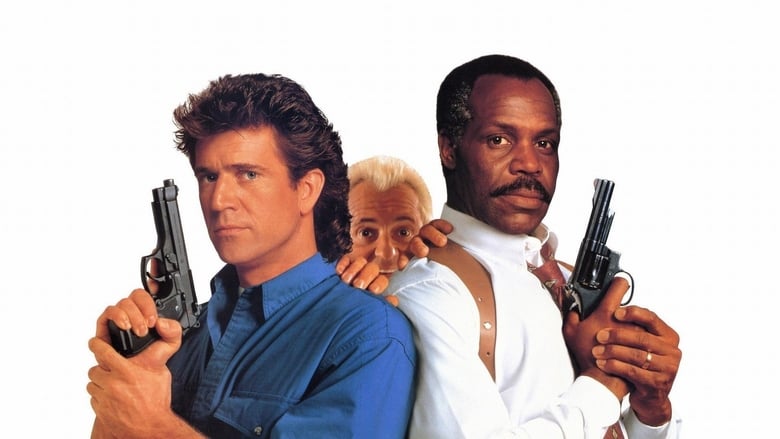
Lethal Weapon 3
1992
-

Hot Shots! Part Deux
1993
-
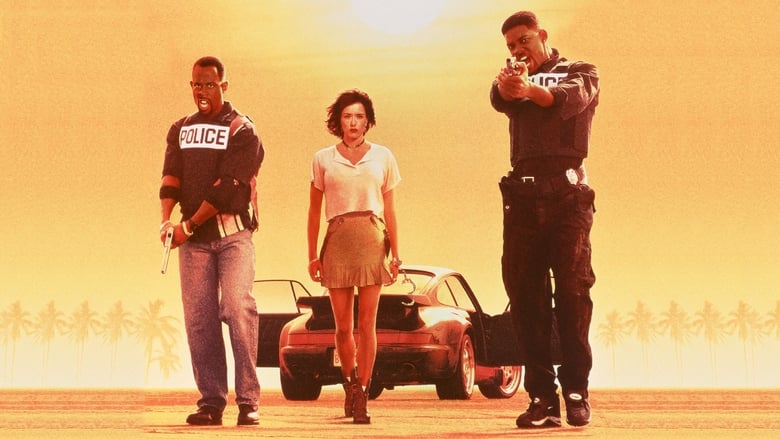
Bad Boys
1995