The Little Rascals
"Love stinks. Go-karts don't."
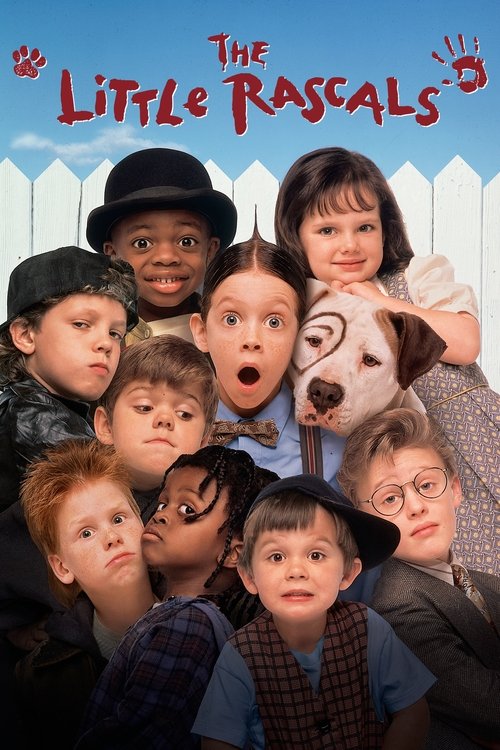
Most directors who make their name filming the gritty, beer-soaked underground punk scene of Los Angeles don’t usually transition into directing toddlers in oversized bowties. Yet, that is exactly where Penelope Spheeris found herself in 1994. Fresh off the massive success of Wayne’s World, Spheeris took the reins of a property that was already ancient history by the time the nineties rolled around: Hal Roach’s Our Gang shorts from the 1920s and 30s.
I watched this most recent screening while trying to assemble a very difficult LEGO set—one of those ones with way too many grey pieces—and I realized that The Little Rascals operates on a similar logic. It’s a collection of simple, brightly colored parts that shouldn't necessarily form a coherent narrative, but once they click together, the result is surprisingly sturdy and undeniably charming.
The Punk Director and the Pre-Schoolers
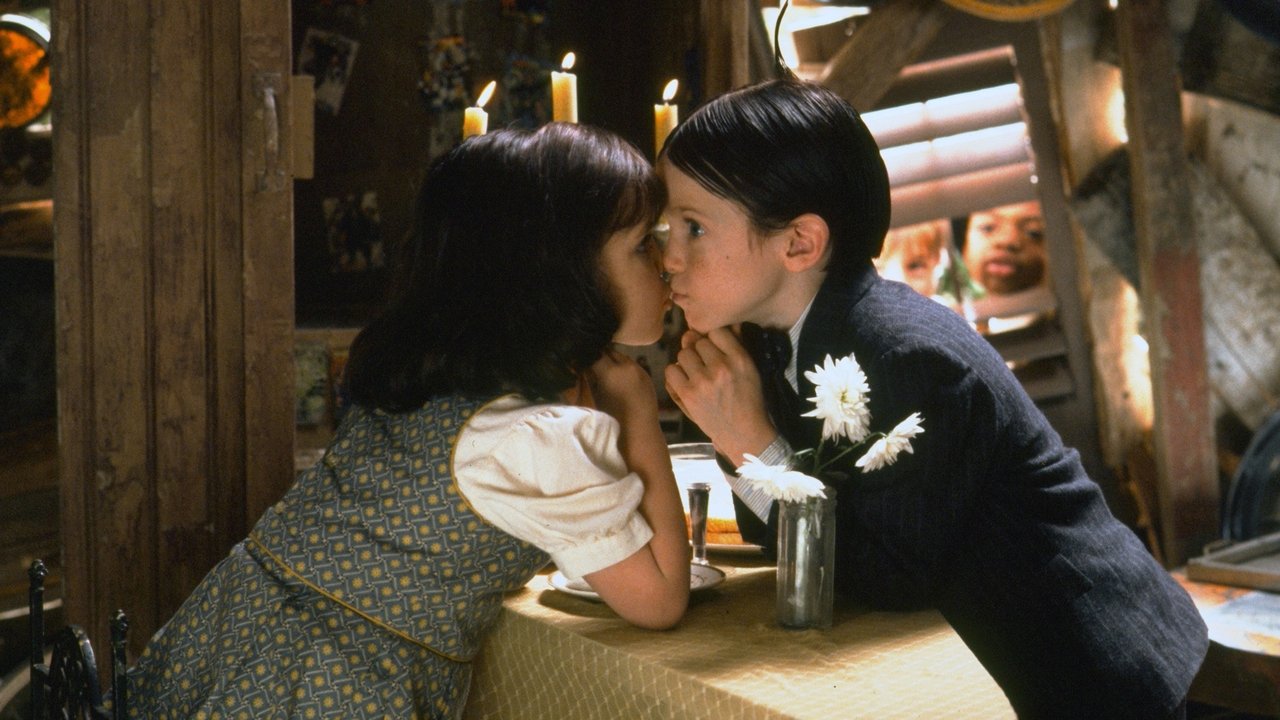
What’s fascinating about looking back at this film is the sheer ambition of its "recent-past" aesthetics. In an era where CGI was beginning to take over (think Jurassic Park just a year prior), The Little Rascals is a triumph of practical, tactile production design. Everything in the Rascals' world feels hand-built. The clubhouse is a sprawling, OSHA-defying masterpiece of scrap wood and rope pulleys that looks like it was designed by a kid with a fever dream and a hammer.
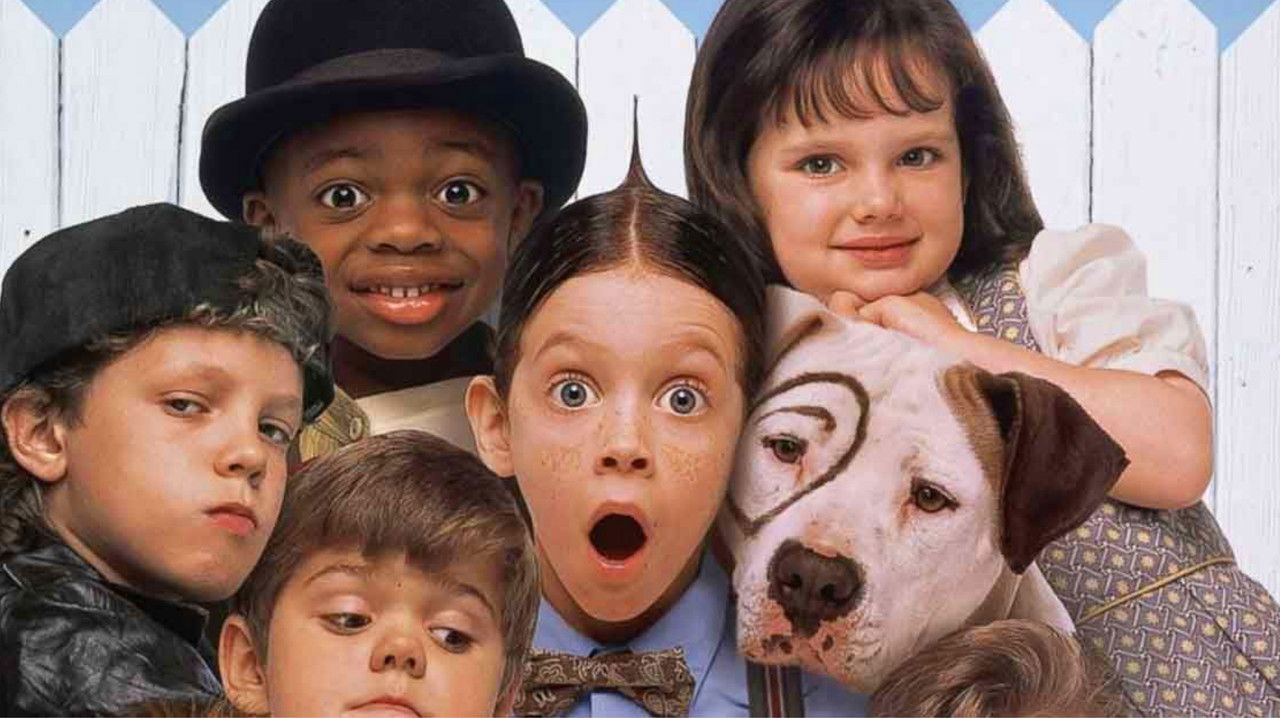
Spheeris brings a specific energy to the comedy that feels distinct from the typical 90s family fare. While films like Home Alone relied on slapstick violence, this movie leans heavily into the absurdity of children acting like mini-adults. Bug Hall is perfectly cast as Alfalfa, possessing a singing voice that is intentionally, hilariously strained and a cowlick that deserves its own SAG card. His chemistry with Brittany Ashton Holmes (Darla) captures that specific brand of elementary school "romance" that consists mostly of shared sandwiches and intense blushing.
The script, co-written by Spheeris and Stephen Mazur, manages to translate the vaudevillian timing of the original shorts into a 90s context without losing the soul of the source material. It doesn't try to make the kids "cool" or "edgy" in a way that would have dated the film immediately. Instead, it leans into the timelessness of being nine years old and thinking that a "He-Man-Woman-Hating Club" is a viable socio-political organization.
Clubhouse Politics and Cardboard Go-Karts
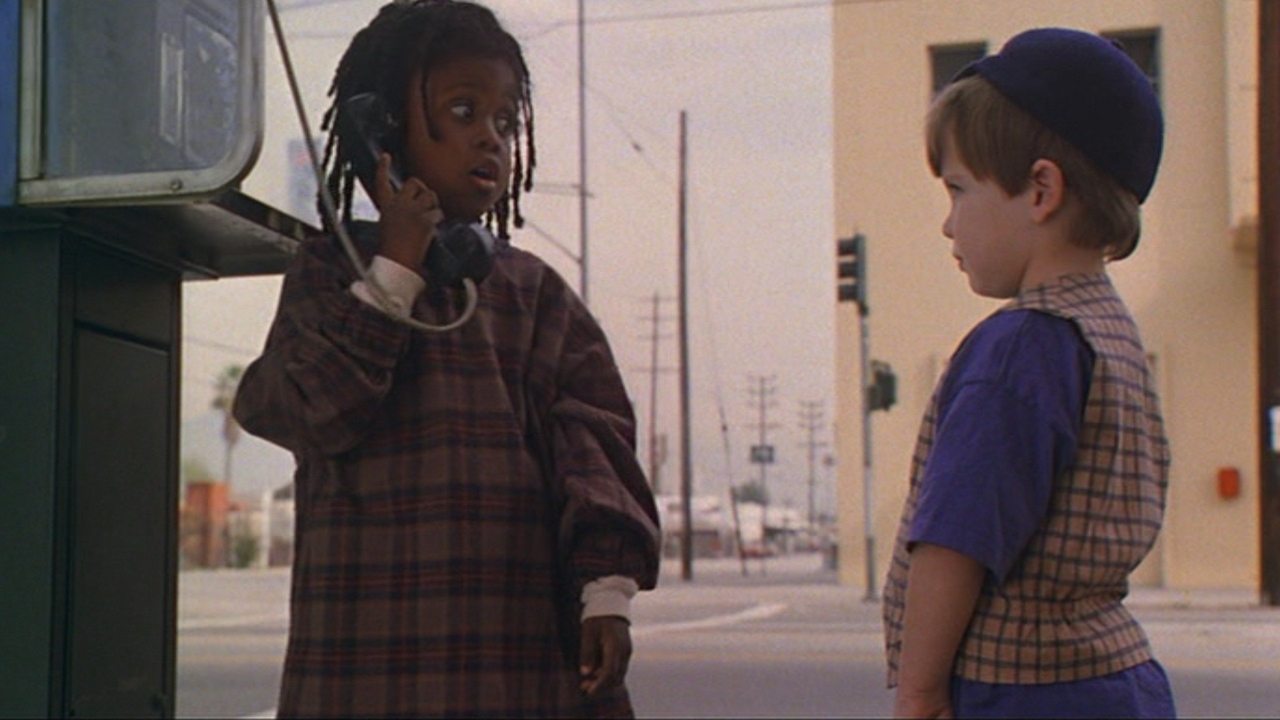
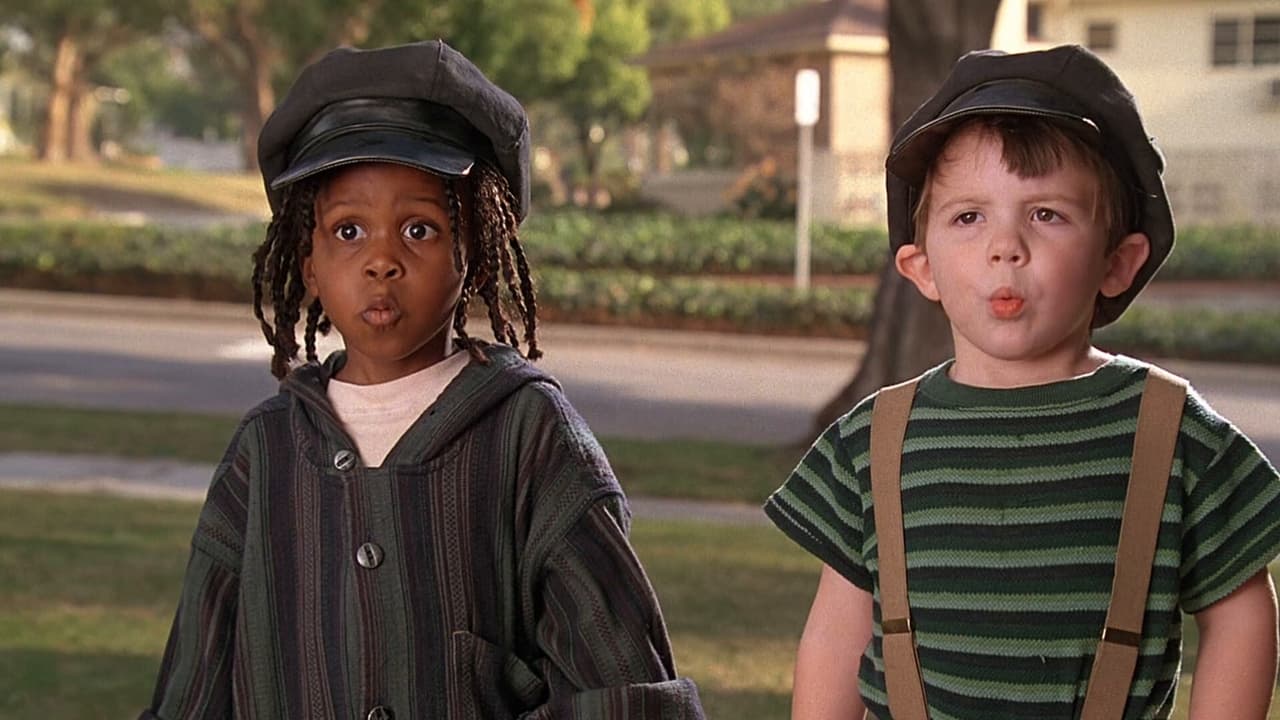
The plot is essentially a heist movie where the "score" is a trophy for a go-kart race, and the "adversaries" are girls and a pair of neighborhood bullies who look like they stepped out of a 1950s greaser film. Travis Tedford plays Spanky with a weary, middle-manager energy that provides the perfect foil to Alfalfa’s lovestruck distractions. The supporting cast—Kevin Jamal Woods as Stymie, Jordan Warkol as Froggy (with that iconic, gravelly croak), and Zachary Mabry as Porky—feel like they were plucked straight out of a time machine.
There is a sequence in the middle involving a fire at the clubhouse that highlights the film's commitment to visual gags. It’s a chaotic, Rube Goldberg-style disaster that showcases Spheeris’s ability to manage a frame filled with moving parts (and moving toddlers). The final go-kart race is basically Mad Max: Fury Road for people who still have their baby teeth, featuring a DIY vehicle called the "Blur-2" that looks like it was built from the discarded dreams of a junkyard dog. It’s fast-paced, cleverly edited, and genuinely exciting in a way that modern green-screen action often fails to be.
A Cameo-Filled Time Capsule
One of the weirdest joys of revisiting this film is spotting the 1994-era cameos that fly by. You’ve got Reba McEntire as a race car driver, Whoopi Goldberg as Buckwheat’s mom, and even a pre-political Donald Trump as Waldo’s dad. It serves as a bizarre time capsule of who Universal Pictures thought was relevant at the time. Yet, the film never stops being about the kids. Even when the jokes lean toward the "too-cute" side, the sheer commitment of the young actors keeps it grounded.
Looking back, The Little Rascals occupies a strange space in the 90s canon. It’s a remake of a 70-year-old property that managed to find a massive audience (grossing over $67 million) simply by trusting that kids being kids is a universal comedy language. It doesn't have the cynical edge that would come to define family comedies in the 2000s, nor does it have the polished, digital sheen of today’s blockbusters. It feels like a movie made by people who actually liked the original shorts and wanted to see if they could make a dog with a ring around its eye funny for a new generation.
Apparently, the production was a massive undertaking, with the crew seeing over 5,000 kids before finding the core cast. That effort shows on screen. The "Little Rascals Collection" might be a niche corner of film history now, but this 1994 outing remains a bright, noisy, and genuinely sweet example of how to do a reboot right. It’s a film that understands that the most important thing in a kid’s world isn't logic—it’s the quality of your clubhouse and the speed of your go-kart.
Ultimately, The Little Rascals succeeds because it refuses to grow up. It’s a 82-minute sugar rush that captures the frantic, imaginative, and occasionally exclusionary energy of childhood. While some of the humor is rooted firmly in its era, the central conflict of "friends vs. feelings" is as old as time itself. It’s the kind of movie that makes you want to go outside and build something entirely unsafe out of a cardboard box and some old roller skates.
Keep Exploring...
-
A Goofy Movie
1995
-
First Daughter
2004
-
Aquamarine
2006
-
Hercules
1997
-
It Takes Two
1995
-
DuckTales: The Movie - Treasure of the Lost Lamp
1990
-
Teenage Mutant Ninja Turtles II: The Secret of the Ooze
1991
-
Homeward Bound: The Incredible Journey
1993
-
The Sandlot
1993
-

The Swan Princess
1994
-
Major Payne
1995
-

Mallrats
1995
-
Geri's Game
1997
-
Grosse Pointe Blank
1997
-
EverAfter
1998
-
Out of Sight
1998
-

Practical Magic
1998
-
Blast from the Past
1999
-
Never Been Kissed
1999
-
Freaky Friday
2003