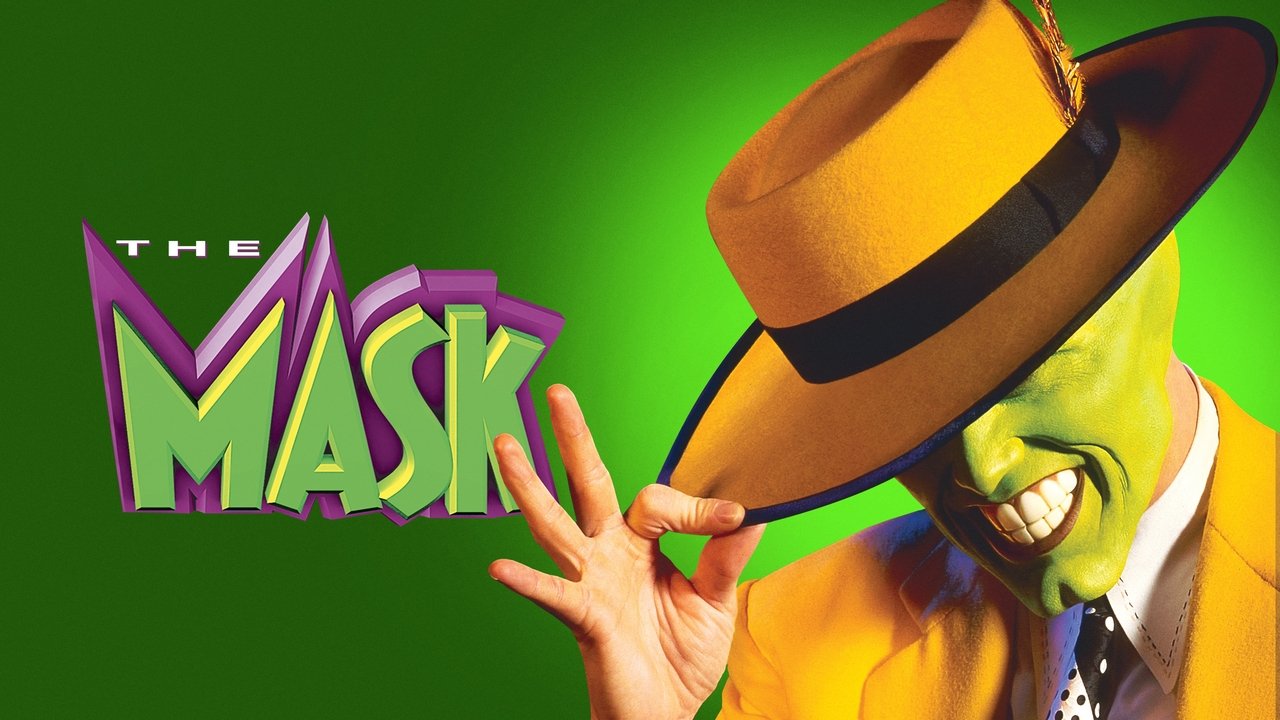
The Mask
"Unleash your inner wild child, P-A-R-T-Y? Because I gotta!"
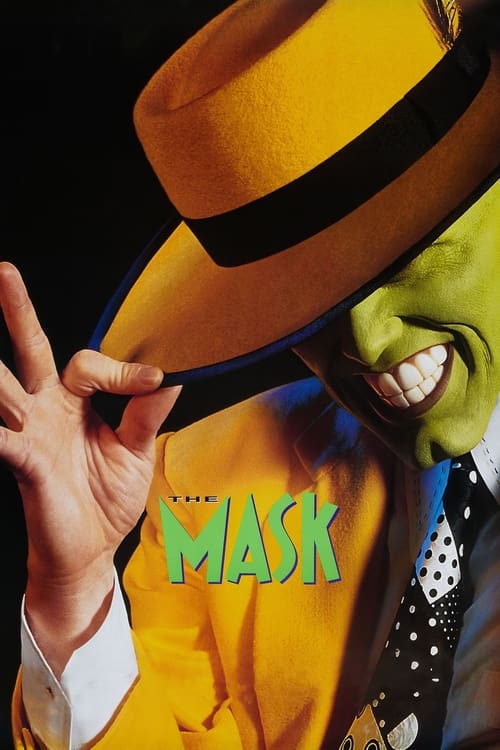
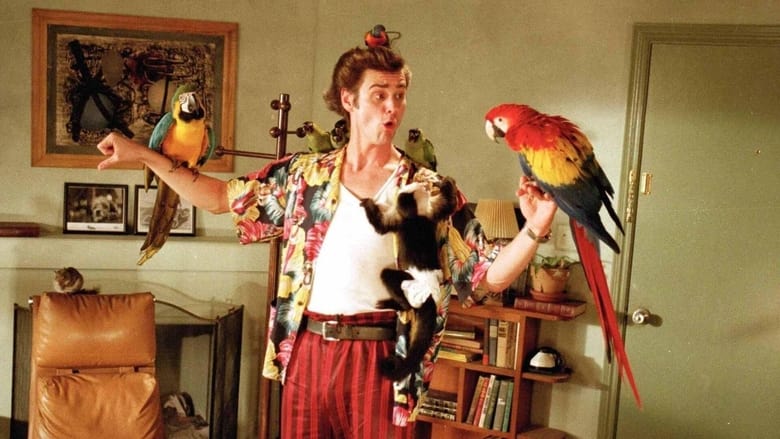
In the pantheon of Hollywood "arrival" moments, 1994 belongs entirely to one man with a jaw made of Silly Putty. I don't think we talk enough about the sheer statistical impossibility of Jim Carrey’s 1994. Within twelve months, he released Ace Ventura: Pet Detective, The Mask, and Dumb and Dumber. It wasn't just a career launch; it was a hostile takeover of the American subconscious. I watched this most recently on a Tuesday night while eating slightly burnt popcorn that I refused to throw away, and honestly, the carbon-heavy crunch matched the film’s jagged, manic energy perfectly.
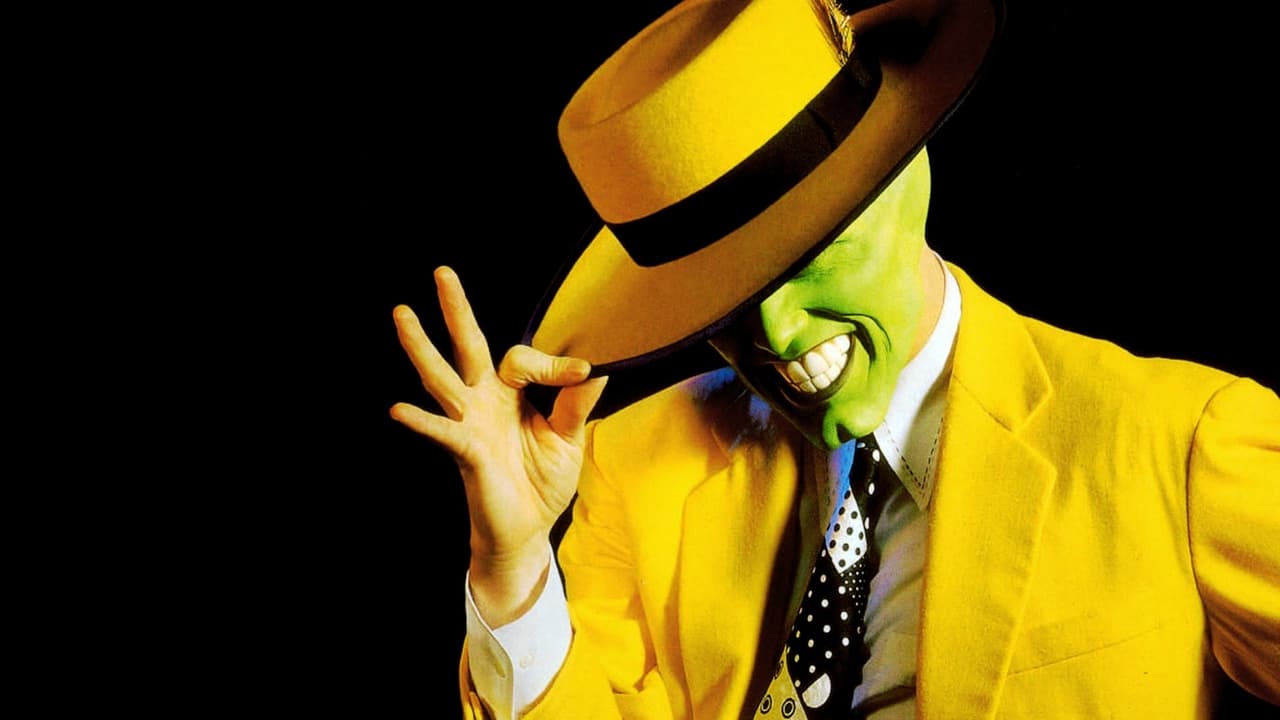
While Ace Ventura proved Carrey was a live-wire, The Mask was the film that proved he was a movie star who could anchor a massive, effects-heavy blockbuster. Looking back at it now, three decades into the digital revolution, the film stands as a fascinating bridge between the era of practical slapstick and the dawn of the CGI age.
The Rubber Face Meets the Digital Age
The premise is deceptively simple: Stanley Ipkiss (Jim Carrey) is a "nice guy" who finishes last until he finds a wooden mask imbued with the spirit of Loki. When he puts it on, he becomes a living, breathing Looney Tune. What makes this work isn't just the tech—it’s the collaboration between Carrey and the wizards at Industrial Light & Magic (ILM).
At the time, the CGI was revolutionary. Coming off the high of Jurassic Park, ILM was looking for new ways to stretch reality. But here’s the thing: Jim Carrey saved the production millions of dollars because his natural facial contortions were so extreme that the animators didn't have to work as hard as they expected. His movements were so fluid and "cartoonish" in real life that the digital overlays felt like an extension of his performance rather than a replacement for it.
I’ve always felt that The Mask is secretly a better superhero origin story than half of the modern MCU because it understands the fundamental psychological appeal of the genre: the mask doesn't change who you are; it lets out the version of you that society tells you to suppress. For Stanley, that’s a zoot-suited, jazz-loving romantic who isn't afraid to make a fool of himself.
The Red Dress and the Canine Sidekick
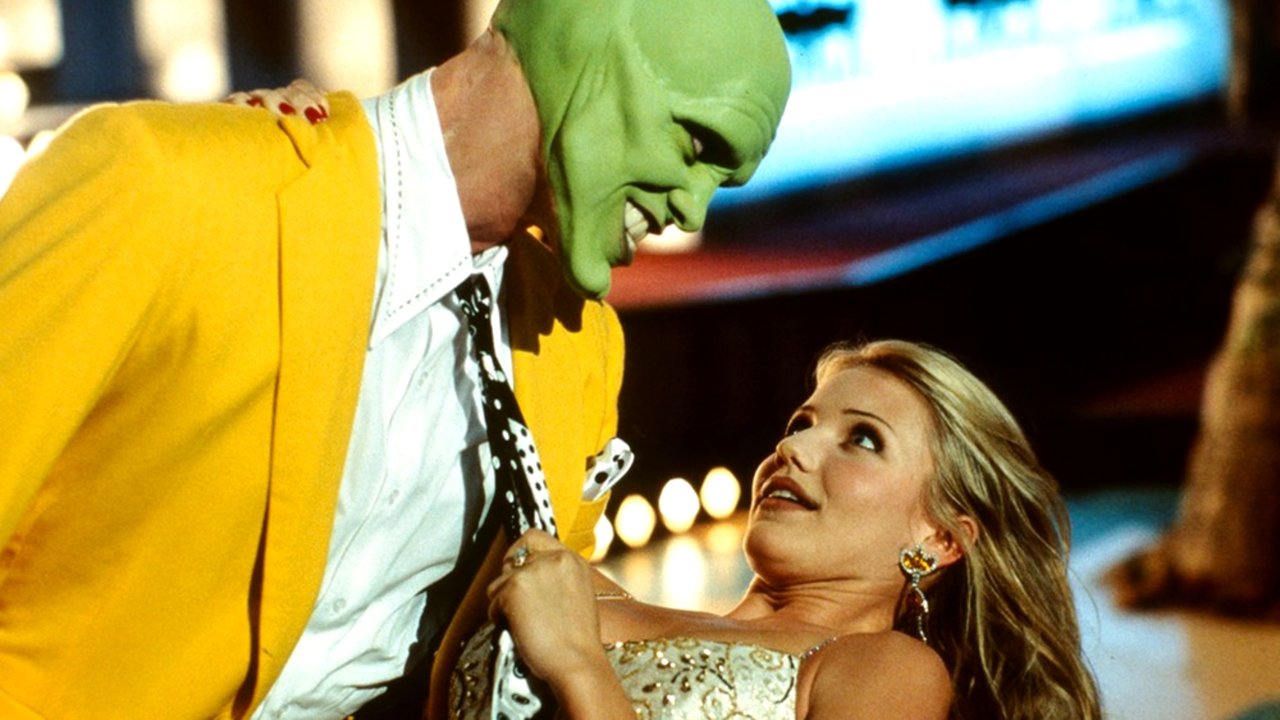
We also have to talk about the debut of Cameron Diaz as Tina Carlyle. It is arguably the most impactful "star is born" entrance of the 90s. When she walks into that bank in the soaking rain, the movie stops breathing for a second. It’s a role that could have been a one-dimensional "damsel," but Diaz brings a surprising warmth to Tina that makes you actually care if she and the dorky Stanley end up together.
Then there’s the supporting cast, who mostly serve as the "straight men" to Carrey’s chaos. Peter Riegert is wonderfully dry as Lt. Kellaway, playing the exhausted detective role with a "done with this" energy that provides a necessary groundedness. And, of course, there is Milo. The Jack Russell Terrier who plays Milo is the true emotional anchor of this entire franchise, and his eventual transformation into a mask-wearing pup remains a practical-meets-digital triumph that still gets a laugh out of me.
The film's aesthetic is this weirdly charming "Neon Noir." It feels like the 1940s collided with a 1994 rave. The Coco Bongo Club scenes, with their lush greens and deep reds, feel like they belong in a much darker movie, which makes sense given that the original Dark Horse comics were incredibly violent and gory. Director Chuck Russell wisely pivoted toward a family-friendly "living cartoon" vibe, but he kept that moody, atmospheric lighting that gives the movie a texture many modern comedies lack.
A Relic That Still Ssssmokes
Does it hold up? Surprisingly well. While the 1994-era CGI for the "landshark" scene or the giant alarm clock looks a bit dated in the era of 4K hyper-realism, it doesn't matter. Because the film is intentionally stylized as a cartoon, the "rubberiness" of the effects feels like a feature, not a bug. It’s a snapshot of a time when Hollywood was still experimenting with what computers could do, and there’s a tactile, messy joy in it.
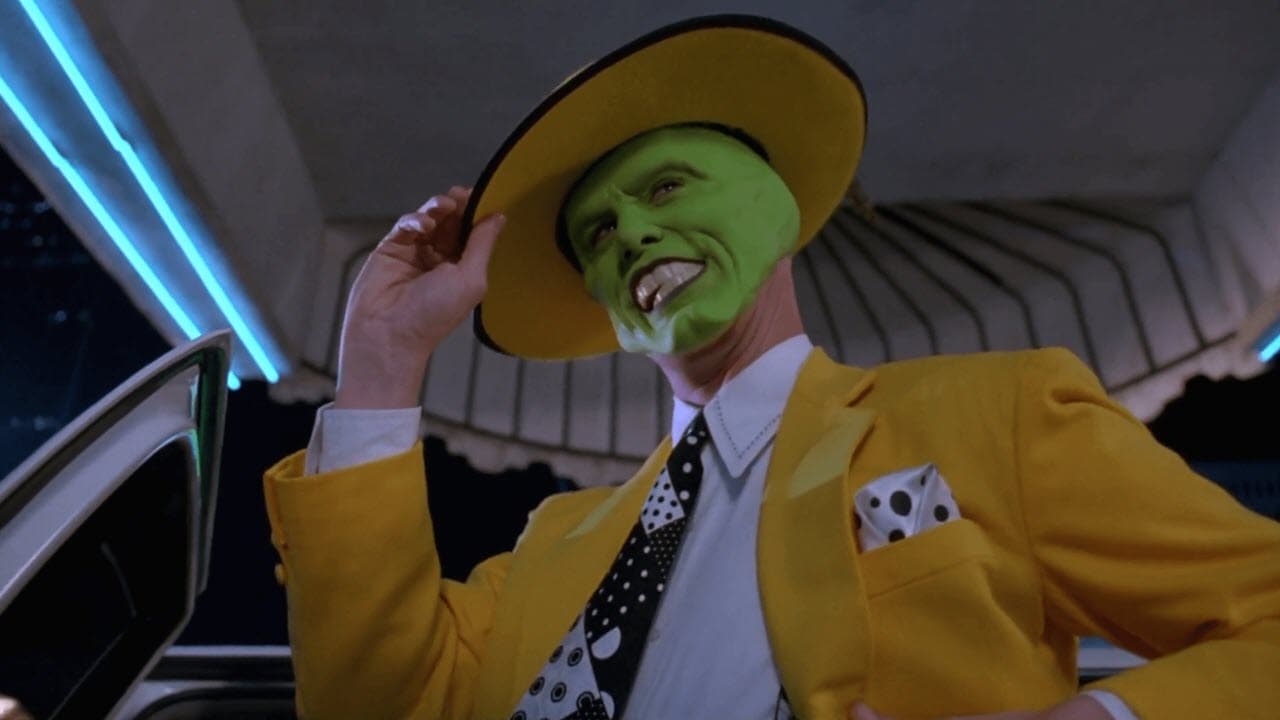
The soundtrack, too, is a total time capsule. We were in the middle of a swing-revival craze, and the "Cuban Pete" musical number is still a masterclass in comedic choreography. I defy anyone to watch that scene without getting the rhythm stuck in their head for at least three business days. It’s also a reminder that the 90s were a lawless wasteland where a bank employee could lead an entire police force in a rumba line, and we all just accepted it as peak cinema.
Looking back, The Mask represents a specific moment in pop culture where the "Star Vehicle" was at its absolute peak. This movie exists because one man’s charisma was powerful enough to justify a $23 million budget for a film about a green-faced prankster. It’s a reminder that before franchises were the stars, the faces on the posters were.
The Mask is a high-octane blast of pure 90s adrenaline that manages to be both a technical landmark and a genuinely funny character study. It’s the film that took Jim Carrey from a "guy on a sketch show" to a global icon, and it remains the gold standard for how to translate cartoon logic into a live-action world. If you haven't revisited Edge City in a while, it's time to put the mask back on. Just maybe avoid the green face paint if you have work the next morning.

Keep Exploring...
-
Ace Ventura: When Nature Calls
1995
-
Freaky Friday
2003
-
Midnight in Paris
2011
-
Pretty Woman
1990
-
Groundhog Day
1993
-
Out of Sight
1998
-

Kung Fu Hustle
2004
-
Shrek 2
2004
-

Bruce Almighty
2003
-
Horton Hears a Who!
2008
-
Hercules
1997
-

Practical Magic
1998
-
Another 48 Hrs.
1990
-
Bird on a Wire
1990
-
Lethal Weapon 3
1992
-
The Three Musketeers
1993
-
Ace Ventura: Pet Detective
1994
-
The Santa Clause
1994
-

Babe
1995
-
Bad Boys
1995