The Postman
"Metaphors are for those who need them."
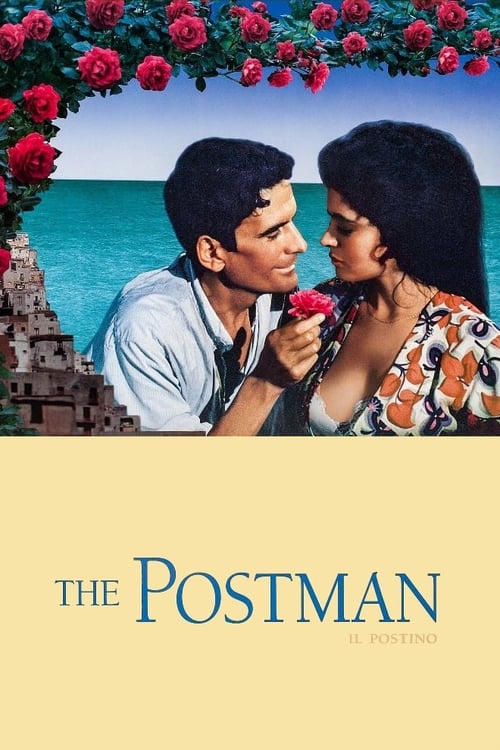
I first watched The Postman (or Il Postino) on a humid Tuesday evening while nursing a lukewarm Peroni and trying to ignore the fact that my radiator was making a sound like a trapped ghost. There’s something about the film’s sun-drenched, salt-sprayed Italian coastline that makes a cramped apartment feel even smaller, yet somehow more hopeful. It’s a movie that asks a very simple, very 90s-indie question: Can art actually change a "nobody"?
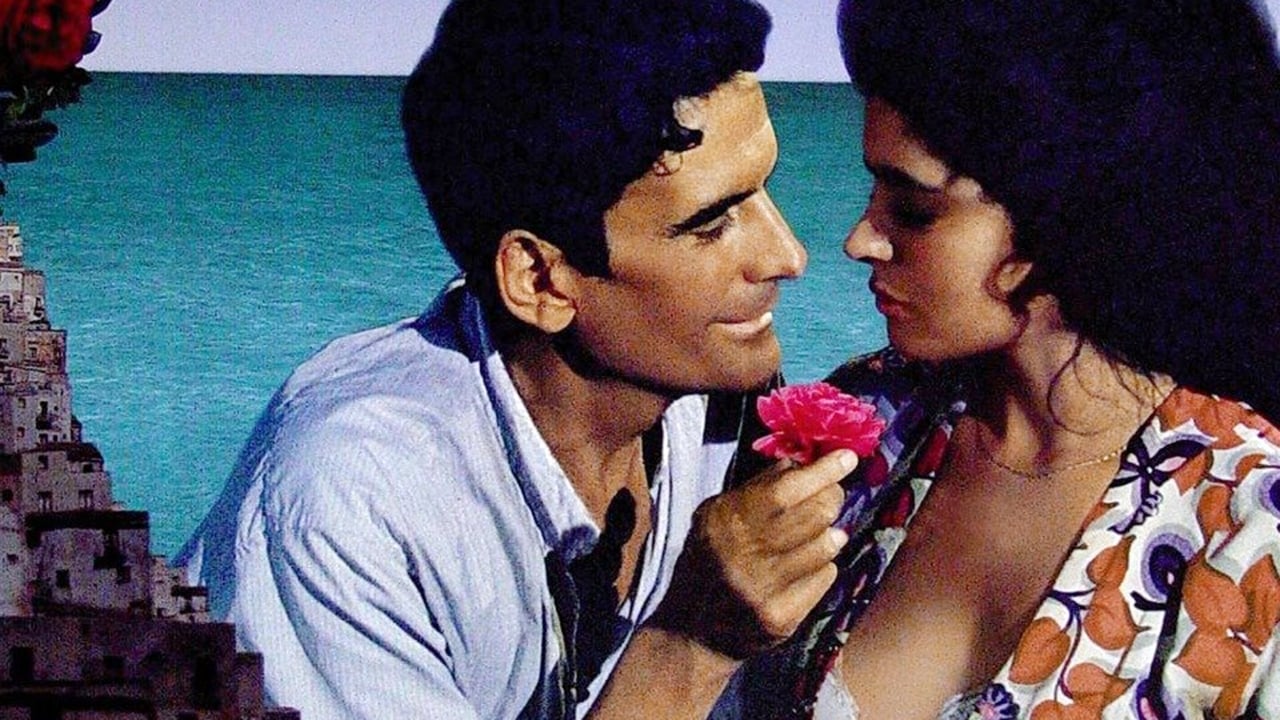
Looking back, 1994 was a weirdly seismic year for cinema. We had the high-octane birth of the modern blockbuster with Speed and the cynical explosion of indie-cool with Pulp Fiction. Amidst all that noise, this quiet, Italian-language drama about a shy mailman and a communist poet somehow became a global phenomenon. It eventually raked in over $30 million on a tiny budget and snagged a Best Picture nomination—a feat that felt like a glitch in the Hollywood matrix before the era of "Oscar bait" became a standardized science.
The Man Who Was Running Out of Time
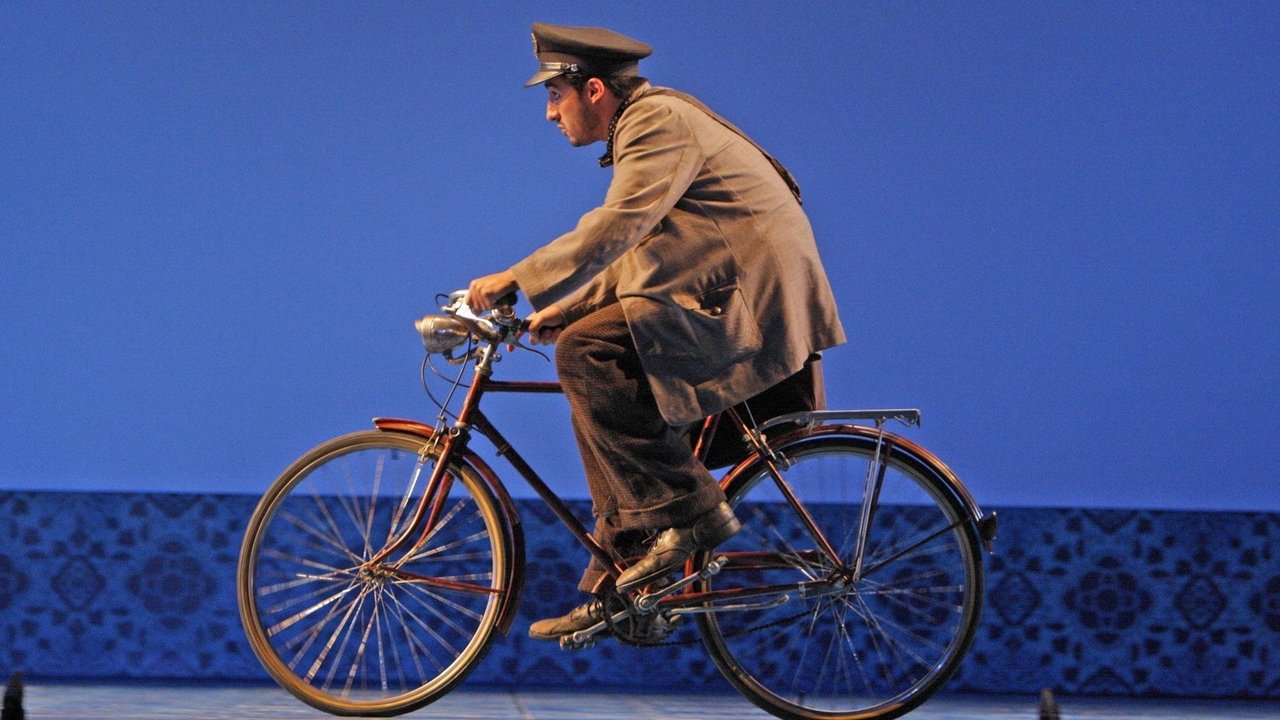
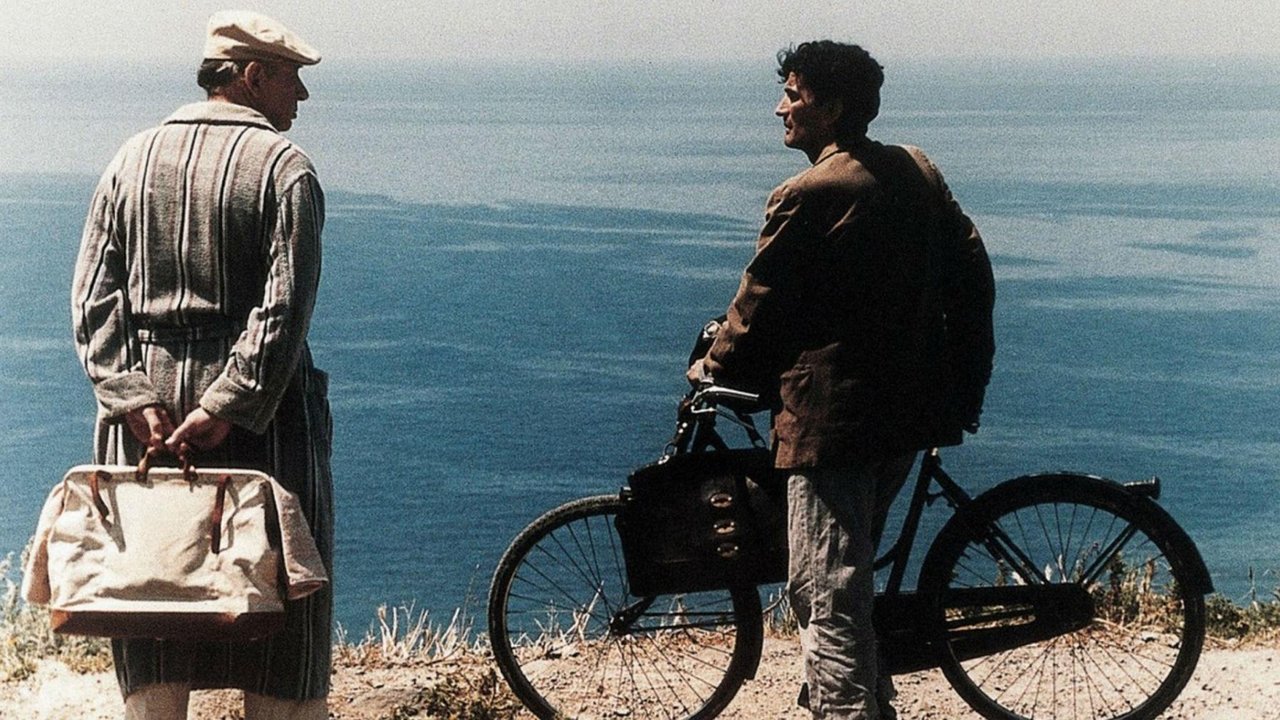
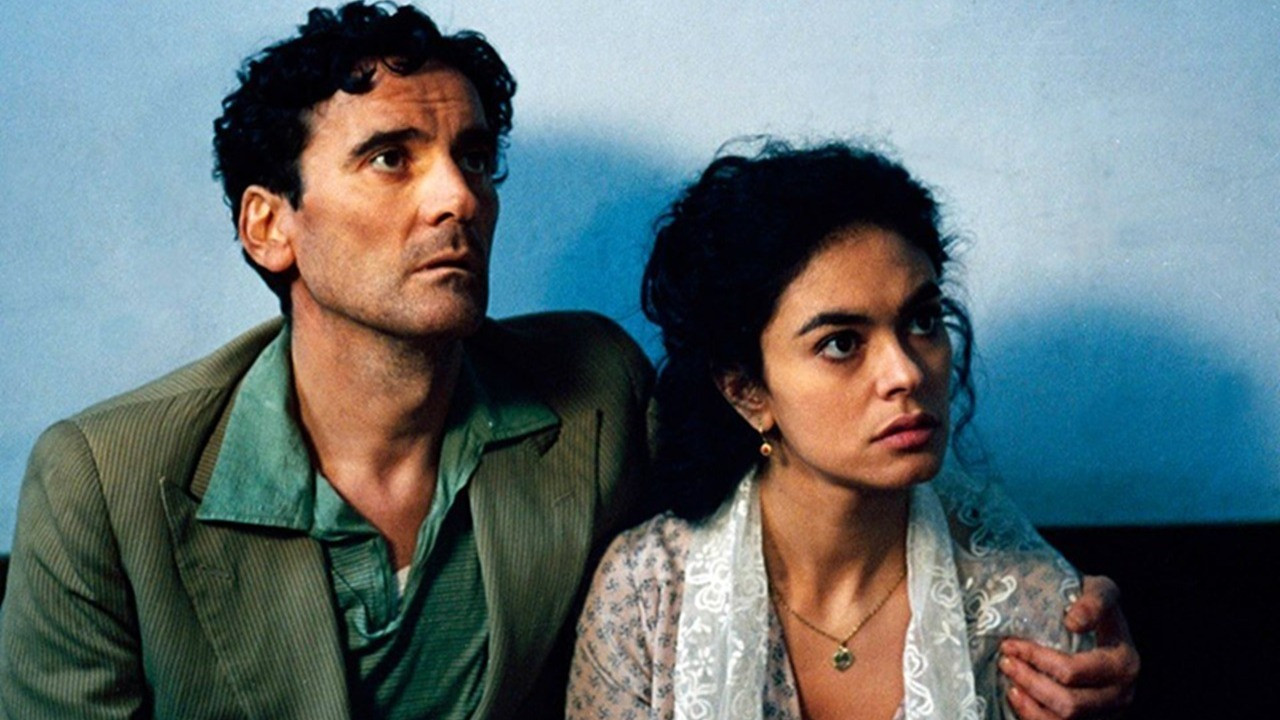
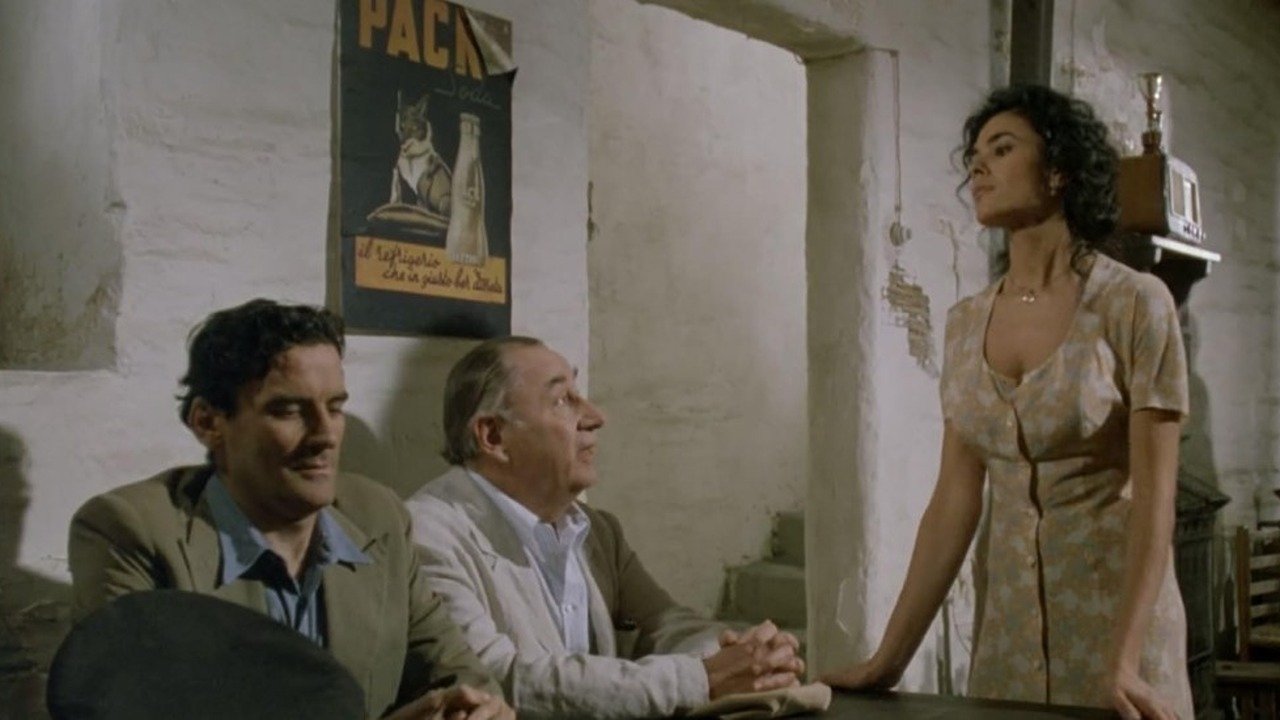
The heart of the film is Massimo Troisi as Mario Ruoppolo. Mario isn’t a hero; he’s a man with a slow bicycle and an even slower social life. When the world-famous poet Pablo Neruda (Philippe Noiret, whom you might recognize as the projectionist from Cinema Paradiso) is exiled to Mario's island, a strange friendship blooms.
There is a profound, almost uncomfortable vulnerability in Massimo Troisi’s performance. If he looks exhausted, it’s because he was. Troisi famously postponed a life-saving heart transplant to finish the film, often only able to shoot for an hour or two a day. He died just twelve hours after the cameras stopped rolling. Knowing that gives every frame a haunting, philosophical weight. When Mario asks Neruda about metaphors, it doesn't feel like a scripted line; it feels like a man desperately trying to understand the beauty of a world he’s about to leave. His face is a map of human longing, and honestly, I'd watch him read a grocery list for two hours.
The Philosophy of the Ordinary
The film’s "cerebral" edge isn't found in dense academic monologues, but in the way it democratizes poetry. Neruda explains that a metaphor is simply seeing one thing as another—the sky weeping, the sea as a heartbeat. For Mario, this is a revelation. He uses these borrowed words to woo the local beauty, Beatrice, played by a luminous Maria Grazia Cucinotta.
What I find fascinating upon rewatching is how the film handles the "intellectual" vs. the "worker." Usually, cinema treats the working class as either saintly simpletons or grunting caricatures. The Postman treats Mario’s intellect as a dormant volcano. It posits that everyone has a poetic capacity, but not everyone has the vocabulary to unlock it. The scenes of Mario recording the "sounds of the island"—the wind in the bushes, the sadness of the nets—for Neruda are genuinely moving. It’s a meditation on how we perceive our own reality. Is the island just a pile of rocks, or is it a symphony?
The score by Luis Bacalov is the secret weapon here. It’s one of those melodies that feels like it has existed since the dawn of time—a nostalgic, tango-inflected accordion trill that perfectly captures the bittersweet ache of a summer that has to end.
An Indie Miracle in a Miramax World
We have to talk about the context of its success. This was the peak of the "Miramax Era," where Harvey Weinstein was proving that you could market a foreign-language film to suburban Americans if you packaged it as a "prestige experience." While that era has a complicated legacy, The Postman remains the gold standard for that kind of crossover.
The production was a masterclass in independent resourcefulness. Director Michael Radford (who also gave us the bleak 1984) captures the island with a naturalism that avoids "travelogue" clichés. It doesn't look like a postcard; it looks lived-in. The budget was a lean $3 million, yet the film feels richer than most CGI-bloated epics of the late 90s because it invests entirely in the chemistry between its leads. Philippe Noiret plays Neruda with a perfect blend of ego and warmth, acting as the grounded foil to Troisi’s ethereal clumsiness.
One bit of trivia I’ve always loved: the film is based on a novel by Antonio Skármeta, which was actually set in Chile. By moving the story to Italy and setting it in the 1950s, the filmmakers tapped into a specific kind of post-war European melancholy that was a massive hit on the then-burgeoning DVD market. This was a "shelf-stable" movie—the kind people bought to look sophisticated but ended up watching repeatedly because it’s fundamentally a rom-com with a soul.
The Postman is a rare bird. It manages to be intellectually stimulating without being pretentious, and deeply emotional without being manipulative. It’s a film about the power of words to change our station in life, even if the world around us remains static. It reminds me that sometimes, the most revolutionary thing you can do is learn how to describe the sea.
If you haven't seen it, or haven't seen it since the VHS era, give it another look. It’s a testament to Massimo Troisi’s incredible sacrifice and a reminder that cinema, at its best, is just a very big, very beautiful metaphor. Don't worry about the subtitles—the language of longing is pretty universal. Just make sure you have some decent wine on hand; you’re going to want to linger in this world for a while after the credits roll.
Keep Exploring...
-

Chungking Express
1994
-
Buffalo '66
1998
-

Dilwale Dulhania Le Jayenge
1995
-

10 Things I Hate About You
1999
-

Night on Earth
1991
-

Garden State
2004
-

Imagine Me & You
2006
-

The First Time
2012
-
A Dog's Will
2000
-

Moonrise Kingdom
2012
-
Good Bye, Lenin!
2003
-
Before Midnight
2013
-

City Lights
1931
-
The Apartment
1960
-
Annie Hall
1977
-
Before Sunrise
1995
-
Chasing Amy
1997
-
Forrest Gump
1994
-
Jerry Maguire
1996
-
As Good as It Gets
1997