The Return of Jafar
"The budget shrunk, the parrot stayed, the adventure continued."
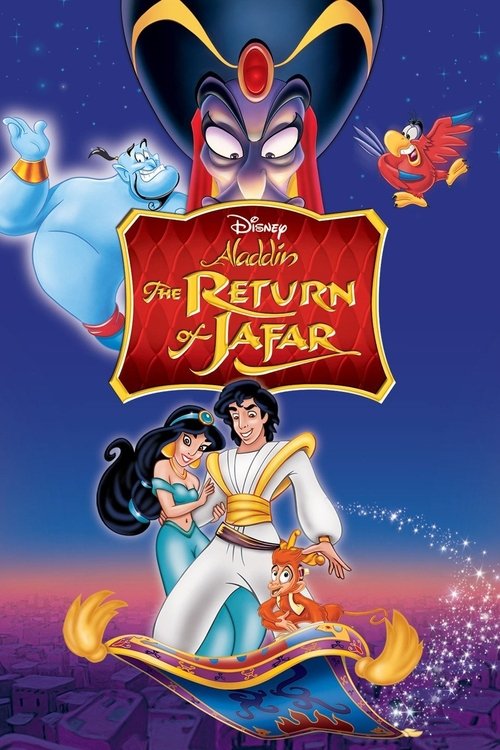
I remember the specific, crinkly sound of a Disney VHS clamshell opening. It was 1994, and The Return of Jafar was the forbidden fruit of the video rental store. As a kid, the idea that a movie didn't have to go to theaters to exist was mind-blowing. I watched my copy while sitting on a beanbag chair eating a bowl of cereal that had gone suspiciously soggy, and even then, at age eight, I could tell something was... different.
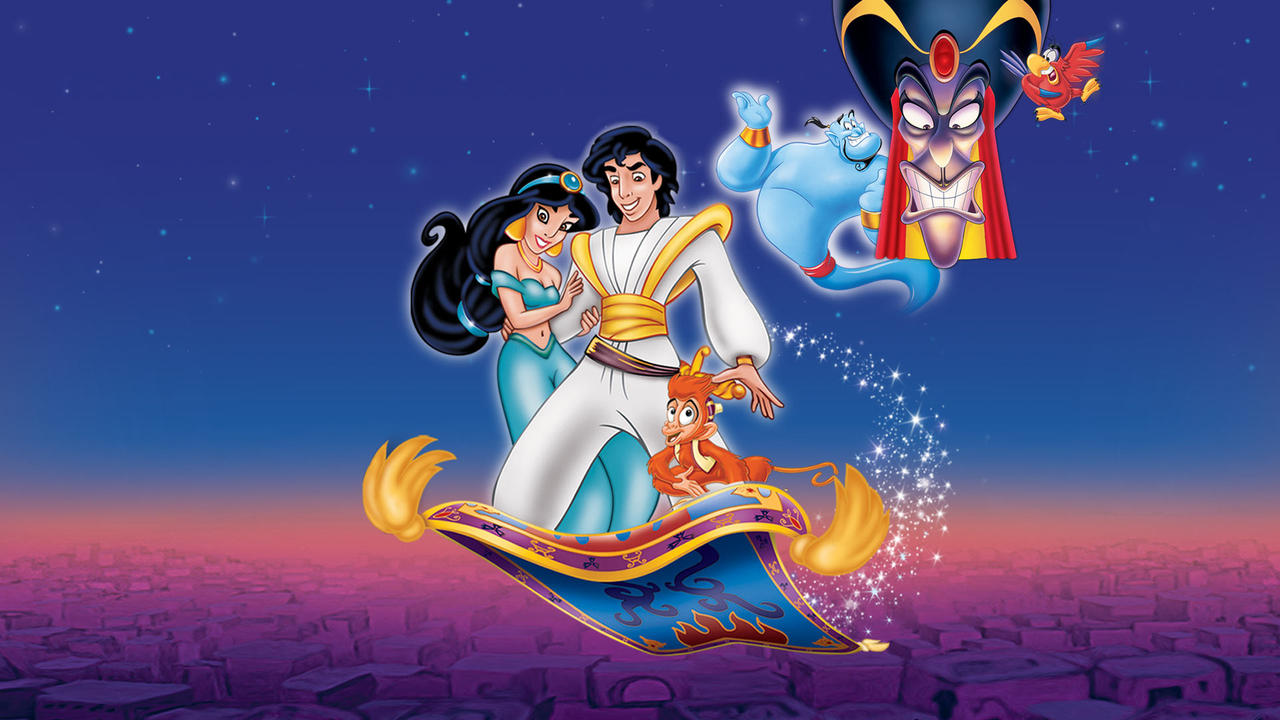
Looking back, The Return of Jafar wasn't just a sequel; it was the Big Bang of the "Direct-to-Video" era. It was Disney realizing they could print money by taking their A-list worlds and giving them a B-movie makeover. It’s an oddity that’s easy to mock, but if you look past the flat colors and the absence of a certain manic comedian, there’s a scrappy, Saturday-morning-cartoon charm that’s hard to stay mad at.
The Budget-Sized Elephant in the Room
Let’s be real: the jump from the 1992 masterpiece Aladdin—directed by John Musker and Ron Clements, who also gave us The Little Mermaid—to this sequel is the cinematic equivalent of trading a Ferrari for a used Honda Civic. The lush, cinematic shadows of Agrabah are replaced by the bright, flat aesthetic of Disney Television Animation. This wasn't meant for the silver screen; it was a pilot for the upcoming TV series stitched together with a $3.5 million budget. To put that in perspective, the original film cost about eight times that.
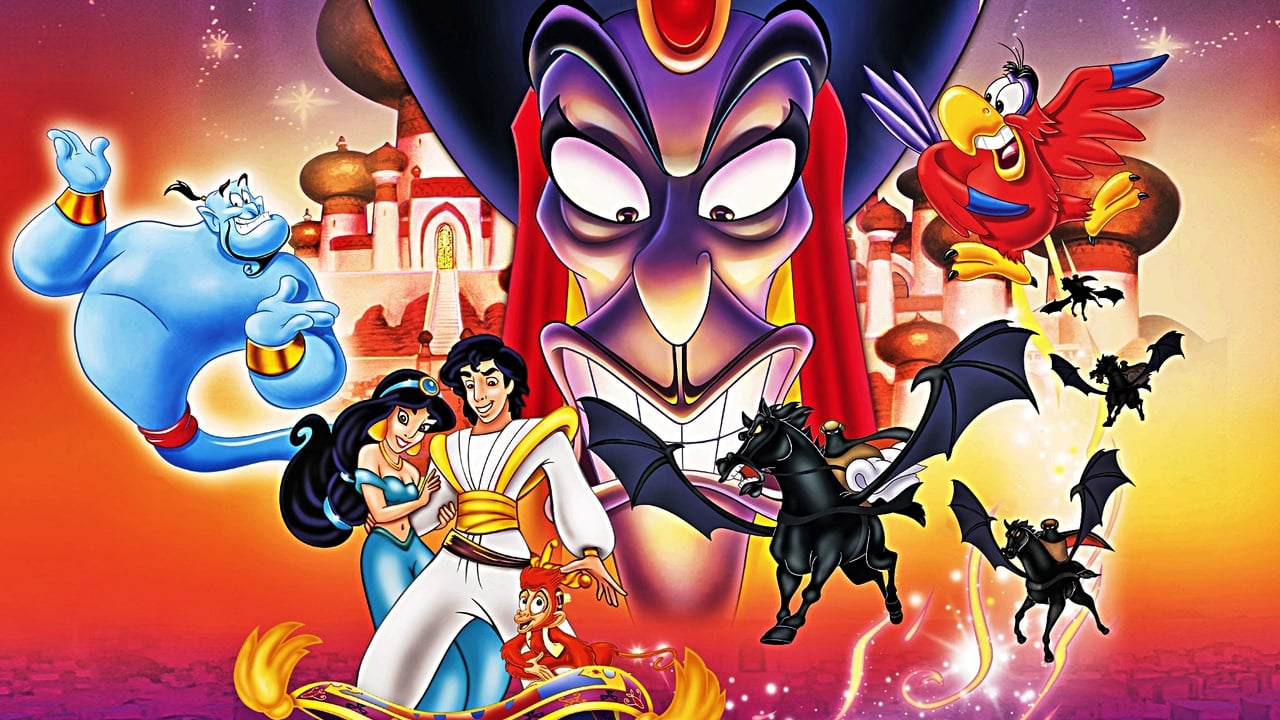
You see it in the backgrounds. The bustling marketplace now looks a bit like a sparsely populated stage play. But there’s a weird ambition here. The story tries to go big. We get winged horses, exploding lava pits, and a Jafar who is now an all-powerful genie with a serious grudge. Jonathan Freeman returns as the voice of Jafar, and honestly, he’s the anchor. He plays the villain with such oily, theatrical relish that you almost forget he’s being drawn with about half the usual number of frames per second.
The Redemption of a Loudmouth Bird
The biggest shock of The Return of Jafar isn't the magic; it's the protagonist. This isn't really Aladdin’s movie. It’s Iago’s. Gilbert Gottfried, the man with a voice like a lawnmower hitting a bag of gravel, steals the entire show. In a surprising bit of character development for a "cheap" sequel, Iago decides he’s tired of being the villain’s footstool.
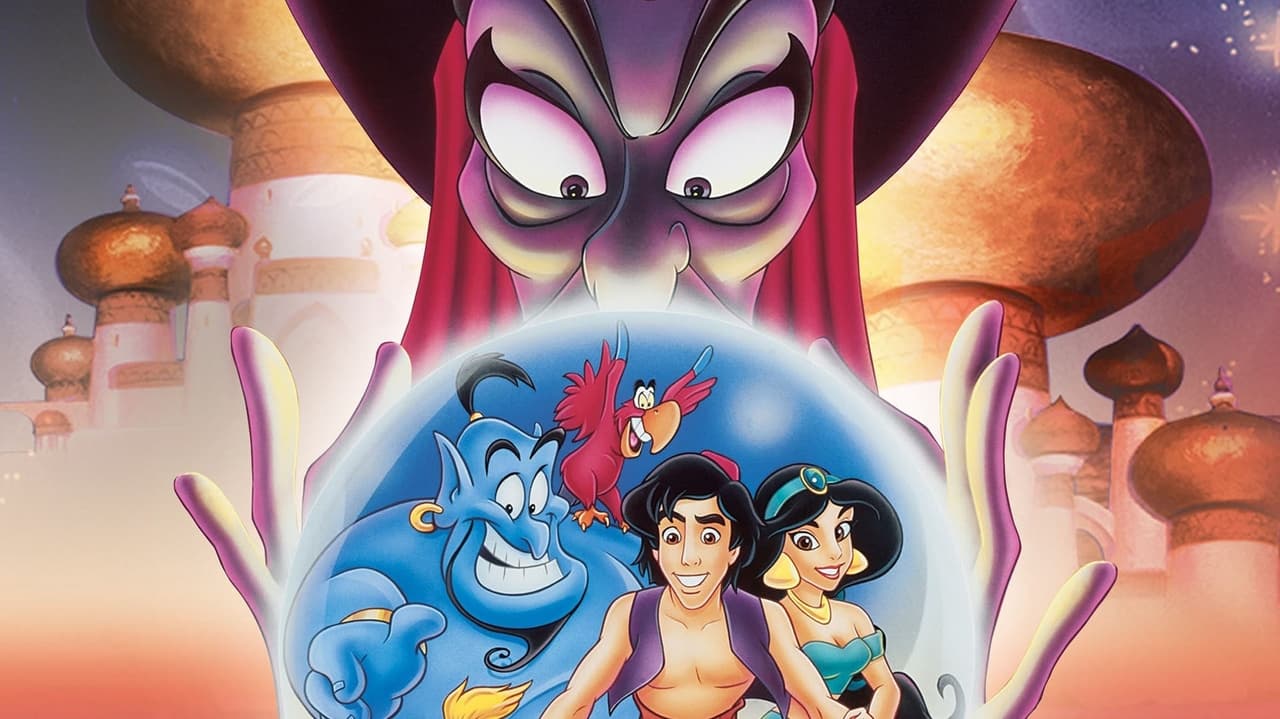
His journey from Jafar’s lackey to Aladdin’s reluctant ally is genuinely well-handled. Watching a cynical, greedy parrot try to find his conscience while singing "I'm Looking Out For Me" is the highlight of the 69-minute runtime. Scott Weinger returns as Aladdin and Linda Larkin as Jasmine, providing that necessary vocal continuity, but they mostly spend the movie reacting to the bird. It was a bold move to center a film on a character everyone previously wanted to strangle, but Gottfried makes it work through sheer volume and comic timing.
Life After Robin Williams
Then there’s the Genie. This was the era of the infamous feud between Robin Williams and Disney over marketing, which meant the blue guy needed a new voice. Enter Dan Castellaneta, best known as the voice of Homer Simpson.
Taking over for Williams is a suicide mission, but Dan Castellaneta handles it with grace. He doesn’t try to do a Robin impression; he does his own version of a fast-talking magical entity. He’s funny, he’s energetic, and while the jokes aren't quite as sharp, he keeps the momentum going. It’s a fascinating time capsule of the DVD/VHS culture where we accepted "sound-alike" actors as part of the deal. Watching it now, I’m struck by how much work the Genie has to do to fill the silence left by the lack of high-end animation.
Stuff You Might Not Know
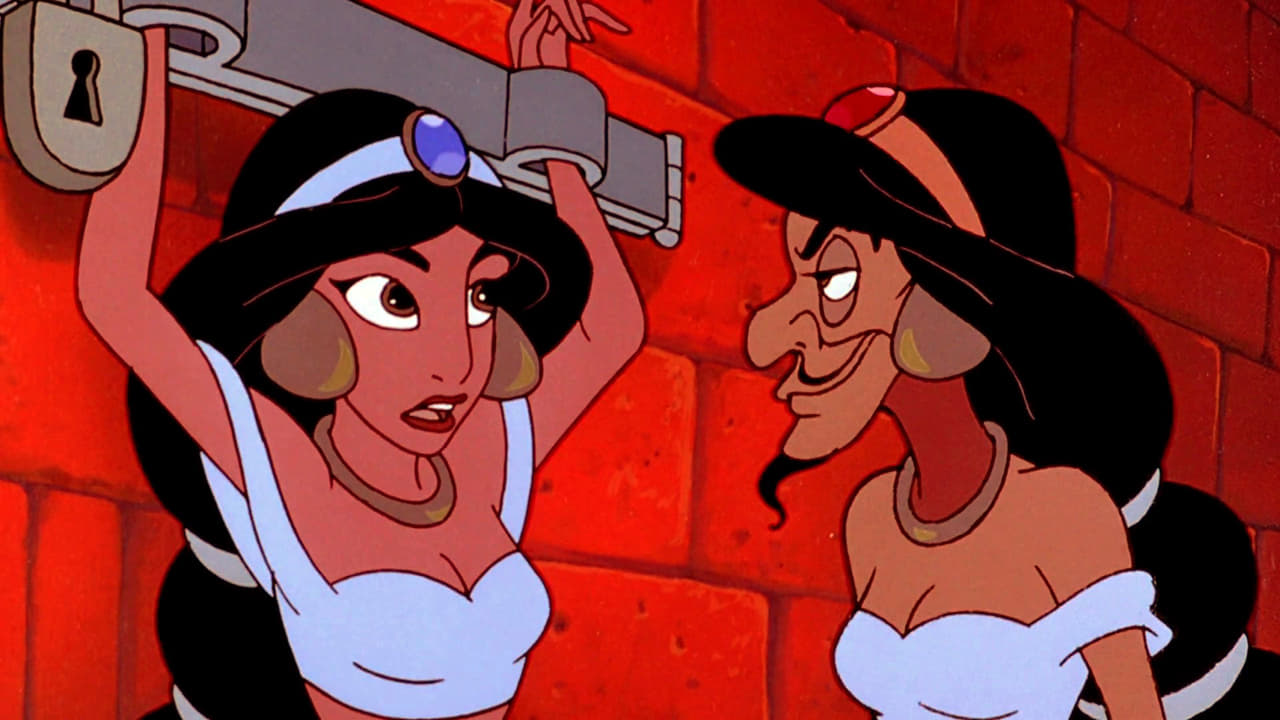
The Pilot Pivot: The film was originally conceived as the first few episodes of the Aladdin TV show. When Disney saw how much hype it was generating, they polished the animation (slightly) and marketed it as a feature-length event. The Sales Juggernaut: Despite the "bargain" feel, this movie was a monster hit. It sold over 10 million VHS tapes, proving to Disney that fans would follow their favorite characters anywhere, even to the small screen. The Missing Villain: A lot of people remember the bumbling thief Abis Mal, voiced by Jason Alexander (George Costanza himself!), who brings a great Seinfeld-ian energy to the villainous sidekick role. Frank Welker's Versatility: As always, Frank Welker provides the animal noises for Abu and Rajah. The man is a legend; he’s been everything from Megatron to Scooby-Doo, and his work here provides a much-needed sense of "Disney quality" in the sound design.
Ultimately, The Return of Jafar is exactly what it looks like: a high-stakes adventure with a low-stakes budget. It lacks the visual poetry of its predecessor, but it makes up for it with a fast pace and a surprisingly heartfelt story about a parrot finding his soul. It’s a piece of 90s history that paved the way for every Lion King 1½ and Little Mermaid II that followed. If you have an hour to kill and a craving for some nostalgia, it’s a harmless, colorful trip back to the Cave of Wonders.
I recently re-watched this on a rainy Tuesday while wearing mismatched socks, and the low-stakes energy matched my mood perfectly. It’s not "fine art," but it’s a fun reminder of an era when a direct-to-video sequel felt like a secret gift just for the kids. Grab some snacks, lower your expectations for the frame rate, and enjoy the ride. Just don't expect any Oscar-winning songs this time around.
Keep Exploring...
-

Aladdin and the King of Thieves
1996
-

Aladdin
1992
-
The Lion King II: Simba's Pride
1998
-

Pocahontas
1995
-
Pocahontas II: Journey to a New World
1998
-
Atlantis: Milo's Return
2003
-
Lady and the Tramp II: Scamp's Adventure
2001
-
A Goofy Movie
1995
-

Sinbad: Legend of the Seven Seas
2003
-
The Lion King 1½
2004
-
Dinosaur
2000
-

The Polar Express
2004
-
Herbie Fully Loaded
2005
-

Flushed Away
2006
-

Open Season
2006
-

Bee Movie
2007
-
Monsters vs Aliens
2009
-
Cars 2
2011
-
Brave
2012
-
Epic
2013