The Santa Clause
"Read the fine print before you kill Santa."
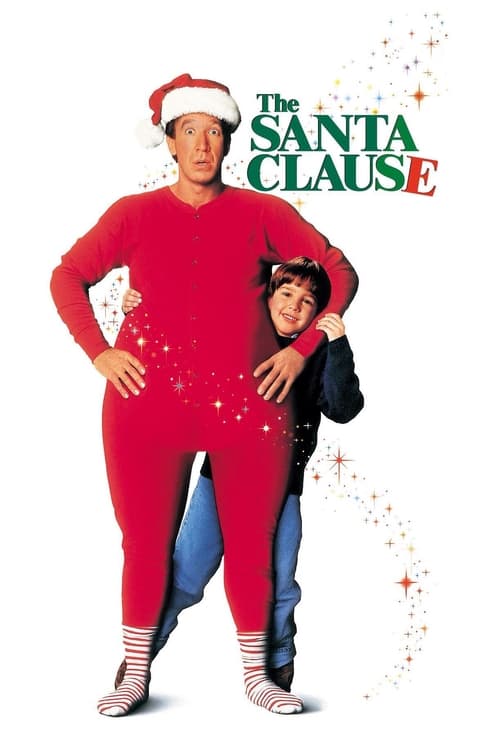
I’ve always been convinced that if you stripped away the jingling bells and the whimsical Michael Convertino score, the first act of this movie is essentially a David Cronenberg body-horror flick. Think about it: a man’s body begins to mutate against his will, he develops an insatiable craving for sugar, and he’s being stalked by a group of ageless, pointed-eared creatures who insist he’s been drafted into a lifelong contract because of a legal loophole. It’s terrifying. I actually rewatched this last week while trying to assemble a vintage 1990s Lego castle that was missing three crucial pieces, and Scott Calvin’s mounting frustration with the logic of the world around him felt deeply, spiritually relatable.
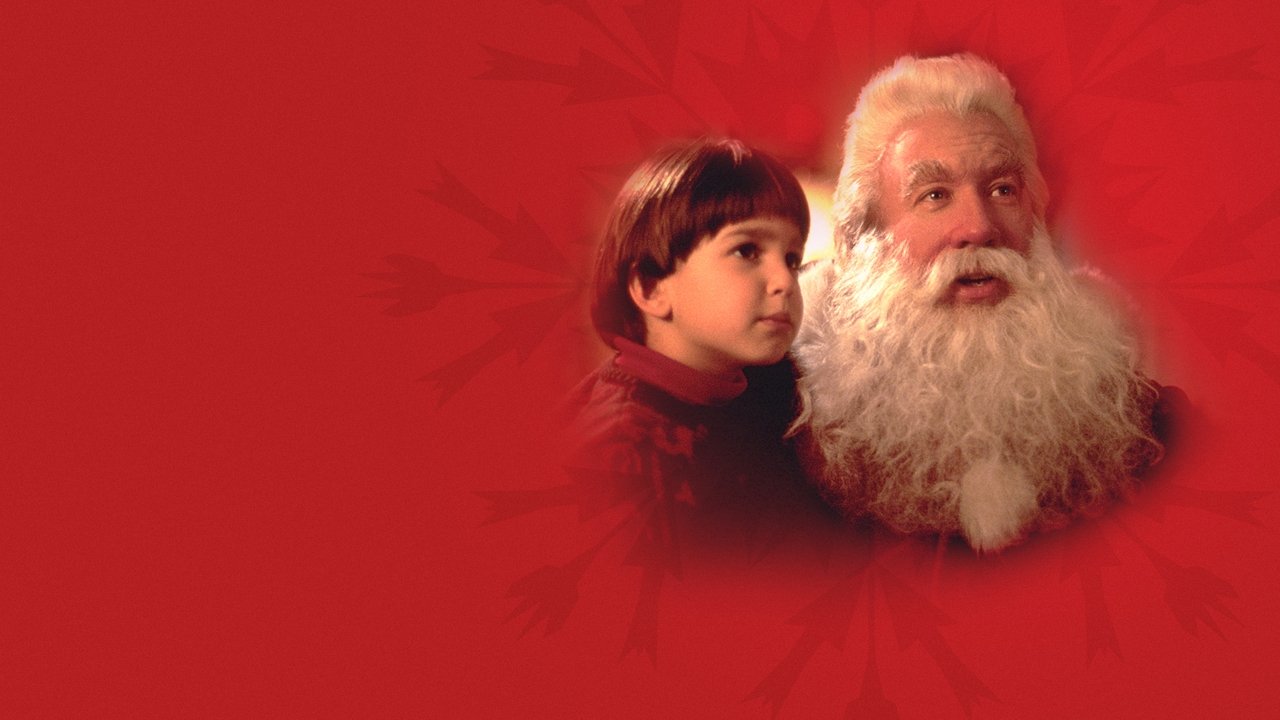
The Accidental Body Horror of Father Christmas
Looking back at 1994, Tim Allen was arguably the biggest star on the planet. He had the #1 sitcom (Home Improvement), the #1 book (Don’t Stand Too Close to a Naked Man), and with this film, the #1 movie. This was the peak of the "Sarcastic Dad" era, and Allen plays Scott Calvin with a sharp, cynical edge that you just don't see in modern family films. He’s a marketing executive who is—let's be honest—kind of a jerk. When Santa falls off his roof, Scott’s first instinct isn’t wonder; it’s a fear of litigation.
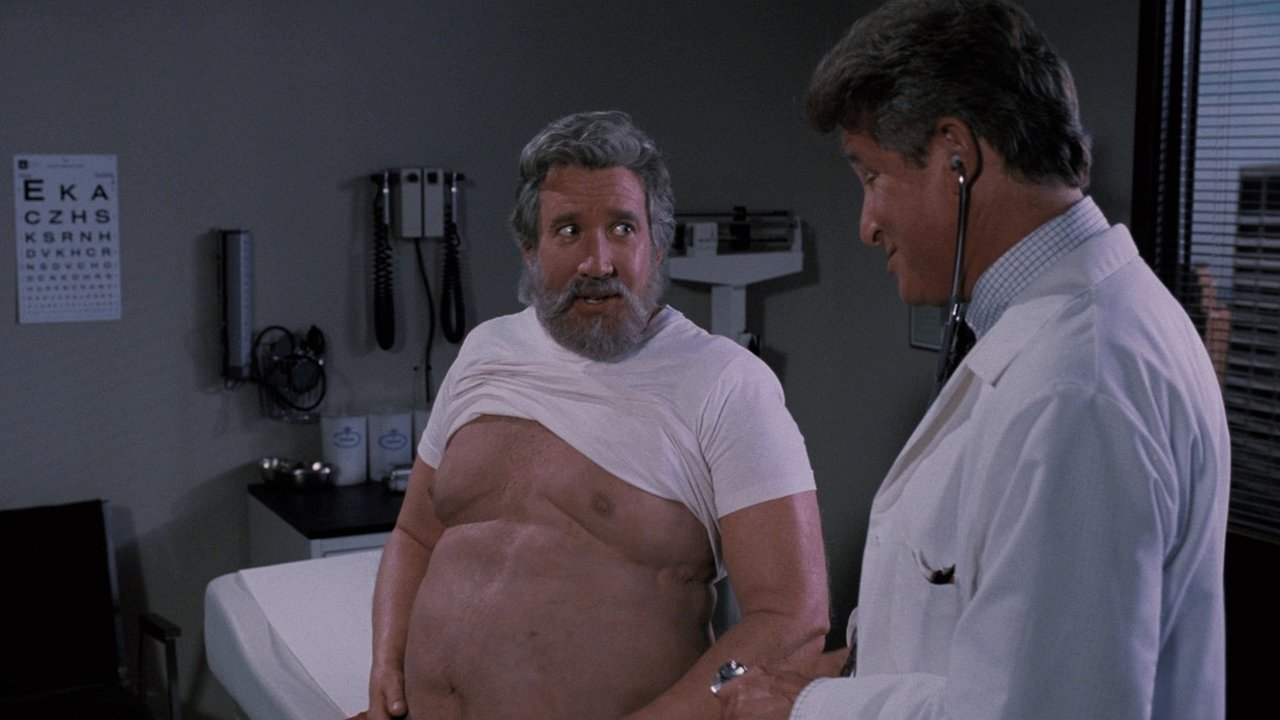
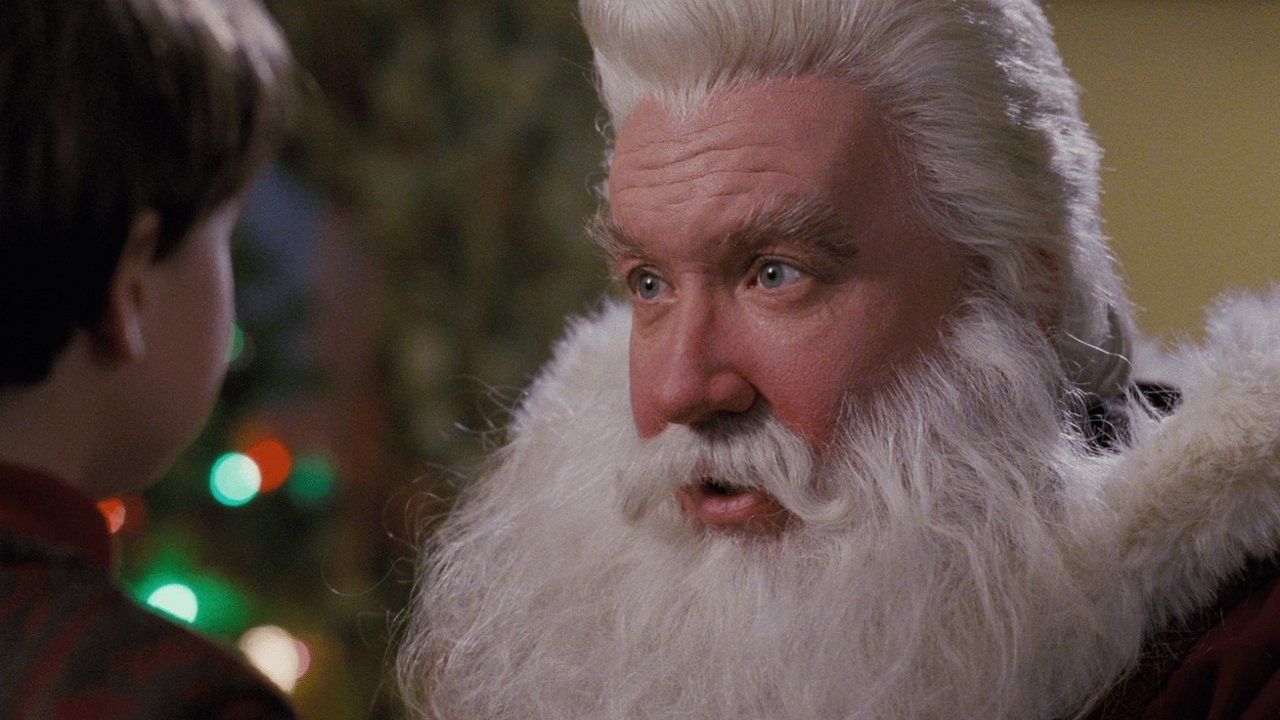
The transition he undergoes is where the movie earns its keep. The 1990s were a transitional period for special effects, and while we were seeing the rise of CGI in Jurassic Park, The Santa Clause relies heavily on the kind of practical makeup that wins Oscars. Allen spent hours in a "fat suit" that weighed over 50 pounds and caused him significant physical distress, but it creates a tactile reality that modern digital effects usually miss. Watching his beard grow back seconds after shaving is a great bit of visual comedy that manages to feel both magical and slightly invasive.
The Sweater-Clad War of the Step-Dads
While the North Pole sequences are the "Blockbuster" draw, the emotional engine of the film is a surprisingly grounded drama about post-divorce parenting. This is where the movie reveals its age in a fascinating way. The 90s were obsessed with the "struggling divorced dad" trope (see also: Mrs. Doubtfire or Liar Liar), and the conflict between Scott and his ex-wife, Laura (Wendy Crewson), feels genuinely tense.
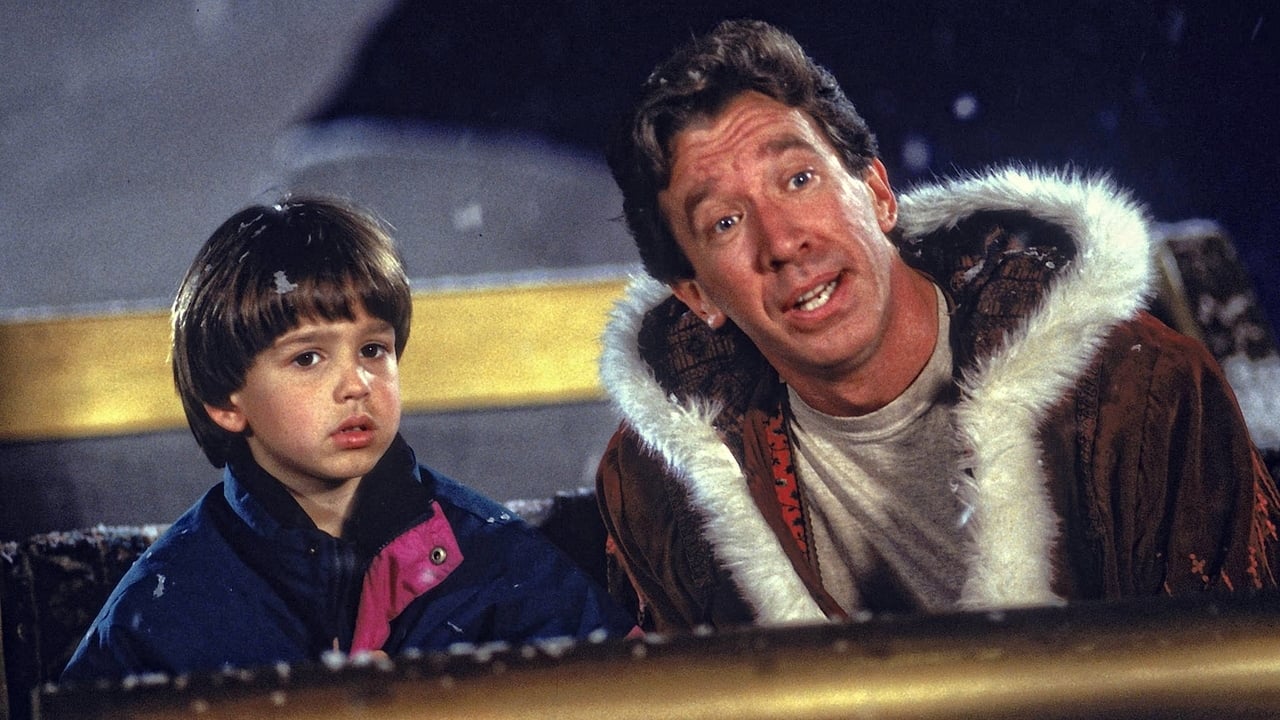
Then there’s Neal. Judge Reinhold deserves some kind of retrospective award for his performance as the turtleneck-wearing, psychological-mumbo-jumbo-spouting stepdad. In any other movie, he’d be a two-dimensional villain, but here, he’s just a guy who really cares about Charlie (Eric Lloyd) and happens to have a truly questionable taste in knitwear. Neal’s sweaters are the real villain of this movie, yet they provide a perfect foil to Scott’s eventual transformation. The film handles the "disbelieving adult" trope with a bit more nuance than your average Christmas special; they aren't trying to be mean, they’re just trying to be "responsible" parents in a world that hasn't seen a miracle in centuries.
A $189 Million Sleigh Ride
It’s easy to forget what a massive juggernaut this was. Produced for a relatively modest $22 million, it ballooned into a $189 million domestic sensation. It wasn't just a hit; it was a cultural pivot point that turned Tim Allen into a permanent fixture of the Disney stable. Apparently, the original script was much darker—the initial draft had Scott actually shooting Santa Claus with a shotgun, thinking he was a prowler. Disney, wisely wanting to keep their "Family" brand intact, opted for the "slip and fall" routine instead.
The world-building here is also surprisingly dense. David Krumholtz, as Bernard the Arch-Elf, brings a "middle-management" energy to the North Pole that makes the whole operation feel like a high-stakes tech startup. The North Pole is basically a high-tech sweatshop run by sass-talking middle-schoolers, and it works because the film leans into the bureaucracy of magic. The "Clause" itself is a brilliant plot device—a predatory contract hidden in plain sight, proving that even Christmas isn't safe from the legal department.

One bit of trivia that always makes me chuckle: in the original theatrical and VHS releases, Scott makes a joke about calling "1-800-SPANK-ME." It turns out that was a real, functioning adult phone line at the time, leading to a wave of confused kids and very angry parents. Disney eventually scrubbed the line from later DVD and streaming releases, making those original VHS tapes a weirdly sought-after relic of a less-vetted era.
The Santa Clause holds up remarkably well because it refuses to be purely saccharine. It starts with a cynical man in a cynical world and forces him to trade his business suit for a velvet coat through a series of increasingly absurd physical humiliations. It captures that specific 1990s aesthetic—the transition from analog grit to digital sheen—while anchoring everything in a father-son story that feels earned rather than forced. It’s a holiday staple that reminds us that sometimes, the best way to find yourself is to be legally obligated to become someone else.
---
Editor's Note: If you're watching this on a modern 4K screen, keep an eye on the "Elf" sightings in the background of the real-world scenes. The practical effects team hid children in elf costumes throughout the movie's early acts, and in high definition, their judgmental stares are much more apparent—and hilarious—than they were on a grainy 1994 cathode-ray tube TV.
Keep Exploring...
-
The Santa Clause 2
2002
-

The Santa Clause 3: The Escape Clause
2006
-

Babe
1995
-

The Muppet Christmas Carol
1992
-
The Odd Life of Timothy Green
2012
-
Hook
1991
-
Casper
1995
-

Wizards of Waverly Place: The Movie
2009
-
Freaky Friday
2003
-

The SpongeBob SquarePants Movie
2004
-
Nanny McPhee
2005
-

Arthur Christmas
2011
-

DuckTales: The Movie - Treasure of the Lost Lamp
1990
-
Hocus Pocus
1993
-

The Swan Princess
1994
-
Shrek 2
2004
-
Charlie and the Chocolate Factory
2005
-

Night at the Museum
2006
-
Shrek the Third
2007
-
Horton Hears a Who!
2008