Three Colors: Red
"The invisible threads of fate are dyed red."
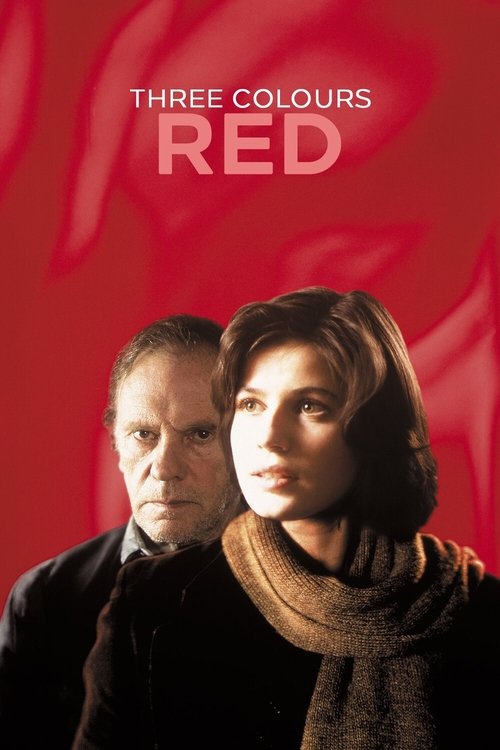
I once dropped a silver ballpoint pen behind my radiator while watching the opening credits of Three Colors: Red, and instead of fishing it out, I spent the next ninety minutes convinced that the pen’s disappearance was a localized ripple in the fabric of destiny. That is the specific kind of madness Krzysztof Kieślowski induces. He makes you look at a ringing telephone or a discarded gum wrapper as if it’s a holy relic.
If you’ve never waded into the Three Colors trilogy, Red is the grand finale, ostensibly representing "Fraternity" from the French motto. But don’t let the academic packaging fool you. This isn’t a dry lecture on European values; it’s a gorgeous, haunting mystery about the people we almost meet and the lives we might have lived if we’d just turned left instead of right.
A Symphony in Scarlet
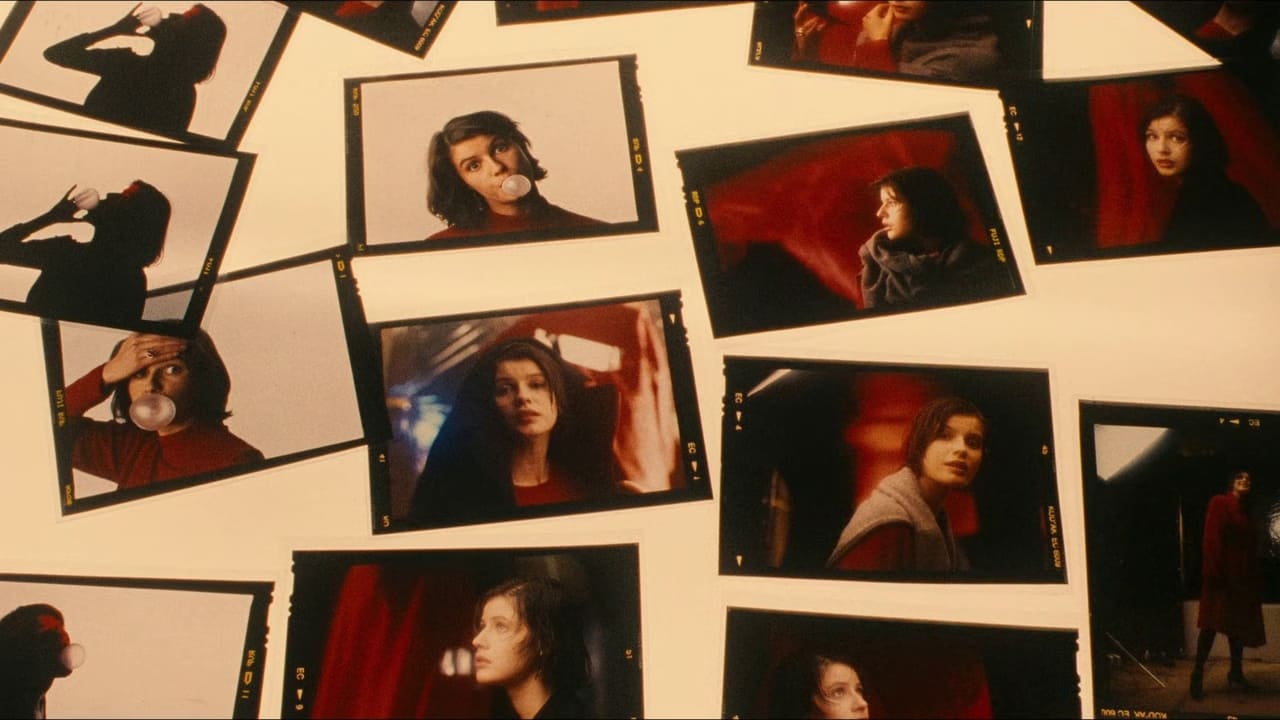
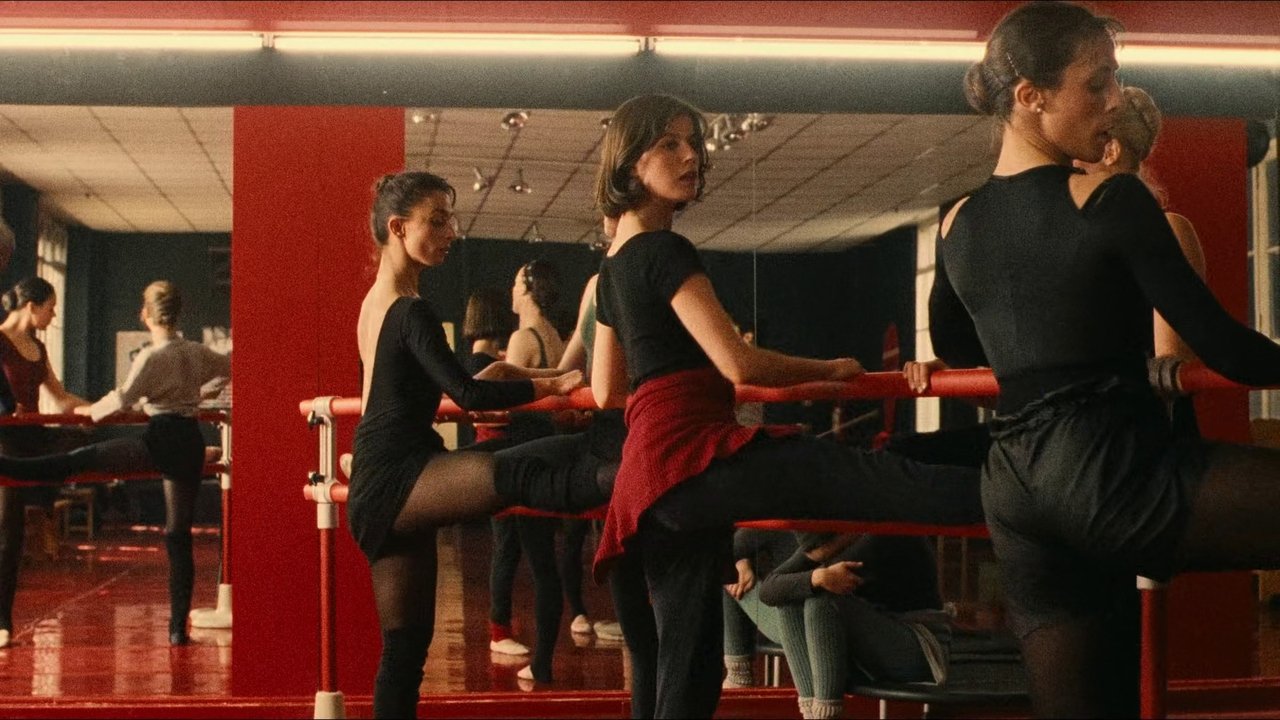
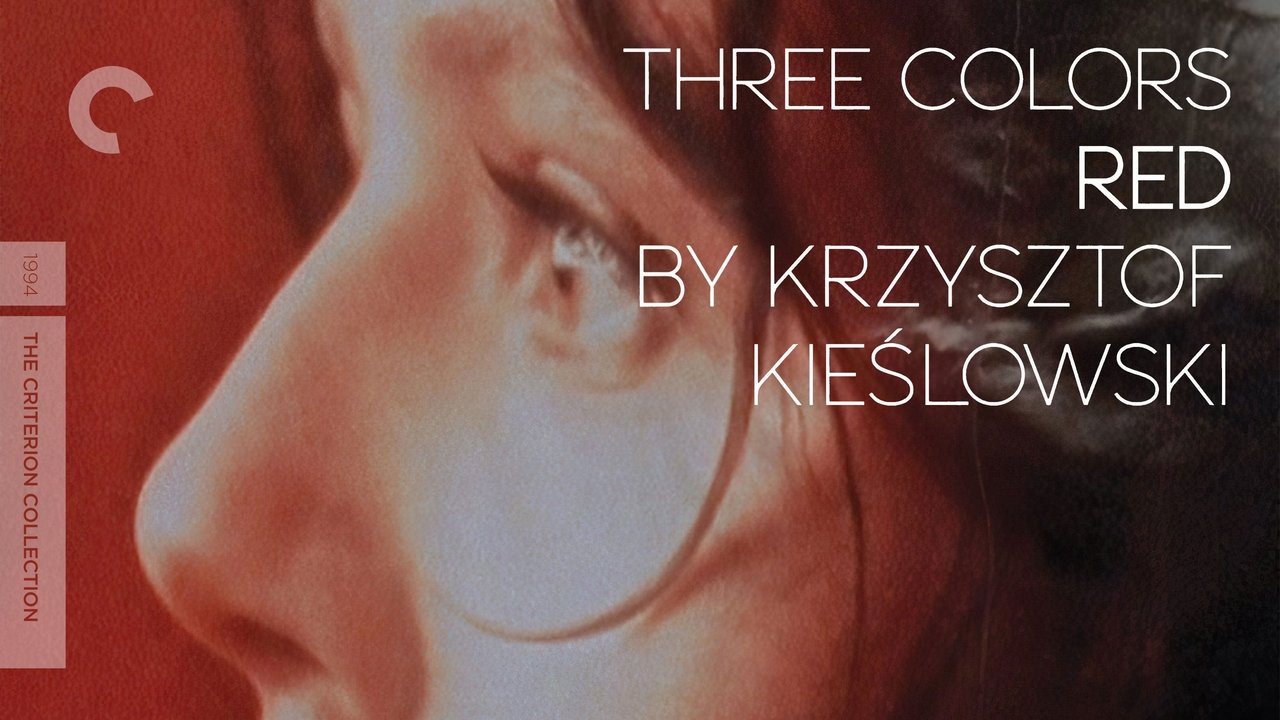
The first thing you notice—and I mean immediately—is the color. Krzysztof Kieślowski and his cinematographer Piotr Sobociński didn't just use red as a decorative choice; they weaponized it. It’s in the giant fashion billboards, the jeep seats, the dog leashes, and the walls of the cafes. In the 90s, before digital color grading turned every movie into a teal-and-orange sludge, this kind of deliberate, analog color palettes felt like a revelation.
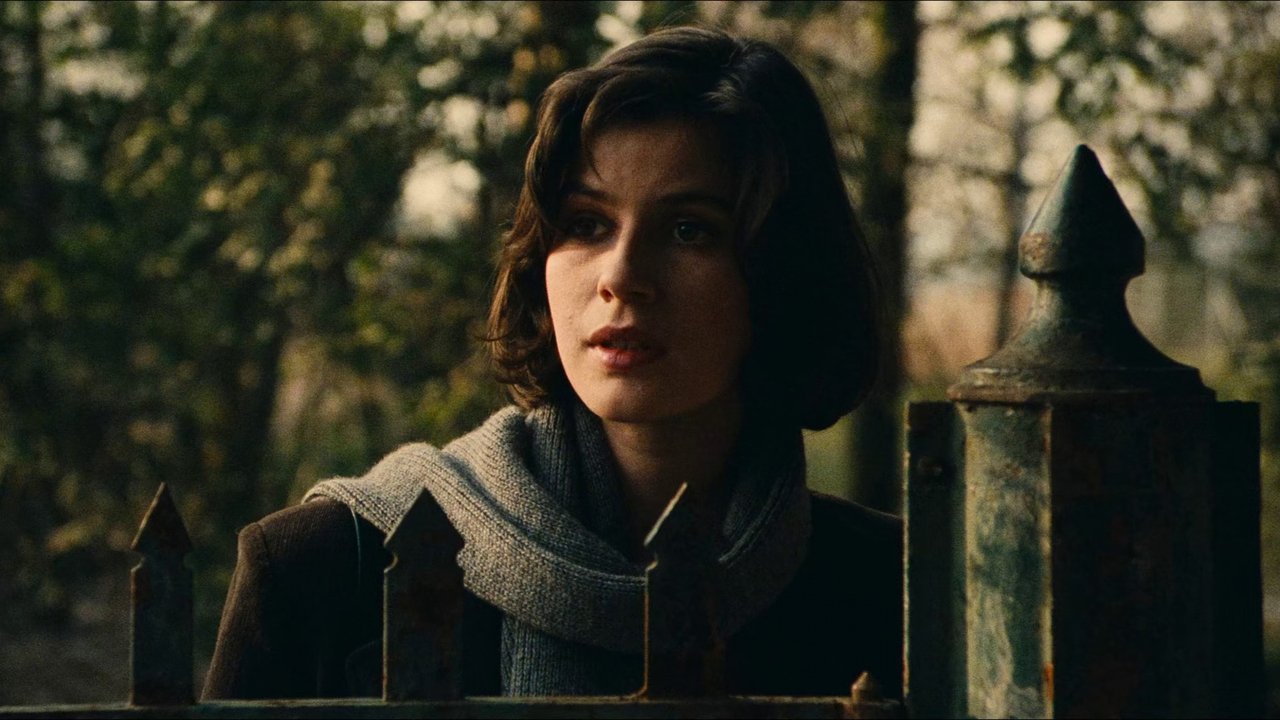
The story follows Valentine (Irène Jacob), a young model with a soul too sensitive for the flashbulbs of Geneva. She accidentally hits a dog with her car, which leads her to the door of a retired Judge (Jean-Louis Trintignant). Now, Trintignant plays this man with a spectacular, bone-deep weariness. He’s a man who has given up on humanity and spends his twilight years using illegal radio equipment to eavesdrop on his neighbors' phone calls. He’s basically a high-art version of a shut-in Redditor, but with better whiskey and a nicer sweater.
The relationship that develops between the vibrant, empathetic Valentine and the cynical, decaying Judge is the heart of the film. It shouldn't work—it’s a massive age gap and a total clash of worldviews—but the chemistry is electric in a purely intellectual, spiritual way. They don't want to sleep together; they want to understand why the universe is so cruelly calibrated.
The Ghost in the Machine
While Valentine and the Judge are talking, there’s a parallel story happening. A young law student named Auguste lives just across the street from Valentine. They cross paths a dozen times—at the theater, in traffic, at the music store—but they never actually meet.
Looking back from our era of hyper-connectivity, where an algorithm would have matched them on Tinder in five minutes, there is something deeply romantic and tragic about their missed connections. Kieślowski was obsessed with the idea of "The Double"—that there is another version of us out there, or that our lives are repeating the patterns of someone else's past. We see Auguste’s life mirroring the Judge’s younger years in ways that feel like a glitch in the Matrix.
This was the mid-90s, the peak of the "Indie Renaissance." While Hollywood was busy perfecting the digital dinosaurs of Jurassic Park, European cinema was doubling down on this kind of cerebral, soul-searching narrative. Red was actually the center of a massive scandal when it was ruled ineligible for the Best Foreign Language Film Oscar because it was a French-Polish co-production shot in Switzerland. It sparked a protest letter signed by dozens of Hollywood heavyweights, including Francis Ford Coppola and Martin Scorsese, who recognized it for what it was: a masterpiece that transcended borders.
The Weight of the Invisible
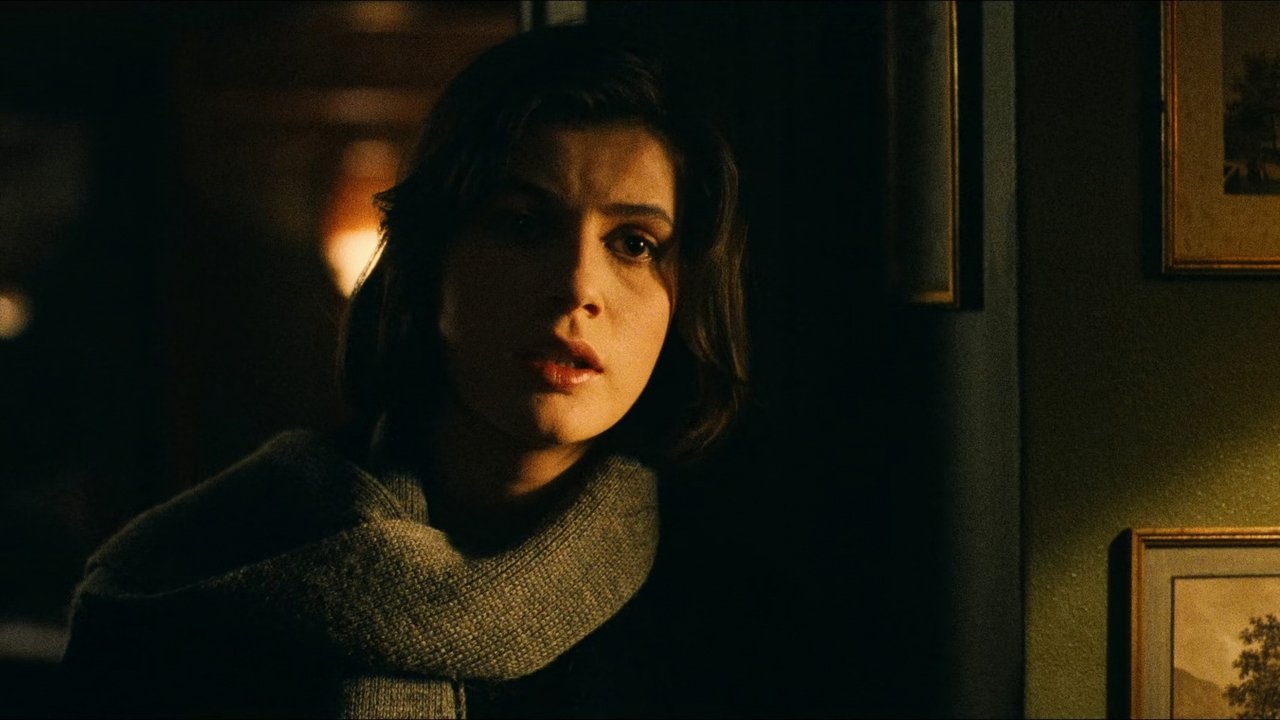
What really strikes me now, twenty-plus years later, is how much the film trusts its audience. There are no jump scares, no grand betrayals, and the "mystery" isn't something you solve—it’s something you feel. Irène Jacob has this incredible face that seems to catch the light in a way that suggests she can see the invisible threads the tagline mentions. Her performance is so grounded that it keeps the film’s more "metaphysical" leanings from floating off into pretension.
It’s also worth noting that this was Kieślowski’s final film. He announced his retirement at the Cannes premiere and died just two years later. There’s a finality to Red that feels intentional. In the closing minutes, he pulls off a narrative trick that ties all three films (Blue, White, and Red) together in a single, breathtaking moment of "fraternity" that still gives me chills.
I’ll admit, if you’re looking for a fast-paced thriller, this isn't it. It’s a movie that asks you to sit still, put your phone in another room, and wonder about the person living in the apartment below you. Kieślowski manages to make eavesdropping look like a spiritual vocation rather than a felony, and somehow, by the time the credits roll, you feel a little more connected to the strangers passing you on the street.
Three Colors: Red is the kind of film that rewards the "5-minute test" by making every one of those minutes feel heavy with meaning. It’s a relic of a time when "World Cinema" meant something profound and beautiful, and it remains one of the most visually stunning experiences ever put to celluloid. If you haven't seen it, find the biggest screen possible, grab a glass of something red, and let the threads pull you in. Just try not to drop your pen behind the radiator.
Keep Exploring...
-
Three Colors: White
1994
-
Three Colors: Blue
1993
-
The Double Life of Véronique
1991
-
Batman: Mask of the Phantasm
1993
-
Amour
2012
-
Broken Flowers
2005
-
A Dog's Will
2000
-
Millennium Actress
2002
-
Talk to Her
2002
-

My Name Is Khan
2010
-
Laurence Anyways
2012
-
The Way He Looks
2014
-
When Marnie Was There
2014
-
Ghost
1990
-

What's Eating Gilbert Grape
1993
-
The Postman
1994
-
Before Sunrise
1995
-

Dilwale Dulhania Le Jayenge
1995
-
The Bridges of Madison County
1995
-
10 Things I Hate About You
1999