Three Colors: White
"Equality means finally getting even."
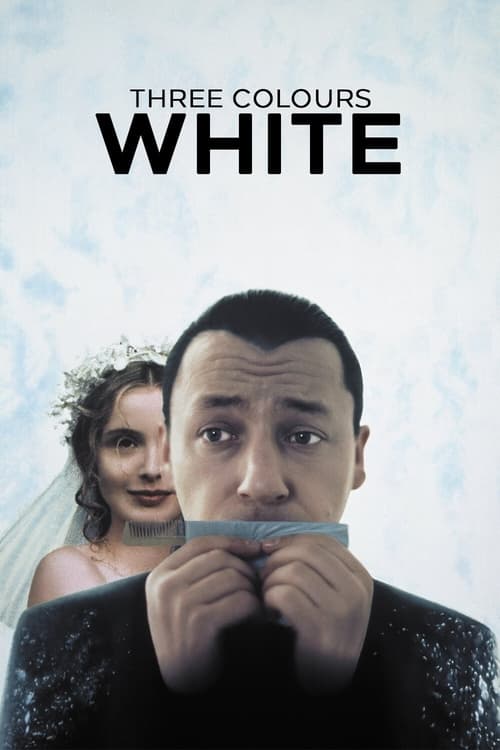
I’ve always felt a bit protective of Three Colors: White. In the grand hierarchy of Krzysztof Kieślowski’s legendary trilogy, it usually gets shoved into a corner. Most film students will trip over themselves to discuss the sapphire-drenched grief of Blue or the sweeping, cosmic coincidences of Red, but White? White is the scrappy, slightly mean-spirited middle child that smells like damp wool and cigarette smoke. I remember watching this for the first time on a warped DVD I borrowed from a library in a town that only had one traffic light, and I spent the entire runtime trying to pick a piece of popcorn out of my back molar, which strangely mirrored the protagonist’s own nagging, persistent discomfort.
While the other two films in the trilogy feel like high art reaching for the divine, White is firmly planted in the mud. It’s a pitch-black comedy about a man who loses everything—his wife, his business, his dignity, and even his ability to perform in the bedroom—and decides that the only way to achieve "equality" (the second tenet of the French revolutionary motto) is to become richer and more ruthless than everyone who looked down on him.
From Paris with Malice
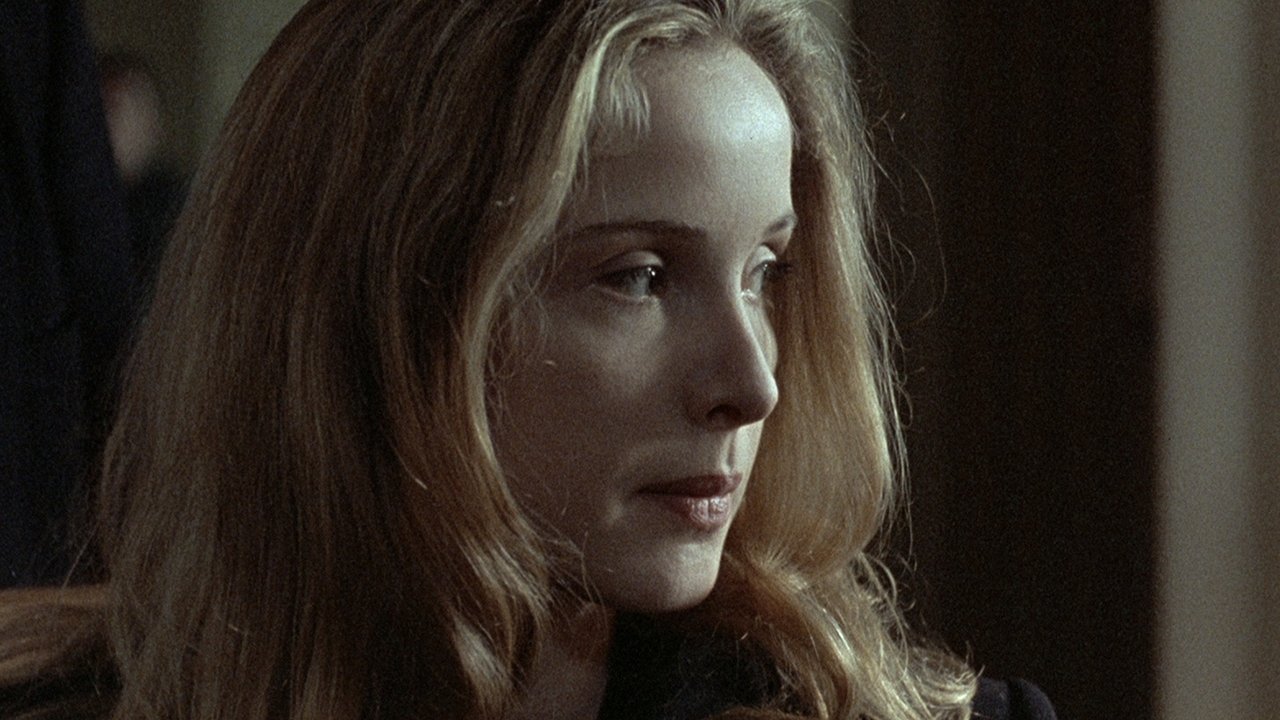
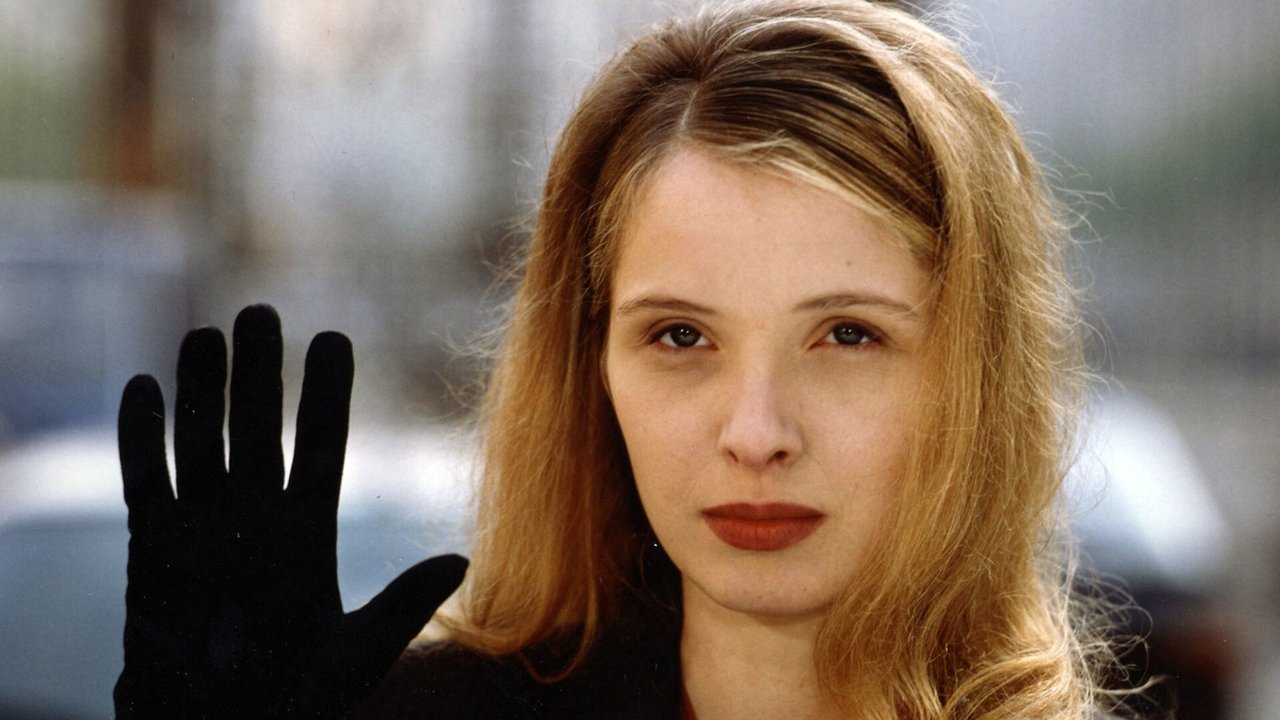
The film kicks off with Zbigniew Zamachowski as Karol Karol, a Polish hairdresser in Paris who is being unceremoniously dumped by his beautiful French wife, Dominique, played by a cold and luminous Julie Delpy (before she became the queen of walking-and-talking in the Before trilogy). The courtroom scene is agonizing; Karol can’t speak the language well enough to defend his own manhood, and Dominique is more than happy to twist the knife.
What follows is a bizarre, darkly funny odyssey. Karol ends up homeless, playing "The International" on a comb in the Paris Metro for spare change, where he meets another Pole, Mikołaj, played by the great Janusz Gajos. Their meet-cute involves a shared sense of Slavic misery and a plan to smuggle Karol back to Poland inside a giant suitcase. It’s one of those sequences that shouldn't work in a "prestige" film, but Kieślowski leans into the absurdity. When a group of thieves steals the suitcase and beats Karol up because they're disappointed it doesn't contain VCRs or jewelry, Karol looks at the bleak, snowy Polish landscape and sighs, "Home at last."
The Wild West of Warsaw
This is where the movie reveals its true colors (pun intended). Released in 1994, White captures a very specific, frantic energy of post-Communist Poland. It was a time of "Wild West" capitalism where you could go from a peasant to a millionaire overnight if you were shady enough. Zbigniew Zamachowski is perfect here; he has this Charlie Chaplin-esque quality, a "little man" who decides to stop being a victim.
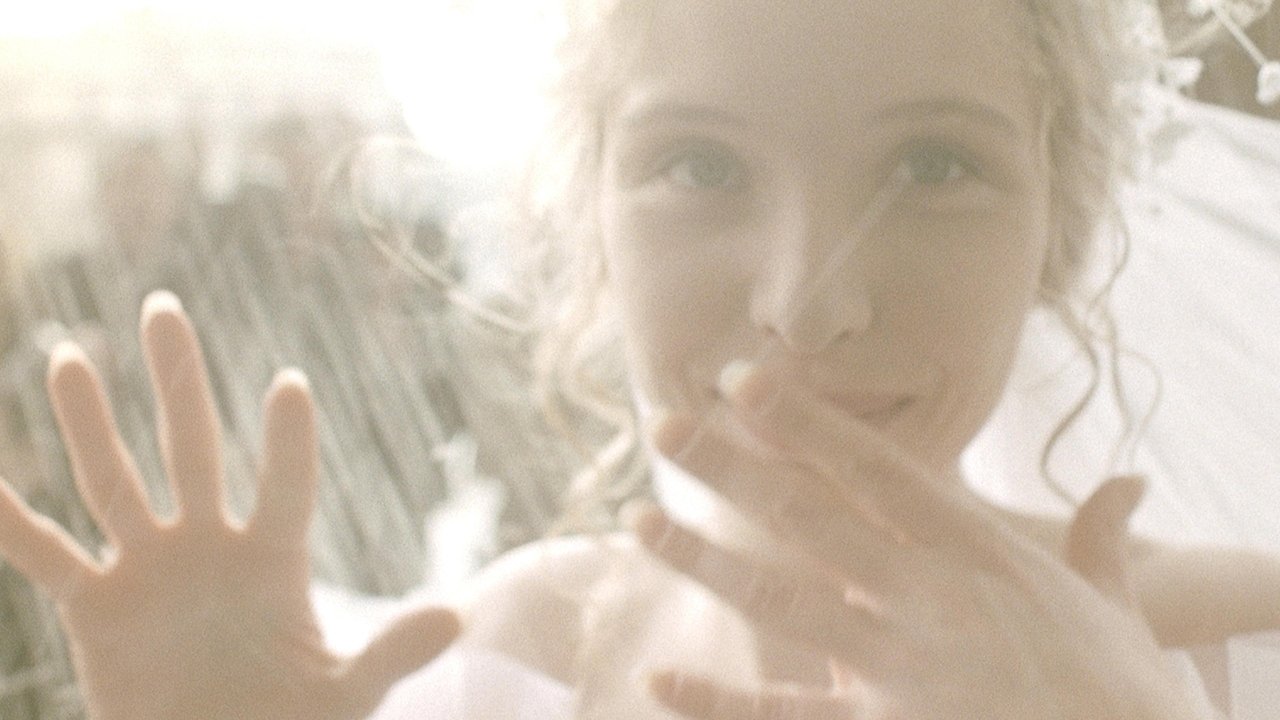
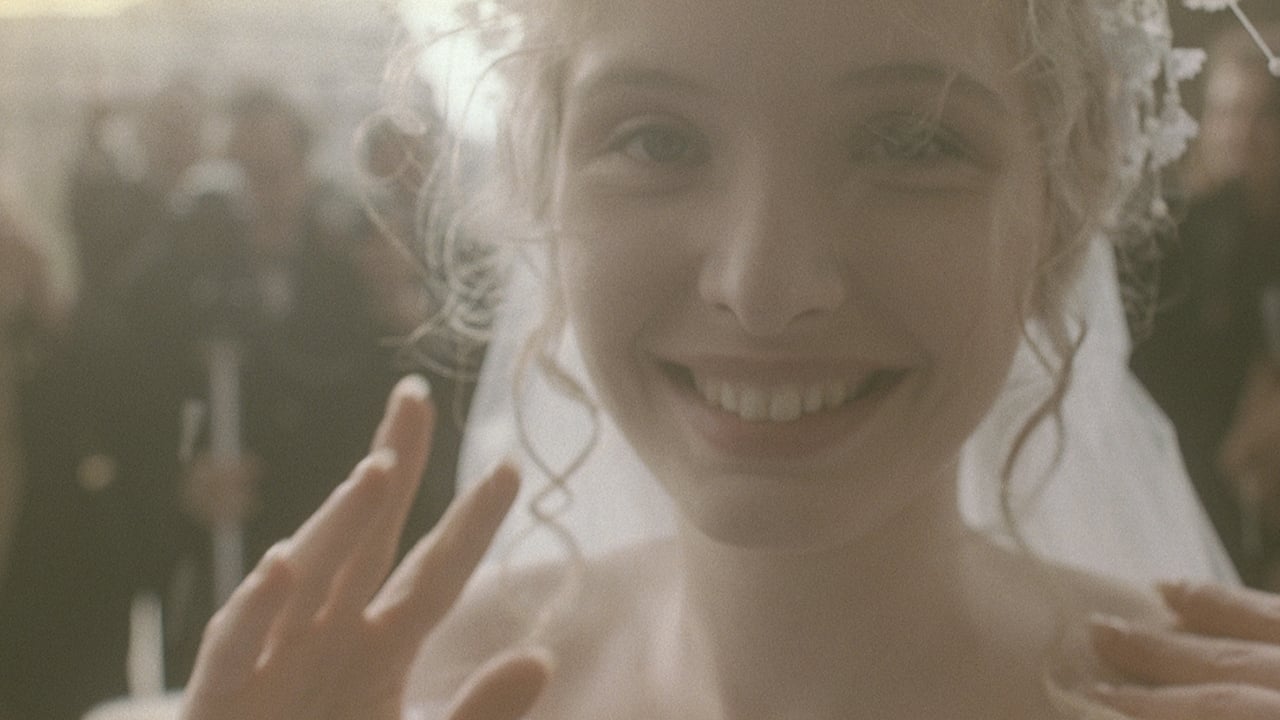
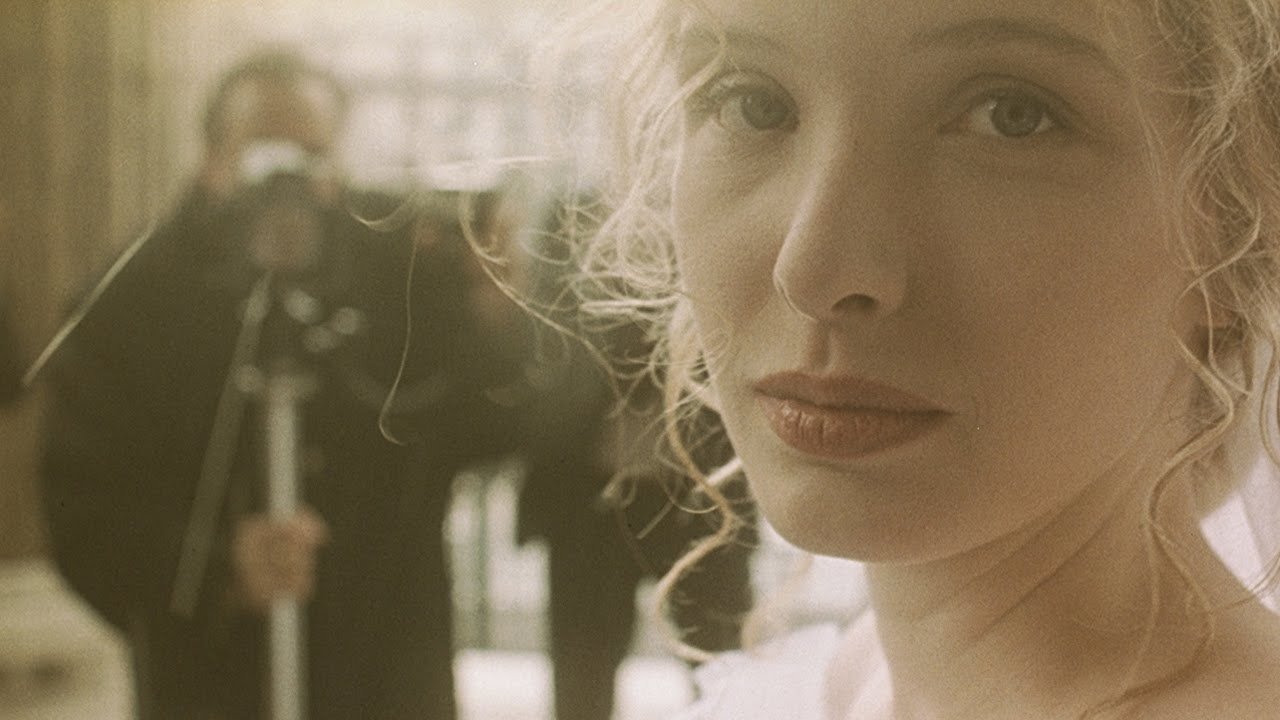
Karol’s rise to power involves land speculation, faking his own death, and a lot of shady dealings with his brother Jurek, played by Jerzy Stuhr. It’s the cinematic equivalent of a spite-store built just to annoy an ex. I love how Kieślowski uses the color white here. Unlike the oppressive, heavy blue of the first film, white is used to signify a blank slate—but also a blinding, snowy void. There’s a recurring flashback to Karol and Dominique’s wedding, drenched in overexposed white light, that feels less like a happy memory and more like a haunting.
A Different Kind of Masterpiece
Is it as "beautiful" as Red? Probably not. Edward Kłosiński’s cinematography is intentionally grittier, trading the lush aesthetics of the other films for the gray slush of a Warsaw winter. But there’s a human friction here that the more "perfect" films in the collection lack. It’s a drama that isn’t afraid to be pathetic.
One bit of trivia I’ve always loved: Kieślowski actually shot the "suitcase" scene with a real stuntman inside, and they had to be incredibly careful with how the baggage handlers tossed it around. That sense of physical risk translates to the screen—you feel Karol’s bruises. Also, look out for the brief cameo by Juliette Binoche from Blue in the courtroom hallway; it’s one of those 90s "extended universe" moments that felt revolutionary before every superhero movie started doing it.
The ending is one of the most debated in 90s world cinema. It’s a silent exchange through a window that manages to be romantic, tragic, and deeply twisted all at once. It asks a uncomfortable question: Can you ever truly be "equal" to someone you love without one of you having the upper hand?
Three Colors: White is the trilogy’s most grounded entry, trading ethereal philosophy for the messy, vengeful reality of the human heart. It’s a film about the 90s transition from the Iron Curtain to the Almighty Dollar, wrapped in a divorce story that hits like a punch to the gut. If you’ve skipped it because you heard it was the "funny one," go back and give it a look—just don't expect a sitcom. It’s a cold, brilliant, and deeply satisfying piece of work.
Keep Exploring...
-

Three Colors: Red
1994
-
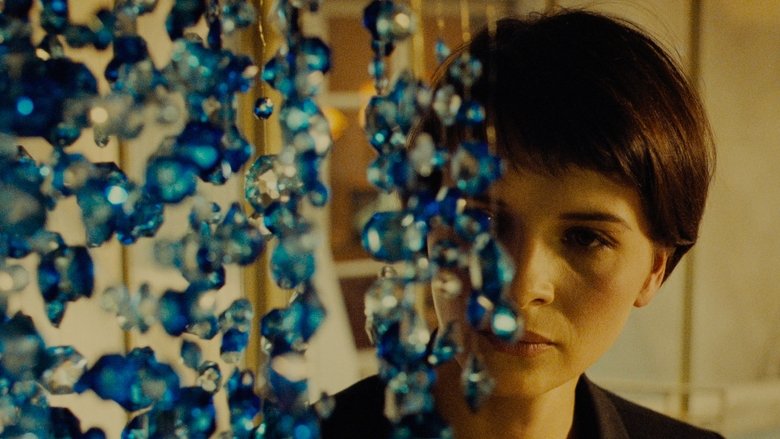
Three Colors: Blue
1993
-
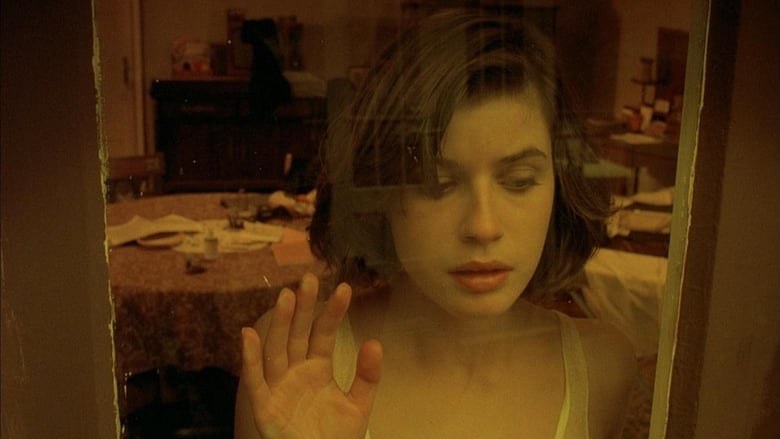
The Double Life of Véronique
1991
-
The Player
1992
-
Broken Flowers
2005
-
In the House
2012
-

Jacob's Ladder
1990
-
Barton Fink
1991
-
The Fisher King
1991
-
Glengarry Glen Ross
1992
-
My Cousin Vinny
1992
-
The Mighty Ducks
1992
-

The Muppet Christmas Carol
1992
-

White Men Can't Jump
1992
-
Batman: Mask of the Phantasm
1993
-
Manhattan Murder Mystery
1993
-
It Could Happen to You
1994
-
Maverick
1994
-
The Client
1994
-
The Hudsucker Proxy
1994