Wolf
"Promotion by way of predation."
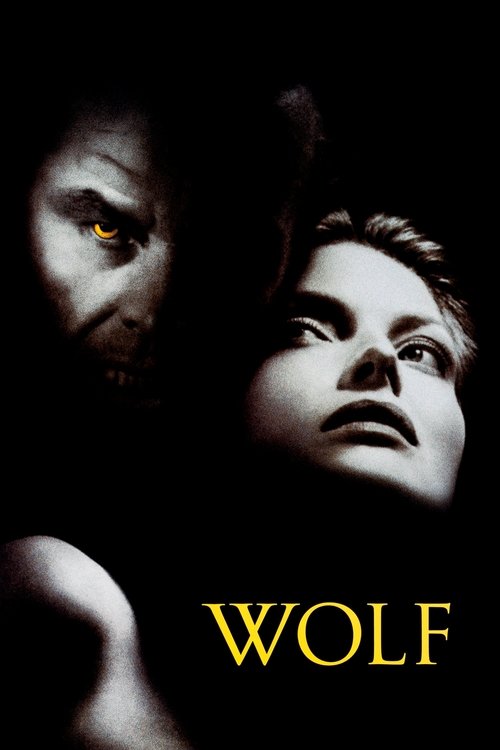
You don't hire Jack Nicholson if you want a subtle performance, yet Wolf spends a surprising amount of its two-hour runtime asking him to do exactly that. It is one of the strangest artifacts of the early 90s—a big-budget, star-studded horror film that is actually a corporate satire disguised in sheep’s (or rather, wolf’s) clothing. I watched this on a DVD I found in a bargain bin that still had a "2 for $5" sticker on it, while my neighbor’s leaf blower provided a constant, low-frequency hum that actually added to the tension of the quiet scenes.
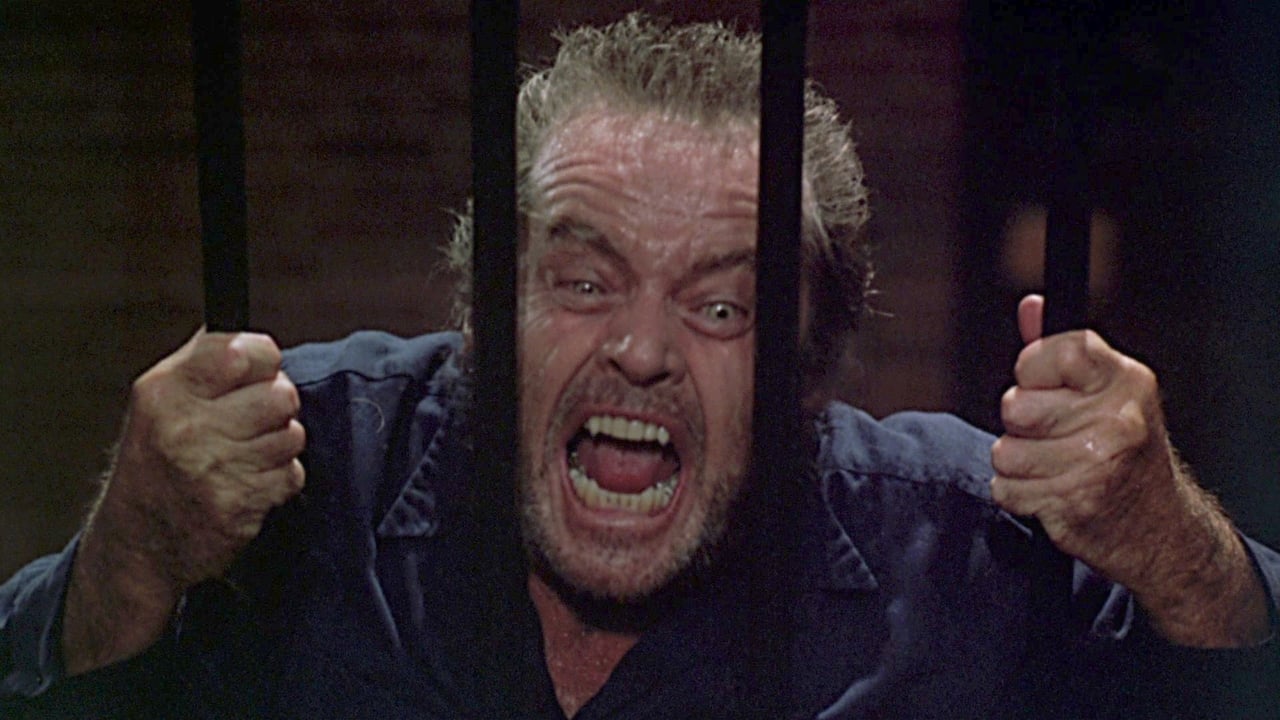
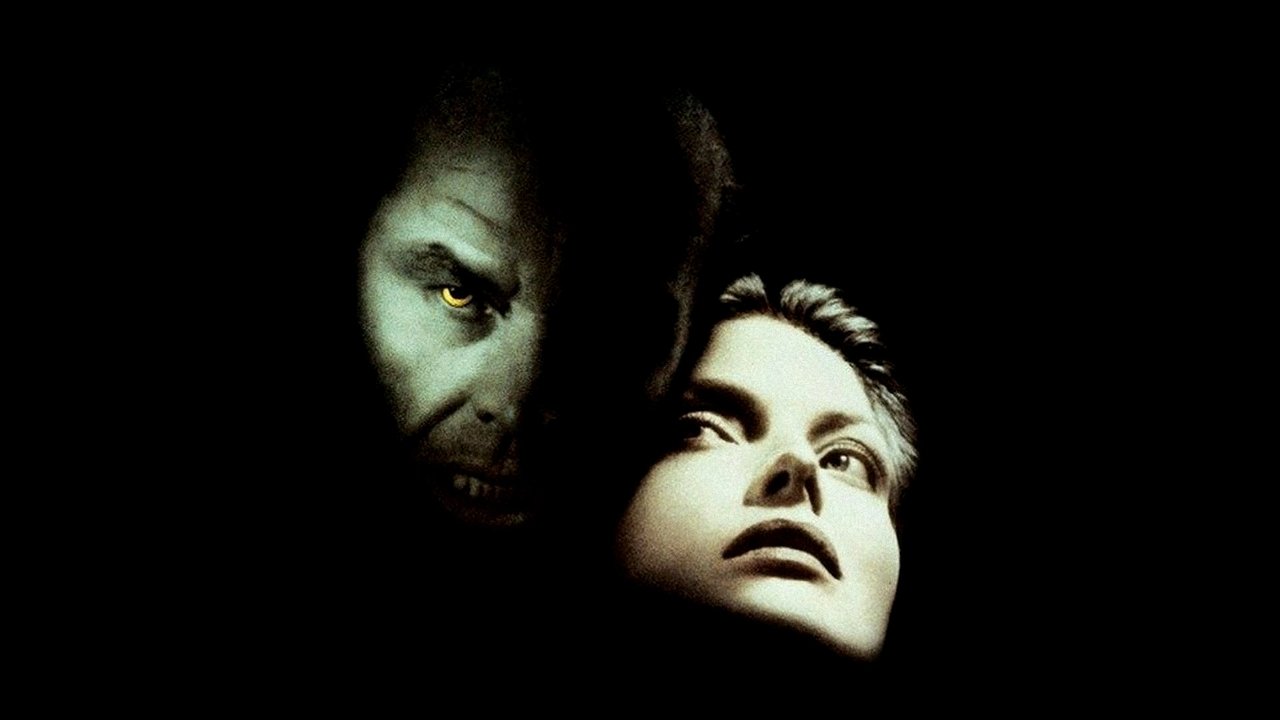
Directed by Mike Nichols, the man behind The Graduate and Working Girl, this isn't your typical creature feature. It’s an "adult" movie in the way 1994 understood it: lots of mahogany desks, long conversations about the soul of the publishing industry, and actors who look like they’ve spent a lifetime in smoky rooms. When Jack Nicholson’s character, Will Randall, gets bitten by a wolf on a snowy Vermont road, he doesn't immediately sprout claws and start howling at the moon. Instead, he just starts feeling... better. His hearing sharpens, his sense of smell becomes acute, and most importantly, he stops being a doormat for his younger, sleazier protege.
Office Politics With Sharp Teeth
The first hour of Wolf is legitimately fantastic because it treats lycanthropy as a metaphor for a mid-life career resurgence. Will is being pushed out of his editing job by James Spader, who plays the villainous Stewart Swinton with such a high level of smarm that you could probably fry an egg on his forehead grease. James Spader was the undisputed king of the 90s "yuppie you want to punch," and here he is at his peak.
I love how the film suggests that to succeed in the 1994 corporate world, you literally have to be an animal. Will starts smelling the scotch on his boss’s breath from across the room and notices the scent of his wife’s affair on James Spader’s clothes. It’s a psychological thriller where the "monster" is just a guy who finally found his backbone. Jack Nicholson is the only actor who doesn't need a single ounce of makeup to look like a predator; he just arches those iconic eyebrows and gives a feral grin, and you're convinced he’s about to eat the entire board of directors.
The Rick Baker Touch
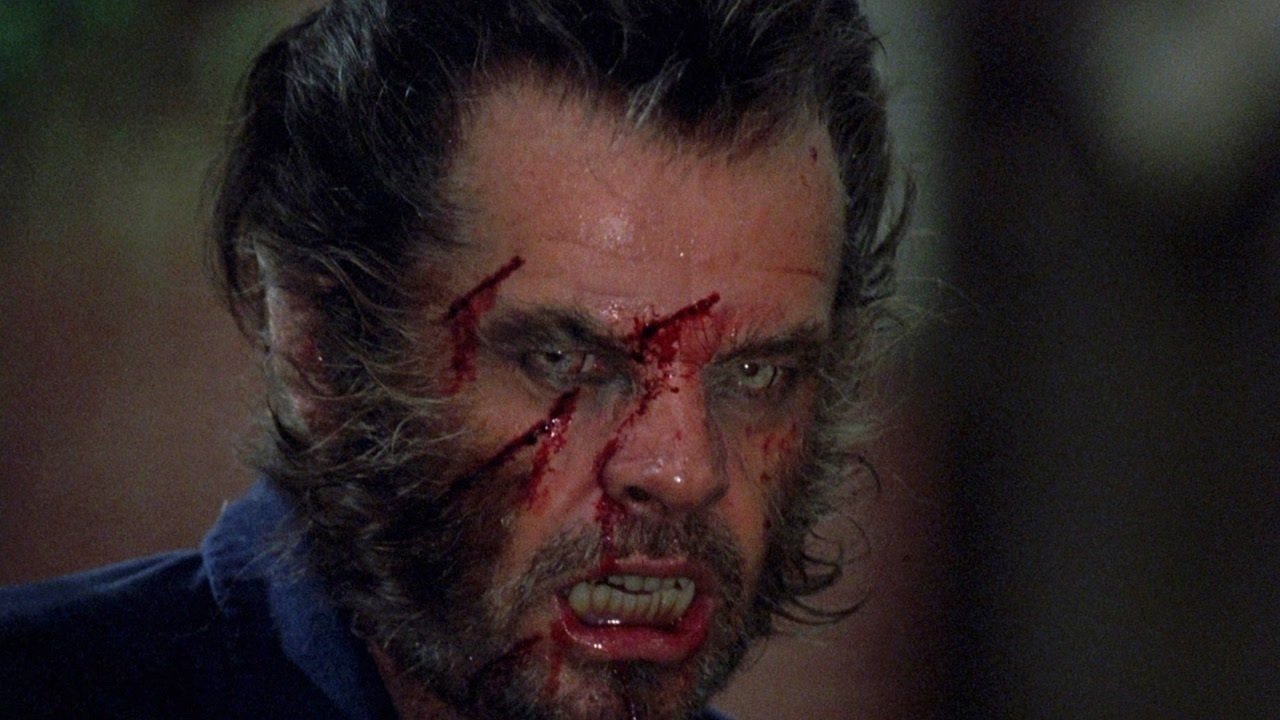
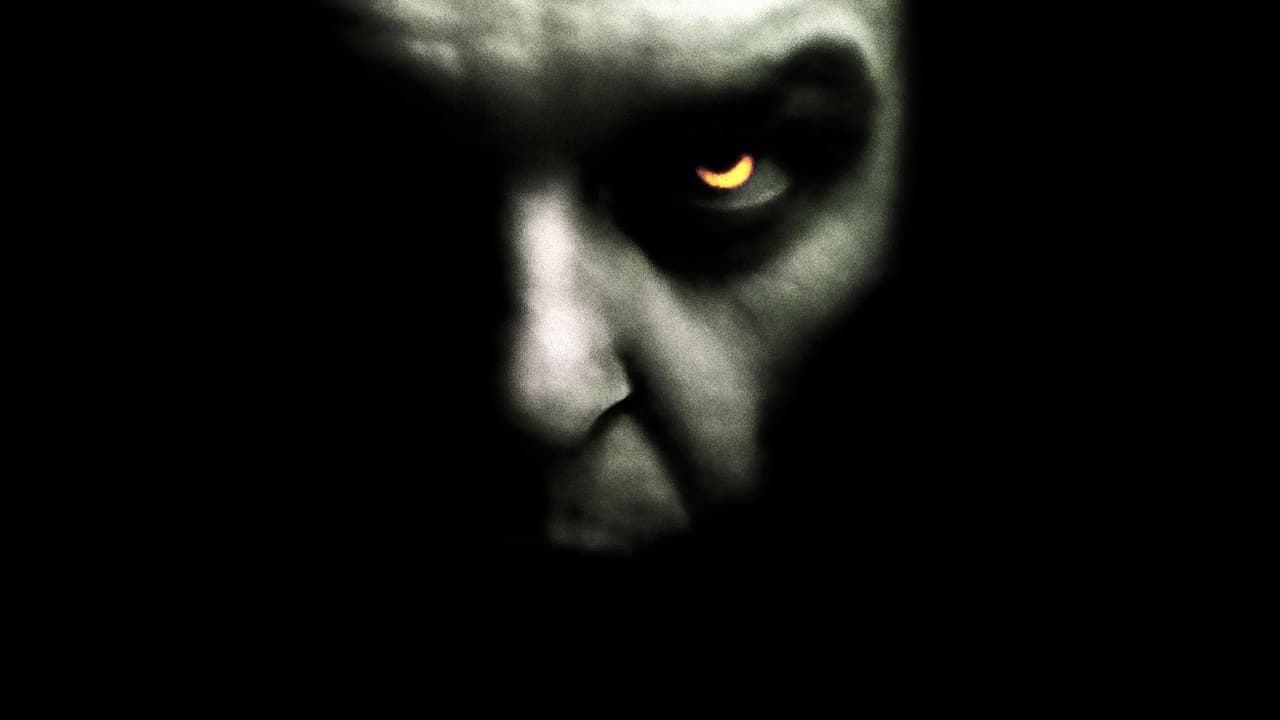
When the film finally decides it has to be a horror movie, it brings in the legendary Rick Baker for the makeup effects. Rick Baker, of course, revolutionized the genre with An American Werewolf in London, but here he keeps things remarkably restrained. There are no elaborate CGI bone-stretching sequences like we’d see just a few years later in the late 90s. Instead, we get subtle tufts of hair, amber contacts, and a gradual sharpening of features.
Looking back, this was a pivotal moment in cinema. We were right on the cusp of the digital revolution. A year earlier, Jurassic Park had changed the game, but Mike Nichols and his team chose to stick with the old-school ways. There’s a weight to the practical effects that I really miss. When Will leaps through the woods or takes a literal bite out of the competition, it feels grounded. However, the third act does take a bit of a dive into "superhero" territory, with characters jumping thirty feet into the air in a way that looks a bit silly by today’s standards. Still, I’ll take a slightly clunky wire-stunt over a weightless CGI wolf any day of the week.
A Last Gasp of Adult Genre Cinema
Michelle Pfeiffer shows up as Laura Alden, the rebellious daughter of Will's billionaire boss, played by the formidable Christopher Plummer. Michelle Pfeiffer is great, though her character feels a bit like a holdover from a different script—the "mysterious noir dame" who exists primarily to look stunning in shadows and give Will a reason to fight. The chemistry is there, but the real love story is between Will and his newfound power.
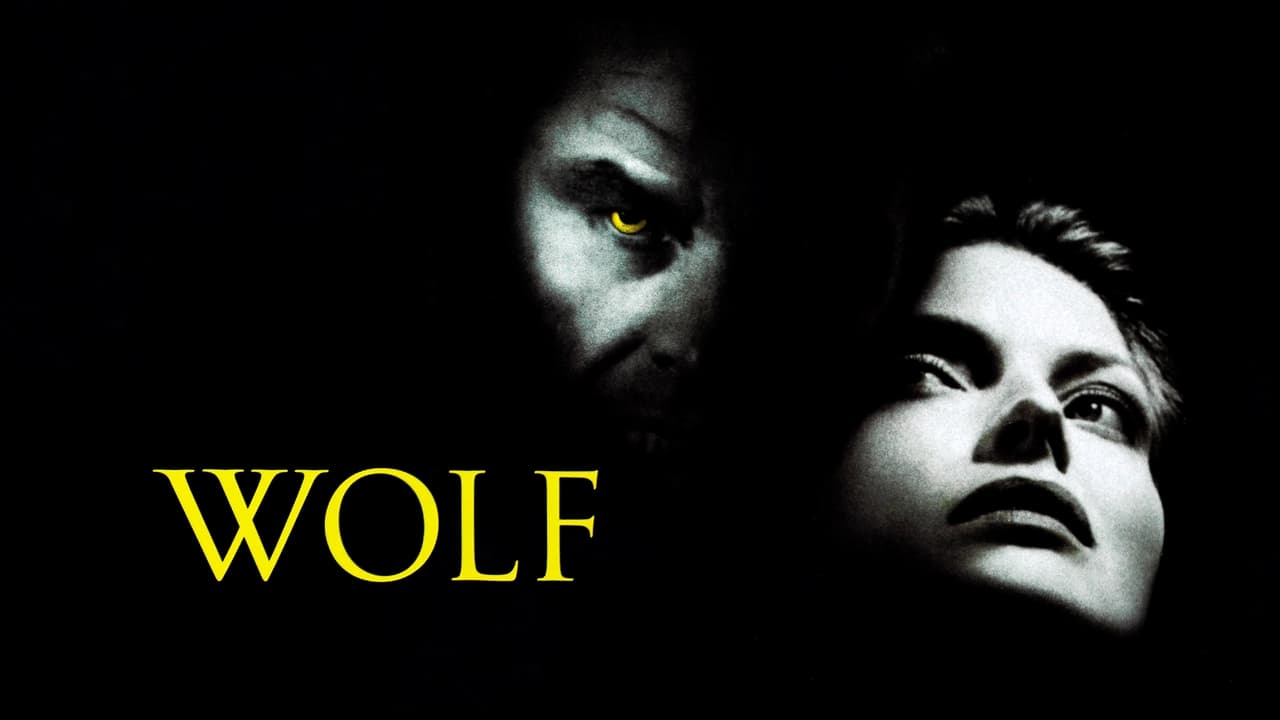
The score by Ennio Morricone is a hidden gem. It’s not a bombastic horror soundtrack; it’s moody, jazzy, and sophisticated, mirroring the high-brow aspirations of the film. It reminds me of how studios used to throw immense resources at "grown-up" movies that didn't fit into a neat box. Wolf isn't quite a horror movie, and it isn't quite a drama. It’s a weird, hairy hybrid that disappeared from the cultural conversation because it didn't have the "slasher" appeal for kids or the pure prestige for Oscar voters.
The film eventually loses its way in a climax that feels more like a standard thriller than the sharp satire it started as, but the journey there is well worth the time. It’s a snapshot of a time when we expected our movie stars to be charismatic, our effects to be practical, and our monsters to wear expensive wool overcoats. If you want to see Jack Nicholson reclaim his alpha status while Richard Jenkins pops up in a small role as a detective, you really can’t go wrong here. It’s a reminder that sometimes, the most terrifying thing in the world isn't a wolf in the woods—it's the guy in the office next to you who wants your job.
Keep Exploring...
-
Mary Shelley's Frankenstein
1994
-

Charlie Wilson's War
2007
-
Closer
2004
-
The Age of Innocence
1993
-
Far and Away
1992
-
First Knight
1995
-
Lolita
1997
-
Flatliners
1990
-
Candyman
1992
-
The Good Son
1993
-
It Could Happen to You
1994
-
The Quick and the Dead
1995
-
That Thing You Do!
1996
-
The Craft
1996
-
Blast from the Past
1999
-
Never Been Kissed
1999
-
The Thomas Crown Affair
1999
-

Something's Gotta Give
2003
-
The Saint
1997
-
What a Girl Wants
2003