Wyatt Earp
"Justice has a long memory and a longer runtime."
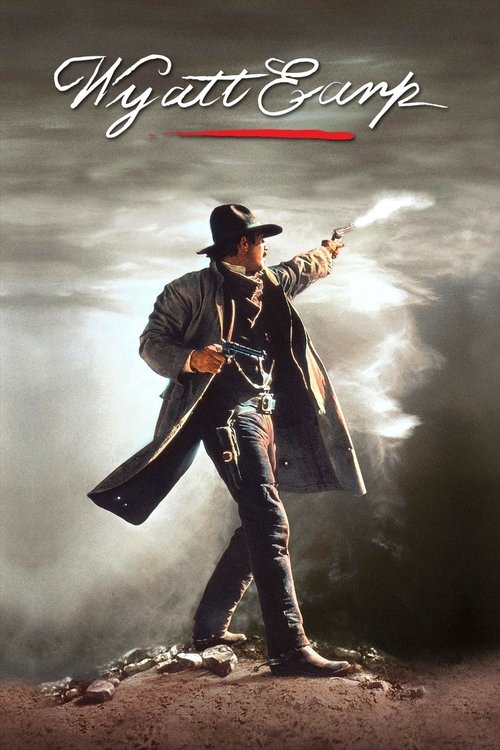
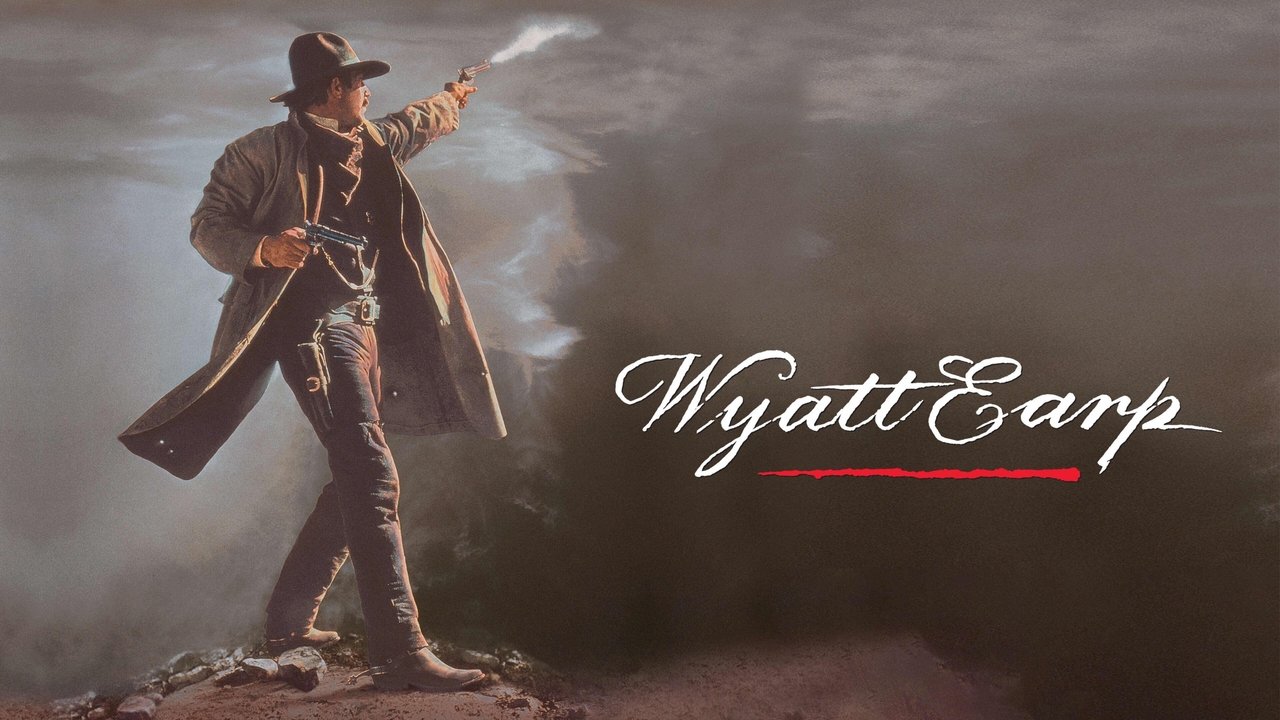
There is a specific brand of 1990s hubris that only a man with a fresh Best Director Oscar and a mid-career hot streak could pull off. In 1994, Kevin Costner wasn’t just a movie star; he was an industry unto himself. He didn’t just want to play Wyatt Earp; he wanted to be the definitive historical record of the man. This led to one of the most famous showdowns in Hollywood history: the "Earp-off" between this film and the flashier, punchier Tombstone. While Kurt Russell was out there delivering iconic one-liners, Costner and director Lawrence Kasdan (The Empire Strikes Back, Raiders of the Lost Ark) were busy building a three-hour-and-nine-minute cathedral to the legendary lawman’s entire life.
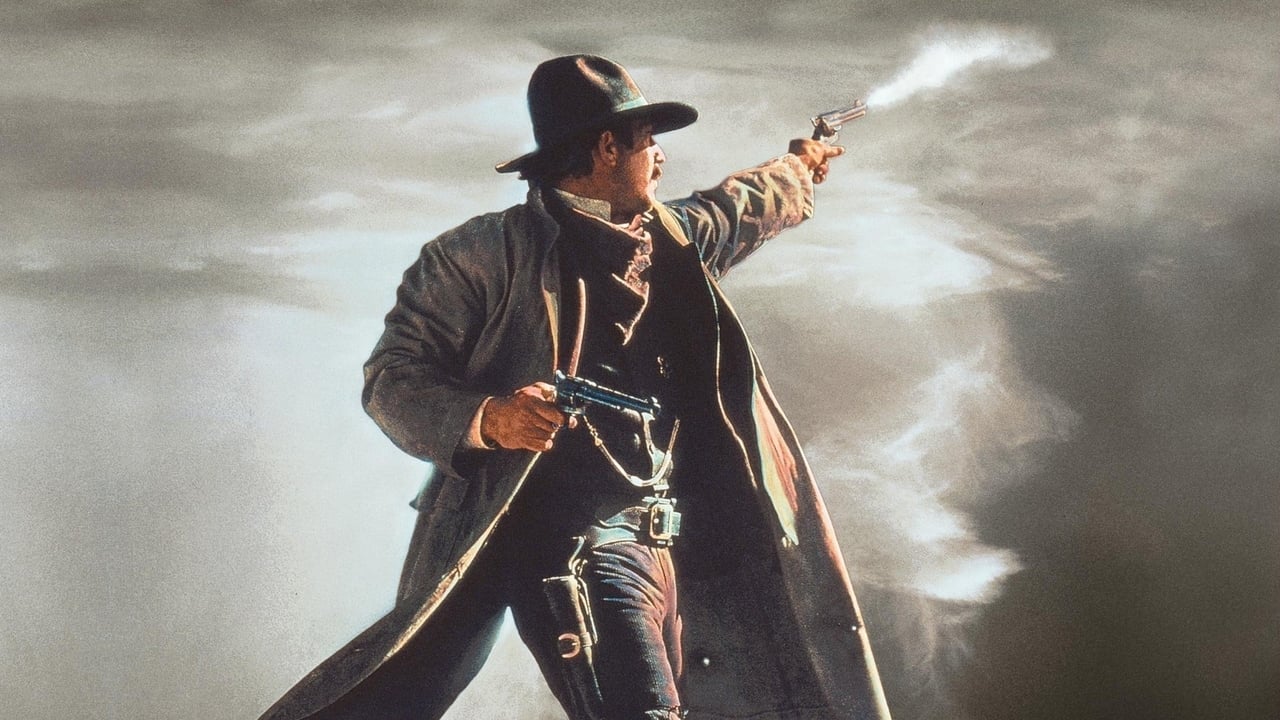
I recently revisited this behemoth on a rainy Tuesday while my neighbor was loudly power-washing his driveway, and the constant hum of the water actually blended quite well with the film’s relentlessly somber tone. It’s a movie that demands you sit still, put your phone in another room, and commit to the slow-burn evolution of a man from a wide-eyed Missouri boy to a cold-blooded dealer of "frontier justice."
The Gorgeous, Grinding Pace of the West
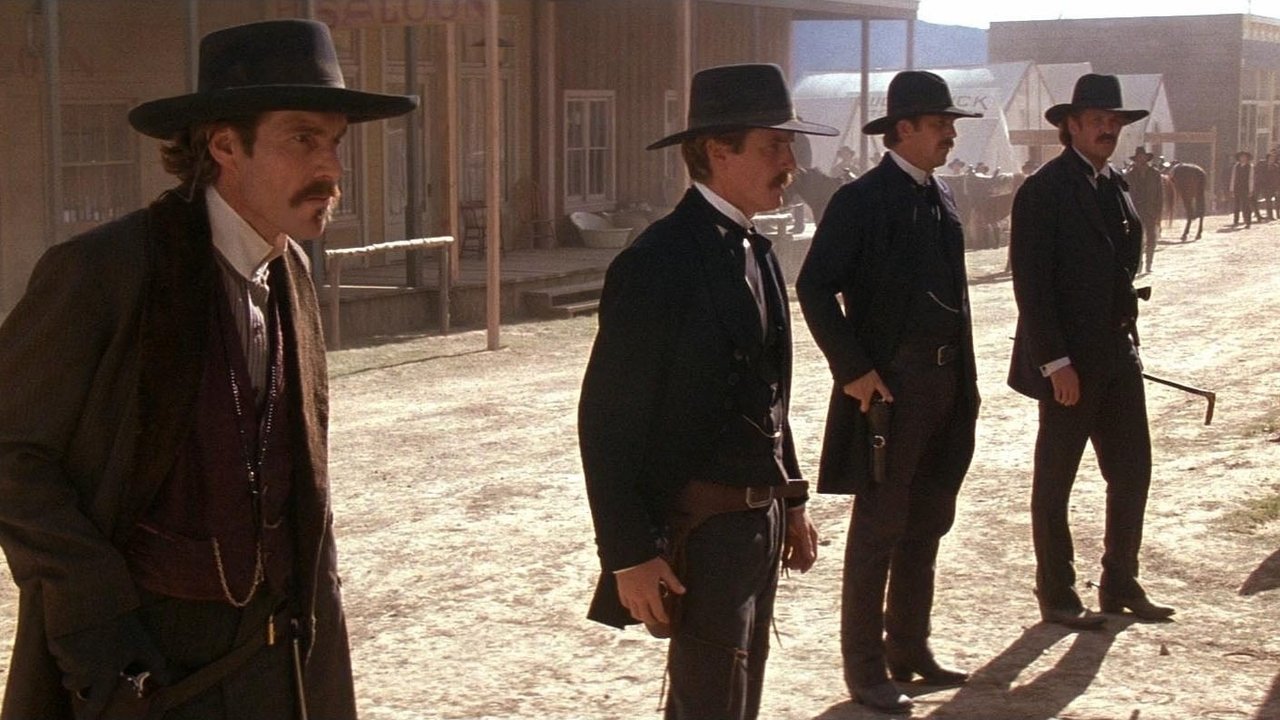
The first thing you notice about Wyatt Earp—besides the fact that you could watch the entire Back to the Future trilogy in roughly the same amount of time—is how staggeringly beautiful it looks. Shot by Owen Roizman (The Exorcist, The French Connection), this is a masterclass in practical, large-scale 90s filmmaking. Before CGI could just "copy-paste" a crowd of extras or a herd of buffalo, Lawrence Kasdan had to actually put bodies in suits and horses on the dirt. The result is a Western that feels heavy. You can almost smell the dust, the cheap whiskey, and the unwashed wool.
However, that weight is a double-edged sword. The script by Dan Gordon and Kasdan is determined to show us everything. We get Wyatt’s teenage years, his failed marriage, his stint as a horse thief, and his time as a buffalo hunter long before we ever see a badge. It’s a biographical "deep dive" that often feels as exciting as watching a cactus grow in real-time. While the intent was to show how Wyatt became the hardened man of Tombstone, the result is a narrative that frequently trips over its own spurs. It’s the ultimate "DVD culture" movie—the kind of film where you feel like you’re watching the extended director's cut by default.
A Skeleton in a Silk Vest
If there is one undeniable reason to sit through this nearly 200-minute marathon, it’s Dennis Quaid. To play the tuberculosis-ridden Doc Holliday, Quaid famously dropped about 40 pounds, and he looks absolutely haunting. While Val Kilmer’s Doc in Tombstone is the one we all quote at parties, Quaid’s performance is a jarring, tragic piece of acting. He looks like a wet cigarette that somehow learned to shoot a pistol. He’s gaunt, gray, and carries a palpable sense of doom that gives the movie its only real sparks of unpredictable energy.
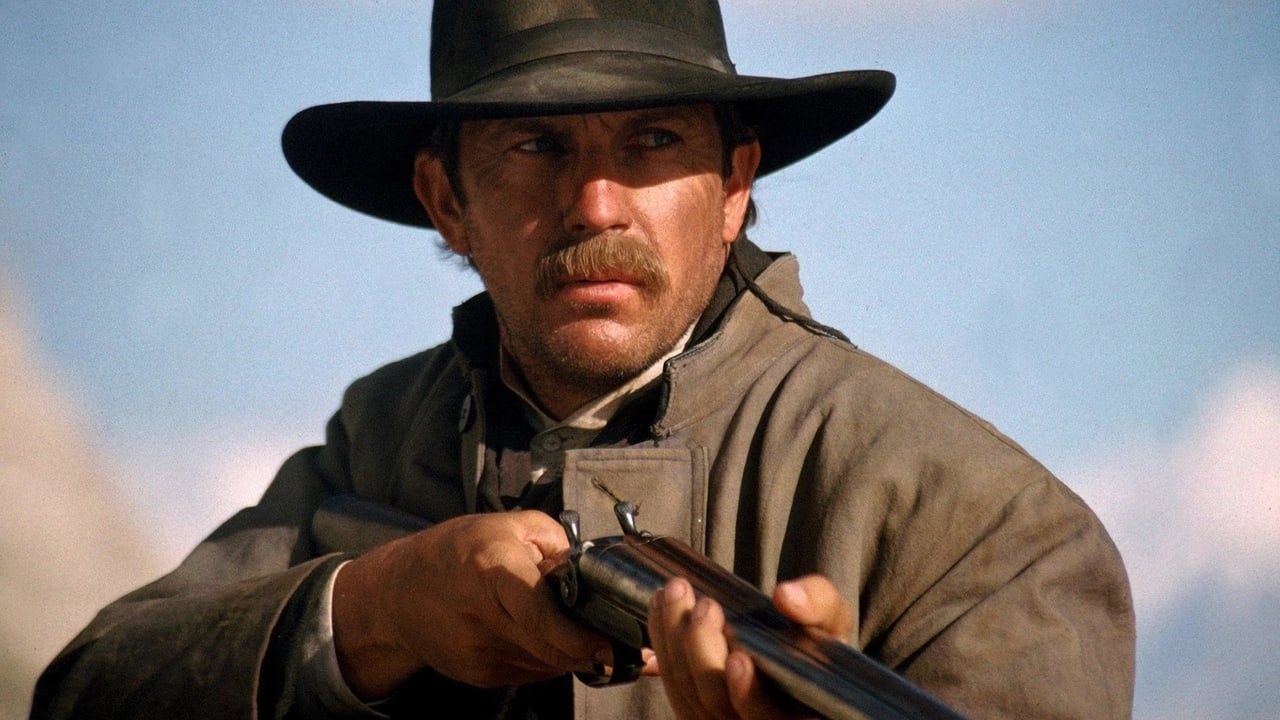
Kevin Costner, meanwhile, plays Earp with a stoicism that eventually curdles into arrogance. It’s a brave performance because he doesn’t make Wyatt particularly likable. By the time he’s joined by his brothers—played by a solid supporting cast including David Andrews, Linden Ashby, and Bill Pullman—Costner’s Wyatt has become a man who views the law as a personal weapon. Gene Hackman appears early on as the patriarch Nicholas Earp, laying down the family’s moral code ("Nothing matters more than blood"), but he disappears far too soon, leaving a vacuum that the younger actors struggle to fill with the same gravitas.
The Action of Consequence
When the gunpowder finally starts moving, Lawrence Kasdan stages the action with a focus on messy reality rather than cinematic flair. The O.K. Corral sequence here isn't a stylized dance; it’s a chaotic, terrifying blip of violence that leaves everyone looking stunned. There’s no "Hollywood" gloss on the gunfights. When someone gets hit, the impact is dull and ugly.
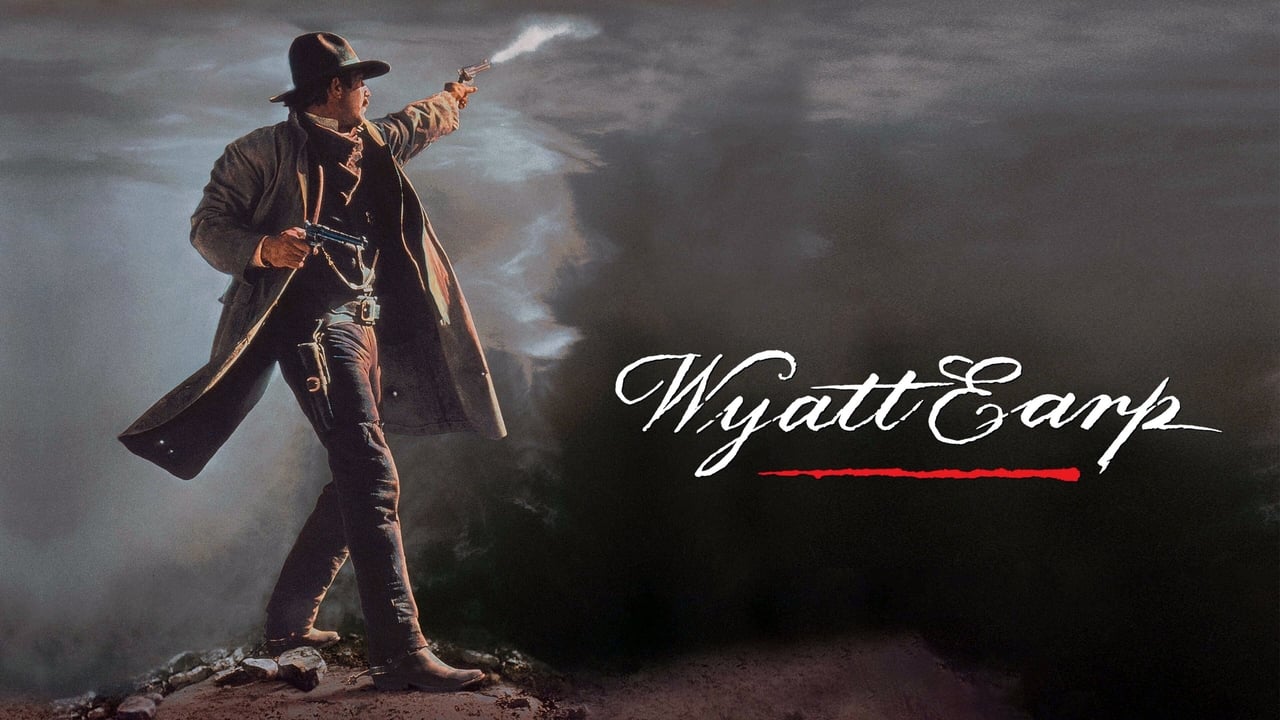
This was a pivot point in 90s cinema—the transition from the myth-making Westerns of the past to a more cynical, "historical" approach. This film arrived just as the "Indie Renaissance" was starting to make these big-budget studio epics look a bit bloated and old-fashioned. While it lacks the sheer fun of its rivals, it possesses a grit that holds up surprisingly well. The score by James Newton Howard is perhaps the film's secret weapon; it’s sweeping and regal, trying its hardest to convince you that what you’re watching is a monumental piece of American history rather than just a very long biopic.
Ultimately, Wyatt Earp is a film that is much easier to respect than it is to love. It’s a beautifully shot, expertly acted piece of work that suffers from a chronic lack of a "delete" key in the editing room. It’s the "prestige" version of a story that probably worked better as a campfire tale, but for those who want to lose themselves in the dirt and the details of the 19th century, it’s a journey worth taking at least once. Just make sure you have a comfortable chair and a very large bag of popcorn.
Keep Exploring...
-
Maverick
1994
-
The Quick and the Dead
1995
-
Days of Thunder
1990
-
Far and Away
1992
-
First Knight
1995
-

Robin Hood: Prince of Thieves
1991
-
The Postman
1997
-
The Messenger: The Story of Joan of Arc
1999
-

The Bodyguard
1992
-

Sahara
2005
-
1492: Conquest of Paradise
1992
-
Open Range
2003
-
Passenger 57
1992
-
DragonHeart
1996
-
Executive Decision
1996
-
Twister
1996
-
Absolute Power
1997
-
Dante's Peak
1997
-
Flight of the Phoenix
2004
-
Walking Tall
2004