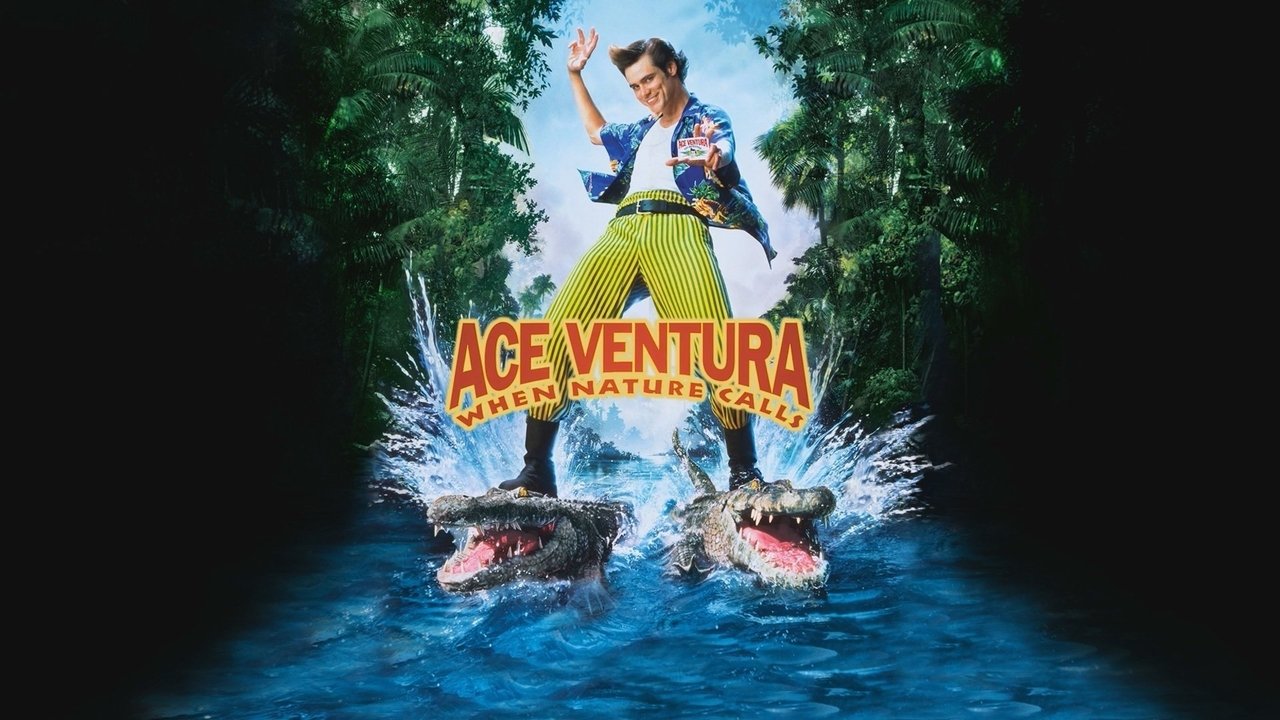
Ace Ventura: When Nature Calls
"A manic safari through Jim Carrey’s wildest impulses."
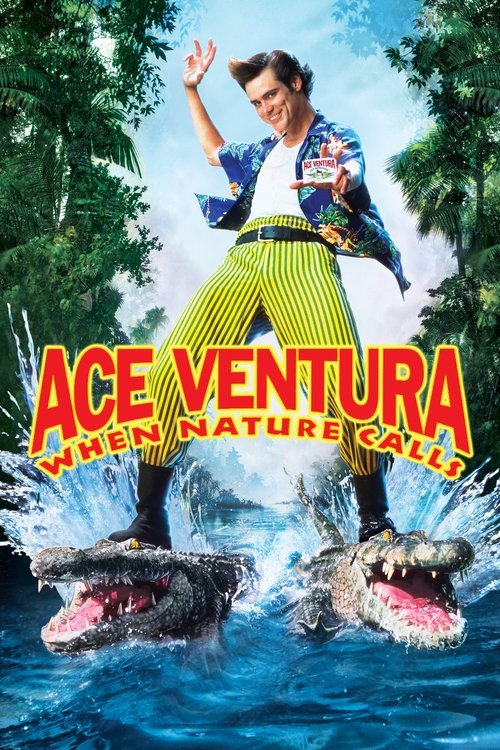
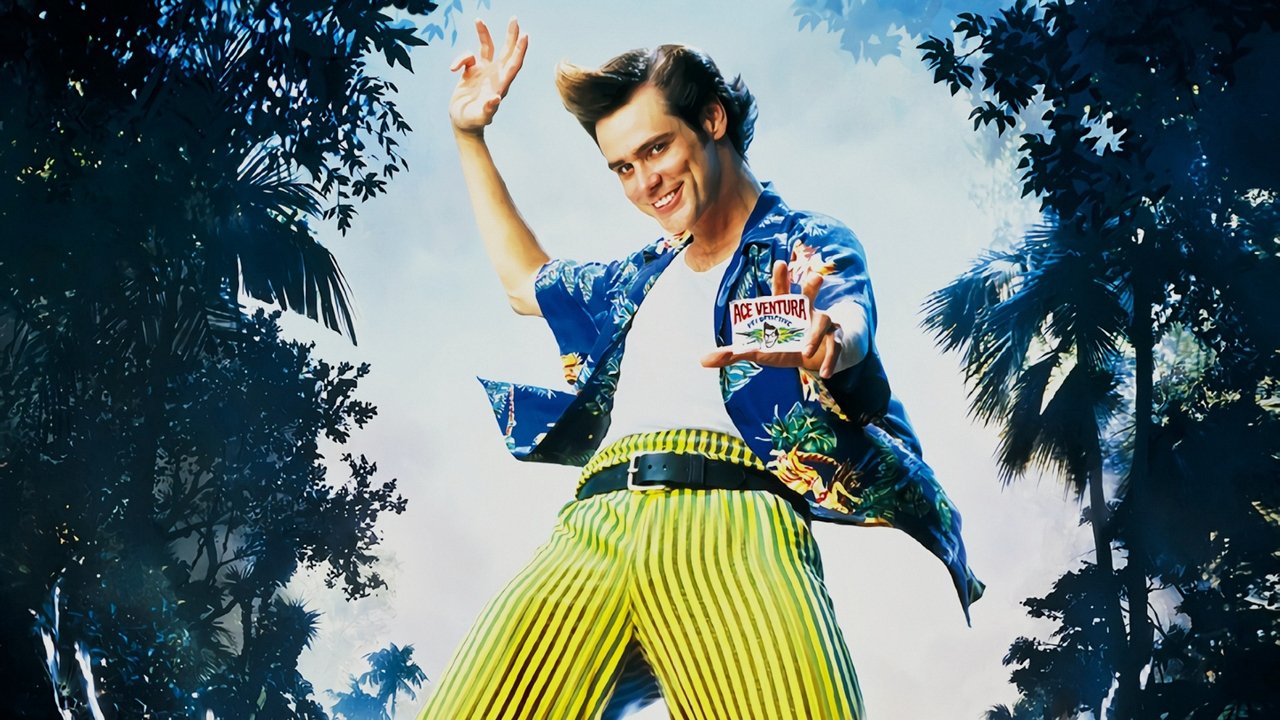
In 1995, Jim Carrey wasn't just a movie star; he was a high-pressure weather system moving across the cultural landscape. After the triple-threat knockout of Ace Ventura: Pet Detective, The Mask, and Dumb and Dumber (which co-starred Jeff Daniels) in a single calendar year, he had essentially earned a blank check to be as weird as humanly possible. Ace Ventura: When Nature Calls is that check being cashed, tax-free, in the middle of a jungle. It is a film that replaces the detective-noir parody of the first movie with something closer to a live-action Looney Tunes episode on a massive budget.
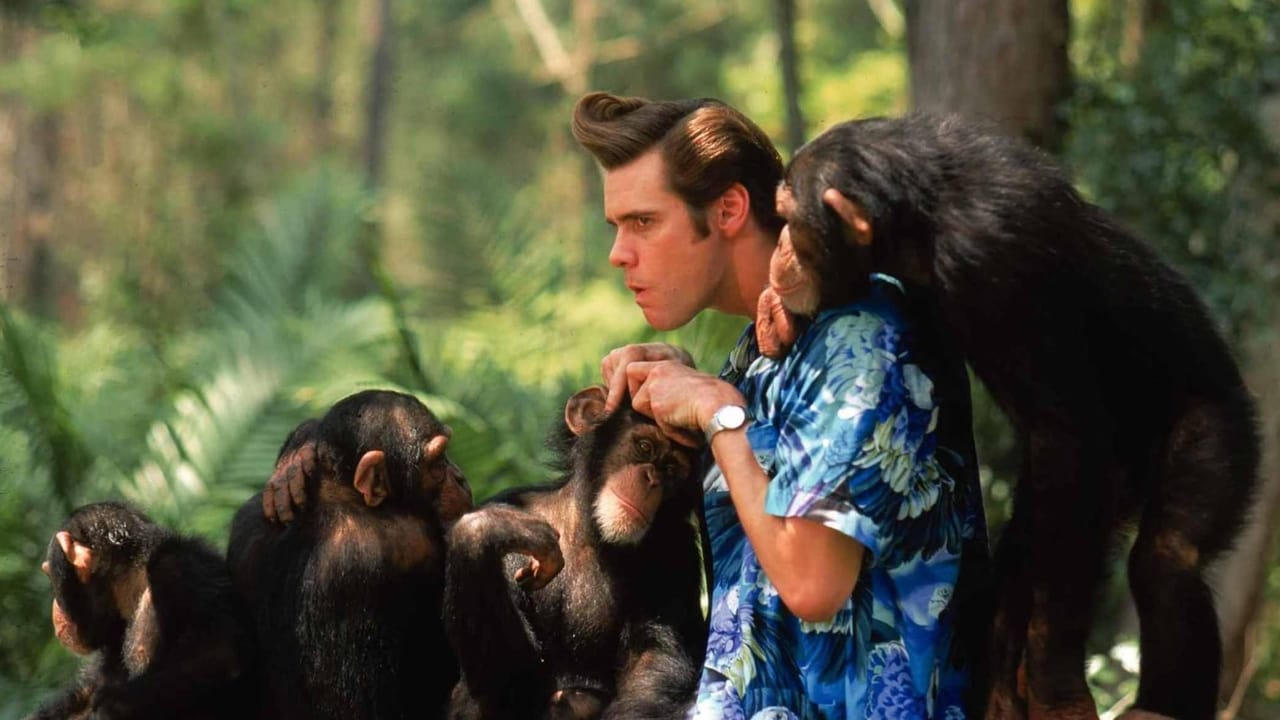
I recently rewatched this on a humid Tuesday evening while nursing a lukewarm ginger ale that had lost its fizz hours ago, and honestly, the flat soda was the perfect companion. You don’t need high-energy refreshments when Jim Carrey is doing enough cardio for the entire audience.
The Evolution of the Rubber Face
While the first film felt like a comedy with a plot, the sequel feels like a series of increasingly elaborate dares. Steve Oedekerk—who stepped in to direct and write after Tom Shadyac moved on—clearly understood that the audience wasn't there for a mystery; they were there to see what sounds Jim Carrey could make with his neck muscles. Oedekerk, who would later give us the cult masterpiece Kung Pow! Enter the Fist, brings a surrealist edge to the proceedings.
The plot involves Ace being summoned from a Tibetan monastery (after a traumatizing raccoon-related incident) to find a missing sacred white bat in the fictional African province of Bonai. It’s a classic "fish out of water" adventure, but the "fish" in this scenario is a hyperactive detective in a Hawaiian shirt who refuses to acknowledge the concept of social boundaries. Looking back, this movie is essentially a $30 million document of a performer operating at the absolute limit of physical comedy.
A Slinky, A Rhino, and a Very Patient Cast
The film’s success relies heavily on the "straight man" performances. Ian McNeice (later of Doc Martin and Dune fame) is magnificent as Fulton Greenwall. He anchors the film with a dry, British exasperation that makes Ace’s antics feel even more deranged. Simon Callow, a veteran of prestigious dramas like Four Weddings and a Funeral, plays the villainous Vincent Cadby with a level of sincerity that the script probably didn't deserve but absolutely benefited from.
Then, there is "The Scene." You know the one. The mechanical rhino. In the annals of 90s cinema, few moments are as simultaneously horrifying and hilarious as Ace emerging from the rear of a "birthing" animatronic rhino while a family of tourists looks on in silent terror. It is a masterclass in timing and commitment. To think that this was achieved with practical effects—a massive, sweating puppet—rather than the digital shortcuts we see today adds a layer of tactile grossness that I truly appreciate. It’s a reminder of an era where if you wanted a man to crawl out of a rhino’s backside, you had to build the rhino.
The 90s Jungle Aesthetic
Watching this today, the "Modern Cinema" transition is visible in every frame. While the film is set in Africa, it was largely shot in South Carolina, a common studio tactic before the tax-incentive wars moved everything to Georgia. The production design is lush and intentionally "heightened," leaning into the adventure serial vibes of the 1930s.
However, we have to talk about the bat. The "Great White Bat," Shikaka, is a prime example of mid-90s CGI. It’s a floaty, slightly weightless digital asset that reveals the technical limitations of the time. Yet, in a movie this absurd, the fact that the bat looks a bit "off" almost works in its favor. It adds to the dream-logic of the world.
There’s also the matter of the cultural representation. Looking at the Wachati and Wachootoo tribes through a 2024 lens is... complicated. It’s a broad, cartoonish depiction that clearly belongs to the "National Lampoon" school of 90s humor. The film treats everyone, from the British consuls to the tribal warriors, as caricatures meant to be steamrolled by Ace’s ego. It’s less a commentary on Africa and more a commentary on Ace being an agent of pure chaos.
Behind the Scenes of a Blockbuster
The financial stats on this one are staggering for the time. Jim Carrey commanded a then-unheard-of $15 million salary, half of the entire production budget. It was a massive gamble by Morgan Creek Entertainment that paid off spectacularly, grossing over $212 million worldwide. This was the era of the "Star Vehicle" in its purest form—a movie built entirely around a single person’s ability to make a funny face.
- The Rhino Incident: The "birthing" scene was actually inspired by a similar gag Oedekerk had used in a comedy sketch years prior. - Location Scouting: Despite the "Africa" setting, the most iconic scenes were filmed at the Botany Bay Plantation in South Carolina. - The Hair: Ace’s signature pompadour required a staggering amount of hairspray and constant maintenance between takes to withstand the humidity. - The Voice: Jim Carrey reportedly lost his voice several times during production due to the constant screaming and vocal gymnastics required for the role.
Ultimately, Ace Ventura: When Nature Calls is a polarizing relic of a very specific moment in Hollywood history. It represents the peak of the monoculture, where everyone in the world knew who Ace Ventura was and could recite the "Alrighty then!" catchphrase on command. It’s loud, it’s frequently immature, and it lacks the heart of the first film’s friendship with Spike the monkey. But as a showcase for the most elastic man in show business, it’s an undeniable riot. If you can surrender to the sheer, unadulterated stupidity of it all, it remains a fantastic way to spend 90 minutes. Just don't expect the CGI bat to impress you.
Keep Exploring...
-
Ace Ventura: Pet Detective
1994
-
Austin Powers: The Spy Who Shagged Me
1999
-
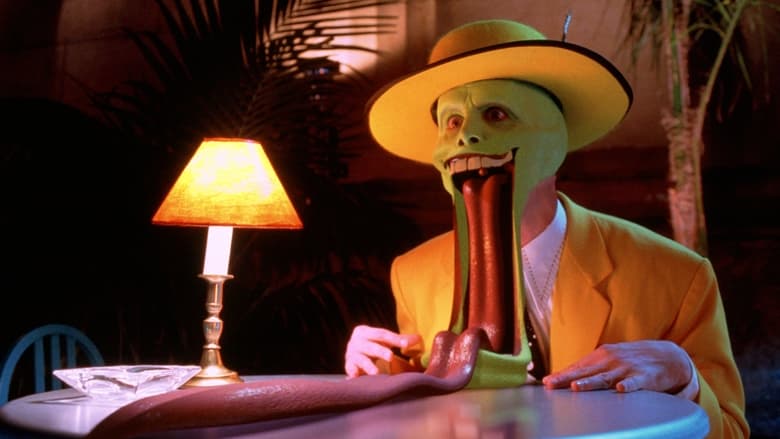
The Mask
1994
-

Dick Tracy
1990
-
O Brother, Where Art Thou?
2000
-

RED
2010
-
Horton Hears a Who!
2008
-
Lethal Weapon 4
1998
-

Taxi
1998
-
Taxi 2
2000
-
Another 48 Hrs.
1990
-
Bird on a Wire
1990
-
Teenage Mutant Ninja Turtles
1990
-
Lethal Weapon 3
1992
-
The Three Musketeers
1993
-
Bad Boys
1995
-
Rush Hour
1998
-
Big Momma's House
2000
-
Barnyard
2006
-

Bruce Almighty
2003