Assassins
"Two hunters. One target. No room for second place."
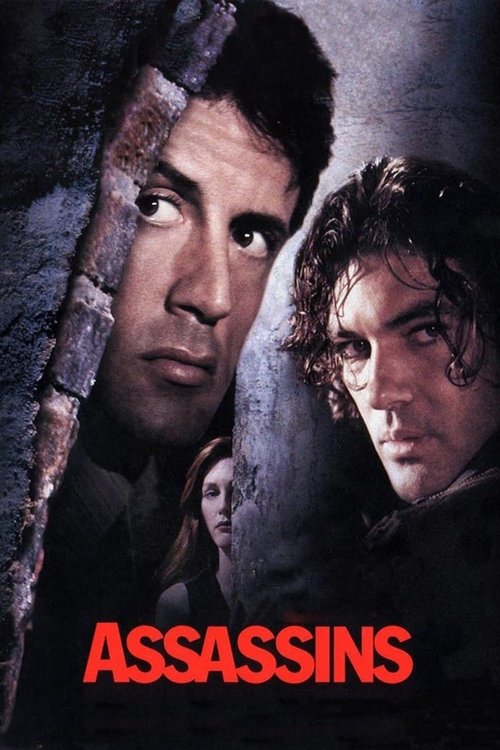
I recently re-watched Assassins while sitting on a beanbag chair that has lost about 40% of its structural integrity, and honestly, the slow, sinking feeling of the chair perfectly mirrored the deliberate, grinding pace of this 1995 thriller. It’s a movie that feels like a relic from a very specific moment in time—a bridge between the muscle-bound excess of the 80s and the high-concept, tech-heavy "cool" that would define the late 90s.
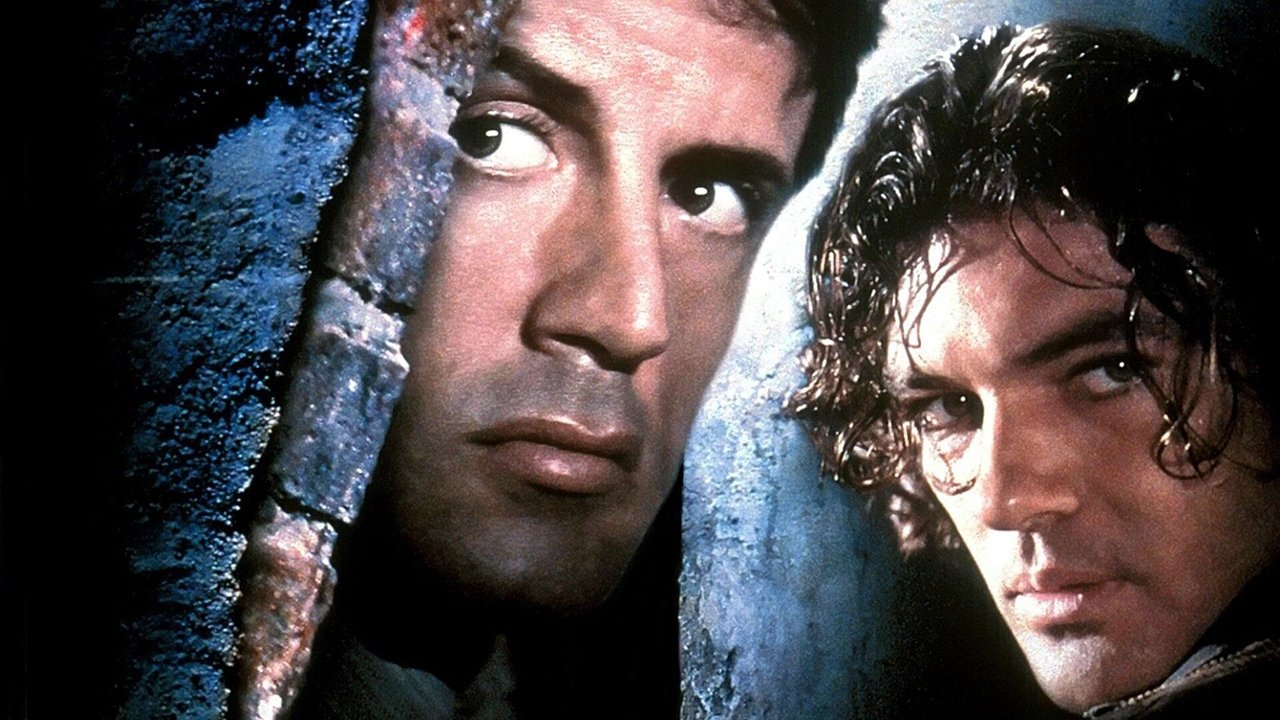
You’ve got Richard Donner, the man who basically perfected the buddy-cop dynamic with Lethal Weapon, directing a script by Lana Wachowski and Lilly Wachowski. On paper, that sounds like a fever dream of kinetic energy. In reality, the Wachowskis actually tried to get their names taken off the credits after Donner had the script heavily rewritten by Brian Helgeland (L.A. Confidential). They wanted a dark, existential poem about the soul of a killer; Donner wanted a $50 million cat-and-mouse game with explosions. What we ended up with is a fascinatining, slightly bloated, but deeply watchable middle ground.
The Stoic vs. The Psychopath
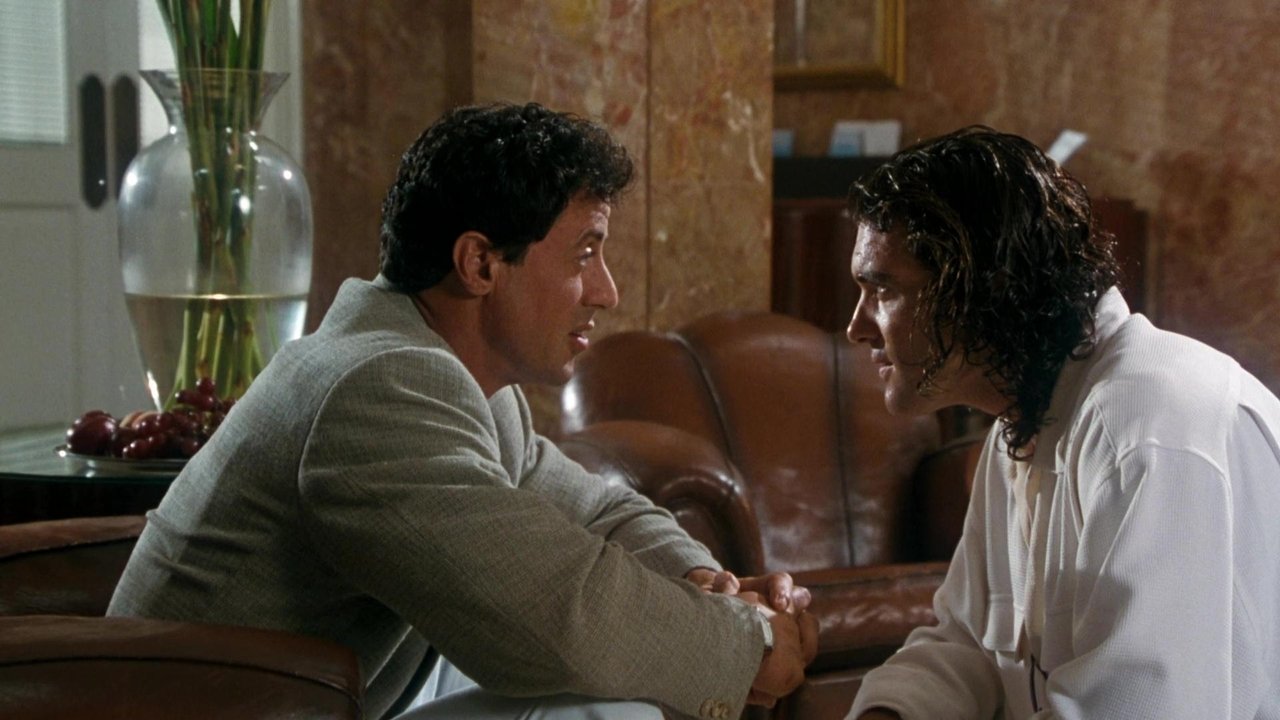
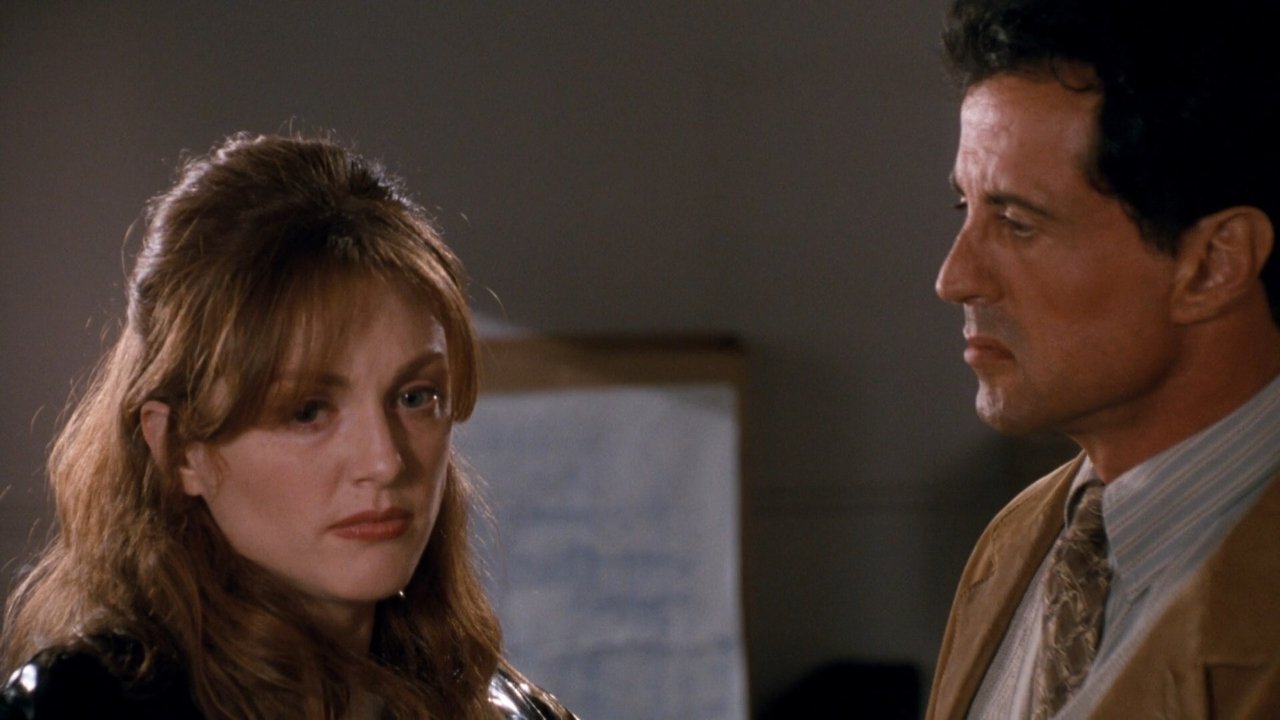
The film centers on Sylvester Stallone as Robert Rath, the "best in the business" who is looking for the exit door. Stallone is in full "subdued mode" here. If you only know him as Rambo, his performance in Assassins might surprise you. He spends most of the movie whispering, looking tired, and staring intensely at computer monitors that display text at about five words per minute. It’s a performance rooted in the 90s trend of the "weary professional," a trope Stallone would later master in Cop Land.
Then there’s Antonio Banderas as Miguel Bain. If Stallone is playing a somber cello, Banderas is playing a flaming electric guitar with his teeth. He is absolutely electric, twitchy, and unhinged. He talks to himself, laughs at his own kills, and carries a high-powered sniper rifle like it’s a sacred relic. Every time he’s on screen, the movie’s pulse jumps. Banderas is essentially playing a live-action Wile E. Coyote with a silencer, and he is clearly having the most fun of anyone in the cast.
Between them sits Julianne Moore as Electra, a surveillance expert who lives in a high-tech apartment with a cat and some very expensive (for 1995) computer hardware. She’s the target that brings the two men together, and while she’s mostly there to be protected, Moore brings a level of intelligence and genuine panic to the role that elevates the material.
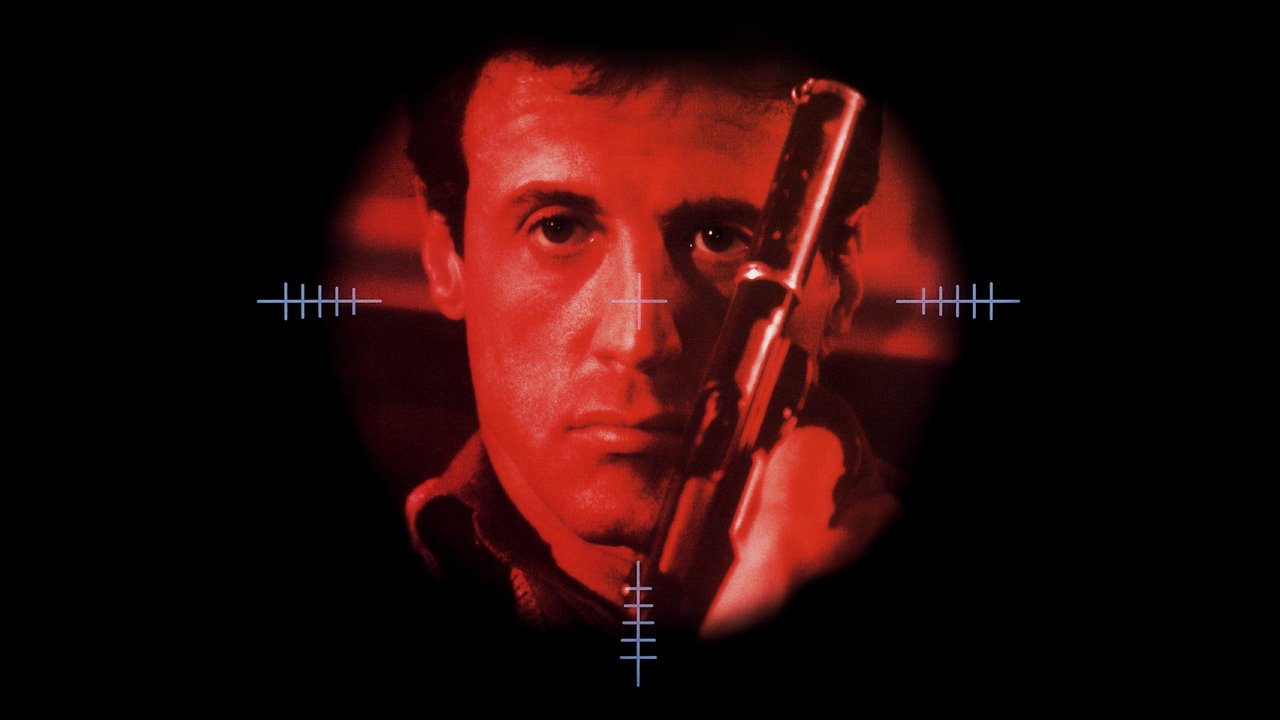
The Art of the Slow-Motion Standoff
What really sets Assassins apart from its contemporary peers—like the hyper-kinetic Desperado or the operatic Heat—is its obsession with the "long game." This isn't a movie about martial arts or car chases that defy physics. It’s a movie about snipers waiting. Donner uses the 132-minute runtime to build a sense of geographic tension.
The centerpiece sequences, particularly the funeral shootout and the final confrontation in a decaying Caribbean hotel, are masterclasses in 90s practical action. There is a weight to the gunshots here. When a bullet hits a car window, it doesn't just shatter; it feels like an event. The sound design is punchy and percussive, punctuating the long stretches of silence where Rath and Bain are simply trying to out-think one another.
However, looking back, the film is essentially a two-hour-long advertisement for the importance of backing up your floppy disks. The plot revolves around a disk containing sensitive information, and the way the film treats "hacking" is adorable by modern standards. There’s a scene where they’re in a library trying to find a "workstation," and it feels like they’re searching for the Holy Grail. This was the era where the internet was still a mysterious, slightly scary frontier, and Assassins captures that tech-anxiety perfectly.
The Ghost of the Original Vision
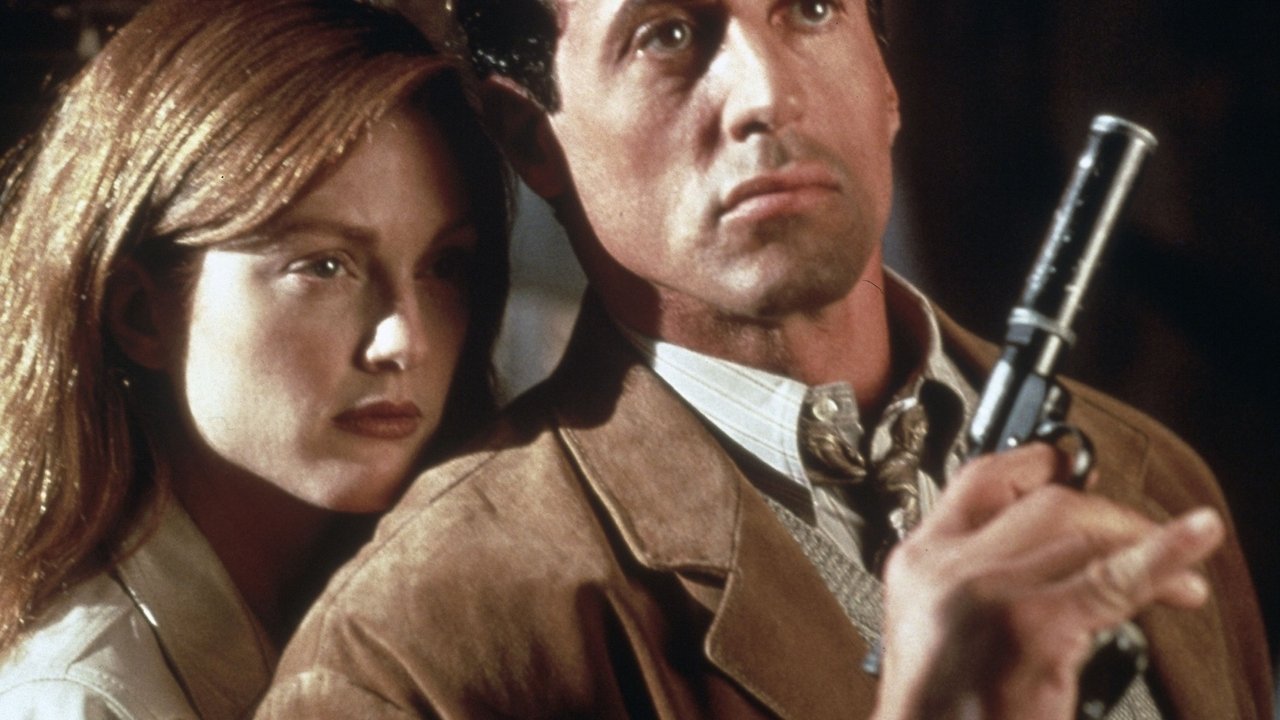
You can still see flashes of the Wachowskis' original, weirder vision poking through the blockbuster polish. There are themes of identity and the "shadow world" that would eventually blossom in The Matrix. The relationship between Rath and his mysterious handler, played via computer screen, feels like a precursor to the Operator/Neo dynamic.
The production value is massive. You can see every cent of that $50 million budget on the screen—from the sprawling Seattle locations to the gorgeous, crumbling architecture of the third act in Puerto Rico. Even though it flopped at the box office, it doesn't feel "cheap." It feels like a movie made by people who knew exactly how to stage a large-scale thriller, even if the script was undergoing an identity crisis during filming.
Ultimately, Assassins is a solid, mid-tier actioner that thrives on the chemistry—or lack thereof—between its two leads. It’s a bit too long, and the "Information Age" plot hasn't aged as gracefully as the stunt work, but it’s a great example of a studio movie that takes its time. It’s the kind of film you catch on a rainy Sunday afternoon and find yourself unable to turn off because you just want to see if Banderas finally loses his mind. If you’re a fan of the era where practical squibs ruled the earth and "the web" was something you accessed via a loud 14.4k modem, this is a hunt worth joining.
Keep Exploring...
-
Lethal Weapon 4
1998
-
Conspiracy Theory
1997
-

16 Blocks
2006
-
Lethal Weapon 3
1992
-
Daylight
1996
-
Shaft
2000
-
Maverick
1994
-
Payback
1999
-

Into the Blue
2005
-
Bullet to the Head
2012
-
The Jackal
1997
-
The Losers
2010
-
Blood Work
2002
-
Timeline
2003
-
Cliffhanger
1993
-
RoboCop 2
1990
-
Assault on Precinct 13
2005
-
Backdraft
1991
-
Escape from L.A.
1996
-
Executive Decision
1996