Babe
"Kindness is the ultimate disruption."
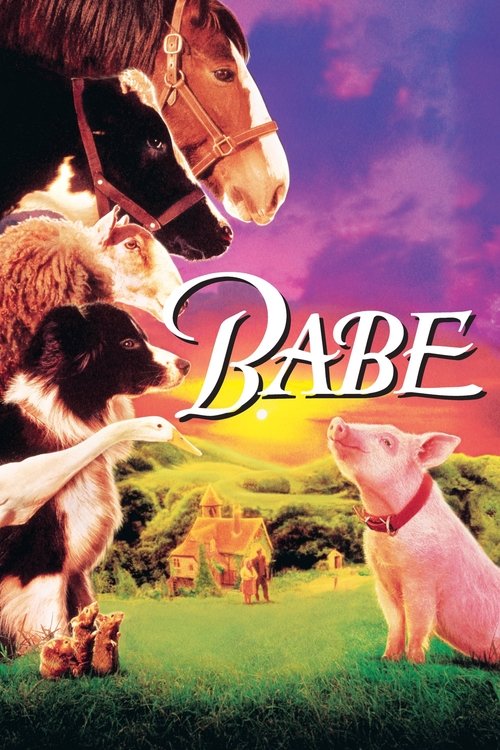
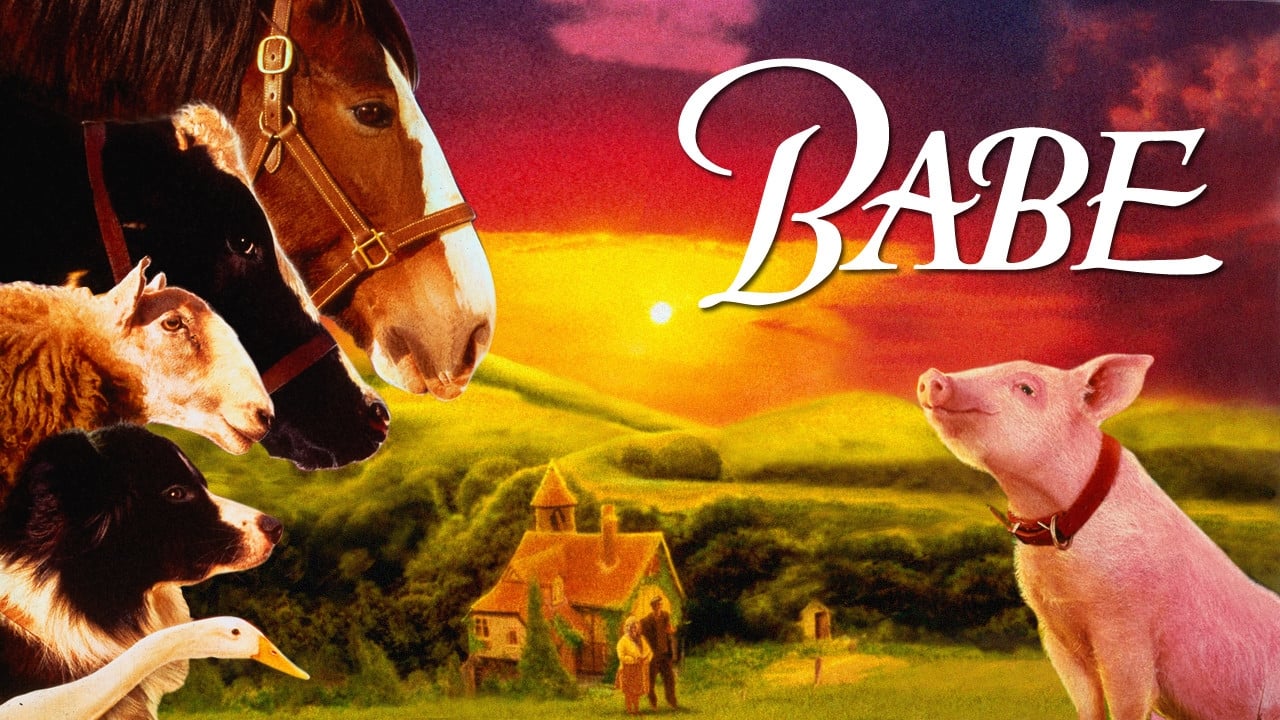
I remember the collective confusion in 1995 when the world learned that George Miller—the man responsible for the leather-clad, gasoline-soaked carnage of Mad Max—was producing and co-writing a movie about a talking pig. It felt like a prank. But then I sat down in a sticky-floored suburban theater, clutching a bag of Sour Patch Kids that were unnecessarily difficult to chew, and I realized I wasn't just watching a "kids' movie." I was watching a beautifully orchestrated drama about the rigid structures of society and the audacity it takes to ignore them.
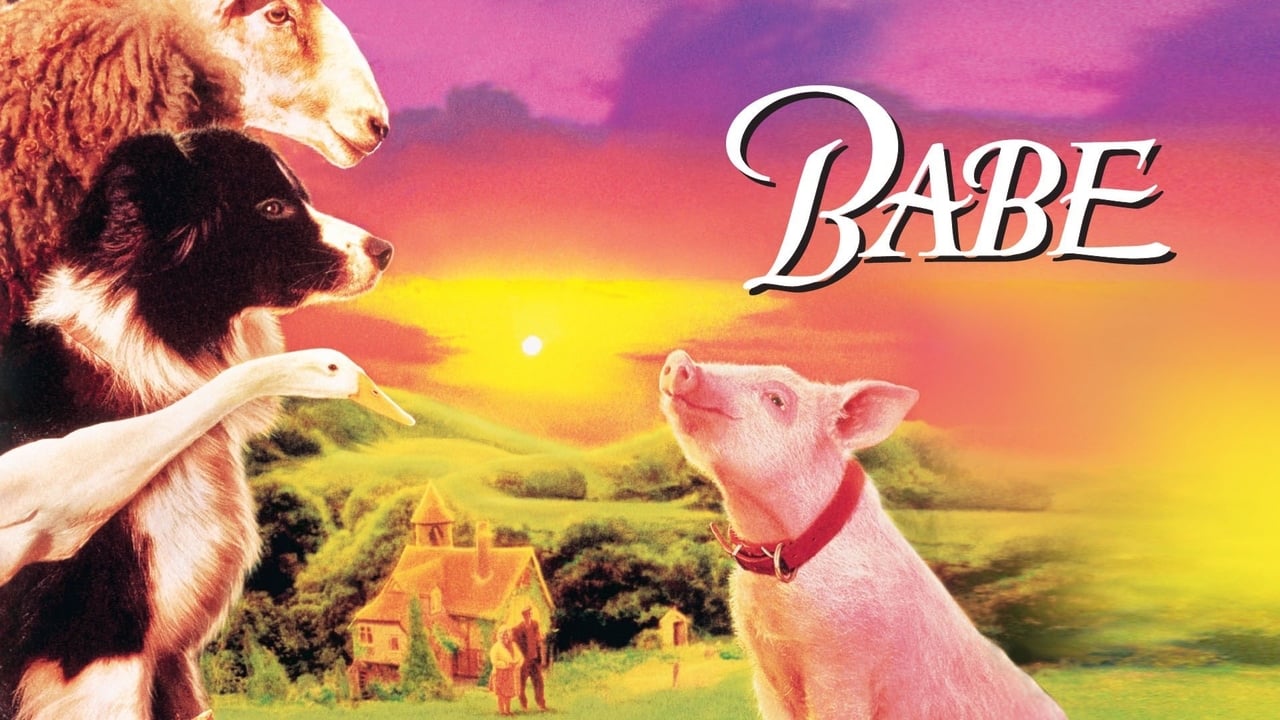
Looking back, Babe is the ultimate Trojan Horse of 90s cinema. It arrived under the guise of family-friendly fluff but carried the thematic weight of a Dickensian novel. It’s a film that demands you take a pig seriously, and by the time the credits roll, you absolutely do.
The George Miller Paradox
It’s impossible to talk about Babe without acknowledging the weird, wonderful energy of the Australian film scene in the mid-90s. This was an era where the "CGI Revolution" was just starting to flex its muscles (think Jurassic Park just two years prior), but filmmakers hadn't yet abandoned the tactile magic of the real world. Director Chris Noonan and producer George Miller chose a path of maximum resistance: they used real animals, animatronics from Jim Henson’s Creature Shop, and nascent digital effects to make the animals' mouths move.
The result is something that has aged surprisingly well. Unlike the "live-action" remakes of the 2010s that often feel like cold, sterile tech demos, Babe has dirt under its fingernails. When James Cromwell (as Farmer Hoggett) looks at the titular pig, there is a tangible, soul-stirring connection there. Cromwell, who was primarily known as a character actor before this, delivers a performance of incredible restraint. He barely speaks, but his stillness is magnetic. Apparently, the role was so transformative for him that he became a devout vegan after filming—a fun fact that makes the scene where the Hoggetts consider eating Babe for Christmas dinner feel existentially terrifying.
A Pig of High Drama and Low Comedy
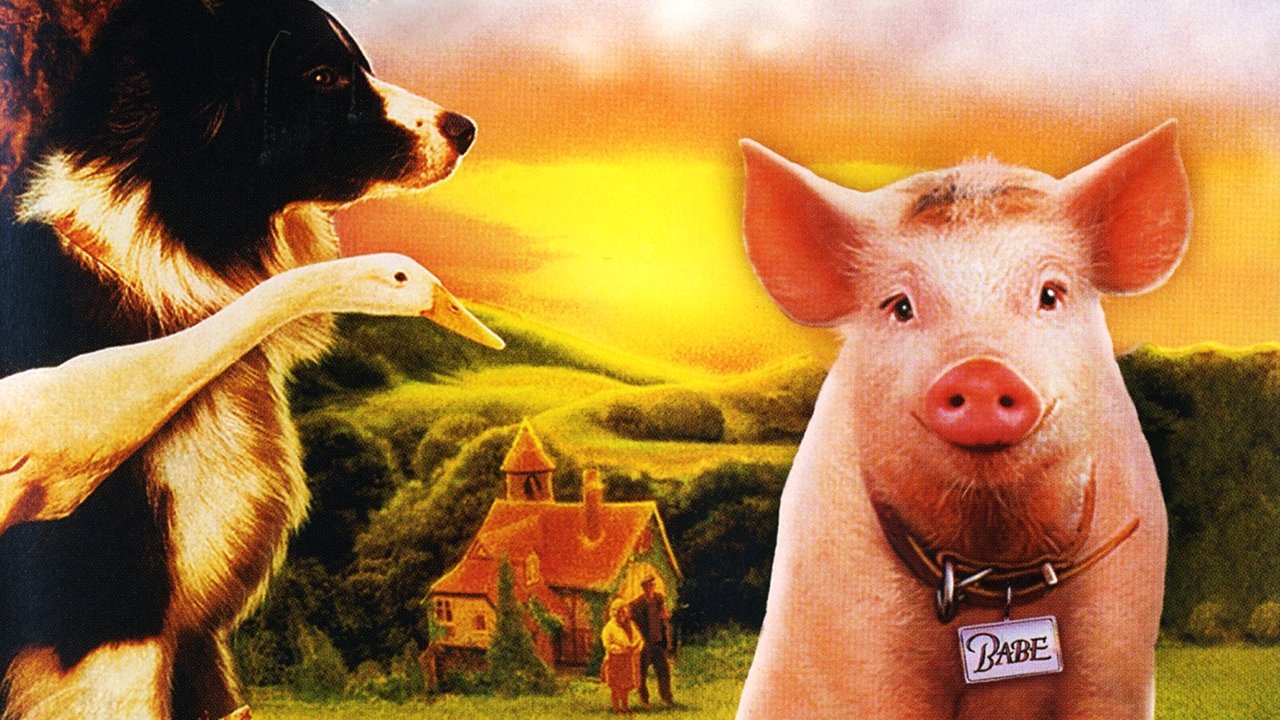
While the film is undeniably funny—Danny Mann as Ferdinand the Duck is a neurotic masterpiece of Gen X anxiety—the core of Babe is its dramatic earnestness. We are introduced to a farm where every animal has a pre-ordained "place." The dogs lead, the sheep follow, and the pigs... well, the pigs disappear.
The voice work here is what elevates the film from a gimmick to a classic. The late Christine Cavanaugh (the legendary voice of Chuckie from Rugrats and Dexter from Dexter's Laboratory) imbues Babe with a polite, unwavering optimism that never feels saccharine. Then you have Hugo Weaving, long before he was Agent Smith or Elrond, voicing Rex the lead sheepdog. Rex isn't a villain; he’s a tragic figure, a veteran of a system he can no longer dominate, struggling with a world that is moving past his brand of "rule by fear."
The screenplay manages to weave these heavy themes of classism and generational trauma into a story about a pig who wants to herd sheep. It’s an underdog story, sure, but it’s told with a level of cinematic sophistication that most dramas for "grown-ups" lack. The cinematography by Andrew Lesnie (who would go on to shoot The Lord of the Rings) gives the farm an ethereal, storybook glow that feels grounded in the mud and hay.
The $250 Million Sheep-Pig
From a box office perspective, Babe was a genuine phenomenon. It turned a $30 million budget into over $250 million worldwide, proving that audiences were hungry for something that treated them like they had a brain. But more impressively, it crashed the 1995 Academy Awards. In an era before the "Best Animated Feature" category existed to silo off non-traditional films, Babe was nominated for seven Oscars, including Best Picture. It was up against Braveheart and Apollo 13, and honestly, I’d argue it has a more coherent philosophy than both of them.
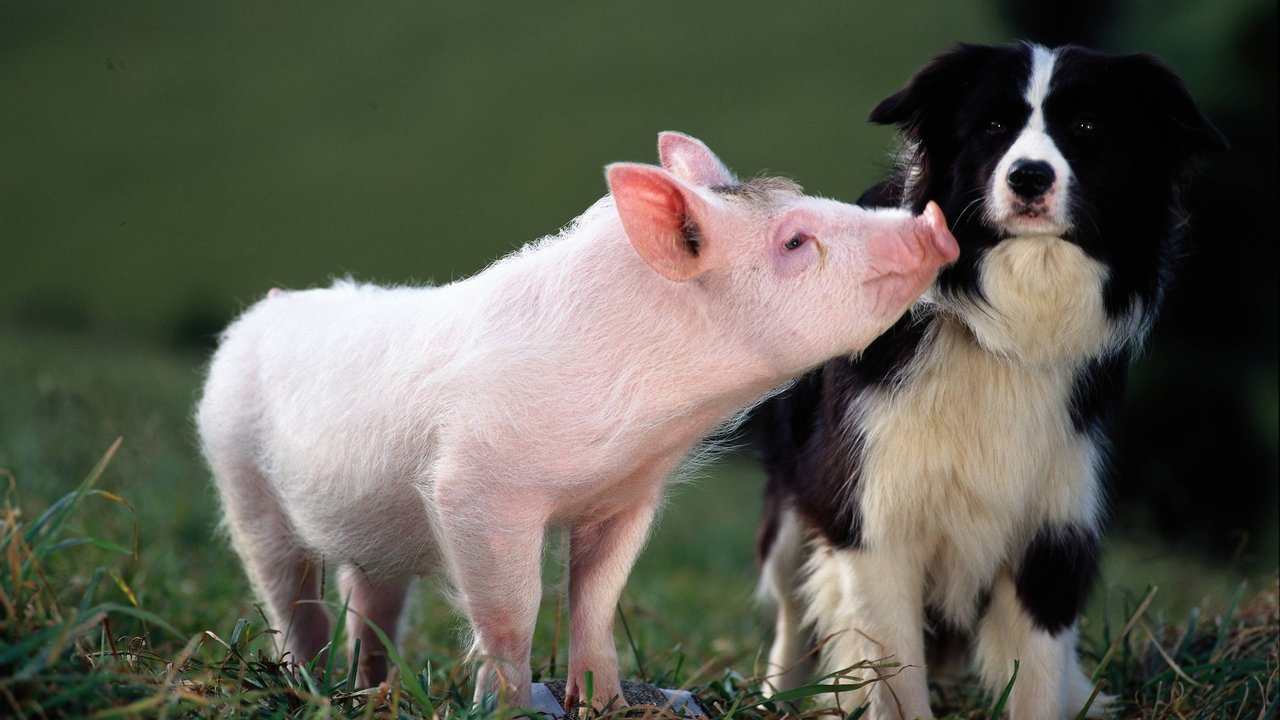
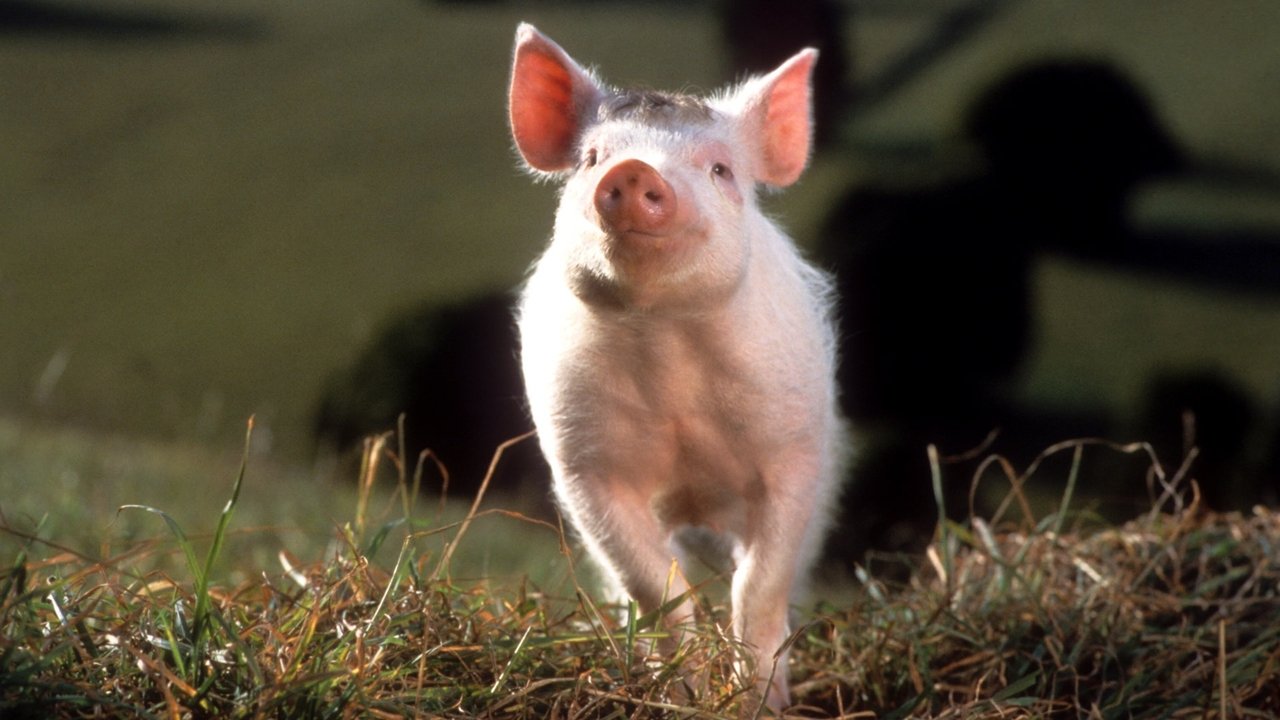
The production was a logistical nightmare that would have broken a lesser crew. Because pigs grow so fast, they had to use 48 different Large White piglets over the course of the shoot to keep Babe looking the same size. Each one had to be "made up" with a toupee and eyelashes to match the animatronic version. That level of commitment to the "illusion" is what makes the movie work. It wasn't just a studio trying to sell toys; it was a group of artists obsessed with making a pig look like a hero.
The legacy of Babe is more than just a catchphrase, though "That'll do, pig" remains one of the most perfectly earned lines in cinema history. It stands as a bridge between the practical effects era and the digital future, showing that technology is at its best when it's invisible and serving the heart of the story. It’s a film that respects its audience, regardless of their age, and challenges the idea that we are defined by what others expect of us.
If you haven't revisited this one since the days of VHS, do yourself a favor and find it on a high-definition stream. The textures of the farm, the nuance in James Cromwell's face, and the sheer audacity of the singing mice are even better than you remember. It’s a rare piece of 90s blockbuster filmmaking that doesn't rely on nostalgia to keep its engine running. It’s just great storytelling, plain and simple.
Keep Exploring...
-

Babe: Pig in the City
1998
-
The Santa Clause
1994
-
Happy Feet
2006
-
Hook
1991
-
Casper
1995
-

DuckTales: The Movie - Treasure of the Lost Lamp
1990
-
Freaky Friday
2003
-

The SpongeBob SquarePants Movie
2004
-
Nanny McPhee
2005
-

Arthur Christmas
2011
-

The Muppet Christmas Carol
1992
-
Hocus Pocus
1993
-
Charlie and the Chocolate Factory
2005
-

Night at the Museum
2006
-
Horton Hears a Who!
2008
-

Puss in Boots
2011
-
Hotel Transylvania
2012
-
The Odd Life of Timothy Green
2012
-
Mrs. Doubtfire
1993
-
Last Action Hero
1993