Bad Boys
"Two cops. One Porsche. Zero patience."
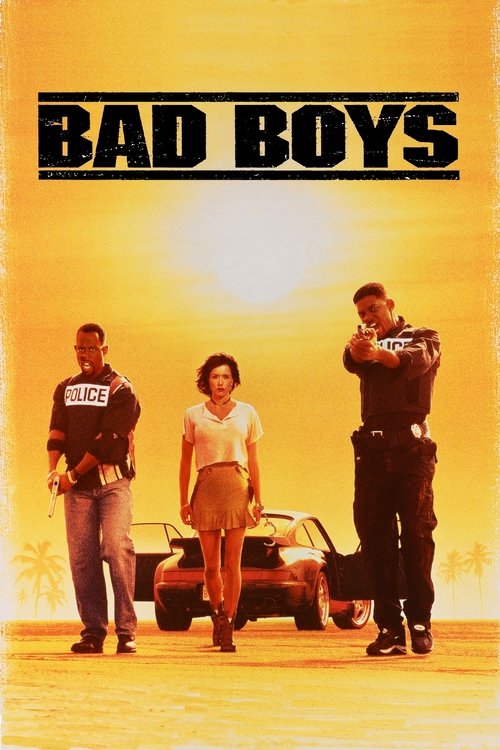
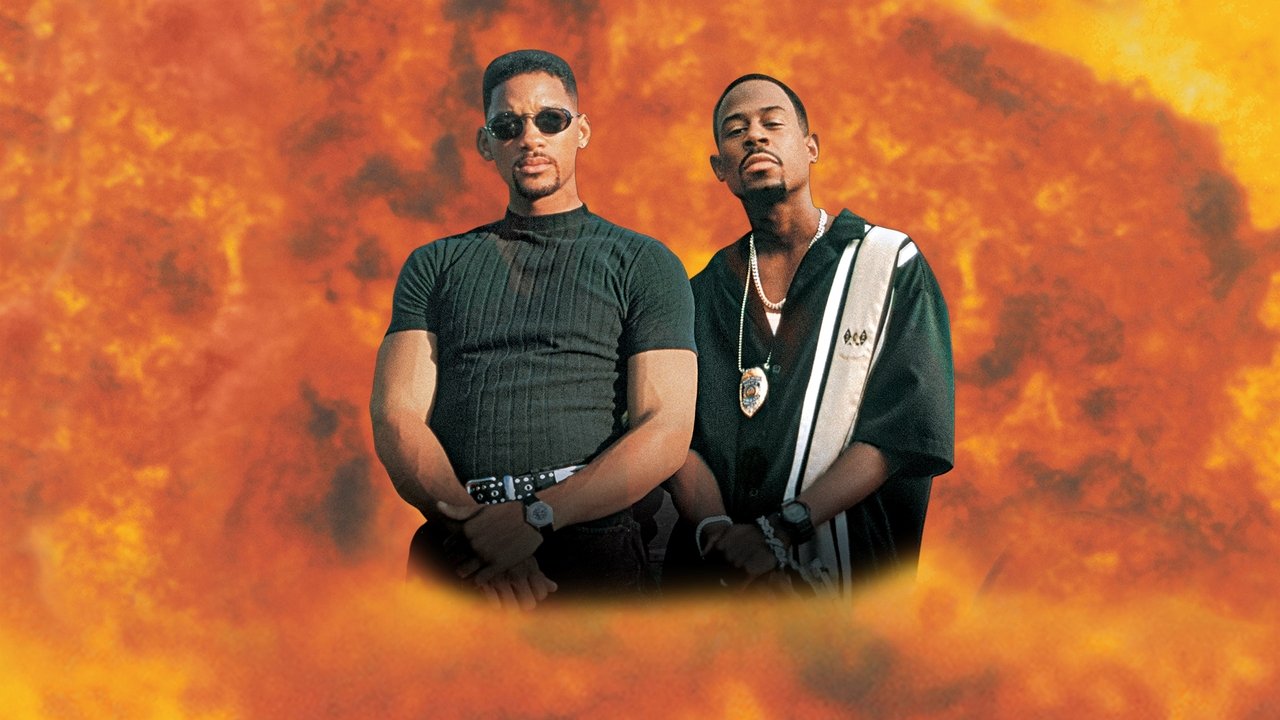
In the early 1990s, action movies were still largely hungover from the 80s—muscular, brooding, and often a bit dusty. Then a music video director with an obsession for sunsets and low-angle spinning shots decided to set Miami on fire. Bad Boys didn’t just arrive; it peacocked onto the screen, announcing the arrival of "Bayhem" and turning a sitcom prince into a global superstar before the first explosion even finished cooling.
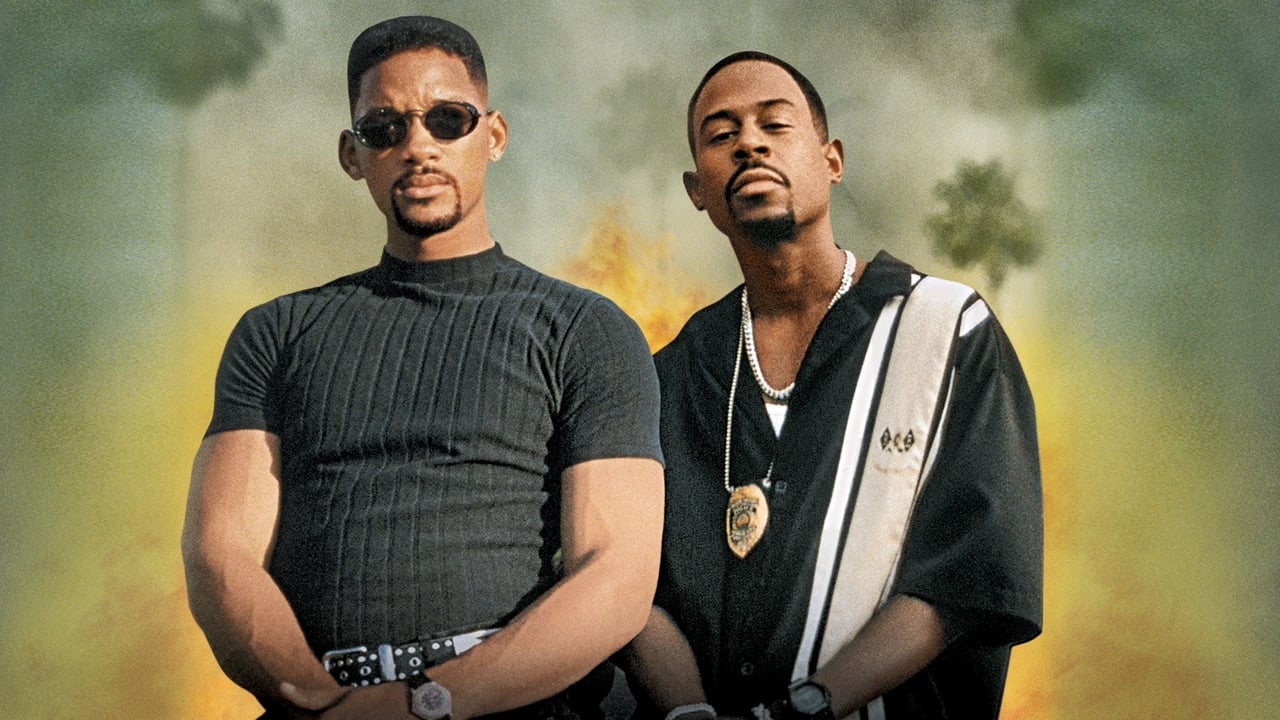
The Chemistry of Chaos
I watched this most recent re-run on a Tuesday night while eating slightly burnt popcorn and worrying if I’d left my car window open in the rain, yet within ten minutes, the weather didn't matter. The movie lives and dies on the electricity between Will Smith and Martin Lawrence. At the time, Will Smith was the Fresh Prince and Martin Lawrence was the star of Martin. Putting two sitcom leads in a big-budget actioner was a gamble that Columbia Pictures wasn't entirely sold on. In fact, the legendary producer Jerry Bruckheimer (who, along with Don Simpson, basically invented the modern blockbuster) had to fight for this duo.
The plot is a standard-issue "drugs stolen from the police locker" setup, but the script was notoriously unfinished during production. Michael Bay reportedly encouraged the leads to improvise, which resulted in the frantic, bickering energy that defines the franchise. The script is essentially a paper-thin excuse for two funny men to yell at each other in a Porsche, and honestly, that’s all it needs to be. When Mike Lowrey (Will Smith) and Marcus Burnett (Martin Lawrence) are arguing about French fries while a high-speed chase is brewing, you realize that the action is just the percussion to their comedic melody.
Birth of the Bayhem Aesthetic
This was Michael Bay’s directorial debut, and looking back, his DNA is all over every frame. Before he had $200 million budgets to blow up CGI robots in Transformers, he had a relatively modest $19 million and a lot of practical pyrotechnics. You can see him figuring out his signature moves here: the saturated orange hues of the Florida sun, the slow-motion walks away from explosions, and the "360-degree hero shot" that has since been parodied a thousand times.
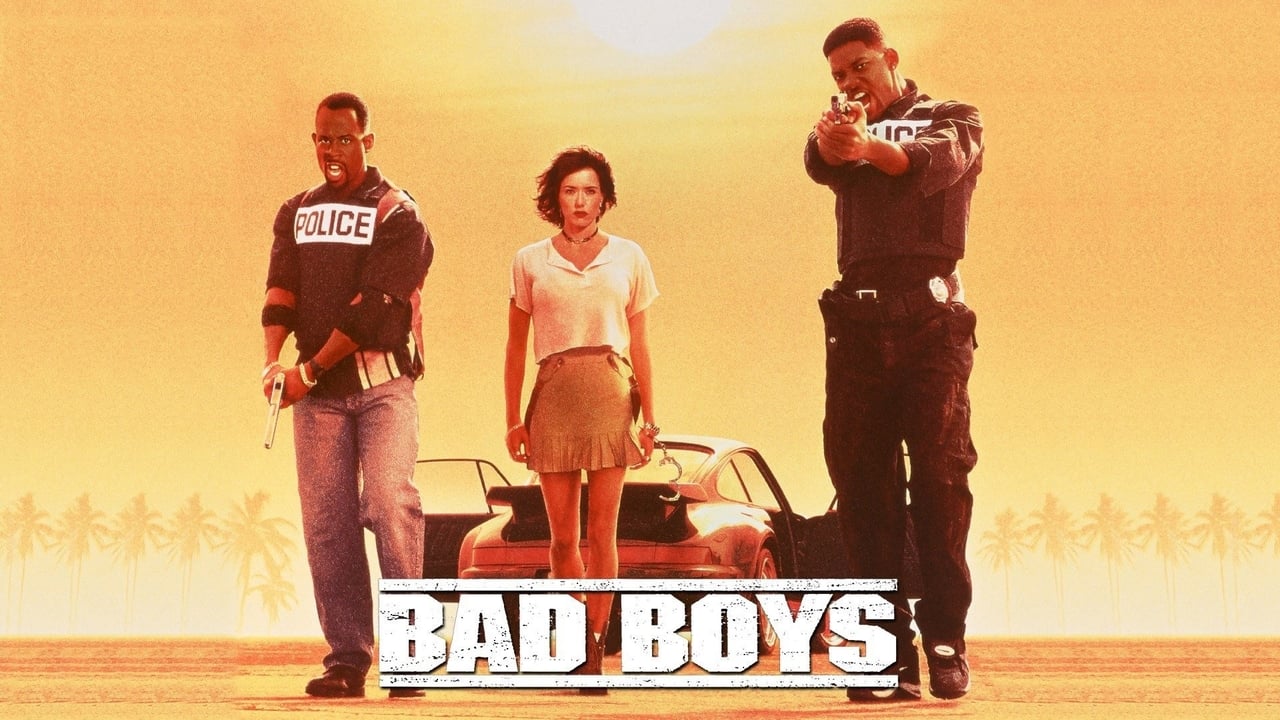
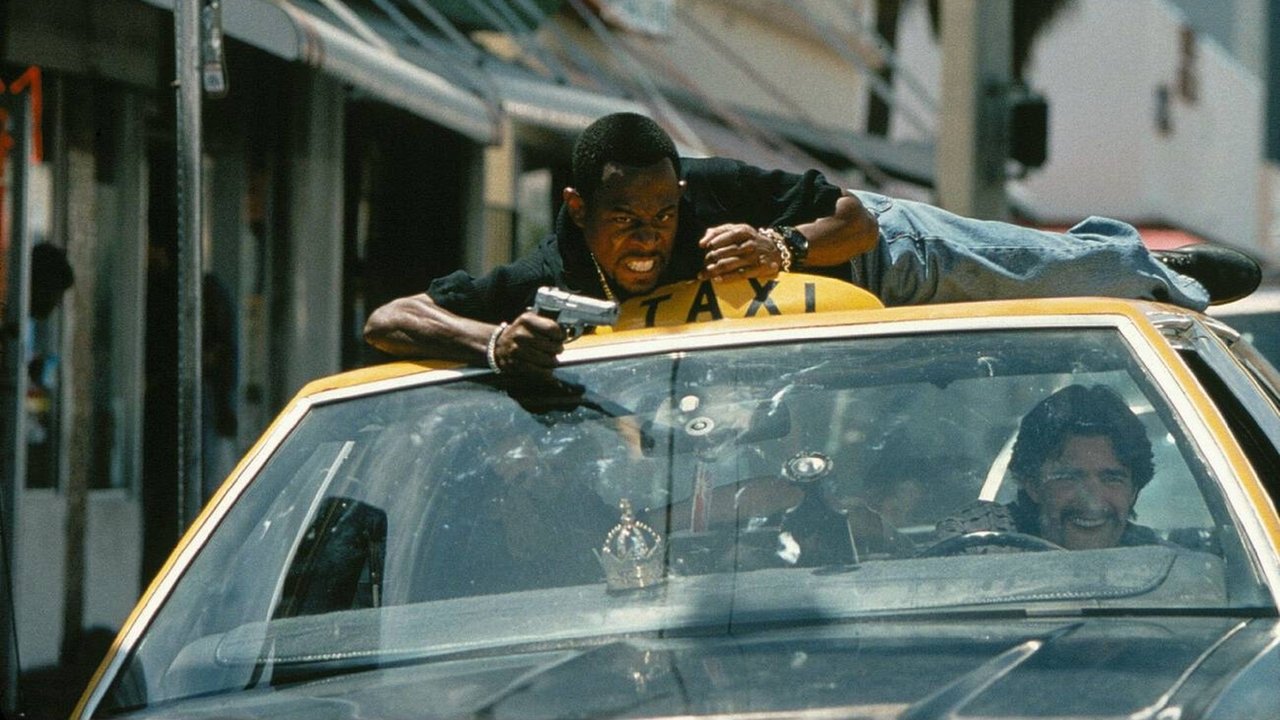
The action choreography is surprisingly grounded compared to the later sequels. There’s a physical weight to the stunts—real cars flipping, real glass shattering, and real sweat glistening on the actors' faces. The cinematography by Howard Atherton (who worked on Fatal Attraction) gives Miami a glossy, dangerous sheen that feels like a high-end music video stretched into a feature film. It’s a transition point in cinema history; it has the grit of 80s practical effects but the hyper-kinetic editing of the coming digital age.
The Witness and the Villain
While the boys provide the laughs, Téa Leoni plays Julie Mott, the sole witness to a murder who forces the duo into a ridiculous identity-swap subplot. Téa Leoni brings a frantic, sharp-witted energy that keeps her from being just a "damsel in distress." She actually pushes back against the leads' egos, which adds a necessary third dimension to the banter.
On the flip side, we have Tchéky Karyo as the villain, Fouchet. He’s cold, European, and sophisticated—a classic trope of 90s action—but he plays it with a genuine menace that makes the stakes feel real. And we can't forget Joe Pantoliano as Captain Howard. His performance as the high-strung, perpetually screaming captain became so iconic that he stayed with the franchise for decades. Joe Pantoliano's blood pressure must have been through the roof during every day of filming.
A Legend in the Making
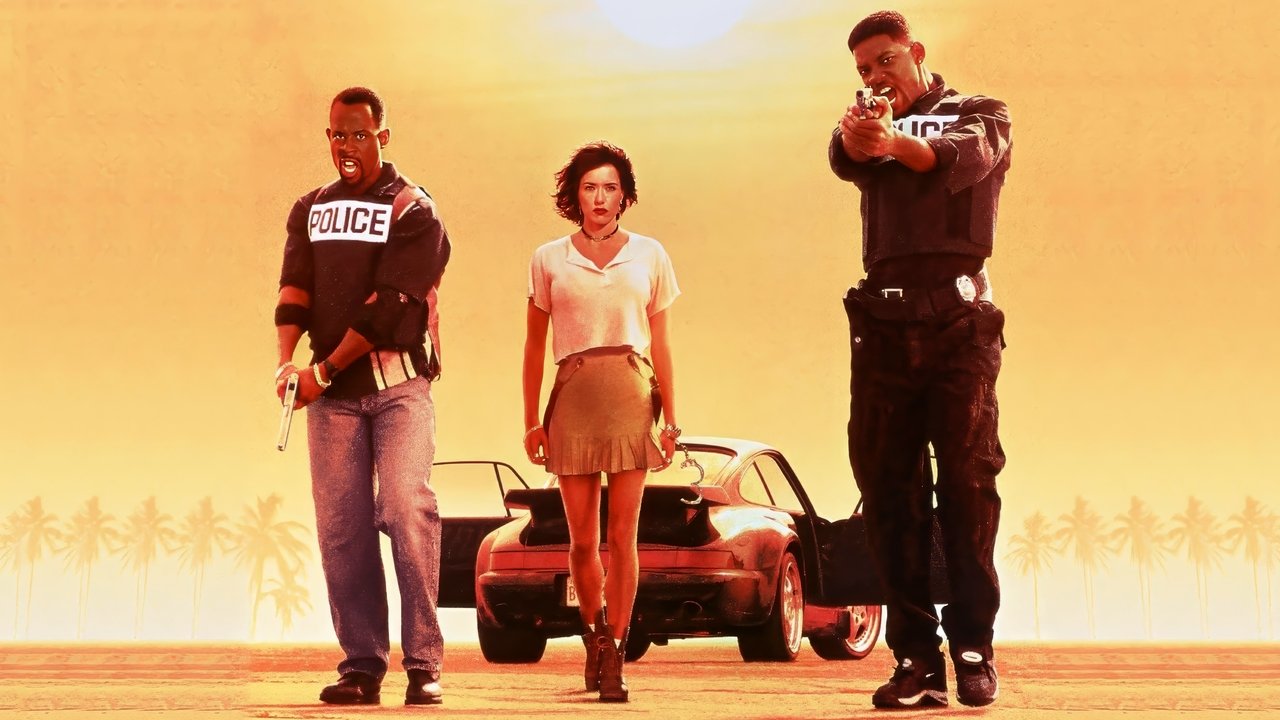
There’s a lot of fun trivia buried in the production. For instance, Arsenio Hall was originally offered the role of Mike Lowrey but turned it down—a move he later cited as one of his biggest career regrets. Also, Michael Bay was so determined to have a spectacular finale that he reportedly paid $25,000 out of his own pocket to film one of the final explosions because the studio refused to fund it. That’s the kind of obsessive commitment to "cool" that made the film a hit.
The film grossed over $140 million worldwide, proving that Will Smith was a bankable movie star. It paved the way for Independence Day and Men in Black, and it established the template for the modern "buddy cop" movie where the comedy is just as loud as the guns. Looking back from the era of the MCU, Bad Boys feels refreshingly simple. It doesn’t need a multiverse or a post-credits scene to hook you; it just needs two guys, a fast car, and a "Whatcha gonna do?" attitude.
Bad Boys is a time capsule of a moment when action movies were transitioning from the hardware-heavy 80s into the slick, personality-driven 90s. It’s loud, it’s occasionally absurd, and the "identity swap" plot doesn't always hold up under logical scrutiny. But as a piece of pure entertainment, it’s a masterstroke of casting and visual style. If you want to see where the modern blockbuster got its swagger, this is the place to start.
Keep Exploring...
-
Bad Boys II
2003
-

Bad Boys: Ride or Die
2024
-
Bad Boys for Life
2020
-
Another 48 Hrs.
1990
-
Lethal Weapon 3
1992
-

RED
2010
-
Rumble in the Bronx
1995
-
Lethal Weapon 4
1998
-
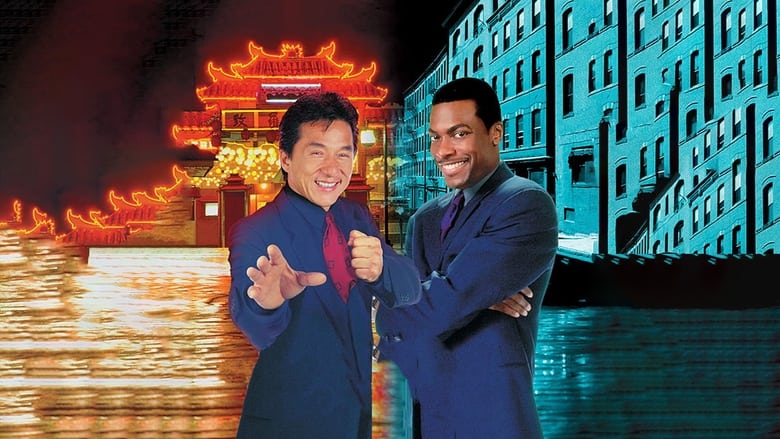
Rush Hour
1998
-
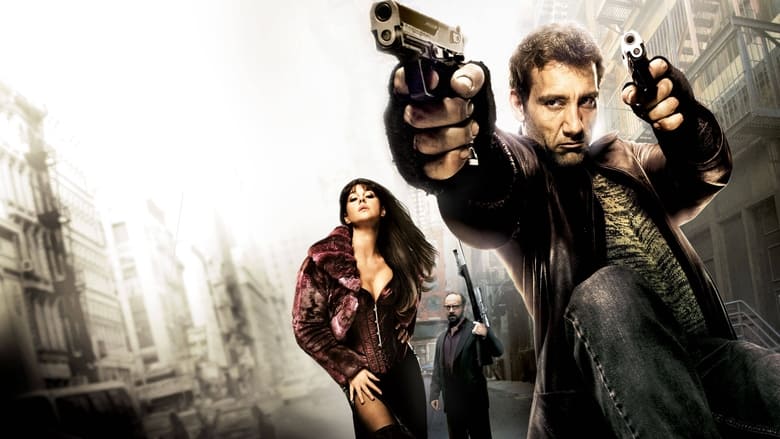
Shoot 'Em Up
2007
-
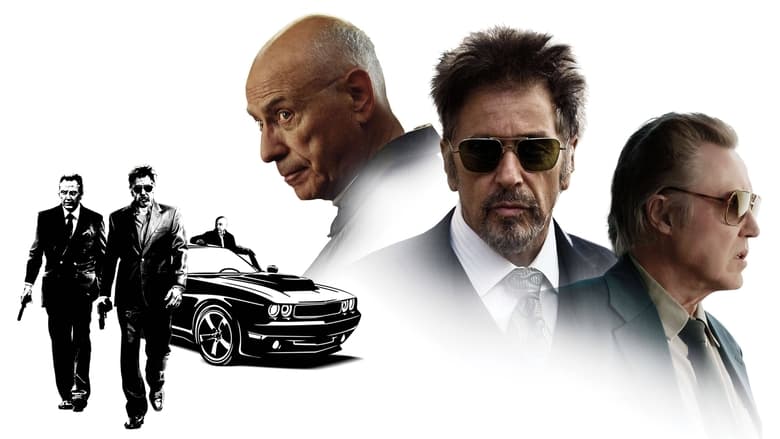
Stand Up Guys
2012
-

Pain & Gain
2013
-
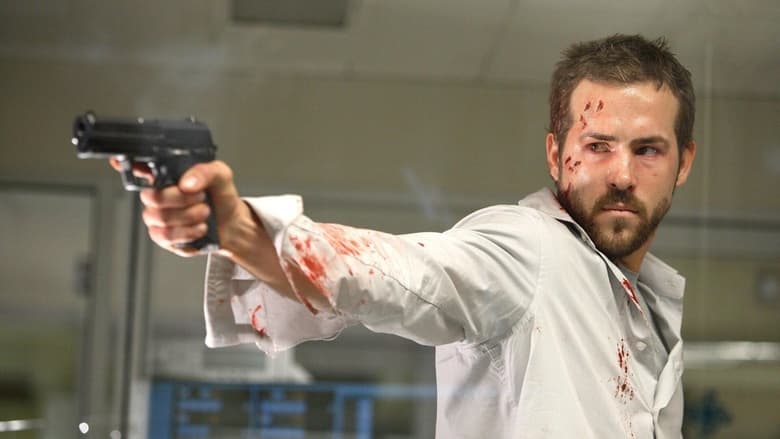
Smokin' Aces
2006
-
The Guard
2011
-
RED 2
2013
-
The Rock
1996
-
Armageddon
1998
-
Pineapple Express
2008
-

21 Jump Street
2012
-
The Heat
2013