Balto
"Too wolf for some, too dog for others, entirely essential."
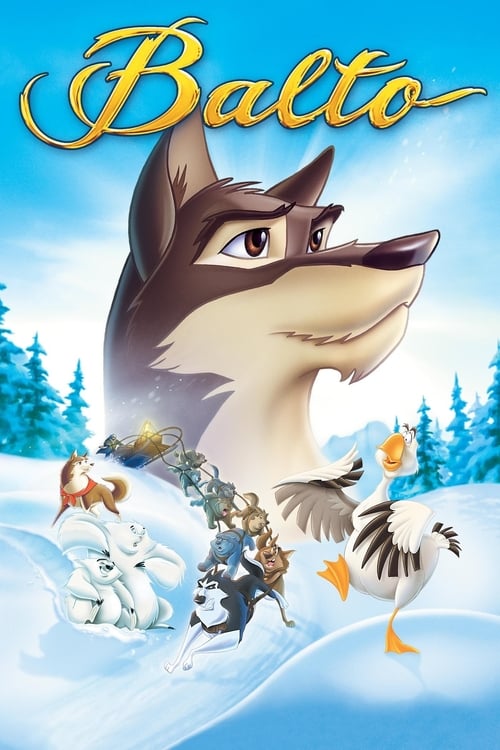
In November 1995, a small, half-breed hero trotted into theaters only to be immediately flattened by a sentient cowboy and a space ranger. Balto didn't just lose the box office war; it was the collateral damage of a cinematic revolution. As the final feature from Amblimation—Steven Spielberg's short-lived London animation house—it arrived exactly four days before Toy Story changed the medium forever. While the world was losing its mind over pixels, this beautifully hand-drawn adventure about a pariah husky-wolf was left out in the cold.

But here’s the thing about 90s kids: we didn’t care about the "CGI revolution" yet. We cared about what was on the shelf at Blockbuster. For many of us, Balto became a staple of the VHS era, a film that felt a little grittier, a little colder, and much more desperate than the polished Broadway-style musicals Disney was churning out at the time.
The Gritty Chill of the Last Frontier
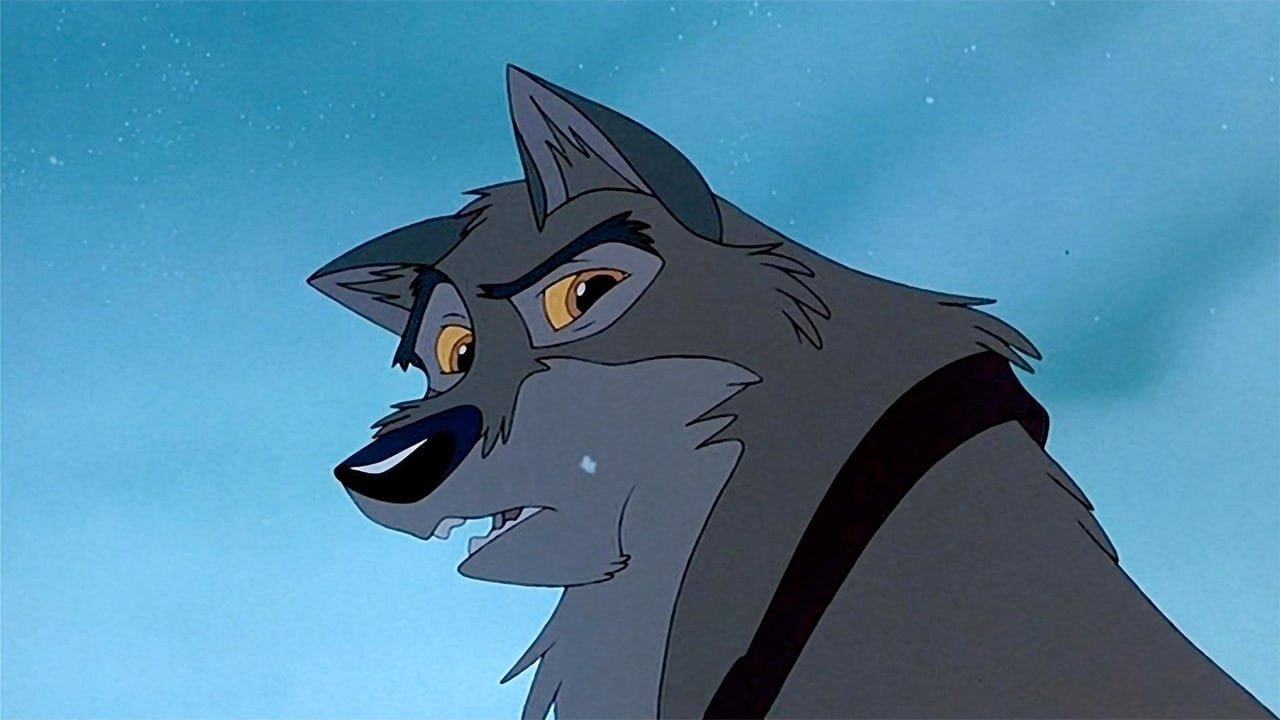
What I love most about Balto is how much it leans into the "Adventure" genre without softening the edges too much. Most family films from the mid-90s were obsessed with "I Want" songs and sidekicks who existed solely to sell plushies. While Balto does have its comic relief—Bob Hoskins is delightful as Boris the Russian goose, and Phil Collins voices two bumbling polar bears—the core of the movie is surprisingly bleak.
There is a literal epidemic of diphtheria killing children in Nome, Alaska. The stakes aren’t "Will the prince kiss the girl?" but rather "Will these toddlers stop dying?" That ticking clock gives the film a momentum that many modern animated features lack. When I revisited this recently—while eating a slightly freezer-burned orange popsicle that felt appropriately Alaskan—I was struck by how effectively the film uses its color palette. The transition from the warm, amber tones of the town to the oppressive, haunting blues and whites of the tundra makes the journey feel genuinely perilous.
Kevin Bacon voices our titular hero with a grounded, weary sincerity. He’s not a wisecracking protagonist; he’s an outcast who is tired of being kicked. Opposite him, Jim Cummings voices Steele, the local sled-dog hero and resident sociopath. Steele is essentially Gaston if he’d been reincarnated as a Malamute with a God complex. He doesn't just want to win; he wants Balto to cease to exist. It’s a classic adventure dynamic, but it works because the film treats the wilderness as the ultimate arbiter of truth.
A Masterclass in Traditional Craft
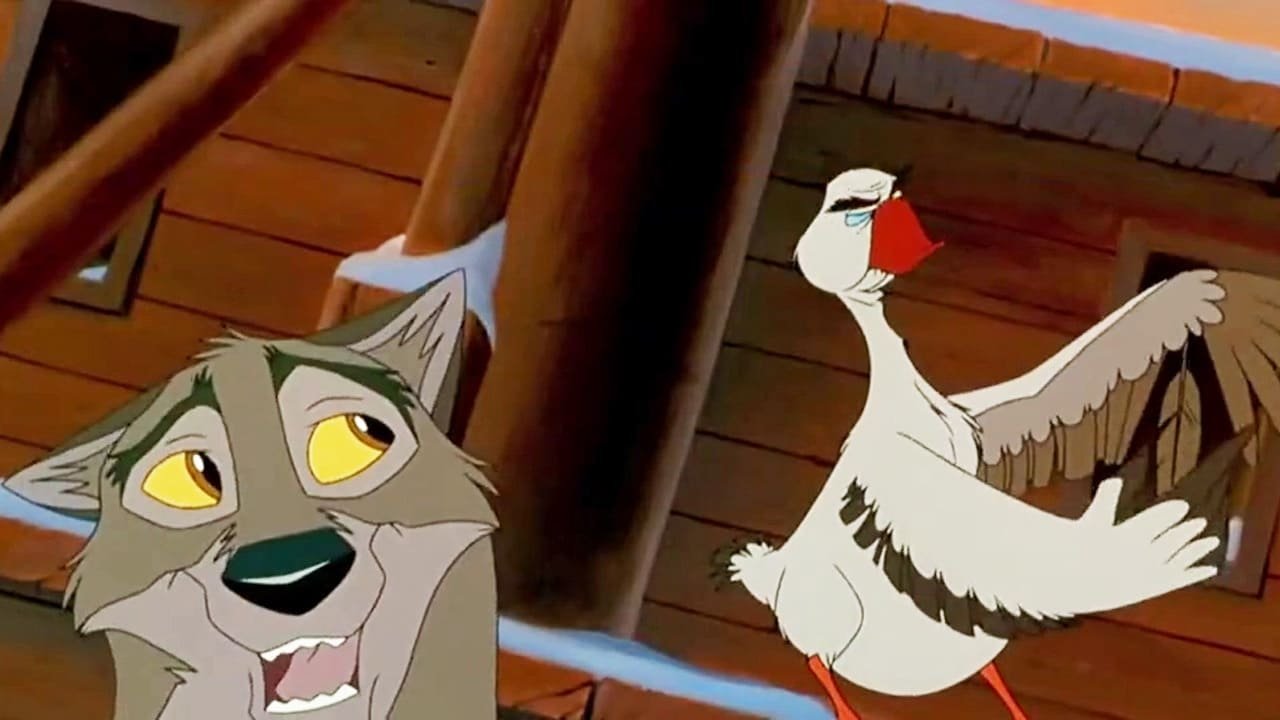
Because Balto was released during that awkward transition from analog to digital, you can see the filmmakers experimenting with the "new toys" of the era. There are moments where CGI is used for the more complex sled movements or the terrifyingly effective grizzly bear sequence, but it never feels like it's showing off. Instead, it serves the hand-drawn characters.
The animation of the wolf-dog's movements is remarkably fluid. The production team actually brought a real wolf-dog into the studio to study its gait, and it shows. There’s a scene where Balto encounters a massive white wolf in the wilderness, and it’s a silent, haunting moment of self-acceptance that hits harder than any three-minute pop ballad ever could.
Speaking of hitting hard, we have to talk about James Horner. Fresh off his success with Braveheart, Horner delivered a score that is far grander than a 78-minute "dog movie" probably deserved. It’s sweeping, heroic, and carries that signature Horner melancholy. It’s the kind of score that makes you want to go outside and save a village, even if you’re just going to the mailbox.
The Cult of the Underdog
It’s fascinating how Balto has survived in the cultural consciousness despite its initial failure. Part of its cult status comes from the "Discovery Story"—the fact that it was a flop made it ours. We found it on home video, away from the marketing machines of the Big Two studios.
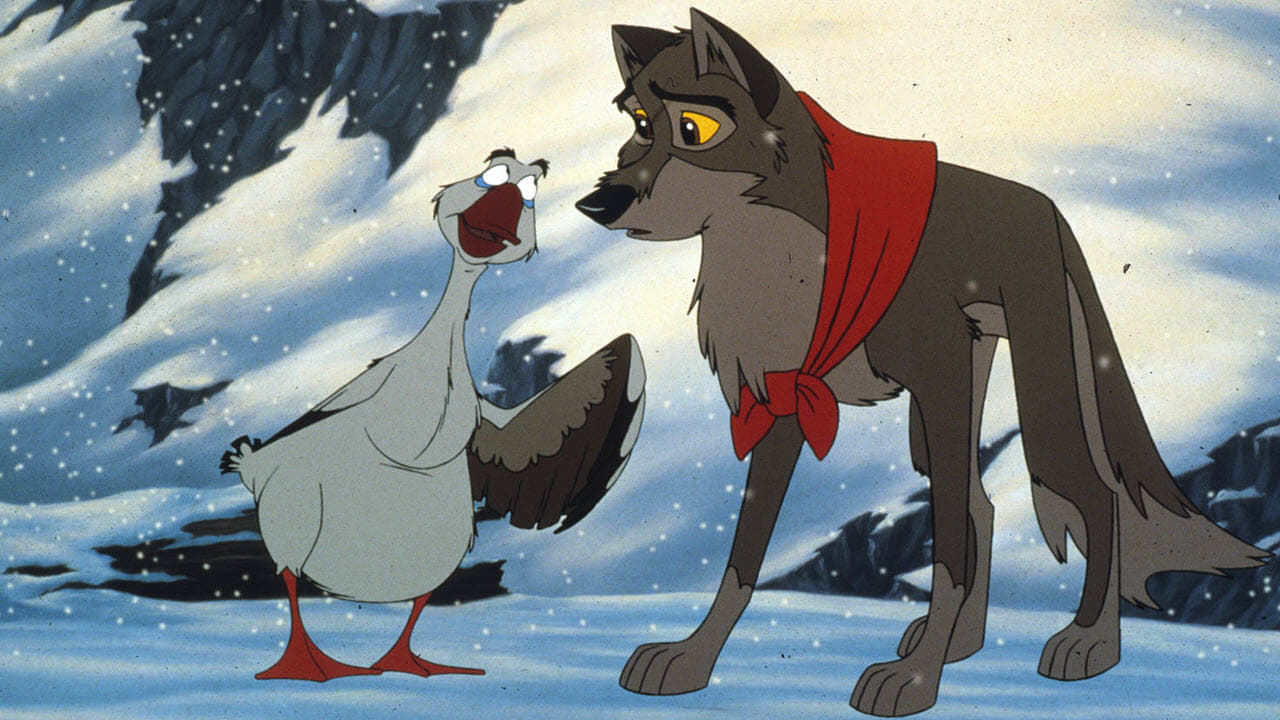
Of course, if you’re a history buff, you’ve likely heard the modern "reassessment" regarding the real Balto. Turns out, a dog named Togo actually did the lion's share of the work during the 1925 Serum Run, covering the most dangerous terrain. Balto just happened to run the final leg into town and get the statue in Central Park. History is often just a case of who has the better publicist, even in the canine world.
The film acknowledges this legacy with a live-action framing device featuring an elderly Rosy (played by Miriam Margolyes) searching for the statue in New York. While the transition from live-action to animation is the weirdest tonal whiplash since the ending of 'A.I. Artificial Intelligence', it reinforces the movie's core myth: that being a "half-breed" or an outcast doesn't matter when the lives of others are on the line.
Balto is a lean, mean adventure that respects its audience's intelligence. It doesn't overstay its welcome, and it provides a level of atmosphere that is rarely seen in "Family" films today. While it might have been overshadowed by the shiny new toys of 1995, it remains a testament to the power of traditional animation and a damn good story about finding where you belong. If you missed it during the mid-90s shuffle, it’s time to head back into the snow.
Keep Exploring...
-

The Prince of Egypt
1998
-
The Road to El Dorado
2000
-
Porco Rosso
1992
-
Anastasia
1997
-
Hercules
1997
-
The Lion King II: Simba's Pride
1998
-
Dinosaur
2000
-

The Emperor's New Groove
2000
-
A Goofy Movie
1995
-
Shrek
2001
-

Sinbad: Legend of the Seven Seas
2003
-
The Lion King 1½
2004
-
Fantastic Mr. Fox
2009
-

DuckTales: The Movie - Treasure of the Lost Lamp
1990
-
The Rescuers Down Under
1990
-

Aladdin
1992
-
The Lion King
1994
-

The Swan Princess
1994
-
James and the Giant Peach
1996
-
Atlantis: The Lost Empire
2001