Before Sunrise
"One night in Vienna is a lifetime."
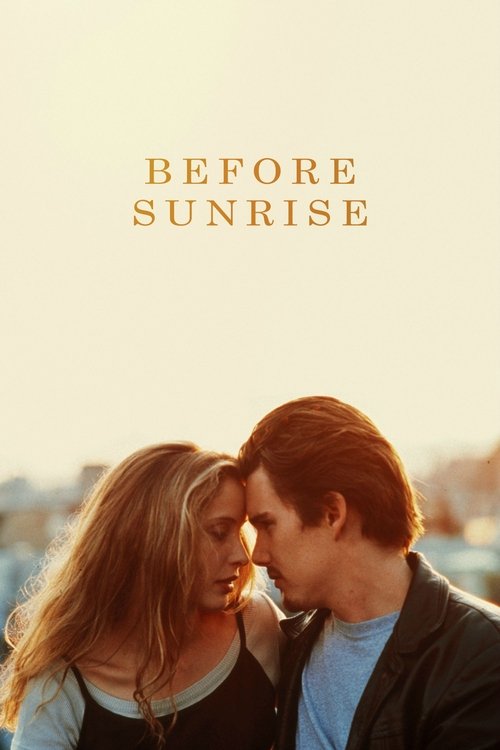
I first watched Before Sunrise on a laptop with a dying battery while sitting in a terminal at O’Hare, surrounded by the smell of Auntie Anne’s pretzels and the collective anxiety of a delayed flight to Denver. There is something uniquely poignant about watching a movie about the fleeting nature of travel while you are stuck in the limbo of an airport. It’s a film that demands you be in a specific headspace—one where you’re willing to admit that a single conversation with a stranger might actually be more important than your career, your Five-Year Plan, or your return ticket.
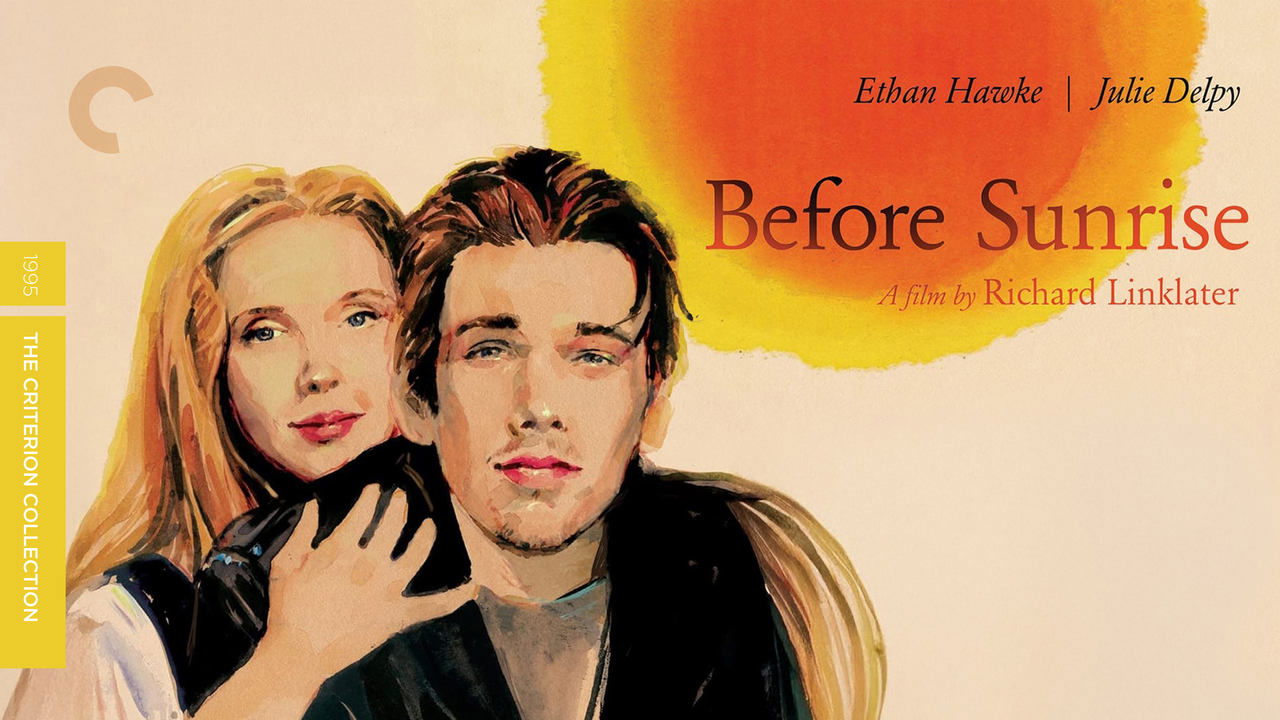
Released in 1995, Richard Linklater’s masterpiece arrived right in the sweet spot of the 90s indie boom. We were moving away from the loud, high-concept blockbusters of the 80s and into a space where a director could get a couple million dollars from a studio like Castle Rock just to film two people walking around a European city talking about reincarnation, gender roles, and the fear of death. It’s the ultimate "vibe" movie before that term was ever ruined by social media.
The Philosophy of the "Slacker" Romance
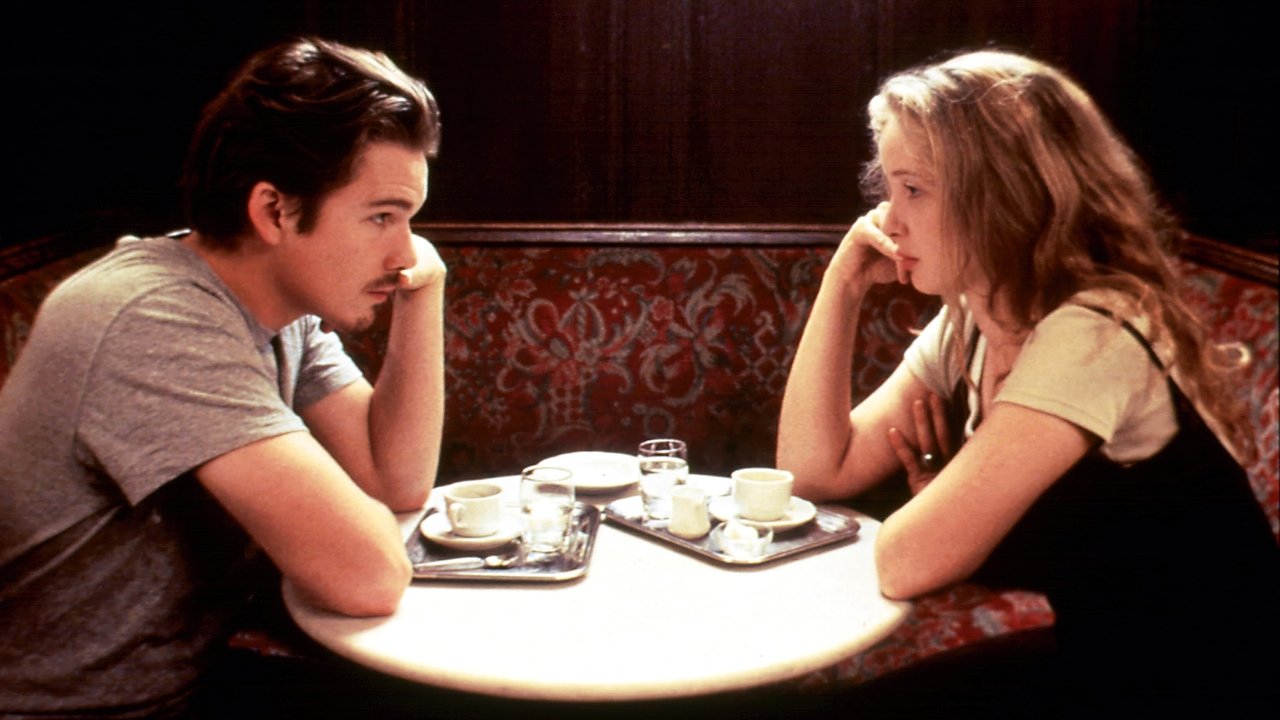
On paper, this movie shouldn't work for five minutes, let alone a hundred. Jesse (Ethan Hawke), a cynical American traveler, and Céline (Julie Delpy), a soulful French student, meet on a train and decide to spend Jesse's final night in Europe wandering through Vienna together. That’s it. There are no ticking time bombs—unless you count the sunrise—and no villain other than the inevitable passage of time.
What makes it work is that Linklater, along with co-writer Kim Krizan, treats dialogue as the highest form of action. Looking back from our current era of "algorithmic storytelling," the intellectual curiosity of this script feels like a transmission from a lost civilization. Jesse and Céline aren't just flirting; they are trying to figure out if the world is a cold, mechanical place or something fueled by a "shared space" of connection.
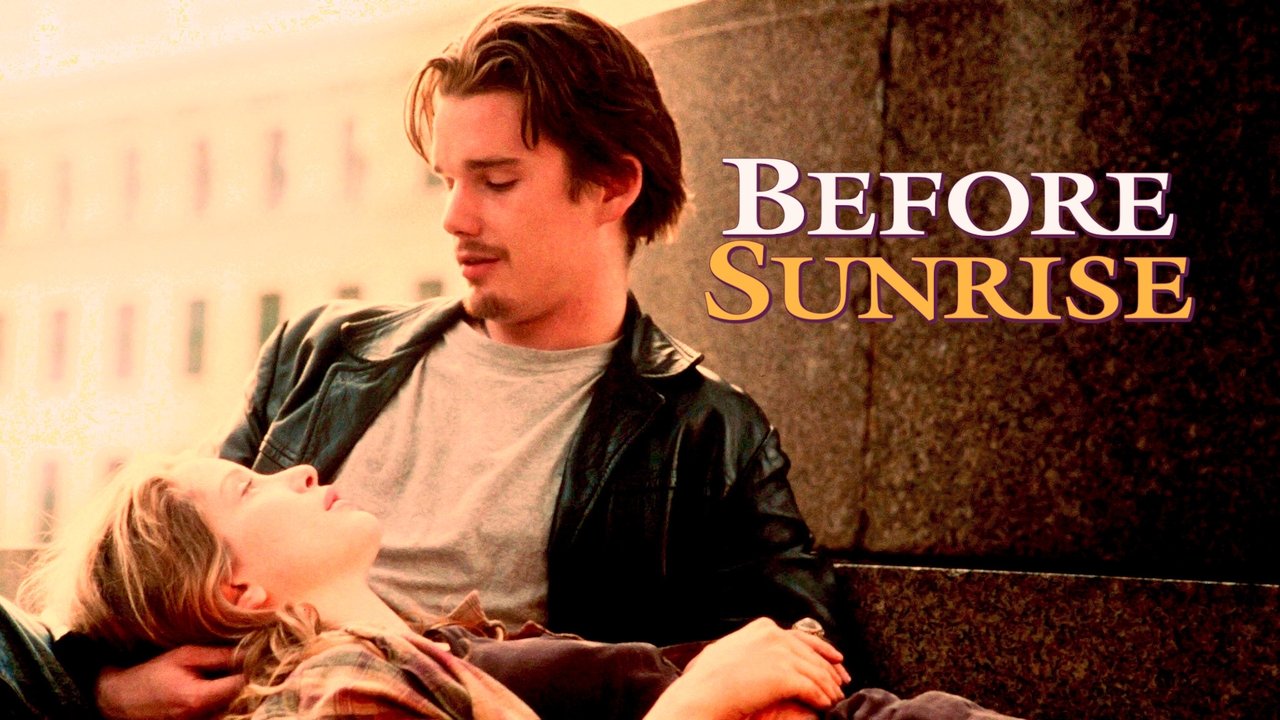
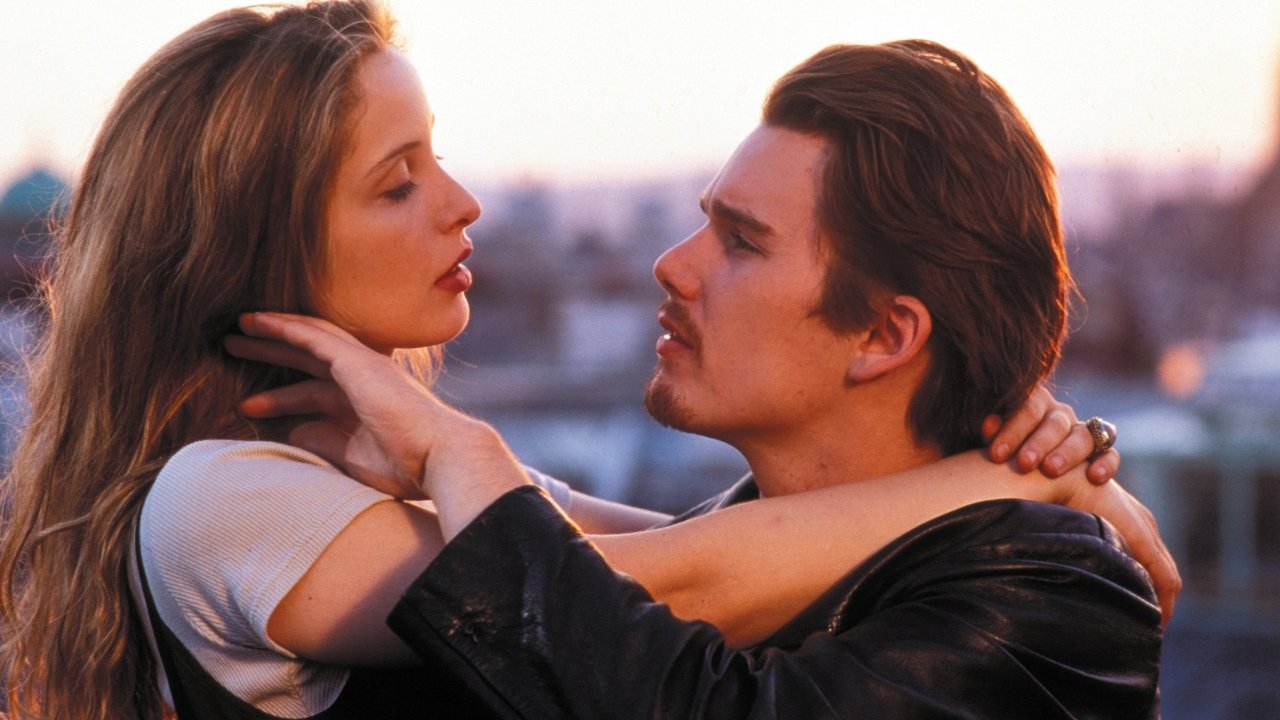
I’ve always found Ethan Hawke’s performance here to be fascinatingly era-specific. He’s got the goatee, the oversized leather jacket, and that specific brand of mid-90s intellectual posturing that feels slightly pretentious but entirely sincere. Julie Delpy, meanwhile, is the film's secret weapon. She provides the necessary friction to Jesse’s cynicism. Their chemistry doesn't feel like "movie magic"; it feels like two people who are genuinely surprised to find someone else who speaks their specific, internal language.
Two People, One Night, and a Script that Breathes
Visually, the film is a masterclass in "invisible" direction. Cinematographer Lee Daniel uses long takes that let the actors actually act. There is a famous scene in a listening booth at a record store where the two characters listen to a Kath Bloom song. They don't say a word. They just steal glances at each other and then look away when the other person notices. This scene is more suspenseful than the entirety of most modern action franchises. It captures that agonizing, beautiful awkwardness of a first spark in a way that feels almost intrusive to watch.
In retrospect, the production of Before Sunrise was an exercise in creative intimacy. Linklater and Krizan spent weeks with Hawke and Delpy before filming, rewriting the script to fit the actors' natural voices. It’s a prestige film that feels improvised, even though it was meticulously rehearsed. This collaborative spirit is likely why the film feels so authentic—it wasn't just a director imposing a vision; it was four people trying to bottle the feeling of a "missed connection" that didn't get missed.
Interestingly, the story was inspired by a real-life encounter Linklater had in 1989 with a woman in Philadelphia. They walked and talked all night, just like the characters. For years, Linklater hoped she would see the movie and reach out. It wasn't until much later that he discovered she had tragically died in a motorcycle accident before the film was even released. Knowing that adds a layer of existential weight to the film’s central question: how much of our lives is just "ghost" time spent with people we’ll never see again?
The Legacy of the Temporary
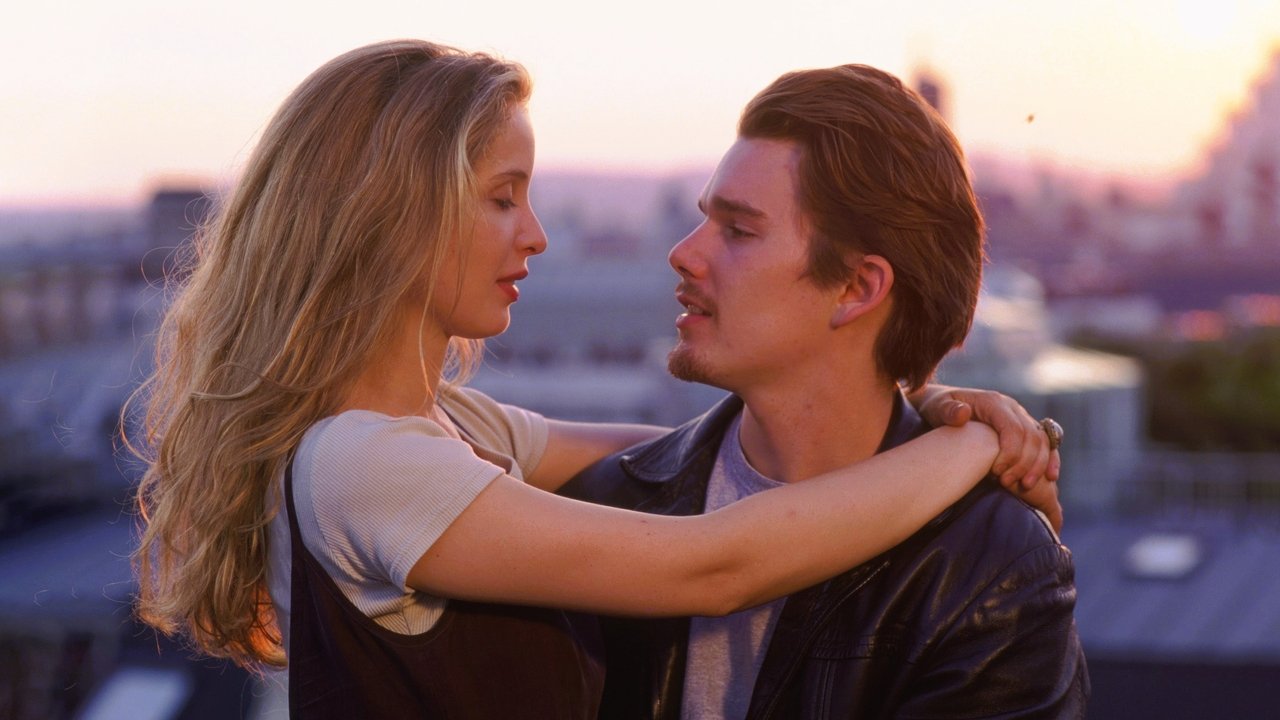
The film was a critical darling, earning Linklater the Silver Bear for Best Director at the Berlin International Film Festival, and it launched a trilogy that would span eighteen years. But even standing alone, Before Sunrise is a remarkable artifact of its time. It’s a pre-cellphone movie. If this happened today, Jesse and Céline would exchange Instagram handles by the second bridge and the tension would evaporate into a series of "likes" and DMs. The stakes are high precisely because they are in a vacuum.
Looking back, the film’s "low-tech" nature is its greatest strength. There are no special effects—unless you count the way the light hits the Viennese architecture at 4:00 AM—and the budget was a modest $2.5 million. It proved that "prestige" doesn't require a period setting or a tragic death; it just requires a profound understanding of how humans actually talk to each other when they’re trying to be understood.
Before Sunrise is one of those rare films that actually gets better as you age. When I was twenty, I saw it as a blueprint for the kind of romance I wanted. Now, I see it as a beautiful, slightly heartbreaking meditation on how quickly life moves. It captures the exact moment when two people decide to be vulnerable enough to be remembered, knowing full well that "goodbye" is coming with the morning light. It’s a perfect film for anyone who has ever felt like a stranger in a strange land, waiting for a conversation to start.
Keep Exploring...
-
Before Sunset
2004
-
Before Midnight
2013
-

Waking Life
2001
-
In the Mood for Love
2000
-

Dazed and Confused
1993
-

Dilwale Dulhania Le Jayenge
1995
-

Boyhood
2014
-

A Walk to Remember
2002
-

Flipped
2010
-

What's Eating Gilbert Grape
1993
-
The Postman
1994
-
The Bridges of Madison County
1995
-
10 Things I Hate About You
1999
-

Pride & Prejudice
2005
-

Mr. Nobody
2009
-
About Time
2013
-
Forrest Gump
1994
-

Titanic
1997
-

Three Colors: Red
1994
-
A Dog's Will
2000